


US Melanoma Patients Escape Debt with Mexico Therapies

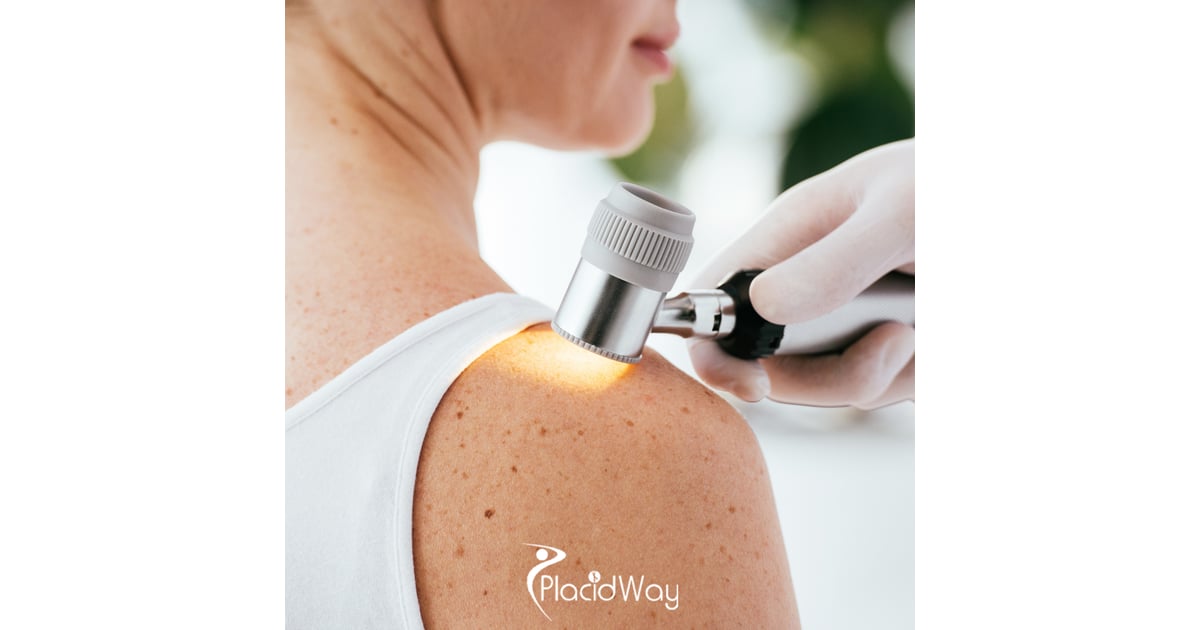
Facing massive bills, many Americans seek affordable Melanoma treatment in Mexico to avoid medical bankruptcy. Alternative therapies across the border offer life-saving, holistic oncology care at a fraction of domestic costs, transforming global health travel for patients.
The Severe Financial Toxicity of Skin Cancer Care in the U.S.
A skin cancer diagnosis brings not only profound emotional distress but also an impending threat of catastrophic financial ruin. In the United States, the price of oncology care has skyrocketed to unprecedented levels. Modern standards of care for advanced stages of the disease often involve highly sophisticated immunotherapy drugs, targeted gene therapies, and repeated surgical interventions. For the average American patient, even those with comprehensive health insurance policies, the out-of-pocket maximums, exorbitant deductibles, and co-insurance requirements quickly drain lifelong savings, retirement funds, and emergency accounts.
This overwhelming economic burden is clinically referred to as "financial toxicity," a phenomenon uniquely pervasive in the American healthcare system. Studies consistently reveal that cancer patients are significantly more likely to declare bankruptcy than individuals without a cancer diagnosis. Faced with invoices that frequently eclipse hundreds of thousands of dollars for a single year of treatment, patients are forced into impossible decisions: sacrificing their home equity, taking on predatory medical loans, or abandoning life-saving treatments altogether. As domestic healthcare costs continue to climb unchecked, desperate patients are increasingly looking beyond domestic borders for viable, high-quality alternatives to secure their health without sacrificing their financial future.
Did You Know? Research indicates that over 60% of all personal bankruptcies in the United States are directly tied to medical emergencies and exorbitant healthcare bills, with complex oncological treatments like advanced skin cancer care being one of the leading drivers of insurmountable debt.
Why U.S. Patients Seek Melanoma Treatment in Mexico
The mass exodus of oncology patients traveling south of the border is primarily driven by the stark economic disparity and the availability of diverse treatment modalities. Geographically, major Mexican medical hubs are highly accessible, often situated just minutes from major U.S. international airports. This proximity allows American and Canadian patients to cross into a highly regulated, rapidly advancing medical environment where the cost of living, administrative overhead, and pharmaceutical pricing are heavily subsidized and inherently lower. Consequently, the financial savings are extraordinary, frequently amounting to 50% to 70% off standard domestic oncology invoices.
Beyond the undeniable financial relief, international patients are drawn to the deeply personalized, holistic philosophy that permeates Mexican medical tourism. Rather than adopting a purely aggressive, tumor-centric approach that characterizes traditional Western medicine, these specialized border clinics focus aggressively on systemic wellness. The clinical protocols are designed to aggressively target malignant cells while simultaneously rebuilding the patient's immune system, detoxifying vital organs, and preserving the overall quality of life. This compassionate, integrative care model offers an empowering alternative to the clinical, often rushed atmosphere of high-volume domestic cancer wards.
Exploring Advanced Alternative Therapies for Melanoma
The appeal of cross-border oncology lies in the vast array of innovative, non-toxic therapies that are expertly administered by board-certified specialists. These comprehensive treatment programs are individually tailored, utilizing a multifaceted approach to outsmart cancer cells at the metabolic level:
- Local and Whole-Body Hyperthermia: Malignant cells are highly sensitive to extreme heat. By safely raising the body's core temperature or applying targeted heat to specific tumor sites, practitioners can effectively destroy cancer cells or weaken them enough to make complementary therapies substantially more effective.
- High-Dose Intravenous Vitamin C: Administered intravenously at extremely high concentrations, Vitamin C acts not as an antioxidant, but as a potent pro-oxidant. This generates hydrogen peroxide directly within the extracellular space of the tumor, creating a toxic environment for cancer cells while leaving healthy, oxygenated tissue completely unharmed.
- Dendritic Cell Therapy: A highly advanced form of immunotherapy where the patient's own immune cells are extracted, programmed in a laboratory setting to recognize specific melanoma antigens, and reintroduced into the bloodstream to trigger a massive, targeted immune response against the disease.
- Ozone and Oxygen Therapies: Cancer thrives in anaerobic (low oxygen) environments. By flooding the bloodstream with medical-grade ozone or utilizing hyperbaric oxygen chambers, clinics systematically alter the internal environment, inhibiting the proliferation of malignant cells and promoting rapid cellular repair.
- Sonodynamic Therapy (SDT): A cutting-edge, non-invasive protocol that uses specific sound wave frequencies (ultrasound) to activate cancer-targeting sonosensitizer agents, effectively breaking down tumor structures safely without the severe tissue damage associated with traditional radiation.
Holistic Oncology at the Immunity Therapy Center in Tijuana
For those seeking a premier destination that perfectly encapsulates the integrative approach to cross-border oncology, the Immunity Therapy Center in Tijuana, Mexico stands out as a globally recognized leader. This state-of-the-art facility has revolutionized the international standard of care by combining rigorous scientific methodology with compassionate, alternative healing protocols. Patients traveling to this renowned clinic receive highly customized, dynamic treatment plans that are continually adjusted based on real-time physiological responses, ensuring the highest possible efficacy while meticulously preserving the patient's energy and vitality.
The medical team at this specialized facility operates under a uniquely patient-centric philosophy, conducting daily consultations to monitor progress and provide unwavering emotional support. Because they are not bound by the restrictive, one-size-fits-all insurance mandates prevalent in the United States, the physicians possess the clinical freedom to utilize a diverse arsenal of global therapies. From advanced immunotherapies to intensive nutritional detoxification, the comprehensive care model provided just across the border delivers a lifeline to individuals who have been told by domestic oncologists that they have exhausted all conventional medical options.
Cost Comparison: U.S. Oncology vs. Mexican Cancer Clinics
The financial data surrounding oncological care highlights a deeply flawed domestic pricing model. Transparency in billing is a cornerstone of the medical tourism experience, standing in stark contrast to the fragmented, confusing invoices generated by domestic hospital networks. International clinics offer comprehensive, all-inclusive packages that bundle physician fees, laboratory work, daily treatments, and specialized organic nutrition into one predictable cost structure.
Analyzing the side-by-side cost breakdown reveals exactly why patients are leveraging their passports for survival. The value proposition of traveling internationally provides not just immense financial relief, but access to a broader spectrum of daily, intensive therapies that would be entirely cost-prohibitive in a conventional U.S. hospital setting.
"We are witnessing a critical tipping point in global healthcare. American patients are no longer willing to accept the devastating financial toxicity that accompanies a cancer diagnosis. By turning to globally accredited, alternative medical centers abroad, patients are reclaiming their agency. They are discovering that world-class, life-extending integrative oncology is fully attainable without sacrificing their family's financial security."
— Pramod Goel, CEO of PlacidWay
Blending Conventional and Alternative Skin Cancer Treatments
A widespread misconception regarding international oncology is that patients must choose exclusively between conventional science and alternative medicine. In reality, the most successful border clinics operate on the vanguard of integrative oncology. This sophisticated paradigm blends the most effective elements of modern allopathic medicine—such as low-dose, targeted chemotherapy or precision tumor mapping—with powerful complementary therapies designed to mitigate toxic side effects and boost physiological resilience.
By employing a synergistic approach, medical professionals can significantly enhance the efficacy of treatments while drastically reducing the severe nausea, fatigue, and immune suppression typically associated with aggressive skin cancer interventions. Furthermore, many of these integrative protocols utilize groundbreaking treatments that have demonstrated profound success in European and Asian clinical trials, granting American patients early access to vital medical innovations long before they navigate the decades-long bureaucratic approval processes of domestic healthcare agencies.
Did You Know? The medical tourism sector for complex conditions is experiencing exponential growth, with hundreds of thousands of North Americans crossing international borders specifically to access advanced, integrative oncology protocols that bridge the gap between traditional science and holistic healing.
Navigating Cross-Border Healthcare Safety and Certifications
Safety and clinical legitimacy are naturally the foremost concerns for any individual battling a life-threatening illness. The elite medical facilities catering to international oncology patients operate under incredibly strict regulatory frameworks. Clinics must adhere to the stringent guidelines enforced by COFEPRIS (Mexico's equivalent to the FDA), ensuring that all medical devices, laboratory environments, and pharmaceutical interventions meet rigorous federal standards for safety and sterilization.
Beyond local regulations, these premier healing centers are frequently staffed by physicians who possess international pedigrees. It is standard practice to find lead oncologists and immunologists who have completed intensive fellowships in the United States, Germany, or Switzerland, bringing a wealth of global expertise back to their practices. These high-tier medical campuses feature hyper-modern infrastructure, cutting-edge diagnostic laboratories, and robust emergency protocols, guaranteeing that international patients receive care that consistently meets—and frequently exceeds—the quality metrics of top-tier U.S. hospital networks.
The Strategic Role of PlacidWay in Your Medical Journey
Navigating a high-stakes cancer diagnosis is an overwhelming endeavor, and attempting to coordinate international medical travel independently can add unnecessary stress to an already fragile situation. The digital landscape is flooded with conflicting information, making it imperative to utilize a trusted, independent medical tourism facilitator to safely guide your journey. This critical intermediary safeguards the patient experience by meticulously vetting medical providers, verifying international board certifications, and ensuring complete transparency regarding treatment protocols and financial expectations.
By partnering with a dedicated facilitation platform like PlacidWay, patients are empowered to make highly informed, confident decisions about their healthcare. PlacidWay connects individuals directly with globally recognized, top-tier medical facilities, facilitating everything from initial virtual consultations with lead oncologists to comprehensive logistical support including cross-border transportation and comfortable medical accommodations. This streamlined, concierge-level service removes the logistical barriers of international travel, allowing patients and their families to focus entirely on the singular goal of healing and recovery.


.png)
.png)
.png)









Share this listing