


Canadian Exodus: Fast CNS Lymphoma Care Abroad
Facing crippling healthcare delays, Canadians are crossing borders for alternative CNS lymphoma care in Tijuana, Mexico. This medical exodus highlights a desperate search for immediate, affordable, and advanced oncological therapies that bypass domestic waitlists and exorbitant out-of-pocket fees.
The Crisis Driving Canadians to Seek Cancer Care Abroad
The Canadian universal healthcare system, long lauded for its equitable access, is currently buckling under the immense pressure of severe specialist shortages and extensive procedural backlogs. For patients diagnosed with aggressive malignancies such as Central Nervous System (CNS) Lymphoma, time is the most critical asset. Yet, the systemic reality dictates that individuals frequently endure agonizing wait periods stretching across several months just to secure an initial oncological consultation, let alone begin an intensive therapeutic regimen. This bureaucratic delay creates a terrifying paradox where treatment is theoretically free, but practically inaccessible during the crucial early stages of disease progression.
Consequently, an unprecedented wave of Canadian patients is looking beyond their borders to secure life-saving interventions. The term "medical exile" is increasingly utilized by health economists to describe this demographic shift. Rather than passively accepting the protracted timelines of conventional domestic care, proactive patients are actively researching alternative oncological therapies internationally. They are discovering that medical tourism destinations offer immediate admission protocols, enabling patients to transition from diagnostic confirmation to active, comprehensive treatment execution in a matter of days, effectively short-circuiting the lethargic domestic queuing system.
Did You Know? Recent health policy data indicates that the median wait time in Canada between a general practitioner referral and the commencement of specialized oncology treatment has expanded by over 170% in certain provinces, propelling a massive surge in outbound medical travel for critical care.
Why Alternative CNS Lymphoma Care in Mexico is Booming
While several global destinations have positioned themselves as hubs for international patients, Mexico has rapidly ascended as the premier sanctuary for North Americans seeking holistic and integrative oncology. The geographic proximity plays a substantial role; Canadian patients can navigate a straightforward flight to border cities like Tijuana without enduring the physical toll of intercontinental travel. However, the true magnetic draw lies in the progressive medical philosophy adopted by these southern facilities, which starkly contrasts with the rigid, highly standardized protocols enforced by the Canadian medical establishment.
In the context of CNS Lymphoma, a notoriously difficult cancer to manage due to the blood-brain barrier limiting the efficacy of traditional chemotherapy, alternative clinics in Mexico offer a multi-faceted therapeutic arsenal. These centers deploy targeted, integrative protocols that are either still undergoing agonizingly slow clinical trials in North America or have been sidelined by restrictive domestic healthcare budgets. By fusing advanced biological treatments with aggressive immune system support, Mexican medical facilities are providing a beacon of hope for patients who have been informed that they have exhausted all standard-of-care options in their home country.
Breaking Down the Hidden Costs of Delayed Treatment Protocols
A prevailing misconception surrounding the Canadian healthcare model is that it is entirely devoid of financial burden. While hospital stays and primary physician interventions are covered by the state, the indirect economic devastation caused by treatment delays is staggering. When a patient is forced to wait indefinitely for CNS lymphoma care, they frequently experience a severe decline in cognitive and motor functions, leading to an immediate and involuntary exit from the workforce. This sudden loss of income, compounded by out-of-pocket expenses for non-subsidized palliative prescriptions and intensive home caregiving, quietly bankrupts countless families.
When juxtaposing these hidden domestic expenses against the transparent pricing models of cross-border healthcare, the financial logic of medical tourism becomes irrefutable. International medical providers supply comprehensive, all-inclusive pricing structures that cover everything from targeted biological therapies to specialized nutritional counseling and luxury recovery accommodations. The table below illustrates the stark economic realities faced by patients navigating these divergent healthcare pathways.
"Patients facing aggressive, time-sensitive diagnoses like CNS lymphoma cannot afford to be placed on a bureaucratic waiting list. The modern healthcare consumer is acutely aware that geography should never dictate survivability. By utilizing transparent medical tourism platforms, individuals are bypassing domestic limitations to access customized, life-saving integrative therapies globally."
— Pramod Goel, CEO of PlacidWay
Comprehensive Holistic Oncology: A Patient-Centric Paradigm
The fundamental philosophy driving alternative cancer clinics is a rejection of the "one-size-fits-all" mentality that dominates conventional public healthcare systems. In an integrative medical setting, physicians understand that the eradication of malignant cells must be balanced meticulously with the preservation of the patient's overall biological vitality. This approach is particularly vital for CNS Lymphoma patients, whose neurological health is inherently fragile and highly susceptible to the neurotoxic side effects of maximum-tolerated-dose chemotherapy.
To achieve this delicate clinical balance, international oncology hubs utilize a comprehensive matrix of treatments. These specialized programs are tailored daily based on the patient's real-time metabolic and immunological responses, ensuring the highest level of efficacy while minimizing systemic degradation.
- Local and Whole-Body Hyperthermia: Utilizing advanced thermal energy to safely elevate body temperature, selectively damaging heat-sensitive cancer cells while making them highly susceptible to concurrent therapies.
- Intravenous Vitamin C and Metabolic Therapy: Delivering ultra-high doses of targeted nutrients directly into the bloodstream to generate oxidative stress exclusively within the tumor microenvironment, halting malignant proliferation.
- Dendritic Cell Vaccines and Immunotherapy: Extracting the patient's own immune cells, supercharging them to recognize specific lymphoma markers, and reintroducing them to launch a precise, biological attack on the central nervous system malignancy.
- Ozone and Oxygen-Based Protocols: Reversing the hypoxic (low oxygen) conditions that tumor cells thrive in, thereby inhibiting their growth mechanisms and accelerating cellular repair in healthy adjacent brain tissue.
- Microbiome Rehabilitation: Aggressively rebuilding the gut flora through targeted probiotics and dietary interventions to ensure the systemic immune response operates at optimal capacity during the treatment window.
The Rise of Integrative Medical Facilities South of the Border
The landscape of medical tourism in Baja California has evolved from fragmented independent clinics into highly sophisticated, campus-style medical institutions that rival top-tier global hospitals. These facilities attract board-certified oncologists, immunologists, and holistic practitioners from around the globe, creating a multidisciplinary environment dedicated to pushing the boundaries of what is medically possible. For Canadian patients, this represents a profound shift from being a mere number in a vast domestic queue to becoming the focal point of a dedicated team of medical innovators.
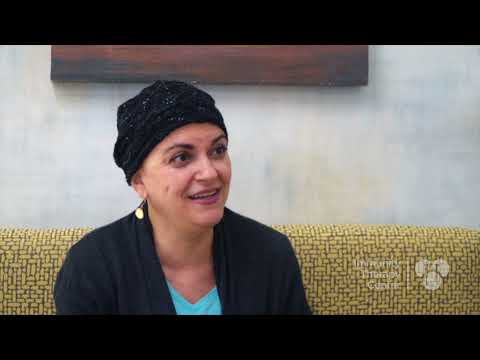
Pioneering this cross-border oncological movement is the Immunity Therapy Center in Tijuana, Mexico. Renowned for its cutting-edge approach, this facility provides customized, integrative cancer therapies designed to profoundly stimulate the immune system without subjecting patients to the severe, debilitating toxicity typically associated with standard chemotherapy regimens. By leveraging targeted alternative protocols, they have cultivated an international reputation for managing complex, late-stage malignancies, offering a vital lifeline to those escaping the stagnant timelines of North American public healthcare.
Comparing Conventional vs. Alternative Oncological Pathways
Understanding the divergence between conventional and alternative pathways is crucial for any family navigating a CNS lymphoma diagnosis. In the traditional Canadian model, the protocol is highly linear and rigidly defined by governmental health boards. Patients typically undergo high-dose methotrexate-based chemotherapy, potentially followed by whole-brain radiation therapy. While this conventional route can yield remission, it frequently exacts a massive toll on the patient's quality of life, often resulting in permanent neurocognitive deficits, severe immunosuppression, and profound physical exhaustion. Furthermore, if the lymphoma proves refractory to this initial line of defense, subsequent options within the public system are drastically limited.
Conversely, the alternative pathway prioritized by international medical centers treats the disease as a systemic, metabolic failure rather than just a localized tumor. Instead of merely attempting to poison the cancer—a strategy that inadvertently damages healthy brain tissue—these clinics aim to alter the underlying biological terrain. By utilizing non-invasive modalities such as sonodynamic therapy alongside individualized botanical and orthomolecular medicine, the alternative approach seeks to trigger cellular apoptosis (programmed cancer cell death) naturally. This dual strategy of attacking the malignancy while aggressively fortifying the host results in a vastly superior quality of life during the treatment phase.
Did You Know? The global market for integrative and alternative oncology is expanding exponentially, with North Americans representing over 45% of the patient demographic seeking non-toxic cancer interventions in Latin America, driven largely by the pursuit of customized medicine.
Safety, Accreditation, and Global Standards in Medical Tourism
A natural skepticism often accompanies the decision to pursue healthcare in a foreign nation, typically fueled by outdated stereotypes regarding the quality of international medical infrastructure. However, the contemporary reality of medical tourism in leading Mexican border cities is characterized by rigorous adherence to stringent global safety standards. The elite cancer centers catering to an international clientele operate under strict regulatory frameworks, often seeking voluntary accreditation from highly respected international healthcare quality organizations.
Furthermore, the physicians leading these alternative oncology programs are rarely isolated practitioners; they are highly credentialed experts. Many hold advanced degrees from prestigious universities in the United States or Europe and maintain active memberships in global integrative oncology boards. The diagnostic equipment utilized—from advanced PET/CT scanners to state-of-the-art hematology laboratories—mirrors or frequently surpasses the technology found in regional Canadian hospitals. By maintaining absolute transparency in their clinical outcomes and employing specialized, multi-lingual medical teams, these facilities ensure that international patients experience a seamless, incredibly safe, and highly professional continuum of care.
How PlacidWay Streamlines the Search for Global Cancer Care
For a patient already overwhelmed by the physical and emotional weight of a CNS lymphoma diagnosis, the prospect of independently vetting international medical facilities, organizing cross-border logistics, and translating complex medical records can seem insurmountable. The internet is fraught with an overwhelming volume of clinical data, making it difficult to distinguish between heavily marketed facilities and those with genuine, proven clinical excellence in alternative oncology. This informational void is precisely where utilizing a specialized medical tourism facilitator transforms from a convenience into an absolute necessity.
PlacidWay serves as the critical bridge between Canadian patients and elite, globally accredited medical institutions. By providing a meticulously curated database of verified alternative oncology centers, PlacidWay empowers patients to effortlessly compare integrative protocols, read authenticated patient testimonials, and review comprehensive pricing structures without hidden fees. Their dedicated coordination teams facilitate direct consultations with leading international oncologists, assist in the rapid transfer of medical imaging, and streamline all travel logistics. This comprehensive support ecosystem ensures that patients can direct 100% of their vital energy toward healing and recovery, rather than bureaucratic navigation.







.png)
.png)

.png)








Share this listing