


Osaka's Joint Regen: Outpacing Bangkok's Orthopedic Care

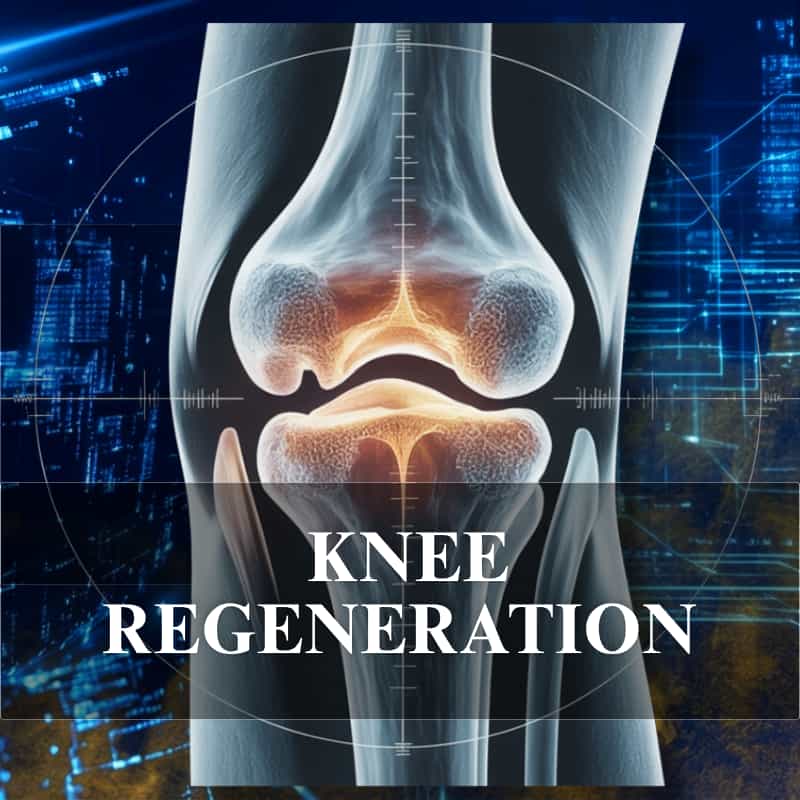
A massive shift in medical travel is driving patients to Stem Cell Therapy for Knees in Osaka. Moving past traditional hubs, patients now choose Japan's advanced regenerative orthopedics for non-surgical joint healing, driven by strict safety standards and unprecedented mobility outcomes.
The Global Shift from Bangkok to Osaka for Joint Regeneration
For over a decade, Southeast Asia, particularly Bangkok, held the undisputed crown for affordable medical tourism. Millions of international patients flocked to Thailand for highly commercialized orthopedic procedures, primarily traditional joint replacement surgeries. However, the medical landscape is experiencing a profound paradigm shift. A rapidly growing demographic of health-conscious patients—ranging from aging baby boomers to high-performance athletes—are actively rejecting the notion of having their natural bone sawed off and replaced with titanium and plastic components. Instead, they are aggressively seeking out Regenerative Orthopedic Care in Japan, demanding biological preservation over mechanical replacement.
This shift in consumer demand has propelled Osaka to the forefront of global cellular medicine. Unlike Bangkok’s volume-driven surgical centers, Osaka has quietly and meticulously transformed into the world's premier sanctuary for orthobiologics. The city's medical infrastructure is heavily subsidized by robust biotech investments, focusing entirely on utilizing the body's autologous (self-derived) healing mechanisms to regenerate degraded cartilage, reduce joint inflammation, and restore natural synovial fluid. By prioritizing long-term biological function over quick surgical fixes, Osaka is effectively capturing the elite tier of medical tourists who demand the absolute highest efficacy rates in modern cellular therapies.
Did You Know? The global market for regenerative medicine is expanding exponentially, but Japan accounts for a massive percentage of successful autologous stem cell applications. Over 65% of international patients seeking advanced joint therapies in Asia are now bypassing traditional surgical hubs in favor of Japan's strictly regulated, pharmaceutical-grade cellular laboratories.
Decoding Japan's Unmatched Stem Cell Regulatory Framework
The primary catalyst driving patients away from other Asian destinations and toward Osaka is the profound difference in governmental regulation. In many popular medical tourism hubs, stem cell treatments exist in a precarious regulatory gray area. Clinics frequently operate with minimal oversight, leading to massive inconsistencies in cell viability, sterile processing, and ultimate clinical outcomes. Patients traveling to these less-regulated markets often pay for treatments that utilize "dead" cells or generic amniotic products that offer little to no actual regenerative potential for advanced osteoarthritis.
Conversely, the Japanese government has enacted some of the most rigorous, progressive, and meticulously enforced laws regarding regenerative medicine on the planet. Any medical facility in Japan offering Stem Cell Therapy for Knees must undergo exhaustive audits by the Ministry of Health, Labour and Welfare. The cellular culturing facilities (CPCs) are required to meet the exact same hyper-sterile safety standards as major pharmaceutical manufacturing plants. This guarantees that the mesenchymal stem cells (MSCs) extracted from a patient are multiplied into the millions within a perfectly controlled, contamination-free environment, yielding a therapeutic product of unmatched potency and absolute safety.
The Anatomy of a Premium Knee Regeneration Package in Osaka
To cater to an affluent, outcomes-driven international clientele, top-tier medical facilities in Osaka have perfected the delivery of comprehensive regenerative packages. These are not simple, walk-in injection clinics; they are highly orchestrated medical journeys designed to maximize cellular engraftment and cartilage repair. When booking through verified global medical platforms, international patients can expect their Japanese orthopedic experience to include a multitude of premium services:
- Advanced 3D Joint Diagnostics: Utilizing high-resolution MRI and dynamic ultrasound to precisely map the exact areas of cartilage degradation and structural instability within the knee joint.
- Painless Adipose Tissue Extraction: A minimally invasive, highly comfortable mini-liposuction procedure performed under local anesthesia to harvest millions of robust, dormant stem cells from the patient's abdominal fat.
- Pharmaceutical-Grade Cell Culturing: Extracted cells are sent to government-approved CPC laboratories where they are cultivated over several weeks, expanding the cell count from mere thousands to up to 100 million highly active mesenchymal stem cells.
- Image-Guided Precision Implantation: Board-certified orthopedic specialists use real-time fluoroscopy or advanced ultrasound to inject the multiplied cells directly into the micro-fissures of the damaged cartilage, ensuring absolute accuracy.
- Biomedical Concierge Support: Complete logistical management including dedicated bilingual medical translators, VIP airport transfers, and post-treatment monitoring to guarantee a seamless, stress-free recovery process.
Stem Cell Therapy for Knees in Osaka vs. Bangkok: A Cost Analysis
When evaluating the financial logistics of traveling for medical care, patients must look beyond the initial sticker price and analyze the total value proposition. Historically, patients chose Thailand strictly for aggressive cost-cutting. While Bangkok clinics may advertise lower baseline prices for "stem cell injections," these treatments frequently rely on uncultured, low-yield cell concentrates (like basic PRP or BMAC) processed in same-day, unregulated back-room centrifuges. The resulting efficacy is often fleeting, forcing the patient to return for multiple costly rounds of treatment or eventually succumb to surgery anyway.
Osaka presents a vastly superior economic model for patients seeking a permanent Alternative to Knee Replacement Surgery in Japan. While the initial investment in Japanese regenerative care is higher, it includes the monumental cost of multi-week, pharmaceutical-grade laboratory cell expansion. By delivering a payload of up to 100 million purely viable, heavily concentrated MSCs, Japanese clinics drastically enhance the probability of long-term tissue regeneration. This singular, highly potent intervention fundamentally eliminates the hidden costs of repeat international travel, ongoing pain management, and the devastating financial impact of eventual surgical rehabilitation.
Technological Innovations Driving Osaka's Orthopedic Dominance
At the very core of Japan's astonishing success rates is its relentless, unyielding pursuit of biomedical perfection. Japanese laboratories have pioneered proprietary enzymatic isolation and 3D cell culturing techniques that dramatically outperform Western and Southeast Asian methodologies. Rather than simply injecting a rudimentary biological soup into a damaged knee, scientists in Osaka are able to meticulously screen stem cells, isolating only the most robust and highly proliferative populations. These elite cells are then bathed in proprietary growth factors, creating a hyper-concentrated biological therapeutic capable of differentiating into fresh chondrocytes (cartilage cells) upon injection.
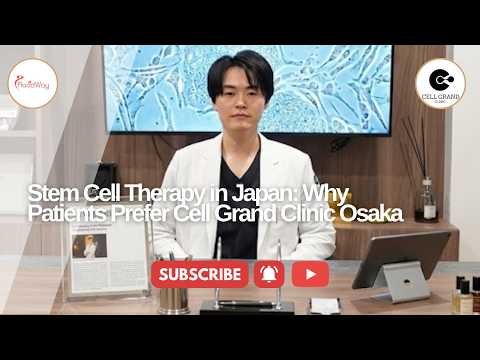
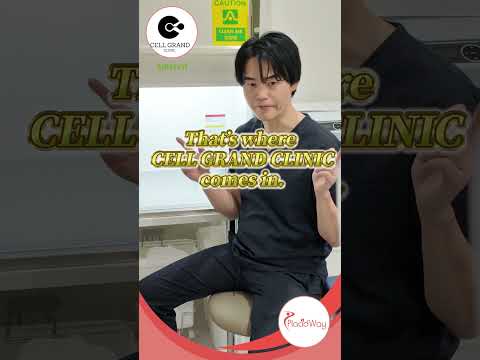
Leading this technological charge is the highly sought-after Cell Grand Clinic in Osaka, Japan, widely regarded as a beacon of excellence in the international medical community. Recognized globally for its cutting-edge therapies, this premier facility perfectly exemplifies why discerning patients trust Japanese precision. By seamlessly combining state-of-the-art diagnostic imaging, world-class laboratory partnerships, and incredibly precise injection protocols, they offer an unparalleled pathway to regenerating damaged cartilage and restoring profound joint function without ever resorting to the trauma of the surgical knife.
"We are observing a massive, permanent shift in how patients approach joint health. The modern medical traveler is highly educated; they no longer want to travel abroad just for cheaper surgeries that remove their natural anatomy. They are actively seeking the pinnacle of biomedical science. Osaka has strategically positioned itself as the undisputed leader in this space, offering heavily regulated, technologically advanced cellular therapies that are simply years ahead of what is available in conventional medical tourism hubs."
— Pramod Goel, CEO of PlacidWay
Why International Patients Refuse Invasive Knee Replacement Surgery
Total Knee Arthroplasty (TKA) has long been positioned as the default, inevitable recommendation for severe osteoarthritis within the Western medical establishment. However, an increasing number of patients are vehemently pushing back against this archaic narrative. Knee replacement is an inherently violent procedure: it requires sawing off the ends of the femur and tibia, removing the natural meniscus entirely, and cementing heavy metal prosthetics into the bone marrow cavity. The aftermath involves a grueling, months-long physical therapy regimen, massive risks of post-operative deep vein thrombosis (blood clots), and the terrifying threat of deep-joint infections.
Furthermore, artificial joints are not a permanent cure; they possess a finite lifespan. Younger, active patients who receive a metal knee will inevitably face highly complex, highly dangerous "revision" surgeries a decade later when the initial implant loosens or fails. Regenerative orthopedics in Osaka offers a profound, elegantly biological alternative. By deploying massive quantities of autologous mesenchymal stem cells to halt inflammation and trigger genuine tissue repair, patients bypass the trauma of the scalpel altogether. They eliminate the risk of implant rejection, preserve their natural joint biomechanics, and maintain full proprioception (the natural feeling of the knee), fundamentally changing the trajectory of their physical aging.
Did You Know? Clinical data suggests that mesenchymal stem cells not only physically rebuild degraded cartilage matrix, but they also act as powerful immunomodulators. This means the injected cells actively "communicate" with the surrounding knee tissue to permanently shut down the toxic, chronic inflammation that causes osteoarthritis pain in the first place.
The Strategic Role of PlacidWay in Navigating Regenerative Care
While the clinical benefits of traveling to Japan for cutting-edge cellular therapy are mathematically and scientifically undeniable, the logistics of navigating a foreign healthcare system can be deeply intimidating. The internet is flooded with sophisticated marketing campaigns and unverified clinics claiming to offer "stem cell miracles." For an international patient, attempting to independently verify Japanese government compliance, translate complex cellular laboratory reports, and negotiate transparent pricing is a massive, stressful undertaking. This severe information asymmetry is exactly where professional medical tourism facilitation becomes absolutely critical.
Acting as an elite, independent medical connector, PlacidWay curates an exclusive network of heavily vetted, legally certified regenerative medicine providers in Japan. PlacidWay strips away the confusion of international medical travel, allowing patients to seamlessly review transparent treatment packages, analyze independently verified clinical success rates, and coordinate direct virtual consultations with leading Japanese orthopedic researchers. By managing the complexities of credential verification, linguistic barriers, and logistical planning, PlacidWay ensures patients can focus 100% of their energy on joint recovery and securing their ultimate physical transformation.
What to Expect During Your Orthopedic Recovery in Japan
The recovery phase from advanced cellular joint therapy in Japan stands in stark, beautiful contrast to the agonizing rehabilitation associated with traditional orthopedic surgery. Because there are no large incisions, no bone resections, and no heavy general anesthesia required during the stem cell implantation, the immediate physical toll is remarkably minimal. In fact, the vast majority of patients are able to bear weight and walk out of the Osaka clinic on the very same day of their injection. While patients are advised to avoid high-impact sports immediately, they are actively encouraged to engage in light, mobility-enhancing walking to stimulate blood flow and aid cellular engraftment.
This rapid, minimally invasive recovery transforms the medical journey from a stressful hospital stay into a deeply rejuvenating wellness retreat. Osaka, known as the cultural and culinary heart of Japan, provides a serene backdrop for healing. Rather than lying in a clinical bed heavily medicated on opioids, recovering patients can safely explore meticulously manicured Japanese gardens, soak in the ambient tranquility of the city, and enjoy a profoundly nutrient-dense traditional diet that actively supports systemic cellular repair. This holistic fusion of elite biotechnology and unmatched cultural hospitality cements Osaka's reputation as the ultimate destination for global joint regeneration.


.png)

.png)

.png)
.png)

-(6).png)
-1.png)
.png)










Share this listing