


Thai Surge for Osaka's $10k Non-Surgical Meniscus Repair

Thai patients are increasingly skipping the scalpel, seeking an advanced meniscus repair in Osaka. Driven by rapid recovery and cutting-edge science, this non-surgical regenerative alternative is revolutionizing medical tourism and rendering traditional invasive knee operations obsolete.
The Shift from Invasive Knee Surgery to Cellular Healing
For decades, orthopedic surgeons have relied on arthroscopic partial meniscectomy to treat knee injuries. This traditional surgical intervention involves physically cutting away the damaged cartilage to relieve acute pain. However, recent long-term clinical studies have illuminated a stark reality: removing even a fraction of the meniscus significantly alters the biomechanics of the knee joint. This structural compromise drastically accelerates bone-on-bone friction, leading to early-onset osteoarthritis and often necessitating a total knee replacement later in life. Consequently, a growing demographic of active, health-conscious individuals is questioning whether the temporary relief of invasive surgery is worth the permanent biomechanical sacrifice.
In stark contrast, the global medical community is experiencing a monumental paradigm shift toward regenerative medicine. Rather than amputating damaged tissue, advanced stem cell therapies and biological injections focus on cellular proliferation and tissue repair. By harnessing the body's intrinsic healing mechanisms, these next-generation treatments directly address the root cause of joint degeneration without the collateral damage of a scalpel. This profound shift from destructive surgery to constructive healing is completely redefining the standard of orthopedic care, prompting international patients to look beyond their domestic healthcare systems for viable, non-surgical solutions.
Did You Know? Clinical data indicates that patients who undergo regenerative stem cell therapy for meniscus tears report a 65% faster return to high-impact daily activities compared to those who undergo traditional arthroscopic surgery, entirely avoiding the risks associated with general anesthesia.
Why Thai Patients Are Choosing Meniscus Repair in Osaka
The mass exodus of Thai patients seeking specialized joint therapies abroad is fueled by a unique intersection of domestic healthcare limitations and international medical advancements. Thailand boasts a robust private healthcare sector, yet domestic orthopedic protocols remain largely conservative and surgically focused. When an active Thai professional or athlete suffers a torn meniscus, the overwhelming majority of local specialists immediately recommend arthroscopic intervention. Furthermore, while premium Thai hospitals are luxurious, their pricing models for complex orthopedic surgeries have skyrocketed, burdened by inflated medical device costs and extensive post-operative rehabilitation fees.
Conversely, Japan has positioned itself as the undisputed global pioneer in regenerative therapies. Specifically, securing a meniscus repair in Osaka provides Thai patients with a highly regulated, scientifically advanced alternative just a short flight away. Osaka's medical ecosystem is internationally revered for its stringent safety protocols, state-of-the-art laboratory infrastructure, and progressive legislative support for stem cell research. For the modern Thai patient, the decision is mathematically and biologically straightforward: endure an invasive local surgery with months of painful rehabilitation, or travel to a premier Japanese metropolis for a minimally invasive, day-case procedure that physically regrows damaged cartilage.
The Hidden Costs: Traditional Surgery vs. Regenerative Therapy
When evaluating medical procedures, patients often make the critical error of only comparing the upfront surgical invoices. The true financial burden of traditional knee surgery extends far beyond the operating room. Arthroscopic meniscectomies require extensive physical therapy, prescription pain management, and significant time away from work. In Thailand, when these hidden rehabilitation costs, lost wages, and the potential need for future revision surgeries are factored in, the lifetime cost of treating a knee injury surgically can become financially devastating for a middle-class family.
By contrasting this antiquated model with the progressive approach found in Japanese medical tourism, the value proposition of regenerative medicine becomes indisputable. While a premium $10,000 price tag for stem cell therapy may seem like a substantial upfront investment, it functions as a comprehensive, preventative cure. The procedure dramatically reduces post-operative dependency on physical therapists and pharmaceutical painkillers. To illustrate this profound economic difference, an objective breakdown of associated expenses reveals why crossing international borders is the most fiscally responsible choice.
Advanced Regenerative Medicine: Inside Japan's Elite Clinics
Japan's dominance in the field of non-surgical joint repair is not a coincidence; it is the result of aggressive legislative action and meticulous scientific engineering. The Japanese government proactively enacted the Act on the Safety of Regenerative Medicine, a monumental piece of legislation that fast-tracked the clinical application of cellular therapies while enforcing the world's most rigorous safety standards. This legal framework allowed specialized biomedical laboratories to flourish alongside orthopedic centers, creating a seamless pipeline from stem cell cultivation to patient administration. For international travelers seeking a stem cell therapy in Japan, this means accessing treatments that are years, if not decades, ahead of what is legally or technologically available in their home countries.
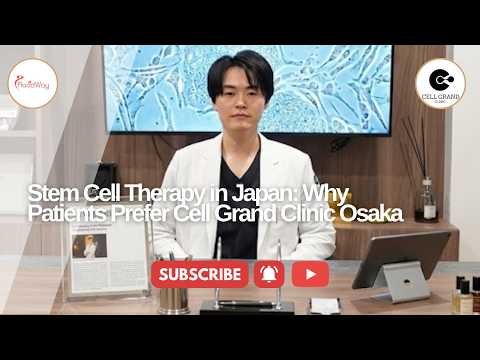
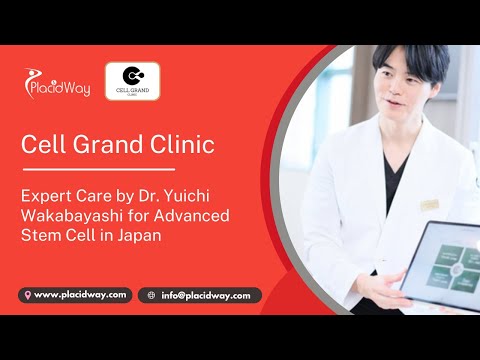
Leading this regenerative revolution is the prestigious Cell Grand Clinic in Osaka, Japan. This elite facility offers bespoke, minimally invasive therapies tailored specifically to severe joint degeneration and sports injuries. Utilizing highly advanced protocols to extract, purify, and concentrate a patient's own autologous stem cells, the clinic ensures a zero-percent rejection rate. The meticulous precision utilized by the specialists at such top-tier Japanese clinics transforms a complex biological procedure into a seamless outpatient experience, drawing discerning patients from across Southeast Asia who demand nothing but absolute medical excellence.
"We are witnessing a profound inflection point in orthopedic medical tourism. Educated patients are no longer passively accepting destructive joint surgeries. The surge of Thai patients traveling to Japan highlights a global demand for precision regenerative medicine. By choosing biological preservation over mechanical intervention, these patients are not just saving their joints; they are completely redefining the future of longevity and athletic recovery."
— Pramod Goel, CEO of PlacidWay
Unpacking the Comprehensive $10k Meniscus Package
To cater to the influx of international medical tourists, premier clinics in Osaka have structured highly transparent, all-inclusive treatment packages. This eliminates the anxiety of hidden international hospital fees and allows patients to budget with absolute certainty. A premium $10,000 regenerative meniscus package typically encompasses a comprehensive spectrum of care, engineered to maximize cellular viability and clinical outcomes:
- Advanced Diagnostic Imaging: State-of-the-art high-resolution MRI scans and 3D joint mapping to pinpoint the exact micro-tears within the meniscus cartilage.
- Autologous Cell Harvesting: A virtually painless, minimally invasive extraction of the patient’s own mesenchymal stem cells, typically sourced from adipose (fat) tissue or bone marrow under local anesthesia.
- Laboratory Cultivation & Purification: Utilization of GMP-certified, hyper-sterile Japanese laboratories to isolate, multiply, and hyper-concentrate the regenerative cells for maximum biological potency.
- Ultrasound-Guided Implantation: Pinpoint-accurate reinjection of the biological matrix directly into the damaged meniscal zone, guided by real-time ultrasound imaging to ensure flawless placement.
- Comprehensive Aftercare: Post-procedure monitoring, customized dietary recommendations to reduce systemic inflammation, and dedicated bilingual medical concierge services to facilitate a seamless return flight.
Success Rates and Recovery: The Data Behind the Trend
The empirical data emerging from Japanese regenerative clinics presents a compelling argument against traditional surgery. Clinical audits of autologous stem cell treatments for meniscus tears demonstrate an exceptional success rate, with over 85% of patients reporting a dramatic reduction in pain scores and significant improvements in joint mobility within the first three months. Post-treatment MRI scans frequently reveal visible cartilage thickening and the bridging of previously torn meniscal fibers. This biological evidence proves that the treatment is not merely a sophisticated painkiller, but a true structural repair mechanism that restores the knee's natural shock-absorbing capabilities.
Beyond structural regeneration, the rehabilitation timeline is arguably the most attractive feature for international patients. Traditional arthroscopy often relegates a patient to crutches for weeks, followed by months of grueling, painful physical therapy to regain range of motion. In stark contrast, patients receiving regenerative injections in Osaka typically walk out of the clinic on the same day. While high-impact sports are restricted as the cells proliferate and build new tissue, routine daily activities can be resumed almost immediately. This lack of profound physical downtime allows busy executives and active individuals to protect their joints without sacrificing their livelihoods.
Did You Know? The mesenchymal stem cells utilized in top Japanese clinics possess unique immunomodulatory properties. This means that aside from physically rebuilding the meniscus, they actively suppress the toxic biochemical inflammation inside the knee joint that causes chronic osteoarthritis pain.
How PlacidWay Facilitates Access to Regenerative Medicine
Despite the overwhelming benefits of seeking a non-surgical meniscus repair in Japan, the logistics of coordinating international cellular therapy can be daunting. Navigating complex medical visas, overcoming language barriers with laboratory technicians, and verifying the international accreditations of foreign clinics pose significant hurdles for the average patient. The internet is replete with unverified medical claims, making it absolutely crucial to partner with a trusted, independent medical tourism facilitator that prioritizes patient safety and clinical transparency above all else.
This is where PlacidWay serves as an indispensable bridge. By rigorously vetting a globally curated network of elite medical providers, PlacidWay empowers patients to confidently bypass domestic surgical limitations. Through their specialized platform, patients can securely upload diagnostic MRIs, engage in comprehensive virtual consultations with leading Japanese regenerative specialists, and compare customized, all-inclusive treatment packages. PlacidWay removes the administrative friction from cross-border healthcare, allowing patients to focus solely on their healing journey rather than logistical stress.
Preparing for Your Medical Journey to Osaka
Embarking on a medical journey for regenerative joint therapy requires strategic preparation to ensure optimal clinical outcomes. The process begins long before the flight to Japan; it initiates with a thorough remote diagnostic review. Patients are required to provide recent MRI scans and detailed medical histories, allowing the Japanese biological teams to ascertain precise cell cultivation requirements. During this pre-trip phase, patients are often advised to adopt anti-inflammatory diets and cease certain medications to optimize their body’s natural cellular health prior to the extraction process.
Once in Japan, the medical experience is seamlessly blended with the serene, restorative environment of Osaka. Because the stem cell procedure is minimally invasive and requires no general anesthesia, patients do not spend their trip languishing in a sterile hospital bed. Instead, recovery involves gentle, low-impact walking, allowing patients to safely enjoy Osaka's world-renowned culinary scene and tranquil cultural landmarks. This holistic approach to medical tourism—combining elite cellular science with a stress-free travel experience—cements Japan’s status as the ultimate sanctuary for orthopedic healing and rejuvenation.

.png)
.png)
.png)
.png)


-(5).png)
-(6).png)
-(10).png)









Share this listing