


Singaporeans Escape Spine Surgery with Osaka Stem Cells

Facing high costs and long recoveries, Singaporeans are abandoning traditional spinal fusion for Stem Cell Therapy for Back Pain in Osaka. This regenerative tourism surge highlights a massive shift toward non-invasive, fast-healing orthopedic alternatives abroad.
The High Cost and Risks of Traditional Spine Surgery in Singapore
For decades, patients suffering from chronic back pain, degenerative disc disease, and severe osteoarthritis have been funneled into a highly standardized, surgical treatment pipeline. In major financial hubs like Singapore, the fast-paced lifestyle demands immediate solutions, yet the traditional orthopedic approach often falls short. Procedures such as spinal fusion, laminectomy, and discectomy are inherently invasive. They require the mechanical alteration of the human spine, involving screws, rods, and the permanent removal of bone or tissue. While sometimes necessary for acute trauma, these invasive surgeries carry profound risks, including extended rehabilitation periods, significant post-operative pain, and a highly documented risk of hardware failure or infection.
Beyond the physical toll, the economic and professional impact of domestic spine surgery is staggering. In Singapore’s premium private healthcare sector, complex spinal procedures come with exorbitant price tags and require patients to step away from their careers for three to six months for adequate rehabilitation. Furthermore, a substantial percentage of surgical patients eventually develop Failed Back Surgery Syndrome (FBSS), a devastating condition where chronic pain persists or worsens despite surgical intervention. Faced with the daunting prospect of permanent mobility restriction and overwhelming medical invoices, a growing demographic of informed Singaporean professionals is actively seeking a viable Alternative to Spine Surgery in Japan.
Did You Know? Clinical data indicates that up to 40% of patients who undergo traditional open spine surgery experience Failed Back Surgery Syndrome (FBSS). This high statistical probability of persistent pain is a primary driver pushing international patients toward biological and regenerative orthopedic solutions instead of mechanical hardware interventions.
How Stem Cell Therapy for Back Pain in Osaka is Changing Orthopedics
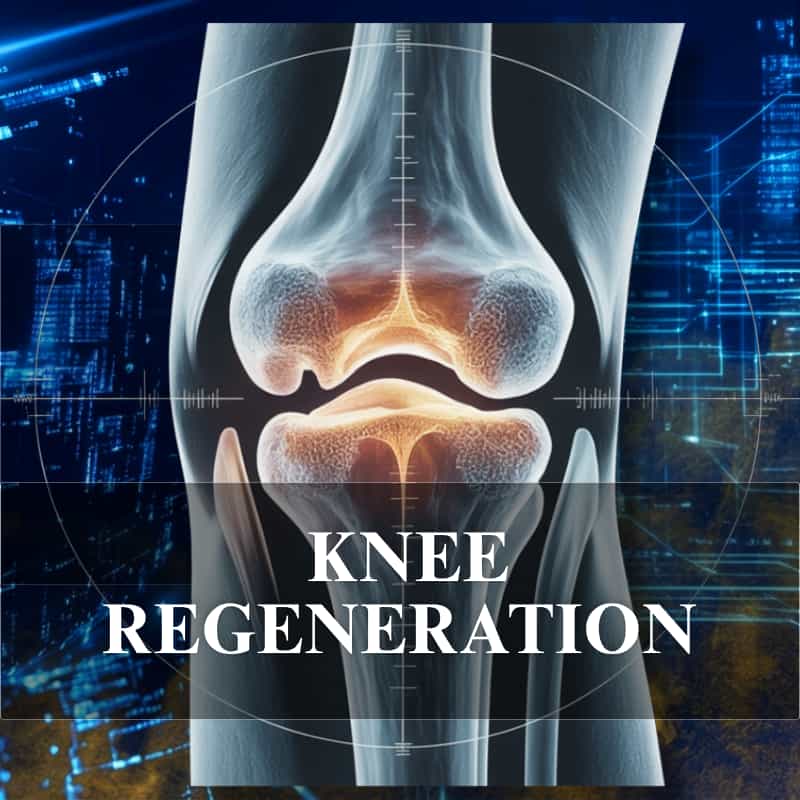
The paradigm of orthopedic care is undergoing a profound biological revolution, transitioning from mechanical repair to cellular regeneration. At the heart of this shift is the utilization of Mesenchymal Stem Cells (MSCs). Unlike traditional surgery, which merely stabilizes a deteriorating spine by fusing vertebrae together, regenerative medicine aims to heal the underlying tissue damage. When high-density, cultured stem cells are introduced to a damaged intervertebral disc or an inflamed spinal joint, they act as powerful anti-inflammatory agents. They modulate the body’s immune response and release vital growth factors that stimulate the repair of damaged cartilage, nerve tissues, and spinal discs from the inside out.
Osaka has rapidly positioned itself as a global epicenter for these advanced biological treatments. Patients pursuing Stem Cell Therapy for Back Pain in Osaka are experiencing unprecedented outcomes without a single scalpel touching their spine. The therapy focuses on utilizing the patient's own biological material—typically harvested via a minimally invasive liposuction procedure from abdominal fat. These adipose-derived stem cells are incredibly robust and have a high multi-lineage differentiation potential. By targeting the root cause of spinal degradation rather than simply masking the pain or locking the spine in place, specialized clinics in Japan are allowing patients to regain their flexibility, eliminate chronic nerve pain, and return to their active lifestyles in a fraction of the time required by traditional surgery.
Why Osaka, Japan is the Premier Hub for Non-Invasive Orthopedic Solutions
The massive influx of medical tourists from Southeast Asia to Japan is not a coincidence; it is a calculated pursuit of medical excellence. Singaporeans, accustomed to world-class healthcare standards domestically, demand an equivalent or superior level of care when traveling abroad. Osaka perfectly bridges this gap, offering an impeccable fusion of hyper-advanced medical technology, deep-rooted cultural hospitality (Omotenashi), and highly favorable geographic proximity. With direct, short-haul flights connecting Singapore to the Kansai region, patients can bypass the grueling jet lag associated with traveling to the United States or Europe for similar regenerative treatments.
At the forefront of this medical revolution are elite, government-approved facilities providing cutting-edge care. Notably, Cell Grand Clinic in Osaka, Japan has emerged as a preferred destination for international patients seeking to bypass invasive spinal procedures. Such specialized clinics combine state-of-the-art cell processing centers with world-renowned orthopedic specialists who have dedicated their careers to non-surgical joint and spine restoration. By operating within one of the most technologically advanced medical ecosystems on the planet, these clinics provide Singaporean patients with highly customized, VIP-level cellular therapies that simply are not available or legally approved for commercial use in many other jurisdictions.
Inside the Treatment: Understanding Regenerative Medicine in Osaka
For international patients exploring an Orthopedic Stem Cell Clinic in Japan, understanding the clinical protocol is essential for alleviating medical anxiety. The journey is meticulously structured to prioritize patient safety, cellular viability, and maximum therapeutic efficacy. Unlike major surgeries that require general anesthesia and critical care observation, this regenerative process is remarkably streamlined. The typical protocol for international patients encompasses the following pivotal stages:
- Advanced Diagnostic Profiling: Before any biological material is extracted, patients undergo high-definition MRI scans and comprehensive biomarker testing to precisely map spinal degradation and identify the exact injection targets.
- Minimally Invasive Harvesting: A highly specialized physician extracts a small volume of adipose (fat) tissue, usually from the patient’s abdomen, utilizing a gentle, local anesthesia procedure that takes less than an hour.
- Elite Cellular Cultivation: The harvested tissue is transported to an ultra-sterile, government-certified laboratory where the mesenchymal stem cells are isolated and cultivated over several weeks to reach therapeutic millions, ensuring maximum potency.
- Image-Guided Administration: Once optimally expanded, the super-concentrated stem cells are precisely injected directly into the damaged intervertebral discs or facet joints using advanced fluoroscopic guidance, ensuring absolute accuracy.
- Outpatient Observation and Wellness: The injection phase requires zero hospital admission. Patients rest for a few hours in a luxury recovery suite before being discharged to enjoy the remainder of their time in Japan.
Comparing the Financials: Spine Surgery vs. Stem Cell Therapy
When evaluating healthcare alternatives, the economic contrast between domestic surgical intervention and international regenerative medicine is highly compelling. In Singapore, private hospital fees, surgeon honorariums, prolonged anesthesia, and complex metallic hardware collectively drive the cost of a multi-level spinal fusion to astronomical heights. Furthermore, patients must calculate the hidden costs of their rehabilitation: physical therapy sessions, post-operative medications, and the profound economic loss resulting from months of workplace absence.
In sharp contrast, Non-Invasive Spine Solutions in Osaka represent a streamlined, predictable financial investment. Because the therapy is an outpatient procedure, patients entirely bypass expensive overnight hospital stays and intensive care unit fees. The transparent, all-inclusive pricing models offered by elite Japanese clinics cover the comprehensive continuum of care—from cellular harvesting to final administration. The table below illustrates the stark differences in both financial outlay and recovery timelines, making it clear why medical tourism to Japan is soaring.
The Advanced Clinical Landscape and Regulatory Excellence of Japan
The primary concern for any patient traveling abroad for medical care is the safety and oversight of the host nation. In this regard, Japan stands in an undisputed league of its own. The Japanese government proactively recognized the immense potential of cellular biology and subsequently implemented the groundbreaking Act on the Safety of Regenerative Medicine (ASRM). This stringent legal framework was designed exclusively to fast-track the clinical application of safe, proven stem cell therapies while simultaneously establishing the most rigorous regulatory oversight parameters in the global healthcare market.
Under these national laws, any facility offering Regenerative Medicine for Spine in Japan must undergo intense governmental scrutiny. Laboratories must adhere to clean-room standards that rival those of high-tech semiconductor manufacturing, and specialized physicians must possess distinct governmental licenses to practice regenerative medicine. This zero-tolerance policy for sub-standard care guarantees that international patients from Singapore and beyond receive therapies that are not only highly effective but fundamentally secure. The peace of mind provided by Japan’s strict medical governance is a pivotal factor driving the continuous growth of this specialized medical tourism sector.
Did You Know? Japan is one of the only countries in the world with a dedicated national legal framework specifically designed for regenerative medicine. This unique legislation allows specialized Japanese clinics to legally cultivate and multiply a patient's stem cells into the tens of millions before re-injection—a critical step for therapeutic success that is heavily restricted in many other Western and Asian nations.
The Strategic Role of PlacidWay in Navigating Medical Tourism in Japan
While the advantages of traveling to Osaka for orthopedic regeneration are abundant, navigating a foreign healthcare system—especially one separated by language barriers—can be a daunting endeavor for a patient already suffering from chronic pain. Coordinating international medical records, securing translation services, verifying clinic credentials, and organizing seamless logistics require expert facilitation. This complex landscape is exactly where specialized medical tourism platforms become indispensable to the modern patient journey, transforming a stressful medical trip into a highly orchestrated wellness experience.
PlacidWay serves as the premier bridge between global patients and Japan’s elite medical infrastructure. By partnering strictly with fully accredited, government-licensed facilities, PlacidWay removes the guesswork from international healthcare. Patients can utilize the platform to securely share their MRI scans, obtain initial medical opinions from top Japanese orthopedic specialists, and compare transparent treatment packages before ever boarding a flight. This level of dedicated advocacy ensures that Singaporean professionals can focus entirely on their healing, knowing the logistical intricacies are being managed by industry experts.
"The modern healthcare consumer is shifting away from invasive, irreversible surgeries in favor of biological healing. Japan has established the global gold standard for regenerative medicine, and we are witnessing a massive influx of patients from Singapore seeking these advanced, regulated stem cell therapies in Osaka to reclaim their mobility without the profound risks associated with traditional spinal operations."
— Pramod Goel, CEO of PlacidWay
What Singaporean Patients Can Expect During Recovery in Osaka
The post-treatment phase of regenerative orthopedics is perhaps the most astonishing difference when compared to traditional surgery. Instead of being confined to a hospital bed with drainage tubes and high-dose intravenous pain medications, patients undergoing stem cell joint injections experience true outpatient freedom. Following the targeted administration of their cultivated cells, patients are typically advised to take it easy for just a 24-to-48-hour window, managing any minor localized injection discomfort with basic, over-the-counter anti-inflammatories.
Because they are fully ambulatory, many international patients seamlessly blend their medical recovery with high-end wellness tourism. Osaka is globally celebrated for its serene botanical gardens, exceptional culinary landscape, and restorative hot springs (onsen) located just outside the city center. Patients often utilize their post-treatment days to gently walk and explore this culturally rich environment, naturally promoting blood flow which aids the cellular healing process. When it is time to return to Singapore, they board their flights not as fragile, post-operative surgical cases, but as energized individuals embarking on a new, pain-free chapter of life, deeply satisfied with their decision to pursue regenerative excellence in Japan.



.png)
.png)
.png)
.png)


-(5).png)
-(10).png)
.png)










Share this listing