


Canadians Escape Waitlists for Nerve Care in Colombia

Facing agonizing delays, Canadians are increasingly traveling for peripheral nerve care in Colombia. Bypassing overwhelmed domestic healthcare, patients find immediate, advanced treatments, ending years of pain through affordable medical tourism.
The Canadian Healthcare Crisis: Why Wait Times Are Breaking Patients
The universal healthcare model in Canada is currently facing unprecedented structural challenges, particularly concerning specialized neurological treatments. For patients suffering from peripheral neuropathy, nerve entrapments, or complex nerve injuries, the domestic triage system often categorizes their agonizing conditions as "elective" or "non-life-threatening." Consequently, patients are routinely subjected to staggering waitlists simply to secure an initial consultation with a specialized neurologist or neurosurgeon. Following that initial assessment, the queue for diagnostic imaging—such as specialized electromyography (EMG) or high-resolution magnetic resonance neurography—can add several more months of delay before any surgical or regenerative intervention is even scheduled.
This prolonged waiting period carries devastating physical, psychological, and economic consequences. Peripheral nerve damage is notoriously time-sensitive; prolonged compression or degeneration can lead to irreversible motor function loss and permanent sensory deficits. While waiting in the Canadian system, patients frequently experience a severe deterioration in their quality of life, leading to lost wages, disability, and a dangerous reliance on heavy prescription opioids to manage debilitating neuropathic pain. Faced with the terrifying prospect of permanent nerve death, a rapidly growing demographic of Canadians is refusing to remain passive victims of systemic backlogs.
Did You Know? Recent health policy reports indicate that Canadians can wait an average of over 27 weeks to receive treatment from a specialist after referral by a general practitioner, with neurosurgical procedures frequently experiencing some of the longest delays in the entire medical system.
The Surge of Medical Tourism for Peripheral Nerve Care in Colombia
As the domestic healthcare crisis deepens, South America has emerged as a premier destination for urgent neurological intervention. Specifically, the demand for peripheral nerve care in Colombia has skyrocketed among North American medical tourists. Colombia has meticulously cultivated a reputation as a global hub for complex medical procedures, investing heavily in advanced medical infrastructure, specialized surgical training, and cutting-edge medical technologies. Situated geographically close to North America with numerous direct flights from major Canadian hubs, Colombia offers an accessible, highly sophisticated alternative to the waiting game.
What draws Canadians to this vibrant nation is not merely the speed of access, but the elite caliber of the medical professionals. Colombian neurosurgeons and microsurgical specialists are globally recognized for their expertise in peripheral nerve reconstruction. Operating in high-tech, internationally accredited facilities in cities like Bogota and Medellin, these specialists offer immediate availability. A process that takes years in Canada—from initial referral to diagnostic imaging to the operating room—can be seamlessly completed within a matter of days in Colombia, effectively halting nerve degradation in its tracks.
Comprehensive and Cutting-Edge Neurological Treatments Abroad
International medical travelers arriving in Colombia are immediately introduced to a standard of care that frequently surpasses their domestic experiences. The clinical approach is highly interdisciplinary, meaning that a patient will be concurrently evaluated by neurosurgeons, pain management specialists, and specialized physical therapists. This collaborative environment ensures that diagnoses are rapid and exceptionally precise, utilizing advanced diagnostic ultrasound and neurophysiological mapping to pinpoint the exact location and severity of nerve damage.
Once diagnosed, patients have immediate access to a vast spectrum of advanced peripheral nerve treatments. These highly specialized protocols are designed to restore function, eliminate pain, and promote cellular regeneration:
- Minimally Invasive Nerve Decompression: Advanced endoscopic techniques are utilized to release entrapped nerves (such as in severe carpal tunnel, cubital tunnel, or tarsal tunnel syndromes), resulting in tiny incisions, reduced scarring, and rapid recovery times.
- Microsurgical Nerve Grafting and Transfers: For severely damaged or severed nerves, specialized surgeons perform microscopic reconstructive procedures, utilizing healthy donor nerves to bypass damaged sections and restore critical motor function.
- Advanced Neuromodulation Therapy: The implantation of peripheral nerve stimulators directly interrupts pain signals before they reach the brain, offering a drug-free, highly effective solution for chronic, intractable neuropathic pain.
- Targeted Radiofrequency Ablation: Utilizing sophisticated imaging guidance, physicians apply precise thermal energy to specific pain-causing nerves, temporarily deactivating their ability to transmit pain signals and providing long-term relief.
- Comprehensive Neuro-Rehabilitation: Post-procedural care includes immediate, intensive physical therapy regimens utilizing robotic assistance and biofeedback to train regenerating nerves and accelerate the return of functional mobility.
"Canadians are increasingly realizing that healthcare delayed is healthcare denied. When facing progressive neurological deterioration, time is the most critical asset. By facilitating access to internationally accredited Colombian medical centers, we empower patients to reclaim their quality of life, bypassing systemic bottlenecks to receive world-class peripheral nerve care exactly when they need it most."
— Pramod Goel, CEO of PlacidWay
Cost Comparison: Hidden Domestic Losses vs. Transparent Colombian Pricing
A common misconception regarding Canadian healthcare is that because procedures are publicly funded, they carry no cost. However, the economic reality of waitlists paints a grim picture. The hidden costs of untreated nerve pain are astronomical. Patients routinely spend thousands of dollars out-of-pocket on private physical therapy, un-subsidized pain medications, holistic treatments, and private diagnostic MRI scans simply to expedite their place in the surgical queue. Furthermore, the loss of income due to long-term disability while awaiting surgery frequently dwarfs the actual cost of private medical care abroad.
In stark contrast, Colombian medical facilities operate on a model of absolute financial transparency. International patients are provided with comprehensive, all-inclusive packages prior to their departure. These packages bundle the surgical fees, specialized anesthesiology, hospital stays, diagnostic imaging, and even luxury ground transportation into one predictable sum. The lower cost of living and subsidized medical education in South America allows these world-class facilities to offer premium neurological treatments at a fraction of the cost of private North American clinics.
Stem Cell Therapy for Nerve Regeneration: A Paradigm Shift
Beyond traditional surgical intervention, Colombia has positioned itself at the absolute forefront of regenerative medicine, offering hope to patients suffering from degenerative neuropathies previously deemed incurable. Peripheral nerves possess a unique, albeit slow, capacity to heal themselves. However, conditions like diabetic neuropathy or severe traumatic crush injuries often overwhelm the body's natural healing mechanisms. By harnessing the potent immunomodulatory and regenerative properties of mesenchymal stem cells, Colombian specialists are actively rewriting the protocols for neurological recovery.
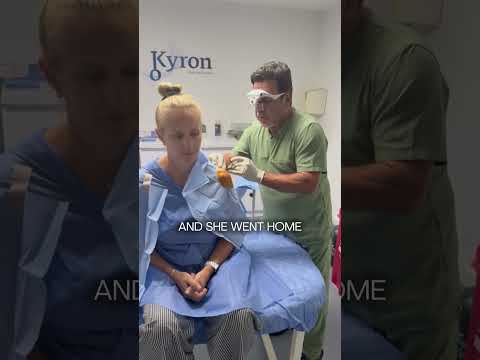
For patients seeking these advanced cellular interventions, internationally recognized facilities like Stem Cells Kyron Colombia have pioneered highly customized treatment protocols. By utilizing meticulously cultivated cellular therapies, these specialized clinics focus intensely on stimulating neurogenesis, repairing damaged myelin sheaths, and significantly reducing systemic inflammation around the affected nerve pathways. This paradigm shift in peripheral nerve care in Colombia allows international patients to access regenerative breakthroughs that remain heavily restricted or entirely unavailable within the Canadian public healthcare framework.
The Advanced Medical Infrastructure in Bogota and Medellin
The physical and technological landscape of major Colombian cities has been fundamentally transformed to cater to the influx of global health travelers. Bogota and Medellin, in particular, host sprawling "Free Trade Zones" exclusively dedicated to medical and wellness services. These are not merely clinics, but massive, interconnected medical ecosystems featuring hyper-modern hospital towers, specialized diagnostic laboratories, and dedicated neuro-rehabilitation centers all housed within secure, state-of-the-art complexes. The integration of technology in these centers rivals, and frequently exceeds, that of major North American metropolitan hospitals.
Beyond the operating room, the infrastructure is heavily optimized for patient comfort and recovery. International patients are enveloped in a concierge-level hospitality experience. Upon landing, bilingual patient coordinators manage all logistical hurdles, from fast-tracked airport transfers to checking patients into luxury recovery boutique hotels integrated directly with the medical facilities. This seamless environment eliminates the standard anxieties of international travel, allowing the patient to dedicate their entire focus toward physical healing and neurological rehabilitation.
Did You Know? The World Health Organization (WHO) consistently ranks Colombia's healthcare system above those of many developed Western nations, highlighting the country's exceptional commitment to medical innovation, patient safety, and rigorous healthcare standards.
Safety First: Unpacking Colombian Surgical Board Certification
A lingering hesitation for some Canadians considering medical travel is the misconception regarding the safety and regulation of international healthcare. In reality, the elite echelons of Colombian neurosurgery are governed by intensely rigorous academic and regulatory standards. Becoming a certified neurospecialist in Colombia requires over a decade of exhaustive medical education, intensive surgical residencies, and specialized fellowships. Furthermore, it is exceptionally common for top Colombian practitioners to complete advanced fellowships in the United States or Europe, bringing the most advanced global surgical techniques back to their home country.
Additionally, the major medical facilities catering to international patients hold prestigious global accreditations, such as from the Joint Commission International (JCI). These accreditations guarantee that the hospital adheres to the absolute strictest global standards regarding infection control, patient safety protocols, and ethical medical practices. Medical tourists are treated by highly fluent, bilingual medical teams who maintain meticulous surgical records, ensuring a seamless and safe transition of care when the patient eventually returns to Canada for long-term follow-up.
The Strategic Role of PlacidWay in Navigating Cross-Border Neurology
While the medical and financial advantages of seeking nerve care abroad are profound, attempting to navigate the expansive international healthcare market independently can be daunting. The digital landscape is saturated with self-promoted clinics, making it difficult for an individual patient to verify international medical credentials, authenticate patient reviews, or ensure the legitimacy of advanced regenerative therapies. This information asymmetry is precisely where a dedicated, independent medical tourism facilitator becomes an indispensable ally.
Acting as a trusted bridge between Canadian patients and elite global healthcare, PlacidWay meticulously curates a comprehensive network of intensely vetted medical providers. Through the platform, patients can seamlessly compare detailed provider profiles, review transparent, all-inclusive pricing models, and secure direct virtual consultations with internationally credentialed neurosurgeons before ever booking a flight. By managing the complexities of credential verification and logistical planning, PlacidWay ensures that patients can confidently escape the waitlist and secure the immediate, life-changing relief they deserve.






.png)




-(4).png)
.png)

.png)












Share this listing