


US & Chinese Surge for South Korea Plastic Surgery
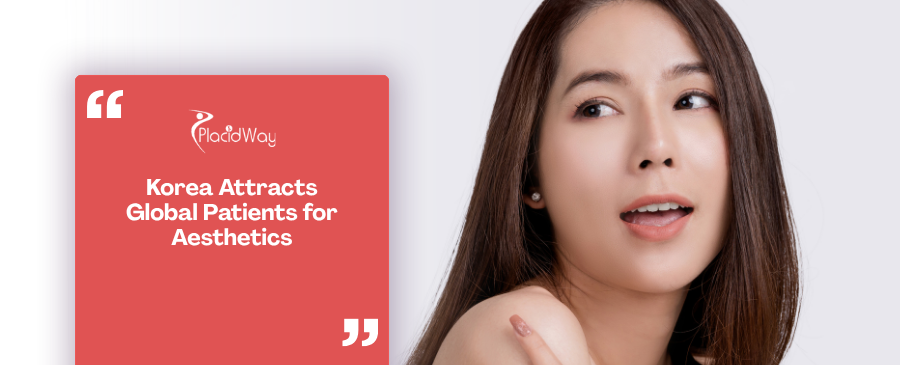
A massive wave of medical tourists is reshaping global aesthetics. Driven by elite innovations, thousands are pursuing Plastic Surgery in South Korea, blending meticulous surgical precision with luxurious wellness retreats to achieve world-class, natural transformations.
The Dual Demographic Boom: Why US and Chinese Markets Converge
The landscape of international medical travel is experiencing a profound geographic shift, with East Asia emerging as the undisputed epicenter for aesthetic enhancements. Historically, cosmetic medical tourism was largely regionalized, but today, a fascinating convergence is occurring. Patients from the United States, burdened by staggering domestic inflation and the lack of insurance coverage for elective procedures, are increasingly looking across the Pacific. Simultaneously, the rapidly expanding affluent demographic in China is seeking a level of surgical mastery and clinical safety that outpaces their domestic healthcare infrastructure. For both of these massive consumer bases, the destination of choice is overwhelmingly clear: the elite medical districts of Seoul.
What draws these two distinct demographics together is the universal desire for uncompromising quality paired with holistic patient care. American patients are discovering that even with the cost of transpacific premium airfare and luxury accommodations, pursuing cosmetic procedures in Seoul remains substantially more cost-effective than navigating the fragmented, hyper-expensive US medical system. Meanwhile, Chinese medical tourists are driven by a deep cultural affinity for "K-Beauty" standards and the absolute assurance of board-certified safety. South Korean clinics have astutely responded to this dual influx by creating hyper-specialized international departments, offering native English and Mandarin concierge services that eliminate cultural and linguistic friction from the moment a patient lands.
Did You Know? The renowned Gangnam district in Seoul houses over 500 specialized aesthetic clinics within a few square miles. To further incentivize international patients, the South Korean government offers dedicated tax refunds specifically for cosmetic surgeries performed on foreign visitors, drastically increasing the financial appeal.
The Evolution of Advanced Plastic Surgery in South Korea
The global perception of aesthetic surgery has matured remarkably, shifting away from exaggerated, obvious augmentations toward refined, natural facial harmony. South Korean surgeons are the recognized architects of this modern aesthetic paradigm. Through decades of ultra-competitive clinical practice and relentless innovation, these specialists have perfected techniques that alter bone structure and soft tissue with microscopic precision. Procedures such as V-line jaw contouring, two-jaw orthognathic surgery, and advanced preservation rhinoplasty in South Korea have set an international gold standard. Patients no longer want to look "operated on"; they want to look like the absolute best, most revitalized versions of themselves, a subtle artistry that Korean surgeons have completely mastered.
This evolution is heavily supported by the integration of state-of-the-art diagnostic technology. Before a single incision is made, patients undergo exhaustive 3D-CT scanning and virtual reality facial mapping. These digital tools allow both the surgeon and the patient to simulate the exact post-operative outcome, taking into account the unique millimeter-by-millimeter asymmetry of the human face. This data-driven approach removes the guesswork from aesthetic enhancement, ensuring that a Breast Augmentation in Seoul or a complex facial reconstruction seamlessly aligns with the patient's natural anatomical proportions, leading to profoundly high satisfaction rates among international travelers.
Integrating High-End Wellness Retreats with Aesthetic Medicine
One of the most disruptive trends drawing Western and Asian patients to the peninsula is the total reinvention of the post-operative recovery phase. In traditional Western medical models, recovery from aesthetic surgery is viewed as a purely clinical, often isolating experience where patients are sent home or to a standard hotel room to manage their own healing. South Korea has entirely flipped this narrative by seamlessly integrating elite aesthetic medicine with luxury wellness retreats in South Korea. The concept of "medi-wellness" treats the surgical procedure as just one component of a broader, holistic rejuvenation journey.
Following their procedures, international patients are frequently transferred to exclusive recovery sanctuaries located in high-end medical hotels in Gangnam or serene retreats on Jeju Island. Here, the focus shifts to accelerated cellular healing and systemic detoxification. Recovery protocols include hyperbaric oxygen therapy chambers to speed up tissue repair, specialized lymphatic drainage massages to drastically reduce swelling, and customized, nutrient-dense culinary programs based on traditional Korean medicine (Hanbang) designed to reduce internal inflammation. This immersive, resort-like approach to convalescence transforms an otherwise stressful recovery period into a deeply restorative vacation.
"We are observing a massive, unprecedented convergence of the American and Chinese patient demographics in Seoul. These patients are no longer just seeking surgical intervention; they are demanding a comprehensive, holistic transformation. South Korea’s unique ability to blend world-leading, hyper-precise aesthetic techniques with immersive, luxury wellness recovery has firmly established it as the premier global destination for elective healthcare."
— Pramod Goel, CEO of PlacidWay
Analyzing the True Cost: South Korea vs. US and Chinese Clinics
Financial transparency and overall value remain the primary catalysts for the global medical tourism boom. In the United States, patients are routinely subjected to opaque billing practices for elective procedures, where the surgeon’s fee, operating room costs, anesthesiology, and post-operative care are all billed separately, leading to unpredictable and often astronomical final invoices. Conversely, in China’s premium private sector, patients often pay vastly inflated prices for top-tier aesthetic care due to a high domestic demand heavily outstripping the supply of truly elite, internationally trained surgeons.
South Korea offers a refreshing antithesis to these pricing models. Top-tier medical centers provide transparent, all-inclusive packages that bundle the surgery, diagnostic imaging, anesthesia, VIP transportation, and extended wellness recovery into one upfront cost. Even when factoring in the cost of international flights, the comprehensive value proposition is mathematically undeniable, allowing patients to access superior medical infrastructure and luxury recuperation for a fraction of what they would spend in Los Angeles, New York, or elite clinics in Shanghai.
Technological Dominance and Minimally Invasive Surgical Mastery
A core reason international patients are willing to travel thousands of miles is the undeniable technological dominance of the South Korean medical sector. Because cosmetic enhancement is such a high-volume, culturally accepted industry within the country, elite clinics reinvest massive capital into the absolute latest surgical robotics, laser therapies, and endoscopic equipment. This rapid adoption of next-generation technology ensures that the clinics in Seoul are often years ahead of their Western counterparts in terms of surgical methodology.
This technological superiority translates directly into drastically improved patient outcomes, specifically regarding minimally invasive techniques. For example, utilizing advanced piezoelectric (ultrasonic) devices for bone sculpting allows surgeons to reshape the jawline or nasal bridge without fracturing the bone or damaging surrounding soft tissue. Endoscopic face lifts performed via tiny incisions hidden in the hairline replace the need for massive, ear-to-ear cuts. These innovations significantly minimize intraoperative trauma, reducing post-operative bruising, dramatically shortening downtime, and leaving virtually undetectable scarring for patients returning to their home countries.
Did You Know? To guarantee maximum transparency and eliminate the risk of "shadow doctors" (unauthorized personnel performing operations), the South Korean government mandated the installation of CCTV cameras inside operating rooms across all surgical clinics, ensuring the utmost safety and accountability for international patients.
Strict Safety Standards and Board Certification in Seoul
When traveling abroad for healthcare, clinical safety is paramount. South Korea has built its formidable reputation not just on stunning aesthetic results, but on an uncompromising, fiercely regulated medical framework. The Korean Ministry of Health and Welfare imposes rigorous operational standards on any facility catering to international patients. Facilities must undergo stringent, recurring inspections regarding infection control, emergency response protocols, and overall surgical infrastructure to maintain their highly coveted international operational licenses.
Furthermore, the credentialing process to become a specialized plastic surgeon in South Korea is famously grueling. Medical students must endure years of ultra-competitive academic study, followed by grueling internships and highly selective aesthetic residencies. Only a tiny fraction of top-tier medical graduates are accepted into the Korean Society of Plastic and Reconstructive Surgeons (KSPRS). When an American or Chinese patient selects a board-certified professional in Seoul, they are placing their trust in a specialist who has dedicated thousands of hours exclusively to mastering complex facial and body aesthetics, resulting in an unparalleled safety record.
The Strategic Role of PlacidWay in Navigating Cross-Border Healthcare
Despite the overwhelming benefits, the logistics of arranging international surgery—from crossing language barriers to verifying authentic medical credentials—can be incredibly daunting for a solo traveler. The digital landscape is flooded with unregulated medical brokers and aggressive marketing campaigns, making it difficult to distinguish an elite, globally accredited medical institution from an average local clinic. This complex environment is precisely where the strategic intervention of a dedicated, globally recognized medical tourism facilitator becomes invaluable.
PlacidWay serves as the critical, transparent bridge between international patients and South Korea’s most elite surgical centers. By meticulously vetting every partner facility for international accreditations (like JCI), verifying the individual board certifications of every surgeon, and analyzing real patient outcome data, PlacidWay eliminates the guesswork. They empower patients to safely compare surgical options, review transparent package pricing, and coordinate virtual pre-operative consultations with top Korean specialists, ensuring a secure, optimized, and entirely stress-free medical journey from the initial inquiry to the flight home.
What to Expect During Your South Korean Recovery Experience
To cater to the specialized needs of the international demographic, top clinics have engineered comprehensive, concierge-level recovery packages that completely insulate the patient from travel stress. When booking a premium medical journey to South Korea, patients can expect a meticulously orchestrated itinerary designed around absolute comfort and clinical excellence:
- VIP Airport Concierge: Upon arrival at Incheon International Airport, patients are greeted by dedicated bilingual chauffeurs and transported directly to their chosen clinic or luxury hotel via private medical vehicles.
- Dedicated Medical Translators: Throughout the entire process—from the initial 3D imaging consultation to the final suture removal—patients are accompanied by fluent medical interpreters to ensure perfect communication with the surgical team.
- Advanced Deswelling Treatments: Recovery packages inherently include daily access to hyperbaric oxygen chambers, LED light therapy beds, and specialized lymphatic massages to radically accelerate the healing timeline.
- Luxury Convalescence Accommodations: Partnerships with elite medical hotels provide patients with adjustable beds, tailored anti-inflammatory room service menus, and 24-hour on-call nursing support.
- Extensive Post-Op Monitoring: Before being cleared for international flights, patients undergo rigorous final evaluations to ensure stable incisions, minimized swelling, and a clear, safe trajectory for long-term aesthetic success.

.png)

.png)
.png)


.png)








Share this listing