


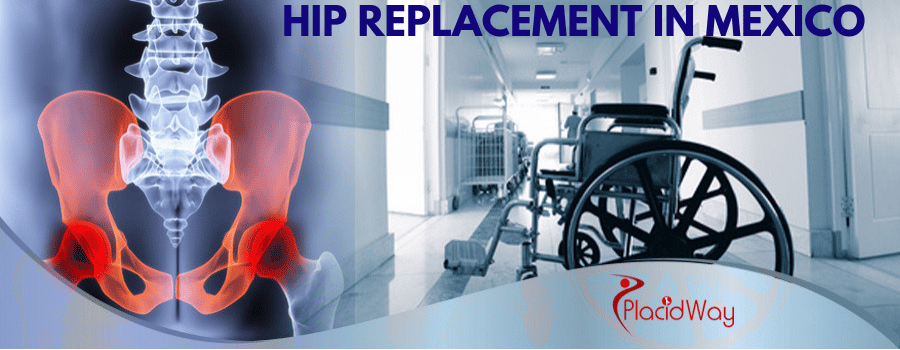
Affordable Hip Replacement in Mexico: World-Class Orthopedic Care
Are you suffering from debilitating joint pain and seeking an affordable hip replacement in Mexico? For many patients facing exorbitant healthcare costs or long waiting lists in their home countries, opting for orthopedic surgery abroad has become the ultimate solution. Choosing to undergo a total or partial hip replacement in Mexico allows you to access board-certified orthopedic surgeons, state-of-the-art medical facilities, and advanced joint replacement techniques at a mere fraction of the cost you would expect to pay in the United States, Canada, or the United Kingdom. This popular medical tourism destination combines high medical standards with exceptional affordability.
Beyond the significant financial savings, medical tourists benefit from a highly streamlined healthcare experience characterized by personalized patient care and rapid scheduling. Undergoing your hip replacement surgery in Mexico means you can quickly restore your mobility, eliminate chronic hip pain, and regain your active quality of life without depleting your life savings. With internationally accredited medical infrastructure, rigorous rehabilitation protocols, and top-tier prosthetics, this destination consistently ranks as a premier choice for patients seeking safe, effective, and transformative orthopedic procedures.
Key Takeaways for Joint Arthroplasty
- Substantial financial advantages, offering up to a seventy percent reduction in expenses compared to standard North American healthcare pricing for the exact same high-quality orthopedic procedure.
- Direct access to highly trained, board-certified orthopedic surgeons who routinely utilize the latest minimally invasive hip joint replacement techniques to accelerate patient healing.
- Exceptional medical treatment within internationally accredited hospitals equipped with advanced diagnostic technology, modern surgical theaters, and strict sterilization protocols.
- The elimination of long waiting lists, empowering patients to schedule their hip joint surgery promptly and begin their journey toward a pain-free life almost immediately.
- Access to comprehensive surgical packages that typically bundle preoperative medical evaluations, hospital facility fees, surgeon compensation, and initial postoperative physical therapy sessions.
Cost Overview and Comparison for Hip Replacement in Mexico
Understanding the financial aspects of orthopedic care is crucial for medical tourists planning their healthcare journey. The cost of a hip replacement in Mexico is highly competitive, offering exceptional overall value without ever compromising on the durability of the implant or the surgical expertise of the medical staff. Patients traveling from North America or Europe can expect to save tens of thousands of dollars on their joint replacement journey, allowing them to invest those savings back into their recovery and well-being.
| Country | Average Cost (USD) | Estimated Savings |
|---|---|---|
| Mexico | $12,000 - $16,000 | N/A |
| United States | $40,000 - $65,000 | Up to 75% |
| Canada | $35,000 - $45,000 | Up to 65% |
| United Kingdom | $20,000 - $28,000 | Up to 45% |
Note: Prices may vary depending on the specific complexity of the procedure, the type of prosthetic implant required, and the individual patient's medical condition.
What is Included in the Hip Replacement Package in Mexico
- Comprehensive preoperative medical evaluations, including specialist consultations, standard blood panels, and necessary X-rays or MRI scans.
- The primary orthopedic surgeon's fees, alongside compensation for the assisting surgical team and the specialized anesthesiologist.
- A high-quality, internationally certified artificial hip implant prosthetic, typically constructed from premium titanium, ceramic, or advanced medical-grade polyethylene.
- All operating room costs, standard medical supplies, and use of advanced surgical equipment during the joint replacement procedure.
- A designated inpatient hospital stay, typically ranging from two to four days, featuring round-the-clock nursing care and intensive medical monitoring.
- Initial postoperative medications administered while in the hospital, as well as the first foundational sessions of inpatient physical therapy to begin mobility restoration.
What is Not Included in the Hip Replacement Package in Mexico
- International airfare or any other forms of transportation required to travel to and from the chosen medical tourism destination.
- Outpatient hotel accommodations for the duration of the recovery period following discharge from the orthopedic hospital.
- Daily meals, dining, and personal expenses incurred outside of the hospital setting during the preoperative and recovery phases.
- Specialized medical travel insurance policies designed to cover unforeseen complications or emergency medical evacuations.
- Any necessary passport renewal costs or specific visa processing fees required to enter the destination country legally.
- Prescription medications required for outpatient use after hospital discharge, as well as extended, long-term outpatient physical therapy sessions.
Understanding Hip Replacement in Mexico
- Surgical Purpose: This procedure is specifically designed to replace a severely damaged, arthritic, or diseased hip joint with a highly durable artificial prosthesis, aiming to relieve excruciating pain and permanently restore lower body movement.
- Treatment Types: The intervention includes several variations such as total hip replacement, partial hip replacement, and minimally invasive hip resurfacing, each carefully tailored to address the specific joint degeneration and bone density of the individual patient.
- How the Surgery Works: During the operation, the orthopedic surgeon meticulously removes the damaged bone and degraded cartilage from the hip socket and femur bone, replacing these compromised tissues with a robust metal, ceramic, or high-grade plastic implant to recreate smooth joint mechanics.
- Key Benefits: Successful surgery provides profound long-term pain relief, significantly improved joint function, enhanced daily mobility, and a dramatic upgrade in overall quality of life and independence.
- Expected Recovery Time: Initial hospital recovery typically demands just a few days of inpatient monitoring, while returning to normal, non-strenuous daily activities usually requires three to six weeks of dedicated, guided physical therapy.
- Overall Success Rate: Joint replacement surgeries boast an exceptionally high success and patient satisfaction rate, with the vast majority of modern artificial hip implants successfully lasting fifteen to twenty years, and often much longer.
Who Is the Ideal Candidate for a Hip Replacement in Mexico?
- Individuals currently suffering from severe osteoarthritis, rheumatoid arthritis, or post-traumatic arthritis that results in joint deterioration and severely limits basic everyday activities such as walking, bending, or climbing stairs.
- Patients who experience continuous, chronic hip pain that persists even while resting, sitting still, or sleeping, and is no longer adequately relieved by standard over-the-counter or prescription anti-inflammatory medications.
- People who possess significant stiffness in their hip joint that actively restricts their normal range of motion, making it highly difficult or impossible to lift their leg or comfortably put on shoes and socks.
- Those who have already exhausted conservative, non-surgical treatments such as rigorous physical therapy, the use of mobility aids like canes, or localized cortisone injections without experiencing any sustainable relief.
- Adults who maintain generally good overall health, free from severe systemic cardiovascular or pulmonary diseases that would make undergoing major orthopedic surgery and general anesthesia an unacceptable or life-threatening risk.
- Patients who are highly motivated, compliant with medical advice, and fully willing to actively participate in an essential, structured post-operative physical therapy program to ensure the long-term success of their new implant.
Day-by-Day Itinerary for Your Hip Replacement in Mexico
- Day 1: Pre-Surgical Consultation - Arrival at the chosen medical facility for a comprehensive pre-operative consultation, finalizing blood tests, updating X-rays, and conducting crucial detailed meetings with both your lead orthopedic surgeon and the anesthesia team to review the surgical plan.
- Day 2: The Procedure - The official day of surgery. You will be formally admitted, medically prepped, and will undergo the orthopedic joint replacement procedure. Following the operation, you will be moved to an intensive care or specialized post-op unit for closely monitored recovery and vital sign stabilization.
- Day 3: Initial Rehabilitation - The beginning of the active recovery phase directly in your hospital room. This day focuses heavily on strict pain management protocols and the very first steps of physical therapy, which often involves simply standing beside the bed or taking brief assisted walks.
- Day 4: Mobility Training - Continued inpatient physical therapy sessions designed to improve joint mobility and build initial strength. You will learn the proper, safe methods for using assistive devices like a standard walker or crutches, while nurses manage any surgical drains or wound dressings.
- Day 5: Hospital Discharge - A final, thorough medical evaluation performed by your orthopedic surgeon. If your progress is satisfactory, surgical drains are removed, you are officially discharged from the hospital, and you safely transition to a comfortable nearby hotel or recovery retreat for the outpatient phase.
- Days 6 to 14: Outpatient Recovery - Ongoing outpatient rehabilitation characterized by engaging in your daily prescribed exercises, prioritizing rest, and attending necessary follow-up clinical appointments to ensure the incision is healing perfectly and the joint is stabilizing before you are cleared to travel home.
What to Expect from Your Hip Replacement in Mexico
Undergoing major orthopedic surgery is a significant life event, but fully knowing what to expect can substantially reduce preoperative anxiety. From the very moment you begin your medical journey for a hip replacement in Mexico, you will be met with the utmost professionalism, deep clinical compassion, and highly personalized care. The initial days immediately following the joint replacement operation will naturally involve some localized discomfort, bruising, and swelling around the surgical site. However, your dedicated medical team will expertly manage these temporary symptoms with a tailored, robust pain medication protocol to keep you as comfortable as possible.
As your physical recovery steadily progresses over the following weeks, you will begin to notice a gradual but profound improvement in your hip's mechanical function. The deep, debilitating, bone-on-bone joint pain you experienced daily prior to the surgery will slowly be replaced by the much more manageable, temporary muscular soreness associated with natural tissue healing. International patients consistently report exceedingly high satisfaction rates regarding their outcomes, frequently noting that within a few short months, they are once again able to walk comfortably, easily climb stairs, and joyfully return to the low-impact recreational activities they had long been forced to abandon.
Post-Hip Replacement Recovery in Mexico
- Prioritize strict, consistent participation in all recommended physical therapy sessions, as guided movement and stretching are absolutely crucial for restoring necessary joint flexibility and strengthening the weakened surrounding muscle groups.
- Strictly follow your treating orthopedic surgeon's specific guidelines regarding strict weight-bearing limits, and consciously avoid bending the new hip past a ninety-degree angle to drastically minimize the risk of implant dislocation during early healing.
- Keep the primary surgical incision meticulously clean and dry at all times to minimize any risk of bacterial infection, and promptly report any unusual symptoms such as excessive redness, localized warmth, or fluid drainage to your medical team.
- Diligently utilize your prescribed assistive mobility devices, such as four-point walkers or canes, for the entire duration recommended by your therapist to ensure proper physical stability and prevent disastrous accidental falls.
- Maintain a highly balanced, nutrient-dense diet rich in proteins and vitamins, and stay consistently well-hydrated to adequately support rapid cellular tissue healing and overall physiological recovery from the severe stress of major surgery.
- Take all medically prescribed medications exactly as directed, particularly vital blood thinners intended to prevent deep vein thrombosis, as well as prescribed pain relievers to keep discomfort manageable so you can successfully complete your rehabilitation exercises.
Why Choose Mexico for Hip Replacement Surgery?
- Exceptional, unmatched affordability that seamlessly allows international patients to receive premium, top-tier orthopedic care at just a fraction of the incredibly high standard pricing found throughout North American healthcare systems.
- Geographical proximity to the United States and Canada, making the necessary medical travel relatively short, highly convenient, and significantly less physically taxing for orthopedic patients who are currently struggling with severely limited mobility.
- A large, accessible pool of highly experienced, internationally trained orthopedic surgeons who frequently attend global medical conferences and routinely utilize the most advanced joint replacement techniques available today.
- World-class private hospital networks and specialized boutique orthopedic clinics that boast prestigious international healthcare accreditations, strict safety standards, and state-of-the-art surgical technology.
- Extensively bilingual medical staff, nurses, and dedicated patient coordinators who work tirelessly to ensure perfectly clear, seamless communication and an entirely stress-free healthcare experience for English-speaking medical tourists.
- A highly welcoming, culturally rich environment that provides a warm, comforting, and incredibly hospitable atmosphere, which is essential for fostering positive mental well-being during a challenging medical recovery period.
Explore Mexico While You Recover: Top Attractions for Hip Replacement Patients
- Relax in serene, easily accessible resort areas with flat, perfectly paved walkways that provide the perfect, safe environment for the gentle, post-operative walking exercises mandated by your physical therapist.
- Enjoy the beautiful, tranquil coastal or mountain views from the safety and comfort of an accessible, shaded patio, allowing for a remarkably stress-free, restorative, and calming healing environment away from crowded tourist hubs.
- Sample the incredibly rich, authentic local cuisine at easily accessible, ground-level dining establishments that happily cater to a wide variety of dietary preferences and essential post-surgery nutritional healing needs.
- Visit accessible cultural museums, historical exhibits, and vibrant local art galleries that intentionally offer wheelchair ramps, elevators, and ample interior seating for frequent, necessary rest breaks during your recovery outings.
- Experience the famously warm, therapeutic local climate, which countless orthopedic patients find exceptionally soothing for joint recovery, muscle relaxation, and highly conducive to maintaining a positive mental outlook during their rehabilitation.
- Take leisurely, chauffeured scenic drives through picturesque local landscapes, allowing you to safely experience the rich beauty and vibrant culture of the region without putting any undue physical strain on your newly replaced joint.
FAQs About Hip Replacement in Mexico
Q: How much does a hip replacement in Mexico typically cost?
A: The total cost generally ranges from $12,000 to $16,000 USD. This highly competitive price point typically includes the surgeon's specialized fees, all hospital facility charges, anesthesia, the prosthetic implant itself, and basic initial medications, representing a massive saving compared to US prices.
Q: Are the orthopedic surgeons in this location qualified and safe?
A: Yes, absolutely. The vast majority of orthopedic surgeons catering to international medical tourists are board-certified, possess extensive specialized training, and frequently hold international memberships in prestigious global orthopedic societies.
Q: What specific type of hip implants are used during the procedure?
A: Clinics utilize the exact same top-tier, globally recognized, FDA-approved prosthetic implant brands used in the United States and Europe. These are typically manufactured from highly durable materials such as advanced ceramics, medical-grade titanium, or cross-linked polyethylene.
Q: How long do I need to stay in the country for my joint surgery?
A: Patients are generally advised to plan for a stay of roughly ten to fourteen days. This crucial timeframe comfortably covers the preoperative clinical consultations, the surgical procedure, the inpatient hospital stay, and enough initial outpatient recovery time to be medically cleared for a safe flight home.
Q: Will there be a difficult language barrier at the orthopedic hospital?
A: No, language barriers are very rarely an issue. The leading medical facilities that specialize in treating international patients intentionally employ bilingual orthopedic surgeons, nursing staff, and dedicated patient coordinators who are highly fluent in English.
Q: How long can I expect my new artificial hip implant to last?
A: With proper surgical placement, good patient compliance with physical therapy, and a healthy lifestyle, modern hip implants are incredibly durable and are fully expected to function optimally for fifteen to twenty years, and frequently much longer in many patients.
Q: Is early physical therapy included in my surgical package?
A: Yes, the vast majority of comprehensive medical packages automatically include the vital initial physical therapy sessions conducted while you are still admitted to the hospital, aiming to get you safely on your feet and moving as quickly as possible.
Q: Can I undergo bilateral (both hips) replacement surgery at the same time?
A: While bilateral hip arthroplasty is certainly possible, it is entirely dependent on your surgeon's strict medical evaluation of your overall health, age, cardiovascular stability, and exact bone condition to ensure such an extensive double procedure is safe for you.
Q: What happens if I experience a medical complication after returning home?
A: Reputable clinics provide comprehensive, translated medical records, detailed surgical reports, and precise implant specifications to ensure your local physician can seamlessly take over your care. Many surgeons also offer ongoing virtual follow-up consultations to monitor your progress.
Q: Do I require a specific medical visa to travel for this orthopedic procedure?
A: For citizens of the United States, Canada, and the United Kingdom, a standard tourist visa or entry stamp granted upon arrival is generally all that is legally required for medical visits lasting less than six months. Always verify current immigration requirements before traveling.
Your Pathway to Pain-Free Mobility with PlacidWay
Navigating international healthcare options can feel overwhelming, but you do not have to do it alone. PlacidWay is dedicated to connecting patients with top-tier, internationally accredited medical providers for orthopedic procedures. Here is how PlacidWay ensures your medical journey is completely seamless and secure:
- Expert Provider Matching: We connect you exclusively with highly vetted, board-certified orthopedic surgeons and accredited specialized hospitals tailored specifically to your exact medical needs.
- Transparent, Upfront Pricing: We facilitate the delivery of clear, comprehensive, and competitive medical quotes, ensuring you understand all clinical costs associated with your treatment without hidden fees.
- Direct Clinic Communication: We bridge the communication gap by easily connecting you directly with the chosen medical facility's team for initial virtual consultations and critical case reviews.
- Secure Medical Record Transfer: We provide a safe, encrypted platform for you to easily share your medical history, recent X-rays, and MRI scans with international surgical teams for precise evaluation.
- Dedicated Patient Support: Our dedicated customer care team provides ongoing, personalized guidance and vital informational resources throughout every single step of your medical selection and quoting process.




.png)











Share this listing