

Let’s be real for a moment—sometimes all the kale smoothies, mindful journaling, and Pilates classes in the world simply cannot deliver the physical contour or rejuvenation you are genuinely dreaming of. If you have been staring at the mirror contemplating a change but feeling entirely overwhelmed by the skyrocketing medical costs in your hometown, you are officially in the right place. There are now curated, all-inclusive Thailand plastic surgery packages starting at an incredibly accessible $3,500, combining top-tier medical expertise with the warmth of world-renowned Thai hospitality. This is not about vanity; it is about reclaiming your confidence, stepping into your best self, and doing it safely in one of the globe's leading medical tourism destinations.
Designed exclusively for international men and women seeking transformative cosmetic enhancements, these packages take the stress out of medical travel. Your treatment unfolds at state-of-the-art, internationally accredited centers in the vibrant heart of Bangkok. Instead of juggling a dozen different bills, you get a streamlined experience: comprehensive surgeon fees, dedicated nursing care, hospital stays, and premium surgical facilities are all bundled into one transparent starting rate. With an expected stay of roughly 10 to 14 days, you have ample time for your procedure, a supervised initial recovery, and your final post-operative clearance before flying home.
Of course, a brand-new you does not come out of a vending machine. Because your safety and aesthetic goals are completely unique, final pricing and your absolute eligibility for any of these packages strictly require a thorough, personalized medical assessment by a board-certified surgeon. If you are ready to explore how elite surgical precision meets tropical recovery, it is time to look at exactly what these highly sought-after packages include.
Thailand Plastic Surgery Package Pricing
World-class healthcare should never come with a side of sticker shock. Below is a foundational breakdown of the most popular plastic surgery packages available in Thailand. Please note that these are strictly starting baseline estimates. Because human anatomy is as unique as a fingerprint, your exact cost may fluctuate based on the complexity of your surgical needs, the specific implant types chosen (if applicable), and your individualized anesthesia requirements.
| Surgical Procedure Category | Package Type | Starting Estimated Price (USD) |
|---|---|---|
| Standard Breast Augmentation | Inpatient (1 Night) | $3,500 |
| Primary Rhinoplasty (Closed) | Outpatient Day Surgery | $3,500 |
| Liposuction (1-2 Areas) | Outpatient / Observation | $3,500 |
| Standard Tummy Tuck (Abdominoplasty) | Inpatient (2 Nights) | $4,800 |
| Comprehensive Facelift (Rhytidectomy) | Inpatient (1-2 Nights) | $5,200 |
*Important Note: The starting price of $3,500 applies specifically to baseline procedures like primary breast augmentation with standard implants or localized liposuction. Complex revisions, combination surgeries (like a Mommy Makeover), or advanced implant technologies will incur higher fees. A precise, binding quote is only generated after your comprehensive surgeon consultation and medical file review.
What Your Surgical Package Actually Includes?
Nobody likes hidden fees. To make your medical journey as seamless as possible, these starting plastic surgery packages comprehensively cover the heavy lifting of your clinical care. When you secure a standard package, you are generally covered for:
- The Surgeon’s Masterclass: All primary professional fees for your lead board-certified plastic surgeon and their immediate assisting surgical team.
- Anesthesia Administration: Full fees for the board-certified anesthesiologist and the required general anesthesia or deep IV sedation utilized during your operation.
- Facility Fees: Complete access to a sterilized, state-of-the-art operating theater equipped with modern monitoring technology.
- Hospital Accommodation: The required inpatient nights in a private, comfortable hospital recovery room (length depends entirely on your specific procedure) with continuous nursing care.
- Standard Medical Supplies: All necessary surgical materials, sutures, standard breast implants (if applicable to your package), and primary surgical dressings.
- Pre-Surgical Clearance: Standard, baseline laboratory blood work and basic physical evaluations conducted at the clinic just prior to your surgery.
- Post-Operative Medication: A comprehensive discharge pharmacy pack, typically including a standard course of preventative antibiotics, necessary pain management medication, and anti-swelling pills.
- Follow-Up Care: Your scheduled post-operative consultations, wound-checking appointments, and the critical suture-removal session before you fly home.
- Initial Compression: One primary post-surgical support garment or compression binder (highly specific to your procedure type).
What is Specifically Excluded from the Package?
Transparency is the cornerstone of trustworthy healthcare. While these packages are robust, they cannot cover everything. You will need to budget separately for the following out-of-pocket items and services:
- Travel Logistics: Your international round-trip airfare, visa processing fees, and standard airport transfers.
- Hotel Accommodations: All hotel nights required in Bangkok before your surgery and for the remainder of your recovery after you are officially discharged from the hospital.
- Advanced Pre-Op Testing: Any highly specialized diagnostics (like mammograms, EKGs, or chest X-rays) if your medical history suddenly requires them, or if you are over a certain age threshold.
- Premium Upgrades: Upgraded implant models (such as highly cohesive anatomical "gummy bear" implants), extended hospital stays beyond the packaged allotment, or additional compression garments.
- Unforeseen Interventions: Costs associated with managing entirely unexpected medical complications, allergic reactions, or emergency hospital transfers.
- Insurance: Dedicated medical tourism complication insurance or standard travel insurance.
- Personal Expenses: Room service upgrades, meals outside of your inpatient hospital stay, tourist activities, and personal caretakers.
Who is an Ideal Candidate for Cosmetic Surgery in Thailand?
Cosmetic surgery is a profound medical undertaking, not a casual spa day. Consequently, ethical medical centers maintain strict boundaries on who safely qualifies for elective procedures abroad. You may potentially be considered an excellent candidate for these surgical packages if you align with the following criteria:
- Physical Stability: You are in exceptionally good overall health. This means you do not have uncontrolled chronic conditions, untreated cardiovascular disease, severe diabetes, or compromised immune systems that could complicate anesthesia or wound healing.
- Stable Body Mass Index (BMI): For body contouring procedures especially, surgeons typically require candidates to be at or very near their ideal, stable weight. A BMI significantly over 30 may disqualify you from elective general anesthesia due to elevated cardiovascular risks.
- Lifestyle Factors: You are a strict non-smoker, or you are willing and utterly able to completely cease smoking and all nicotine products (including vaping and patches) for at least four to six weeks before and after the surgery. Nicotine severely constricts blood vessels, leading to catastrophic tissue necrosis and surgical failure.
- Psychological Readiness: You possess incredibly realistic expectations regarding what surgery can actually achieve. You are seeking improvement, not utter perfection, and you understand that scars, while hidden, are permanent. You are doing this entirely for yourself, not to appease a partner or conform to fleeting social media trends.
- Time Flexibility: You are absolutely willing to commit to the required 10 to 14-day stay in Thailand. Patients who attempt to rush their departure against medical advice place their lives and results at severe risk.
Required Documentation for Your Medical Assessment
Before you even begin pricing flights to Bangkok, evaluating surgeons need a clear, unvarnished look at your clinical history. To initiate your preliminary, remote medical assessment, you will normally be required to securely submit:
- High-Resolution Photographs: Specific, well-lit photos of the target treatment areas, taken from precise angles (front, left profile, right profile) without filters or restrictive clothing.
- Comprehensive Medical History Form: A detailed, honest disclosure of all past surgeries, current diagnoses, known allergies (especially to latex, medications, or surgical tapes), and any history of deep vein thrombosis (DVT).
- Current Medication Roster: A complete list of everything you ingest, including daily prescriptions, over-the-counter painkillers, herbal supplements, vitamins, and weight-loss drugs. Many common supplements heavily increase surgical bleeding risks.
- Local Medical Clearances (If Applicable): Depending on your age or self-reported history, the surgeon may mandate that you provide a recent Electrocardiogram (ECG), a baseline chest X-ray, or specific blood panel results sourced from your local physician prior to traveling.
Demystifying the Plastic Surgery Procedures in Thailand
Medical jargon can quickly sound like a foreign language. To help you understand exactly what you might be signing up for, let us break down the foundational concepts behind the most frequently requested plastic surgery packages in Thailand. Keep in mind that every single procedure is highly customized to your unique anatomical canvas.
Breast Augmentation (Augmentation Mammaplasty)
If you are looking to increase fullness, restore volume lost after significant weight loss or pregnancy, or achieve better bodily symmetry, breast augmentation remains a gold standard. During this procedure, the surgeon makes a precise incision—usually hidden discreetly in the crease beneath the breast (inframammary fold), around the edge of the areola, or sometimes within the armpit. Through this incision, they carefully create a pocket either directly behind the breast tissue or underneath the chest muscle itself. A sterile, medical-grade implant (typically silicone gel for a highly natural feel and look) is inserted into this pocket. The surgeon meticulously ensures the placement is symmetrical and aesthetically pleasing before closing the incisions with layered sutures. The result is an immediately noticeable enhancement in proportion and contour.
Tummy Tuck (Abdominoplasty)
Sometimes, no amount of abdominal crunches can repair separated abdominal muscles or tighten highly stretched, inelastic skin. This is particularly common after multiple pregnancies or massive weight transformations. A tummy tuck addresses both issues simultaneously. The surgeon makes a horizontal incision low on the abdomen, typically running from hip bone to hip bone, positioned strategically so it can be concealed by most underwear or bikini bottoms. The skin is lifted, and the weakened underlying abdominal muscles are essentially "corseted" and stitched tightly back together, creating a firmer, flatter internal abdominal wall. The skin is then pulled back down, the excess is surgically removed, and a new opening is expertly created for your belly button. The result is a dramatically smoother, flatter, and more toned abdominal profile.
Rhinoplasty (Nose Reshaping)
Because the nose sits squarely in the center of the face, even millimeter-level adjustments can radically harmonize your entire facial appearance. Rhinoplasty can address the size, width, profile, or tip of the nose, as well as correct structural issues that impede breathing. Depending on your needs, the surgeon will perform either a "closed" procedure (where all incisions are hidden completely inside the nostrils) or an "open" procedure (where a tiny incision is made across the columella, the narrow strip of tissue separating the nostrils). Through these incisions, the surgeon accesses the underlying bone and cartilage, meticulously sculpting, reducing, or building up the framework to achieve the desired aesthetic shape before redraping the skin and closing the incisions.
Facelift (Rhytidectomy)
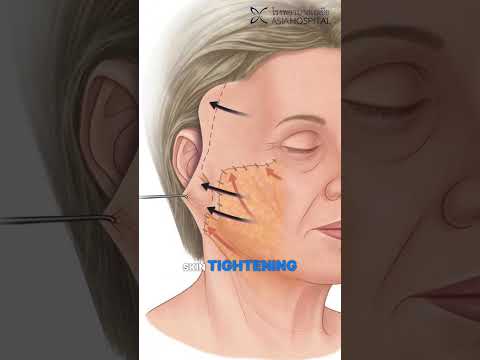
Gravity, time, and sun exposure eventually take their toll on the face, leading to sagging cheeks, deep creases, and the dreaded jowls. A modern facelift is not about looking artificially "pulled" or windblown; it is about restoring a rested, youthful, and entirely natural vitality. The surgeon makes discreet incisions that typically begin in the hairline at the temples, trace neatly around the natural contour of the ear, and end in the lower scalp. Through these incisions, the surgeon does not just pull the skin—they elevate and reposition the deeper underlying muscle and tissue layers (the SMAS layer) back to their youthful positions. Excess skin is then gently trimmed away, and the incisions are closed, resulting in a dramatically refreshed, lifted, and smoother lower face and neck contour.
Your Thailand Treatment Timeline: A Step-by-Step Guide
Traveling internationally for surgery requires meticulous planning. To help you visualize the process, here is a highly typical, step-by-step timeline detailing what your journey from pre-travel to final follow-up will look like.
- Weeks 4-6 Before Travel: The Preparation Phase Your journey begins with a remote consultation. You submit your photos and medical history, receive your customized surgical plan, and review your finalized quote. Once you approve the plan, you secure your dates, book your flights and hotel, and strictly follow all pre-operative lifestyle rules (such as halting aspirin, supplements, and nicotine).
- Day 1: Arrival in Bangkok You touch down in Thailand. You are advised to settle into your hotel, hydrate extensively, and rest. Depending on your flight duration, you may need a full 24 to 48 hours to recover from jet lag before proceeding to surgery.
- Day 2: The Critical Consultation and Pre-Op You arrive at the medical center. You will meet face-to-face with your surgeon to review the surgical plan, discuss your goals one last time, and undergo pre-surgical markings. You will also meet the anesthesiologist, finalize your informed consent paperwork, and complete any required on-site blood tests or evaluations.
- Day 3: Surgery Day You arrive fasting. The medical team prepares you, administers the anesthesia, and your surgeon performs the requested procedure. You will wake up in a dedicated, closely monitored recovery room before being gently transferred to your private inpatient suite for your required overnight stay.
- Days 4-6: Inpatient Discharge and Early Hotel Recovery Once the surgical team clears you for discharge, you are provided with your medications, specific post-care instructions, and you return to your Bangkok hotel. These days are focused entirely on deep rest, managing manageable discomfort with medication, and engaging in light, short walks around your hotel room to promote blood circulation.
- Days 7-14: Follow-Ups and Suture Removal You will return to the clinic for scheduled follow-up appointments. The medical team will meticulously check your incisions, monitor your healing progress, change dressings, and, toward the end of your stay, remove any non-dissolvable sutures or surgical drains.
- Month 1 to Month 6: Returning Home and Final Maturation After receiving final medical clearance, you fly home. You will continue to communicate with the medical center remotely if needed. During these months, major swelling subsides, scars begin their long process of fading, and your final, beautiful results fully settle into place.
Understanding Your Required Length of Stay
While a rapid fly-in, fly-out weekend might sound appealing, it is a dangerous proposition in the world of major surgery. Most comprehensive plastic surgery packages strictly require a total stay of 10 to 14 days in Thailand. This mandatory window is not a suggestion; it is a critical safety protocol. Healing is highly unpredictable, and early air travel dramatically increases the risks of potentially fatal blood clots (Deep Vein Thrombosis) due to cabin pressure and prolonged immobilization. Please understand that final travel clearance always depends entirely on the treating physician’s assessment of your individual recovery, wound stability, and overall health. Surgeons will never compromise your safety to accommodate an early flight.
The Roadmap to Healing: Recovery and Aftercare
Surgery is only the first step of your transformation; the real magic happens during your recovery. Navigating aftercare requires immense patience, rest, and strict adherence to your surgeon's protocols. Here is what you can broadly expect during the healing stages:
Stage 1: The Immediate Aftermath (Days 1 to 5)
This is undeniably the most challenging phase. You will experience noticeable swelling, localized bruising, and surgical discomfort. Your energy levels will be completely depleted as your body directs all its resources toward acute wound healing. During this stage, your primary job is to take your prescribed medications faithfully, stay immensely hydrated, rest in an elevated position (crucial for procedures like facelifts or rhinoplasty to minimize facial swelling), and rely on your medical team or companion for assistance. You will likely be wearing a tight compression garment to minimize fluid buildup.
Stage 2: Turning the Corner (Weeks 1 to 3)
By the second week, the acute pain generally transitions into a manageable, dull ache or tightness. Bruising will slowly begin to shift colors and fade, and the most dramatic swelling will start to subside, though you will still look puffy. Your sutures will have been removed, and you will likely receive clearance to fly home. However, you are still strictly prohibited from engaging in any strenuous exercise, heavy lifting (including heavy luggage), or intense cardiovascular activity. You will continue wearing your compression garments religiously as your tissues heal and adapt to their new contours.
Stage 3: The Long-Term Maturation (Months 2 to 12)
This is the prolonged phase where patience truly pays off. By month two, you will generally feel back to your normal self and will be cleared for most regular activities and workouts. However, deep tissue healing continues beneath the surface. Subtle residual swelling—especially in the nasal tip after rhinoplasty or the lower abdomen after a tummy tuck—can take a full six to twelve months to resolve completely. Incision lines will initially look red and raised but will slowly flatten, soften, and fade into pale, barely-there lines over the course of the year with proper sun protection and scar care.
Transparent Risk Disclosure: The Possibility of Complications
An informed patient is a safe patient. All surgery, regardless of the surgeon's profound skill or the clinic's prestige, inherently carries intrinsic medical risks. The goal is not to frighten you, but to ensure you make this decision with complete clarity and full awareness. Please note that the following list is not exhaustive, and the treating physician will discuss your highly individual, specific risk factors in exhaustive detail during your informed consent process.
- Infection and Bleeding: While strict sterilization protocols and prophylactic antibiotics are utilized, surgical site infections or excessive post-operative bleeding (hematoma) can occur, potentially requiring further medical intervention or drainage.
- Anesthesia Reactions: General anesthesia carries systemic risks, ranging from minor post-operative nausea to rare but severe allergic reactions, respiratory distress, or cardiovascular complications.
- Deep Vein Thrombosis (DVT) and Pulmonary Embolism: Immobility during long surgeries and subsequent long-haul flights back home can cause life-threatening blood clots in the legs that may travel to the lungs.
- Aesthetic Dissatisfaction: Healing is highly unpredictable. There is always a tangible risk of noticeable asymmetry, poor scar formation (hypertrophic or keloid scarring), skin contour irregularities, or results that simply fall short of your aesthetic expectations, occasionally necessitating secondary revision surgery.
- Implant-Specific Risks: For breast surgeries, risks include implant rupture, shifting, or capsular contracture (where the body forms a painful, hard scar tissue shell around the implant).
- Nerve Damage: Temporary or, in rare cases, permanent numbness, tingling, or changes in skin sensation can occur if sensory nerves are bruised or severed during tissue manipulation.
What Are the Realistic Results of Thailand Plastic Surgery?
The main goal of any aesthetic procedure is measurable improvement and a boost in your personal confidence, not the pursuit of flawless, filtered perfection. What patients may reasonably expect heavily depends on their starting anatomy, skin elasticity, and adherence to aftercare protocols. You may typically see enhanced volume where you want it, smoother contours where you don't, and a more youthful overall profile. However, results evolve slowly. It often takes months for final swelling to resolve and for tissues to settle into their final position. We emphasize that medical science cannot promise a cure for body dysmorphia, a specific identical copy of a celebrity's nose, or a guaranteed, mathematically perfect level of physical improvement. Results vary profoundly from patient to patient, and your final outcome will be distinctly and uniquely your own.
Expert Medical Care: The Surgical Teams
Your procedures are overseen by elite medical professionals who have dedicated decades to the art and science of aesthetic surgery. While your specific surgeon will be assigned based on your precise surgical needs and their localized sub-specialty, all primary providers associated with these packages hold rigorous, verified board certifications in Plastic and Reconstructive Surgery. Many maintain active international affiliations with prestigious bodies such as the International Society of Aesthetic Plastic Surgery (ISAPS) and have undergone advanced fellowship training in major medical hubs globally. They are supported by a formidable team of licensed anesthesiologists, registered surgical nurses, and dedicated patient coordinators who ensure your clinical safety remains the absolute priority at every phase.
Where Your Transformation Takes Place: World-Class Facilities
Your surgery will not be performed in a back-room clinic. These packages partner with highly advanced, internationally certified medical facilities in Thailand designed specifically to meet and exceed global healthcare standards. The operating theaters are equipped with cutting-edge monitoring and life-support technology identical to what you would find in premier hospitals in North America or Europe. Dedicated entirely to patient safety and comfort, these partner hospitals feature private, highly sanitized inpatient recovery suites, round-the-clock intensive nursing care capabilities, and robust emergency protocols. You will be recovering in facilities that consistently rank as centers of excellence in Southeast Asian medical tourism.
Frequently Asked Questions
Is it truly safe to fly back home after undergoing major plastic surgery in Thailand?
It is safe, provided you follow the strict timelines set by your medical team. Flying too soon after surgery—especially after major body contouring like a tummy tuck or extensive liposuction—dangerously elevates the risk of Deep Vein Thrombosis (blood clots). This is why a 10 to 14-day mandatory stay in Thailand is built into these packages. The surgeon must physically evaluate your healing, ensure your mobility is adequate, and officially clear you as "fit to fly" before you board an airplane.
Why exactly is plastic surgery considerably cheaper in Thailand compared to the US or UK?
The price difference is a reflection of local economic scales, not a compromise on medical quality. Thailand boasts a significantly lower overall cost of living, which translates to reduced overhead costs for hospital administration, local facility fees, and support staff wages. Additionally, the medical malpractice insurance premiums for doctors are vastly lower in Southeast Asia than in highly litigious Western countries. These combined socioeconomic factors allow Thai clinics to offer elite, board-certified surgical care at a fraction of Western prices without cutting clinical corners.
Do the Thai doctors and medical staff speak fluent English?
Yes. Thailand is a global epicenter for medical tourism, and premier clinics cater extensively to an international clientele. The vast majority of board-certified plastic surgeons have completed fellowships or attended medical conferences abroad and speak excellent English. Furthermore, the medical centers employ dedicated, multi-lingual international patient coordinators whose sole job is to translate, guide you, and ensure that zero communication barriers exist between you and your healthcare providers regarding your treatment or risks.
What happens if I experience a medical complication after I have already returned home?
While major late-stage complications are rare, they are a reality of medicine. Before you leave Thailand, you will be given a comprehensive discharge summary detailing your exact procedure, medications, and implant types. If a complication arises at home, you must immediately consult a local physician or visit an emergency room, presenting them with your surgical notes. The medical team will remain available for remote video consultations to collaborate with your local doctors, but acute, physical emergency care must be handled by your local healthcare infrastructure.
Can I combine a beach holiday or island hopping with my surgery package?
We strongly advise against mixing surgery with a tropical vacation. If you wish to enjoy the beaches, you must do so *before* your surgery date. After surgery, you are strictly forbidden from swimming in oceans or pools due to severe infection risks, you must avoid prolonged sun exposure to prevent permanent scar darkening, and your energy levels will be incredibly low. Your time in Bangkok post-surgery should be viewed as a dedicated, restful medical recovery period, not a sightseeing tour.
How do I handle payments for these international medical packages?
Payment structures are designed to be secure and transparent. Typically, after your remote assessment, a modest, refundable deposit is required to lock in your surgical date and operating room time. The remaining balance is almost always settled in full upon your arrival at the clinic in Thailand, immediately prior to the surgery. Reputable clinics accept major international credit cards (Visa, Mastercard), direct international bank wire transfers, and sometimes cash in major currencies. It is vital to notify your bank beforehand to prevent travel fraud blocks on large transactions.
Who will be performing the anesthesia during my procedure?
Patient safety dictates that surgeons do not administer their own general anesthesia. Your package includes the dedicated services of an independent, fully licensed, and board-certified anesthesiologist. They will review your medical history, select the safest anesthetic protocol for your specific body type and surgery, and remain by your side in the operating theater for the entire duration of the procedure, meticulously monitoring your vital signs, oxygen levels, and cardiovascular responses until you are safely awake.
Will I need to bring a friend or family member with me for support?
While bringing a supportive companion is always highly encouraged—especially for emotional support and helping you navigate the hotel during the first few days of recovery—it is not strictly mandatory for all procedures. If you choose to travel solo, premier clinics can arrange for private, dedicated medical concierges or private nursing aides to assist you at your hotel after discharge for an additional, nominal fee, ensuring you are never left to manage complex post-operative care completely alone.
How do I go about getting the necessary medical clearance before flying?
The medical clearance process begins during your remote consultation. Based on your submitted medical history questionnaire and your age, the surgical team will provide you with a specific checklist of required lab work or diagnostics (like a CBC blood test or ECG). You will take this checklist to your primary care physician in your home country, have the tests performed, and email the results back to the surgical team in Thailand. If the results show you are in robust health, you will be officially cleared to book your travel.
Ready to Start Your Journey?
Take the next confident step toward the transformation you deserve. The medical coordination team is ready to review your goals, answer your questions, and help you determine if you are a candidate for these all-inclusive packages. There is absolutely no pressure and no obligation—just clear, professional guidance.
Request Free QuoteMedical Disclaimer: The content provided on this page is exclusively for general informational and educational purposes and does not constitute professional medical advice, diagnosis, or a guarantee of surgical outcome. Always consult directly with a qualified, licensed healthcare provider to thoroughly evaluate your medical history and determine your personal eligibility and risks for any elective surgical procedure.
References
- Medical Tourism Overview and Travel Safety Guidelines – Centers for Disease Control and Prevention (CDC)
- Cosmetic Surgery: What to Know Before You Go – Mayo Clinic
- Patient Safety in Plastic Surgery and Deep Vein Thrombosis Risks – American Society of Plastic Surgeons (ASPS)
- Global Patient Safety and Surgical Care Standards – World Health Organization (WHO)
- Plastic and Cosmetic Surgery Educational Materials – MedlinePlus (National Library of Medicine)
.jpg)



.png)

.png)
.png)
.png)




.jpg)
.jpg)
.jpg)
.jpg)









Share this listing