
Shedding stubborn fat shouldn't mean shedding your entire savings, which is why tropical medical getaways are catching everyone's attention for cosmetic care. Our comprehensive liposuction surgery package in the Philippines starts at an estimated $2,500, offering healthy individuals targeted body contouring while enjoying a restful recovery in a beautiful island setting. Expect a tailored treatment plan, a standard stay of 7 to 10 days for proper healing, and remember that your final pricing and eligibility always depend on a personalized medical assessment.
Key Insights: Your Guide to Body Contouring in the Philippines
- Estimated Investment: Packages begin around $2,500, providing a cost-effective alternative to domestic healthcare without compromising on medical standards.
- Facility Standards: Procedures take place in modern clinics that frequently hold accreditation from the Philippine Department of Health (DOH) or international bodies like the Joint Commission International (JCI).
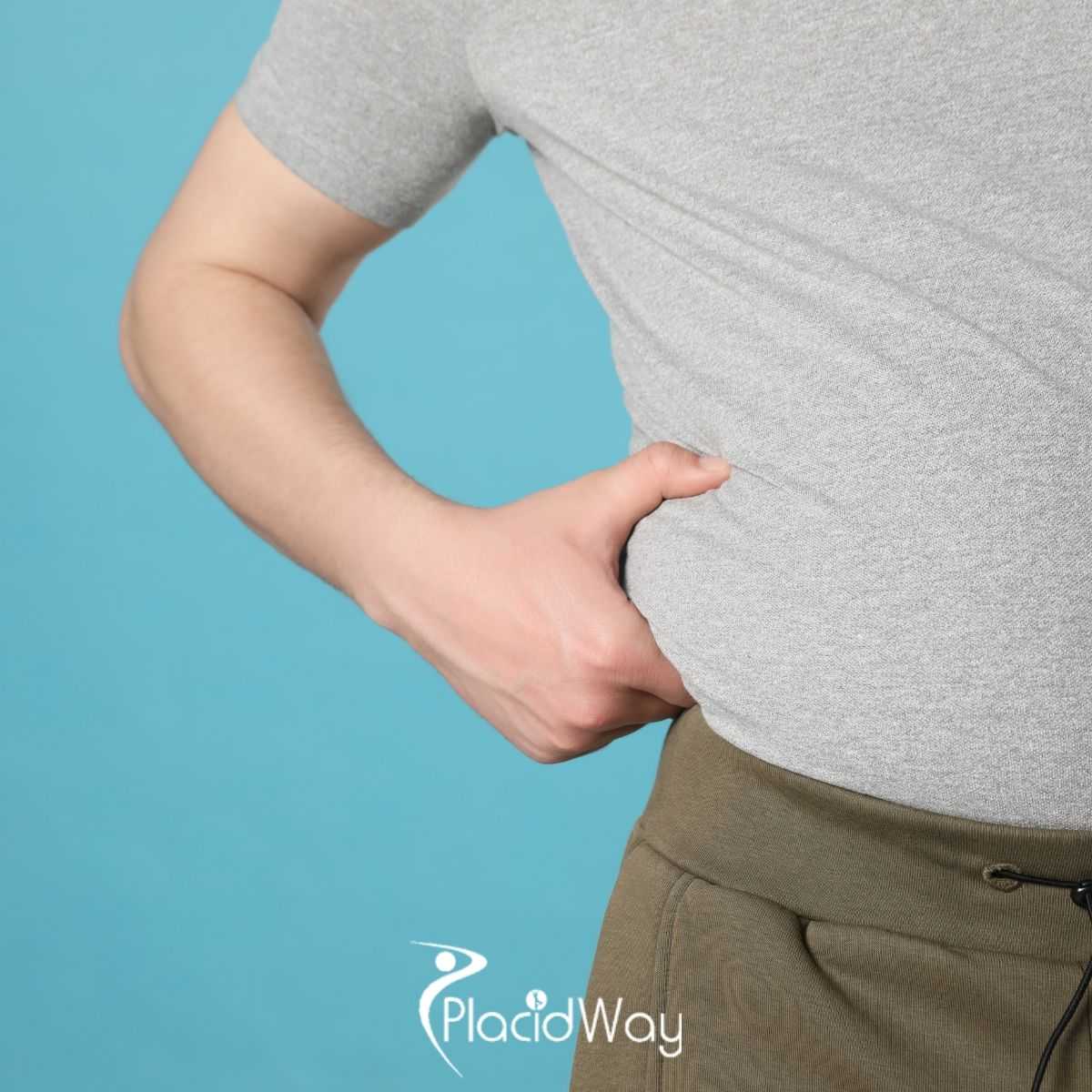
- Patient Suitability: This procedure is specifically designed for adults near their ideal body weight who struggle with localized, diet-resistant fat deposits, not as a general weight-loss solution.
- What to Expect: The journey includes extensive pre-operative health screenings, the minimally invasive fat extraction surgery, and closely monitored immediate aftercare.
- Pre-Travel Requirements: International patients must submit recent comprehensive blood panels and a detailed medical history, alongside securing valid travel documents prior to arrival.
How Much Does Liposuction Cost in the Philippines?
Understanding your financial commitment is a vital step in your medical tourism journey. The Philippines has emerged as a preferred destination because it combines highly skilled medical professionals with lower operational and administrative costs. Below is a realistic comparison of how this destination stacks up against other regions from which patients frequently travel for aesthetic procedures.
To ensure total transparency, we have outlined how your funds are typically allocated. Please note that this detailed cost breakdown is an estimate. Your final package price will depend on your anatomical needs, the specific number of areas being treated, and your surgeon's formal medical assessment.
What Does Your Philippine Liposuction Package Include?
To help you budget effectively for your medical journey, we ensure transparency regarding what is covered. The core package is designed to encompass all essential clinical elements of your surgery.
- Comprehensive in-person surgical consultations and physical assessments prior to the procedure.
- The primary surgeon’s professional fee for performing the fat extraction.
- All standard operating room charges, including sterile supplies and equipment usage.
- Anesthesiologist fees and the cost of general or local anesthesia with sedation.
- Immediate postoperative monitoring in the clinic's recovery room.
- Your first medical-grade compression garment to minimize swelling and support contouring.
- Standard prescription medications for your initial recovery (antibiotics and pain management).
- Scheduled follow-up appointments with your surgeon while you remain in the Philippines.
Potential Out-of-Pocket Expenses
While our packages are comprehensive, medical tourism involves logistical and travel costs that fall outside the clinical scope. You should factor the following items into your overall budget.
- Round-trip international airfare to and from the Philippines.
- Hotel accommodations and lodging for the duration of your required stay.
- Daily meals, transportation, and personal leisure expenses.
- Comprehensive travel insurance and specialized medical complication insurance.
- Additional compression garments (patients often purchase a second one for washing purposes).
- Optional lymphatic drainage massages, which many patients choose to aid in healing.
- Costs related to the treatment of unforeseen medical complications outside the standard protocol.
Are You an Ideal Candidate for Body Contouring?
Liposuction is a highly effective procedure, but it is not a treatment for obesity or a substitute for a healthy lifestyle. The best outcomes are seen in patients who meet specific physical and psychological criteria. You may be an excellent candidate if you relate to the following points.
- Stable Weight: You are within 30% of your ideal body weight and have maintained this weight stably for several months.
- Good Skin Elasticity: Your skin has sufficient collagen and elasticity to shrink and conform smoothly to your new contours once the underlying fat is removed.
- Localized Fat Pockets: You struggle with specific bulges (such as on the abdomen, flanks, thighs, or chin) that do not respond to rigorous diet and exercise.
- General Health: You do not have severe underlying medical conditions that could impair healing, such as uncontrolled diabetes or severe cardiovascular disease.
- Non-Smoker: You are a non-smoker, or you are willing to completely pause nicotine consumption well before and after surgery, as nicotine drastically restricts blood flow and impedes healing.
- Realistic Expectations: You understand that the goal is aesthetic improvement and refinement of your shape, not perfection or massive weight reduction.
Essential Medical Documents for Your Consultation
Because you are traveling internationally for care, your surgical team needs to thoroughly review your health status before you board a plane. To facilitate a smooth preliminary assessment, please prepare to provide the following medical records.
- A recent Complete Blood Count (CBC) and basic metabolic panel.
- A recent Electrocardiogram (ECG) to ensure cardiovascular health, especially for patients over 40.
- A detailed, up-to-date list of all current medications, including herbal supplements and over-the-counter vitamins.
- A comprehensive summary of your past surgical history and any prior reactions to anesthesia.
- Clear, well-lit photographs of the target areas (front, back, and side profiles) for the surgeon's visual evaluation.
Step-by-Step: How Your Fat Removal Procedure Works
Understanding the clinical mechanics of your surgery can significantly reduce pre-travel anxiety. Most modern clinics in the Philippines utilize the "tumescent" technique, which is considered the global gold standard for safety and comfort. Here is a step-by-step overview of what happens in the operating room.
- Anesthesia Administration: Depending on the volume of fat being removed and your comfort level, the anesthesiologist will administer either local anesthesia with intravenous sedation (twilight sleep) or general anesthesia.
- Tumescent Fluid Injection: The surgeon injects a sterile solution—containing saline, a local anesthetic (lidocaine) to relieve pain, and epinephrine to constrict blood vessels—into the targeted fat layers. This fluid swells the fat cells, making them easier to remove while dramatically reducing bleeding and bruising.
- Incision and Cannula Insertion: Tiny, inconspicuous incisions (usually less than a quarter of an inch) are made near the target area. A thin, hollow tube called a cannula is inserted through these micro-incisions.
- Fat Disruption and Suction: The surgeon moves the cannula in a controlled back-and-forth motion to loosen the excess fat. A surgical vacuum or syringe attached to the cannula gently suctions the dislodged fat cells out of the body permanently.
- Closure and Compression: Once the desired contour is achieved, the incisions are typically closed with a few tiny sutures or left slightly open to allow excess fluid to drain. You are immediately placed into a tight compression garment to support your new shape and minimize swelling.
Your Medical Tourism Itinerary: From Arrival to Departure
Proper planning is the cornerstone of a successful medical trip to Philippines. While your specific schedule may vary based on your arrival time and clinic protocols, a typical timeline for international patients looks like this.
- Day 1 (Arrival): You land in the Philippines, transfer to your chosen hotel, and dedicate the day to resting and hydrating after your international flight.
- Day 2 (Pre-Op Consultation): You visit the clinic for an in-depth, face-to-face consultation with your surgeon. Final blood tests are drawn, the surgical plan is confirmed, and your body is marked for the procedure.
- Day 3 (Surgery Day): You arrive at the medical facility fasting. The procedure is performed. After a few hours of monitored recovery, most patients are discharged back to their hotel with a companion.
- Days 4 to 5 (Initial Healing): You rest at your hotel. You will experience the peak of your swelling and soreness during this window. You must wear your compression garment 24/7 and take brief, light walks around your room to promote blood circulation.
- Days 6 to 8 (Follow-Up): You return to the clinic so the surgeon can evaluate your healing, remove any initial dressings or drains, and provide further aftercare instructions.
- Day 9 or 10 (Medical Clearance): Your surgeon conducts a final examination and issues a medical clearance certificate, verifying that you are safely fit to board a long-haul flight back home.
Recommended Stay Duration in the Philippines
Booking your return flight too early is a common pitfall in medical tourism. It is vital to prioritize your physical safety over travel convenience.
- Minimum Requirement: Expect to stay in the country for at least 7 to 10 days post-surgery.
- Flight Risks: Flying too soon after surgery significantly increases the risk of Deep Vein Thrombosis (DVT), a dangerous condition where blood clots form in the legs due to prolonged immobility and altitude changes.
- Final Word: Only your treating physician can provide the final clearance for international travel. Always book flexible or easily changeable return flights in case your body requires a few extra days to heal.
Post-Operative Healing: What to Expect After Liposuction
Recovery requires patience and strict adherence to your doctor's instructions. The healing process is not instantaneous; your body needs time to adapt to its newly contoured shape.
- The First 72 Hours: This is the most uncomfortable phase. Expect significant bruising, swelling, and fluid drainage from the incision sites. You will feel sore, similar to the sensation of an intense, grueling workout. Pain is managed effectively with prescribed medication.
- Weeks 1 to 2: The acute pain transitions to a dull ache. Bruising begins to fade, though swelling remains prominent. Most patients who work desk jobs feel comfortable returning to work, provided they continue wearing their compression garments.
- Weeks 3 to 6: You will notice the swelling noticeably subsiding, giving you a sneak peek at your new silhouette. With your doctor's permission, you can usually resume moderate cardiovascular exercises, though heavy lifting should still be avoided.
- Months 3 to 6: Deep tissue swelling can linger for several months. By the end of this period, the final, refined results of your body contouring will become fully visible as the skin settles entirely.
Understanding the Potential Risks of Fat Reduction Surgery
While liposuction is routinely performed with a high safety profile, it remains a real surgical procedure. Every patient's anatomy reacts differently to invasive treatments. Your surgeon will discuss your personal risk profile comprehensively, but you should be aware of these general possibilities before making a decision.
- Contour Irregularities: The skin may appear bumpy, wavy, or asymmetrical due to uneven fat removal or poor skin elasticity.
- Fluid Accumulation: Temporary pockets of fluid (seromas) can form under the skin, which may need to be drained manually by your doctor.
- Numbness: You may experience temporary or, in rare cases, permanent numbness or altered skin sensation around the treated areas due to minor nerve irritation.
- Infection and Bleeding: As with any operation, there is a risk of localized skin infections or postoperative bleeding, which is why sterile environments and antibiotics are strictly utilized.
- Internal Punctures: In exceedingly rare instances, a cannula that penetrates too deeply can puncture an internal organ, requiring immediate emergency surgical repair.
Realistic Outcomes: Shaping Your Body Contouring Expectations
Achieving satisfaction with your surgery begins with having realistic expectations. Liposuction typically yields beautifully refined proportions, allowing clothing to fit more comfortably and boosting body confidence. However, it is crucial to understand that the procedure does not tighten severely loose skin or cure cellulite. The fat cells removed during surgery are gone permanently, but if you gain significant weight after the procedure, the remaining fat cells in your body can expand, potentially altering your new shape. Committing to a stable, healthy lifestyle post-surgery is the only way to protect your investment and maintain your results long-term.
Frequently Asked Questions
Will the procedure leave large, noticeable scars?
Because the cannulas used are very thin, the required incisions are tiny—often less than a quarter of an inch. Surgeons strategically place these incisions in natural body creases whenever possible. Over time, these small marks typically fade into barely visible blemishes.
How painful is the recovery process?
Patients rarely describe the recovery as agonizing; rather, it feels like intense muscle soreness, similar to the day after a very heavy workout. The most significant discomfort occurs during the first 3 to 4 days and is highly manageable with the oral pain medications prescribed by your doctor.
Why is wearing a compression garment so important?
The compression garment is arguably as important as the surgery itself. It applies even pressure to stop bleeding, reduces debilitating swelling, and physically holds your skin in its new position so it adheres smoothly to the underlying muscle tissues.
Are lymphatic drainage massages necessary?
While not strictly mandatory, many surgeons highly recommend them starting a week after surgery. Lymphatic massage gently moves built-up fluid toward the lymph nodes, which can drastically accelerate the reduction of swelling and prevent the formation of hard lumps beneath the skin.
What happens if I gain weight after my fat removal?
The fat cells suctioned out are gone forever and cannot regenerate. However, your body still contains millions of other fat cells. If you consume excess calories, the remaining fat cells—both in the treated areas and untreated areas—will expand. A healthy diet is essential.
Can liposuction fix loose, sagging skin?
No. Liposuction only removes subcutaneous fat. If you have significant loose skin due to aging, pregnancy, or massive weight loss, simply removing fat can sometimes make sagging more apparent. In these cases, skin excision surgeries (like a tummy tuck) are often recommended instead.
Is it safe to combine this with other cosmetic surgeries?
Yes, it is very common to combine liposuction with procedures like a breast augmentation or a tummy tuck (often referred to as a "Mommy Makeover"). However, combining procedures increases surgical time, anesthesia exposure, and recovery demands, which your surgeon will carefully evaluate.
How soon can I go to the beach or swim in a pool?
Because you are traveling to a tropical destination, the temptation to swim is high. However, you must avoid submerging your incisions in pools, hot tubs, or the ocean for at least 3 to 4 weeks, or until your surgeon confirms the wounds are fully closed, to prevent severe infections.
Will there be a language barrier at the clinic?
The Philippines is highly proficient in English, and it is the primary language used in medical education and corporate healthcare settings there. You will be able to communicate clearly and comfortably with your surgeon, anesthesiologist, and nursing staff without needing a translator.
How do I know if the clinic is legitimate and safe?
Always request to see the clinic's local Department of Health (DOH) certifications and verify the surgeon's board certifications through the Philippine Association of Plastic Reconstructive and Aesthetic Surgeons (PAPRAS) or international equivalent boards prior to booking.
Ready to Start Your Transformation Journey?
Navigating medical options abroad doesn't have to be overwhelming. Let us connect you with accredited specialists in the Philippines who can provide a personalized clinical assessment and a precise, transparent quote based on your unique body goals.
Medical Disclaimer: The information provided on this page is for general informational and educational purposes only and is not a substitute for professional medical advice, diagnosis, or treatment. Always consult with a qualified healthcare provider regarding your eligibility and medical options.





















Share this listing