


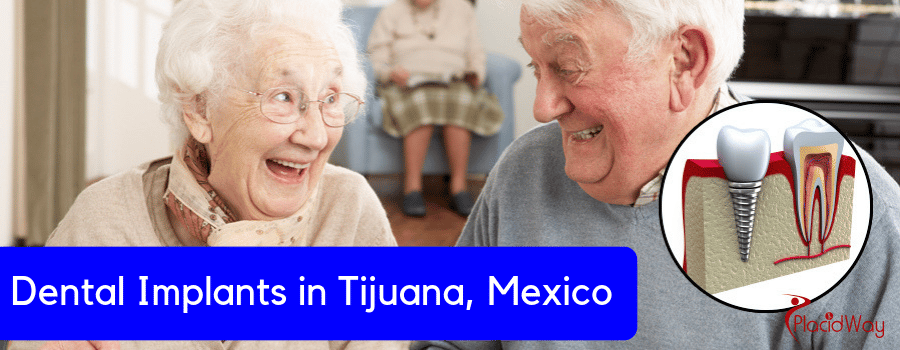
Outstanding Root Canal Treatment in Mexico
Finding Outstanding Root Canal Treatment in Mexico is the ideal solution for patients seeking immediate relief from tooth pain without the exorbitant costs often associated with dental care in the United States or Canada. Thousands of international patients cross the border annually to access world-class endodontic therapy, benefiting from modern clinics that rival those in North America. By choosing Mexico for your dental needs, you are not just saving money; you are accessing a network of highly skilled endodontists who specialize in saving natural teeth using state-of-the-art technology.
The decision to undergo a root canal in Mexico allows you to combine necessary medical attention with a stress-free travel experience. Whether you visit border cities for a quick trip or coastal destinations for a dental vacation, the standard of care remains exceptionally high. Mexican dental clinics utilize advanced digital imaging, 3D cone beam CT scans, and microscopic endodontics to ensure precision and success. With significant cost reductions and minimal wait times, this procedure in Mexico offers a compelling value proposition for anyone requiring urgent or restorative dental work.
Key Takeaways: Root Canal Therapy in Mexico
- Significant Cost Savings: Patients can expect to save between 50% and 70% on root canal procedures compared to US prices, making high-quality care accessible to everyone.
- Expert Endodontists: Mexico boasts a vast number of board-certified specialists who have undergone rigorous training, often in the US or Europe, ensuring top-tier clinical outcomes.
- Advanced Technology: Clinics are equipped with modern dental microscopes, rotary instruments, and digital radiography to perform precise and efficient treatments.
- Convenient Proximity: For many North Americans, dental hubs in Mexico are just a short drive across the border or a quick flight away, minimizing travel fatigue.
- English-Speaking Staff: Communication is seamless as most dental tourism clinics employ bilingual staff and dentists, removing language barriers during your consultation and treatment.
- Quick Appointment Availability: Unlike the long waiting lists often encountered at home, Mexican clinics can typically schedule appointments within days, providing rapid relief from pain.
Cost Overview and Comparison for Root Canal Treatment in Mexico
The financial advantage is the primary driver for many patients seeking endodontic treatment in Mexico. The lower cost of living and lower overhead expenses for clinics in Mexico allow dentists to offer premium services at a fraction of the price found in Western nations. This price difference does not reflect a compromise in quality; rather, it reflects a more affordable economic environment. Patients can often pay for their travel and the procedure and still spend less than they would for the treatment alone in their home country.
| Country | Procedure Cost (Approx.) | Estimated Savings |
|---|---|---|
| Mexico | $250 - $450 | - |
| United States | $1,000 - $1,500 | 70% - 80% |
| Canada | $800 - $1,200 | 60% - 70% |
*Please note that the prices listed above are estimates and can vary based on the complexity of the root canal (e.g., anterior tooth vs. molar), the specific clinic chosen, and the patient's individual dental condition. Additional treatments such as crowns or posts are charged separately.*
What’s Included in the Root Canal Treatment Package
- Comprehensive Dental Examination: A full clinical assessment by a specialized endodontist to determine the extent of infection and the viability of the tooth.
- Digital X-Rays: Pre-operative and post-operative digital radiography (periapical X-rays) to guide the procedure and verify the success of the treatment.
- Local Anesthesia: Administration of high-quality local anesthetics to ensure the procedure is completely pain-free and comfortable for the patient.
- The Root Canal Procedure: Removal of the infected pulp, cleaning and shaping of the canals, and sealing the space with biocompatible material (gutta-percha).
- Temporary Filling: Placement of a temporary seal to protect the tooth structure until the permanent restoration (crown or filling) can be placed.
- Specialist Fees: All professional fees for the endodontist and nursing staff assisting during the procedure.
- Medication Prescription: A written prescription for any necessary antibiotics or pain management medication to be taken during the recovery phase.
What’s Not Included in the Root Canal Treatment Package
- Dental Crown or Permanent Restoration: While the root canal saves the tooth, a crown is often needed to restore strength. This is typically priced separately.
- Post and Core Build-up: If the tooth is severely damaged, a post may be required to anchor the crown, which incurs an additional cost.
- Travel Expenses: Airfare, bus tickets, or fuel costs for driving to the destination in Mexico are not covered in the medical package.
- Accommodation: Hotel stays or rental apartments are the responsibility of the patient, though many clinics can recommend nearby options.
- Meals and Personal Expenses: Food, beverages, and any shopping or tourism activities undertaken during the trip.
- Sedation Dentistry: If a patient requests IV sedation or nitrous oxide for anxiety, this usually carries an extra fee outside the standard package.
Understanding Endodontic Therapy in Mexico
- Purpose of the Procedure: The primary goal of a root canal is to save a natural tooth that is badly decayed or infected. By removing the inflamed or infected pulp (the soft tissue inside the tooth), the dentist prevents the need for extraction and preserves the tooth's function for biting and chewing.
- Types of Treatments: Procedures vary based on the tooth involved. Anterior (front) teeth typically have one canal and are simpler to treat. Premolars may have one or two canals. Molars (back teeth) are the most complex, often having three or four canals that require intricate cleaning and shaping.
- How It Works: The dentist creates an opening in the crown of the tooth to access the pulp chamber. Using small, specialized files, the infected pulp is removed, and the canals are shaped and disinfected. The empty canals are then filled with a rubber-like material called gutta-percha and sealed with adhesive cement.
- Advanced Techniques: Many top clinics in Mexico utilize microscope-enhanced dentistry. This allows the endodontist to see tiny details inside the tooth, locating hidden canals and ensuring thorough cleaning, which significantly increases the long-term success rate of the treatment.
- Recovery Time: Most patients can return to normal activities the day after the procedure. While the tooth may feel sensitive for a few days, the severe pain caused by the infection is usually relieved immediately after the treatment.
- Success Rate: Root canal treatment has a very high success rate, generally over 95%. With proper care and a timely permanent restoration (crown), a treated tooth can last a lifetime, making it a highly effective dental solution.
Who Is the Ideal Candidate for Root Canal in Mexico?
- Patients with Severe Tooth Pain: Individuals experiencing spontaneous pain, throbbing, or pain while biting are prime candidates, as these are classic signs of pulp infection or abscess that require immediate endodontic intervention.
- Sensitivity Sufferers: If you experience prolonged sensitivity to hot or cold temperatures even after the heat or cold has been removed, it indicates irreversible damage to the nerve, necessitating a root canal.
- Budget-Conscious Individuals: Patients who have been quoted high prices in their home country and are looking for affordable alternatives without sacrificing quality will find Mexico to be the perfect destination.
- Uninsured or Underinsured Patients: Those without dental insurance or with plans that have low annual maximums often find that paying out-of-pocket in Mexico is cheaper than their co-pay or full cost at home.
- Travel-Ready Patients: Candidates should be in good enough general health to travel. Since root canals are minimally invasive, most people are fit to travel, but those with complex medical histories should consult their physician first.
- People with Cracked or Chipped Teeth: Trauma to a tooth can expose the pulp to bacteria. Even if there is no visible decay, a crack extending into the pulp requires root canal therapy to save the tooth.
Day-by-Day Itinerary for Your Root Canal in Mexico
- Day 1: Arrival and Initial Evaluation: Arrive in Mexico. Visit the clinic for your initial consultation. The endodontist will review your medical history, take digital X-rays and 3D scans if necessary, and formulate a precise treatment plan. If time permits, the procedure may begin immediately.
- Day 1 (Afternoon) or Day 2: The Procedure: Under local anesthesia, the root canal treatment is performed. This typically takes 60 to 90 minutes. The canals are cleaned, shaped, and filled. A temporary filling is placed to seal the opening. You will return to your accommodation to rest.
- Day 3: Rest and Observation (Optional): Depending on the complexity, some dentists prefer a two-visit approach to ensure the infection is fully cleared before sealing. If completed in one visit, you may use this day for light tourism or rest. If a crown is being made, impressions would have been taken on Day 2.
- Day 4: Final Restoration (If applicable): If you are also getting a dental crown, you will return to the clinic to have the permanent crown fitted and cemented over the treated tooth. This restores full function and aesthetics.
- Day 5: Departure: Final check-up if required, or simply head to the airport or border crossing to return home, pain-free and with significant savings.
What to Expect from Your Root Canal Treatment in Mexico
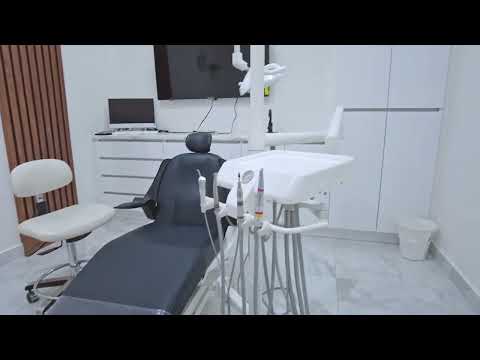
When you choose to undergo Root Canal Treatment in Mexico, you can expect a professional experience that mirrors what you would find in a high-end clinic in the US or Europe. The clinics are clean, modern, and often feature amenities like comfortable waiting areas, Wi-Fi, and English-language entertainment. The staff understands the needs of international patients and strives to make the environment as welcoming and stress-free as possible.
Medically, you should expect the procedure to be virtually painless thanks to effective local anesthesia. You may feel some pressure during the cleaning process, but sharp pain should be absent. After the anesthesia wears off, it is normal to feel some tenderness in the jaw or mild sensitivity, but this is manageable with over-the-counter medication. The most profound expectation is the relief from the agonizing toothache that brought you to the clinic in the first place, allowing you to enjoy your trip and return home with a healthy smile.
Post-Root Canal Recovery in Mexico
- Managing Numbness: Your mouth will remain numb for a few hours after the procedure. Avoid eating or drinking hot beverages until the sensation returns to prevent biting your cheek or burning your mouth.
- Dietary Adjustments: Stick to soft foods for the first few days, such as yogurt, soups, and smoothies. Avoid chewing on the side of the treated tooth until the permanent restoration (crown) is placed to prevent fracturing the fragile tooth structure.
- Pain Management: Mild discomfort is normal. Anti-inflammatory medications like Ibuprofen or Acetaminophen are usually sufficient to manage any soreness. Take them exactly as prescribed by your Mexican dentist.
- Oral Hygiene: Continue to brush and floss your teeth normally, but be gentle around the treated area. keeping the mouth clean is crucial for healing.
- Swelling Control: Minor swelling may occur. Applying an ice pack to the outside of your cheek for 10-15 minutes at a time can help reduce inflammation during the first 24 hours.
- Follow-Up Care: If you are staying in Mexico for a few days, a quick follow-up visit ensures healing is progressing. Once home, see your local dentist for regular checkups to monitor the tooth's health long-term.
Why Choose Mexico for Root Canal Treatment?
- World-Renowned Dental Hubs: Mexico is home to famous dental destinations like Los Algodones (Molar City), Tijuana, and Cancun, where the entire local economy is built around providing excellent dental care to tourists.
- Strict Regulatory Standards: Reputable clinics in Mexico adhere to strict hygiene and sterilization protocols, often following OSHA standards and using autoclave sterilization to ensure patient safety.
- Comprehensive Care Under One Roof: Many clinics are "one-stop-shops" where you can get your root canal, crown fabrication, and even implants done in the same facility, saving you time and logistical hassle.
- Warm and Personal Service: Mexican culture is known for its hospitality. Dentists often spend more time with patients explaining procedures and ensuring comfort than what is typical in high-volume clinics elsewhere.
- Ease of Access: With multiple border crossings and international airports serving major dental tourism cities, getting to Mexico is convenient from almost anywhere in North America.
- Warranty on Work: Many top-tier clinics in Mexico offer warranties on their dental work, providing free repair or replacement if any issues arise within a specified period, giving you peace of mind.
Explore Mexico While You Recover: Top Attractions for Root Canal Patients
- Relax on Pristine Beaches: If your treatment is in Cancun, Cabo San Lucas, or Puerto Vallarta, spend your recovery time relaxing on white sandy beaches. The calming ocean breeze is the perfect antidote to dental stress.
- Cultural Immersion in Mexico City: For those treating in the capital, visit the historic Zócalo, the Frida Kahlo Museum, or the ancient ruins of Teotihuacan. It’s a chance to absorb rich history while your tooth heals.
- Shopping at the Border: In cities like Tijuana or Los Algodones, you can enjoy vibrant markets selling artisan crafts, leather goods, and pottery. It’s a great way to find souvenirs just steps away from the dental clinics.
- Gastronomic Delights: Mexico is a food lover's paradise. While you need to eat soft foods, you can still enjoy authentic tamales, soft fish tacos, and fresh guacamole that are easy on your teeth but full of flavor.
- Spa and Wellness: Many dental tourism destinations are also home to affordable luxury spas. Treat yourself to a massage or a thermal bath to enhance your relaxation and overall sense of well-being during your trip.
FAQs About Root Canal Treatment in Mexico
1. Is getting a root canal in Mexico safe?
Yes, it is very safe when you choose a reputable clinic. Many Mexican endodontists are board-certified and use the same sterilization standards and advanced technology as dentists in the US and Canada.
2. How much does a root canal cost in Mexico?
The average cost ranges from $250 to $450 per tooth, depending on the number of canals and the complexity of the infection. This is significantly lower than the $1,200+ often charged in the US.
3. Do Mexican dentists speak English?
Yes, in major dental tourism hubs, the vast majority of dentists and support staff speak fluent English to accommodate international patients.
4. How long does the procedure take?
A standard root canal usually takes between 60 to 90 minutes. However, if the infection is severe, it might require two visits over a period of 2-3 days.
5. Will I need a crown after the root canal?
In most cases, yes. A root canal removes the pulp and blood supply, making the tooth brittle. A crown protects it from fracturing. This can be done at the same clinic, usually requiring a few days for fabrication.
6. Can I drive back home after the procedure?
Yes, most patients are able to drive immediately after the procedure, provided they only received local anesthesia. If you opted for sedation, you will need a companion to drive you.
7. What if something goes wrong after I return home?
reputable clinics offer warranties on their work. If an issue arises related to the treatment, they will often fix it for free if you return. It is important to clarify warranty terms before treatment.
8. Do I need a passport to go to Mexico for dental work?
Yes, a valid passport or passport card is required for US and Canadian citizens to re-enter their home country from Mexico.
9. Can I pay with US dollars?
Almost all dental clinics in tourist areas accept US dollars, credit cards, and sometimes traveler's checks. It is advisable to check payment methods in advance.
10. How do I find a good endodontist in Mexico?
Research is key. Look for reviews, check credentials, ask for before/after photos, and use trusted medical tourism platforms like PlacidWay to connect with verified and accredited clinics.
Start Your Journey to Pain-Free Dental Health Today
PlacidWay is your trusted partner in navigating the world of medical tourism. We simplify the process of finding the best dental care in Mexico by connecting you with top-rated providers. Here is how PlacidWay helps you secure outstanding Root Canal Treatment:
- Access to Accredited Clinics: We only partner with medical centers and dental clinics that meet rigorous international standards for hygiene, safety, and quality care.
- Transparent Pricing: We provide you with clear, upfront cost estimates so you can budget effectively without fear of hidden fees or surprise charges.
- Direct Communication: Our platform facilitates direct contact with the dental providers, allowing you to ask questions and discuss your specific needs before you even book.
- Patient Support and Advocacy: From the moment you inquire until your treatment is complete, our team offers guidance and support to ensure a smooth experience.
- Customized Treatment Packages: We help tailor dental packages that suit your medical requirements and budget, ensuring you get the best value for your money.



.png)
-(1).png)










Share this listing