


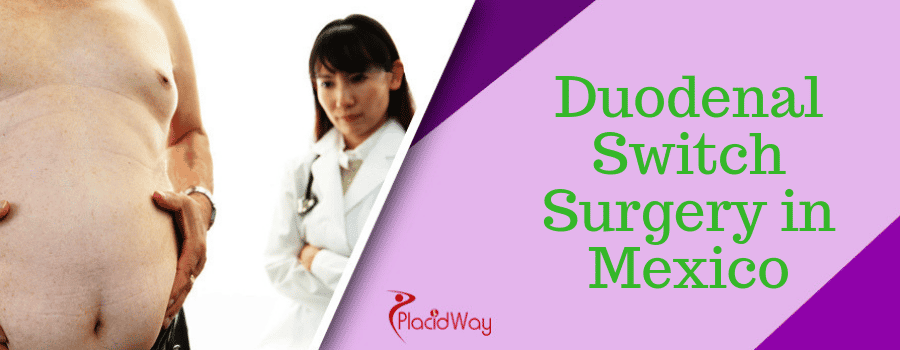
Duodenal Switch Surgery in Mexico
Duodenal Switch Surgery in Mexico is becoming a premier choice for international patients seeking significant weight loss results and the remission of comorbidities like type 2 diabetes. By choosing this effective bariatric package, patients can access world-class medical care at a fraction of the cost found in the United States or Canada, without compromising on safety or quality. The procedure, known scientifically as Biliopancreatic Diversion with Duodenal Switch (BPD/DS), combines restrictive and malabsorptive techniques to provide one of the most powerful tools available for long-term weight management.
Medical tourism for bariatric procedures has evolved significantly, and opting for a Duodenal Switch in Mexico allows patients to be treated in JCI-accredited hospitals and modern clinics equipped with state-of-the-art technology. Thousands of patients travel annually to take advantage of these affordable medical packages, which often include hospital fees, surgeon costs, and post-operative care. With board-certified surgeons who specialize in high-BMI cases and complex revision surgeries, Mexico stands out as a leading destination for those ready to transform their health and reclaim their lives through metabolic surgery.
Key Takeaways: Duodenal Switch in Mexico
- Significant Cost Savings: Patients can save between 60% to 70% on Duodenal Switch surgery compared to prices in the US and Canada.
- Expert Surgical Teams: Access to bariatric surgeons who are board-certified and have performed thousands of successful weight loss procedures.
- Comprehensive Care: Most packages are all-inclusive, covering surgical fees, anesthesia, hospital stays, and pre-operative evaluations.
- High Success Rates: The Duodenal Switch is renowned for offering the highest expected weight loss and best resolution of metabolic diseases among bariatric surgeries.
- Modern Facilities: Surgeries are performed in top-tier hospitals in Mexico that adhere to strict international hygiene and safety standards.
Cost Overview and Comparison for Duodenal Switch Surgery in Mexico
The financial advantage is the primary driver for many patients considering medical tourism. The cost of Duodenal Switch Surgery in Mexico is significantly lower than in Northern America due to the lower cost of living, affordable malpractice insurance, and lower overhead expenses for hospitals. This price difference does not reflect a lack of quality; rather, it makes high-level healthcare accessible to those who might be uninsured or underinsured in their home country.
| Country | Average Procedure Cost (USD) | Estimated Savings |
|---|---|---|
| Mexico | $6,500 - $9,500 | N/A |
| United States | $25,000 - $35,000 | 65% - 75% |
| Canada | $20,000 - $30,000 | 60% - 70% |
| United Kingdom | $18,000 - $25,000 | 50% - 60% |
Note: The prices listed above are estimates and may vary based on the complexity of the medical case, the specific surgeon selected, the hospital facility, and current exchange rates. A personalized quote is recommended for accuracy.
What’s Included in the Duodenal Switch Surgery Package
- Comprehensive Medical Evaluation: Complete pre-operative consultations with the bariatric surgeon, anesthesiologist, and internal medicine specialist.
- Surgical Fees: Full coverage of the surgeon's fee, assistant surgeon's fee, and nursing staff for the duration of the procedure.
- Hospitalization: Standard hospital stay (typically 2 to 3 nights) in a private or semi-private room with 24/7 monitoring.
- Anesthesia and Equipment: Cost of general anesthesia, operating room rental, and all standard surgical supplies including staplers.
- Pre-op and Post-op Tests: Necessary laboratory work, blood panels, electrocardiograms (EKG), and chest X-rays performed on-site.
- Medications: All necessary medications required during the hospital stay, including painkillers and antibiotics.
- Nutritional Support: Initial consultation with a bariatric nutritionist to guide the post-surgery diet phases.
- Ground Transportation: Shuttle service between the airport, the hotel, and the hospital facility (varies by clinic).
What’s Not Included in the Duodenal Switch Surgery Package
- Airfare: Round-trip flights to and from Mexico are generally the responsibility of the patient.
- Additional Hotel Nights: Accommodation costs for days outside the specified package itinerary or for accompanying guests.
- Take-Home Medications: Prescription medications required after discharge (painkillers, antibiotics, blood thinners) to be taken at home.
- Medical Complications Insurance: Specialized travel insurance to cover potential complications is usually optional but highly recommended.
- Vitamin Supplements: Long-term bariatric vitamins and mineral supplements required for life after the surgery.
- Personal Expenses: Meals for companions, phone calls, tourism activities, and shopping expenses.
Understanding Duodenal Switch Surgery in Mexico
The Duodenal Switch is a complex but highly effective bariatric procedure. Understanding the mechanics and purpose of this surgery is crucial for patients traveling to Mexico. It is often reserved for patients with a high Body Mass Index (BMI) or those who have not achieved desired results with other methods.
- Dual Mechanism: The procedure is both restrictive and malabsorptive. It involves removing a portion of the stomach to create a sleeve (restriction) and rerouting the small intestine to reduce calorie and nutrient absorption (malabsorption).
- How it Works: The surgeon first performs a sleeve gastrectomy, leaving a banana-shaped stomach. Then, the intestines are rearranged so that food bypasses a significant portion of the small intestine, mixing with digestive juices only for a short segment.
- Primary Benefits: Patients typically experience greater total weight loss compared to gastric bypass or sleeve gastrectomy alone. It is also extremely effective at resolving obesity-related conditions like hypertension and high cholesterol.
- Metabolic Impact: The surgery alters gut hormones that control hunger and satiety, helping patients feel full sooner and stay full longer, effectively resetting the body's metabolic set point.
- Recovery Time: Most patients spend 2-3 days in the hospital and recover in a local hotel for another 3-4 days before flying home. Full recovery to normal activities usually takes 4 to 6 weeks.
- Success Rate: Studies show that Duodenal Switch patients can lose 70% to 80% of their excess body weight within two years, with excellent long-term weight maintenance statistics.
Who Is the Ideal Candidate for Duodenal Switch Surgery?
Not everyone is a candidate for this aggressive form of weight loss surgery. Surgeons in Mexico adhere to strict medical guidelines to ensure patient safety. The ideal candidate profile usually includes specific BMI criteria and health history considerations.
- Super Obese Category: Patients with a BMI greater than 50 constitute the primary candidate pool, as the powerful malabsorptive component helps shed significant mass.
- Severe Comorbidities: Individuals suffering from uncontrolled type 2 diabetes, severe sleep apnea, or heart disease often benefit most from the metabolic changes induced by the DS.
- Revision Patients: Those who have previously undergone a Gastric Sleeve or Gastric Band surgery but failed to lose adequate weight or experienced weight regain often convert to a Duodenal Switch.
- Commitment to Vitamins: Candidates must be strictly disciplined regarding a lifelong regimen of vitamin and mineral supplements, as the risk of deficiency is higher with this procedure.
- Psychological Readiness: Patients must be mentally prepared for a permanent lifestyle change and have realistic expectations regarding the surgical outcome and dietary restrictions.
Day-by-Day Itinerary for Your Duodenal Switch Surgery in Mexico
A typical medical tourism trip for bariatric surgery in Mexico lasts about one week. This structured itinerary ensures that patients are well-prepared before the operation and monitored sufficiently afterward.
- Day 1: Arrival and Consultation: Arrive at the destination airport. You will be picked up and taken to the clinic or hotel. Perform final pre-op blood work and have a face-to-face consultation with your surgeon and anesthesiologist.
- Day 2: Surgery Day: Check into the hospital. Prep for surgery begins in the morning. The procedure takes approximately 3 to 4 hours under general anesthesia. Later, you will begin the recovery process in your private room.
- Day 3: Hospital Recovery: Monitoring of vital signs continues. You will be encouraged to stand up and walk short distances to promote circulation and prevent blood clots. A leak test is often performed.
- Day 4: Observation and Nutrition: Continued observation in the hospital. Introduction of ice chips or clear liquids to ensure the new stomach system is functioning correctly without nausea.
- Day 5: Discharge from Hospital: If stable, you will be discharged from the hospital and transported to your recovery hotel. You will continue a strict liquid diet and rest.
- Day 6: Rest and Recuperation: A free day to rest at the hotel. Relax, stay hydrated, and walk lightly around the hotel grounds. A final check-up with the doctor may happen late in the day or the next morning.
- Day 7: Departure: Transportation to the airport for your flight home. You will be provided with discharge papers, dietary guidelines, and instructions for follow-up with your local physician.
What to Expect from Your Duodenal Switch Surgery in Mexico
Patients choosing Duodenal Switch Surgery in Mexico should anticipate a transformative journey that extends far beyond the operating room. The immediate post-operative period involves managing some pain and discomfort, which is controlled with medication. Gas pain is common due to the laparoscopic nature of the surgery but usually subsides within a few days with walking.
Long-term expectations include rapid weight loss, especially in the first 12 months. Patients typically report a massive improvement in energy levels and mobility as the weight comes off. However, the alteration in digestion means bathroom habits will change; patients may experience more frequent bowel movements and must avoid high-fat foods to prevent gastrointestinal distress. Success relies heavily on adhering to the high-protein diet and vitamin regimen prescribed by the Mexican medical team.
Post-Duodenal Switch Surgery Recovery in Mexico
Recovery is a critical phase where the body heals and adapts to the new digestive system. While the initial recovery takes place in Mexico, the long-term healing happens at home. Understanding the phases of recovery is essential for safety and comfort.
- Dietary Phases: You will progress through specific stages: clear liquids (week 1), full liquids (week 2), pureed foods (weeks 3-4), and finally soft solids. Strict adherence prevents complications like leaks or blockages.
- Wound Care: Incisions from the laparoscopic ports are small and usually closed with absorbable sutures or surgical glue. Keep them clean and dry. Signs of infection like redness or fever should be reported immediately.
- Activity Levels: Heavy lifting (over 10-15 lbs) is prohibited for at least 4 to 6 weeks to prevent hernias. However, frequent walking is mandatory starting from the day of surgery to prevent deep vein thrombosis (DVT).
- Hydration is Key: Dehydration is the most common reason for readmission. You must sip water constantly throughout the day, aiming for at least 64 ounces, though you cannot gulp large amounts at once.
- Vitamin Regimen: Because the DS is malabsorptive, you must start your bariatric-specific multivitamins, calcium, and iron supplements as directed by your surgeon immediately upon returning home.
- Follow-up Care: You will need to schedule blood tests with your local doctor at 1 month, 3 months, 6 months, and annually thereafter to monitor nutrient levels.
Why Choose Mexico for Duodenal Switch Surgery?
Mexico has solidified its reputation as a global leader in bariatric tourism. Beyond the attractive pricing, there are compelling reasons regarding quality and convenience that draw patients from around the world.
- Proximity and Convenience: For patients in the US and Canada, Mexico is a short flight away. Cities like Tijuana are even accessible via land border crossing from San Diego, making travel logistics easier.
- Highly Experienced Surgeons: Mexican bariatric surgeons often perform a higher volume of surgeries than their US counterparts, leading to high proficiency in complex procedures like the Duodenal Switch.
- No Waiting Lists: Unlike the healthcare systems in Canada or the UK, where wait times can span years, surgery in Mexico can often be scheduled within weeks of approval.
- Personalized Patient Care: Medical tourism coordinators often provide a VIP experience, with dedicated staff assisting with language barriers, transportation, and nursing care.
- State-of-the-Art Infrastructure: Leading clinics utilize the same advanced laparoscopic equipment and stapling technology found in top US hospitals.
Explore Mexico While You Recover: Top Attractions for Patients
While the primary purpose of the trip is medical, the recovery period before flying home allows for some light, relaxing exploration. Depending on the city where your surgery is performed (often hubs like Tijuana, Guadalajara, or Cancun), there are low-impact activities suitable for recovering patients.
- Relaxing Hotel Resorts: Many recovery hotels function like resorts, offering beautiful pools (for sitting by, not swimming immediately), gardens, and comfortable lounges perfect for reading and resting.
- Cultural Markets: If you are feeling up to a short walk, visiting local artisan markets to buy souvenirs, ceramics, or textiles can be a gentle way to experience the culture without physical strain.
- Scenic Drives: Hire a driver to take a scenic tour of the city or coastline. This allows you to see the sights from the comfort of an air-conditioned vehicle without needing to exert yourself.
- Medical Spas: Some facilities are located near or within medical spas that offer gentle massages (extremities only) or relaxation therapies that can aid in stress reduction during recovery.
- Local Gastronomy (Visual): While you cannot eat solid food, experiencing the vibrant atmosphere of authentic Mexican plazas and enjoying the music and ambiance is a treat for the senses.
FAQs About Duodenal Switch Surgery in Mexico
1. Is Duodenal Switch surgery in Mexico safe?
Yes, when performed by a board-certified surgeon in an accredited hospital, the safety standards are comparable to those in the US. It is vital to research the surgeon’s credentials and facility accreditation.
2. Why is the cost so much lower in Mexico?
The lower cost is due to lower cost of living, reduced administrative overhead, lower malpractice insurance premiums, and favorable exchange rates, not a reduction in medical quality.
3. Will my US insurance cover the procedure in Mexico?
Generally, US domestic health insurance does not cover medical procedures performed internationally. Most patients pay out-of-pocket or utilize medical financing options.
4. How long do I need to stay in Mexico?
Most packages recommend a stay of 5 to 7 days. This includes pre-op testing, the surgery, hospital recovery, and a few days of hotel recovery before flying home.
5. Can I bring a companion?
Yes, bringing a companion is highly recommended for support. Most packages allow a companion to stay in the hotel room at no extra cost, though their meals and flights are usually extra.
6. What happens if there is a complication after I return home?
You should establish a relationship with a local doctor before you leave. If a complication arises, seek immediate care locally. Some medical tourism insurance policies cover follow-up care costs.
7. How much weight will I lose?
Duodenal Switch patients typically lose the most weight of all bariatric patients, often averaging 70-80% of their excess weight within 18 to 24 months.
8. Is the language barrier a problem?
Major medical tourism hospitals in Mexico have bilingual staff, and surgeons are often fluent in English. Coordinators are available to translate if necessary.
9. Do I need a passport to go to Mexico?
Yes, a valid passport is required for all international travel to Mexico, regardless of whether you fly or drive across the border.
10. What accreditation should I look for?
Look for hospitals with CSG accreditation (General Health Council of Mexico) or JCI (Joint Commission International) accreditation to ensure high standards of care.
Ready to Transform Your Life with PlacidWay?
PlacidWay is your trusted partner in navigating the world of medical tourism. We connect you with the top bariatric specialists in Mexico to ensure your Duodenal Switch surgery is safe, affordable, and successful.
- Vetted Medical Providers: We exclusively partner with certified clinics and hospitals that meet rigorous international healthcare standards.
- Personalized Assistance: Our team helps you compare doctors, understand packages, and communicate directly with the medical staff before you commit.
- Transparent Pricing: Get clear, upfront cost estimates with no hidden fees, helping you budget effectively for your procedure.
- Comprehensive Resources: Access patient testimonials, before-and-after photos, and detailed surgeon profiles to make an informed decision.
- Free Quotes: We facilitate direct communication to get you a customized, no-obligation quote from the best providers in Mexico.





.png)
.png)
.png)
.png)








Share this listing