



Let’s be completely honest for a moment: you can plank until your core is trembling, blend enough green smoothies to power a small village, and reach your absolute ideal weight, but sometimes your body simply refuses to let go of that extra, overstretched skin. Whether it is the beautiful, yet physically demanding aftermath of pregnancy or the incredible achievement of massive weight loss, your abdominal tissue and underlying muscles do not always snap back the way you hoped they would. If you are exhausted from constantly tucking your stomach into high-waisted jeans, hiding behind baggy sweaters, and feeling overwhelmingly frustrated by a stubborn lower belly pouch that no amount of dieting can fix, a professional abdominoplasty (commonly known as a tummy tuck) might just be the exact physical reset you have been desperately looking for.
This specialized, highly structured medical travel package offers a full-scale tummy tuck procedure located in the modern, exceptionally advanced medical hub of Monterrey, Mexico. It is meticulously designed for individuals who are currently sitting at a stable weight but struggle daily with loose abdominal skin, weakened fascia, and separated core muscles. This all-inclusive surgical experience provides direct access to board-certified plastic surgeons operating inside state-of-the-art, internationally accredited facilities. You are not just flying down for a quick procedure; you are stepping into a meticulously planned, deeply supportive healthcare journey that prioritizes your absolute safety, personal comfort, and long-term aesthetic goals from the moment you land.
Starting at an incredibly accessible price point of $3,400, this foundational package typically covers your primary surgical fees, facility usage, and standard general anesthesia. Patients should comfortably expect to spend around 7 to 10 days in the beautiful city of Monterrey to ensure a safe, closely monitored initial recovery before being medically cleared to fly home. Please keep in mind that your true medical suitability, the precise surgical techniques required for your unique anatomy, and the finalized pricing can only be officially determined after a thorough, highly individualized medical assessment by your chosen surgical team.
Transparent Tummy Tuck Package Pricing and Detailed Cost Breakdown
Navigating healthcare costs across international borders should absolutely not require a master's degree in accounting or late nights decoding hidden hospital fees. We firmly believe in total financial transparency from day one, so you can confidently plan your medical journey without the lingering fear of surprise invoices springing up while you are trying to recover in your hospital bed. The estimated starting price for a standard, straightforward tummy tuck package in Monterrey is thoroughly established at $3,400 USD.
This figure represents a highly competitive, remarkably accessible rate for world-class surgical care. By choosing Monterrey, patients frequently save anywhere from 50% to 70% when directly compared to equivalent cosmetic procedures in the United States, Canada, or the United Kingdom. It is crucial to understand that this massive cost reduction is driven by Mexico's lower cost of living, reduced overhead for medical facilities, and distinct malpractice insurance structures—it is absolutely not a reflection of compromised medical excellence, outdated technology, or relaxed safety protocols. You are paying for top-tier surgical skill, not bloated healthcare administrative costs.
| Service / Medical Expense Category | Estimated Cost and Inclusion Details |
|---|---|
| Starting Package Base Price | $3,400 USD (Estimated starting point for a standard abdominoplasty without complex add-ons). |
| Lead Surgeon & Assisting Team Fees | Fully included within the base package price. |
| Board-Certified Anesthesiologist | Fully included within the base package price. |
| Operating Room & Clinical Facility Fees | Fully included within the base package price. |
| Post-Op Compression Garment (Faja) | One primary garment usually included. (Additional, specialized recovery garments typically range from $80 to $150 each). |
| Pre-Operative Medical Diagnostics | Typically costs between $100 and $250. (Frequently excluded from the base price as requirements vary heavily by patient age and health). |
*Important Medical Pricing Note: Please be fully aware that the $3,400 price is a preliminary starting estimate meant for a standard, uncomplicated abdominoplasty. Highly complex surgical cases, massive weight loss patients requiring extended procedures (such as a Fleur-de-Lis or an extended 360 tummy tuck), the addition of extensive liposuction (which is very frequently combined for better waistline contouring), and your unique anatomical requirements will heavily influence the final, customized quote provided directly by the surgical team after your evaluation.
Comprehensive Tummy Tuck Package Inclusions: What You Are Paying For?
A truly successful, stress-free surgical journey is about vastly more than just the three hours you spend asleep on the operating table. It encompasses the preparation, the environment, and the immediate aftercare. The starting procedure price generally encompasses the heavy, core medical requirements needed to safely and successfully perform your surgery. While absolute final inclusions will always vary slightly based on specific clinic offerings and seasonal promotions, you can confidently expect the following vital services to be covered in your foundational package:
- Primary Surgeon and Assisting Team Fees: This provides full financial compensation for the lead board-certified plastic surgeon mapping out and executing your surgery, as well as the dedicated, highly trained surgical assisting nurses and scrub technicians who maintain a flawless operating environment.
- Complete Anesthesia Services: This covers the professional fees for the licensed, specialized anesthesiologist who will put you to sleep, continuously monitor your heart rate, oxygen levels, and blood pressure, and safely wake you up. It also includes the high-grade anesthetic medications required to keep you safely asleep and completely pain-free.
- Operating Room and Facility Utilization: You gain complete use of a fully accredited, meticulously sterile operating theater. This covers the usage of modern surgical technology, sterilization equipment, and all disposable surgical supplies used uniquely for your operation.
- Medical Consultations: This spans both your initial virtual pre-travel consultation (where you discuss goals over video call) and the incredibly comprehensive, in-person pre-operative physical evaluation that takes place the day before your surgery in Monterrey.
- In-Patient Post-Op Medications: Basic, essential intravenous painkillers, anti-nausea medications, and prophylactic antibiotics administered by nursing staff while you are formally admitted to the surgical facility for your first night of recovery.
- First Stage Compression Garment: You will be provided with one high-quality, medical-grade compression garment (often called a faja) that is carefully applied by the surgical staff immediately after your surgery finishes. This is absolutely essential to manage severe swelling, prevent fluid buildup, and support your newly tightened healing tissues.
- Mandatory Follow-up Appointments: Crucial post-operative check-ups with your surgeon at the Monterrey clinic in the days following your surgery. These visits are used to meticulously monitor your incision healing, safely remove fluid drains when ready, and finally, medically clear you for the flight home.
Tummy Tuck Package Exclusions: What You Need to Budget For?
To utterly prevent any stressful, panic-inducing financial surprises popping up while you should be exclusively focusing on resting and healing, it is tremendously vital to know exactly what is not wrapped into that starting package price for tummy tuck. International medical travel involves logistics beyond the clinic walls. You will need to carefully account for the following personal, logistical, and peripheral medical expenses:
- Airfare and Travel Transportation: Round-trip international flights to and from Monterrey International Airport (MTY), as well as daily ground transportation between your hotel and the clinic (unless you specifically arrange and pay for a VIP medical transport add-on package).
- Hotel and Recovery Accommodations: The total cost of your mandatory 7 to 10-day stay in a local Monterrey hotel, Airbnb, or specialized medical recovery house after you are officially discharged from the clinic's overnight care.
- Pre-Operative Diagnostic Testing: Independent laboratory blood work, EKGs (electrocardiograms), or chest X-rays that are strictly required before your anesthesiologist will grant clearance for surgery. These are usually done a day or two before the procedure.
- Outpatient Take-Home Medications: The prescriptions you will need to have filled at local Mexican pharmacies to sustain your recovery at the hotel. This typically includes a week's worth of oral antibiotics, heavy pain relievers, muscle relaxers, and sometimes anticoagulants to prevent blood clots.
- Medical Tourism Complication Insurance: While highly reputable surgeons have low complication rates, bodies are unpredictable. Specialized insurance policies that cover the unexpected, potentially massive costs of treating rare surgical complications are not included but are universally, highly recommended for all international patients.
- Post-Operative Lymphatic Massages: Specialized, extremely gentle massages designed to push excess surgical fluid out of the body to reduce swelling and prevent hard lumps (fibrosis). Most surgeons highly recommend 5 to 10 sessions starting shortly after surgery.
- Additional Surgical Procedures: If you and your surgeon mutually decide to add extensive liposuction to the back and flanks, or perhaps include a breast lift to create a comprehensive "Mommy Makeover," those separate procedures carry entirely separate, additional surgical and operating room fees.
Who is Actually Considered an Ideal Candidate for Tummy Tuck?
Let's clear up the biggest myth in plastic surgery right now: a tummy tuck is absolutely, unequivocally not a weight-loss procedure. It will not cure obesity, and it will not replace the fundamental need for a healthy diet and active lifestyle. In reality, it is a highly targeted body contouring surgery designed to address structural issues that diet cannot fix. The most wildly successful outcomes—both medically safe and visually stunning—happen when patients strictly meet specific health, lifestyle, and emotional criteria.
You may potentially be considered an excellent, low-risk candidate for this transformative procedure if you comfortably fall into the following critical categories:
- You have reached and maintained a highly stable weight: This is arguably the most important factor. Significant weight fluctuations—either gaining or losing 20+ pounds—after your surgery can stretch out the newly tightened skin or create new pockets of loose skin, completely reversing the beautiful surgical results you paid for. Surgeons typically look for a highly stable Body Mass Index (BMI) for at least 6 to 12 months prior to surgery. Furthermore, a BMI strictly under 30 (or sometimes up to 32 depending on the surgeon's rules) is often required to drastically minimize severe anesthesia risks and lower the chances of catastrophic wound healing complications.
- You are definitively finished growing your family: While it is entirely physically possible and generally safe for both mother and baby to experience a pregnancy after a tummy tuck, it is highly discouraged from an aesthetic standpoint. Future pregnancies will inevitably stretch the meticulously repaired abdominal muscles and skin, likely negating the precise, expensive surgical work you invested in, and requiring a revision surgery later on.
- You suffer from severe diastasis recti: This is the clinical medical term for the vertical separation of the underlying abdominal muscles, most commonly caused by the immense pressure of pregnancy or carrying extreme excess weight. No amount of pilates, targeted core exercises, or physical therapy can physically fuse these torn muscles back together once the connective tissue is permanently stretched. It absolutely requires physical surgical repair (suturing) to restore core strength, alleviate associated lower back pain, and create a truly flat profile.
- You are a dedicated non-smoker (or absolutely willing to quit): Nicotine is a vicious vasoconstrictor. It drastically shrinks your blood vessels, which literally chokes off the critical blood and oxygen supply needed for your traumatized tissues to heal. Smoking or vaping vastly, undeniably increases the terrifying risk of tissue necrosis (where the skin literally turns black and dies) and severe, systemic infections. You must absolutely commit to stopping all nicotine products—including vapes, gums, and patches—for at least 4 to 6 full weeks before and after surgery.
- You possess grounded, psychologically realistic expectations: A tummy tuck will vastly, beautifully improve your abdominal contour, allowing clothes to fit better and restoring a youthful silhouette. But it will absolutely leave a permanent, significant scar (strategically placed as low as possible on the bikini line). Understanding deeply that the ultimate goal is vast improvement, not flawless, airbrushed perfection, is the key to immense postoperative happiness and mental well-being.
Required Medical Records for a Safe Preliminary Assessment
Because you are traveling across international borders for major, elective surgery, your physical safety is the absolute highest priority for any reputable clinic. Top-tier surgeons in Monterrey operate under strict, uncompromising international safety protocols. Long before a surgical date is firmly booked and your deposit is accepted, your medical team must meticulously review your comprehensive health profile. They have to guarantee beyond a shadow of a doubt that your body can safely handle the immense stress of general anesthesia and manage the intense, grueling physical demands of recovery without failing.
You will normally be required to provide the following highly detailed medical records and fresh test results prior to travel:
- Comprehensive Blood Panel (CBC & CMP): This usually includes a Complete Blood Count to meticulously check for hidden anemia or underlying infections. A Comprehensive Metabolic Panel is also required to assess your kidney and liver function, ensuring your organs can safely process and eliminate the heavy anesthetic drugs from your system.
- Detailed Coagulation Profile (PT/PTT/INR): This specialized test verifies exactly how fast your blood clots. If your blood is too thin, you risk catastrophic bleeding on the operating table; if it clots too fast, you are at a massive risk for deep vein thrombosis (DVT) post-surgery.
- Electrocardiogram (EKG): This is frequently a hard requirement for all patients over the age of 40, or anyone with even a mild history of hypertension or heart murmurs. It ensures your cardiovascular health is incredibly stable enough to withstand the blood pressure drops associated with deep anesthesia.
- Exthaustive Medical History Form: A full, fiercely honest disclosure form listing absolutely all past surgeries, chronic conditions (like type 2 diabetes, asthma, or thyroid issues), and any personal or family history of deep vein thrombosis or adverse anesthesia reactions.
- Current, Complete Medication List: A complete, unedited inventory of all prescription drugs, over-the-counter painkillers, and especially herbal supplements you take daily. (Items like daily aspirin, ibuprofen, fish oil, and certain vitamins like Vitamin E must be stopped weeks prior to surgery as they severely increase bleeding risks).
- High-Quality, Unedited Photographs: Specific, well-lit photos of your bare abdomen (front, 45-degree angle, and side profiles) so the surgeon can visually assess the severity of skin laxity, exact fat distribution, and visible muscle separation long before you buy a plane ticket.
How a Tummy Tuck Actually Works?
Understanding exactly what happens while you are deeply asleep can alleviate a tremendous amount of paralyzing pre-surgery anxiety. The mystery is often scarier than the reality. An abdominoplasty is a highly customized, structurally profound, multi-step operation that typically takes anywhere between two to four intense hours, depending entirely on the sheer amount of tissue being removed and whether additional contouring (like aggressive flank liposuction) is performed simultaneously.
Here is the full surgical procedure explained in plain, straightforward, non-medical language so you know precisely what you are signing up for:
- Anesthesia Administration and Prep: Once wheeled into the sterile OR, you will be placed entirely under general anesthesia by a certified anesthesiologist. Within seconds, you will be completely asleep, blissfully unaware, and absolutely unable to feel even a hint of pain for the entire duration of the surgery. Your skin is then scrubbed with deep antimicrobial solutions.
- The Primary Incision: The surgeon takes a scalpel and makes a long, precise horizontal incision on the very lowest part of your abdomen. They intentionally place it low enough—often right above the pubic hairline—so that the resulting scar will be easily hidden by most underwear and standard bikini bottoms. The actual length of this incision depends totally on the amount of loose skin being addressed; it can run strictly hip-bone to hip-bone, or wrap slightly around the sides for massive weight loss patients. A second, much smaller, circular incision is then made right around your belly button to completely free it from the surrounding stretching tissue.
- Muscle Repair (The Internal Corset): This is where the magic happens. The surgeon literally lifts the entire apron of abdominal skin and fat upward, all the way to your ribcage, to reveal the underlying fascia and separated abdominal muscles. Using incredibly heavy, often permanent medical sutures, they pull these separated muscles back together tightly down the center line. This action acts exactly like a permanent internal corset, instantly flattening the bulging belly and drastically narrowing your waistline from the inside out.
- Skin Resurfacing, Stretching, and Removal: With the foundation now tight, the massive flap of abdominal skin is stretched firmly back down over the newly tightened muscles, like pulling a tailored sheet tight over a mattress. The surgeon then meticulously measures and cuts away all the excess, overlapping skin that hangs below the incision line. This is the moment those stubborn stretch marks below the belly button are thrown in the medical waste bin.
- Belly Button Re-positioning: Because the original skin has been pulled severely downward, your original belly button is now buried under the skin flap. The surgeon carefully cuts a brand new, tiny hole in the newly draped skin for your original belly button stalk to pop through in its correct, natural anatomical position, suturing it beautifully and securely in place.
- Meticulous Closure and Final Dressing: The massive hip-to-hip incision is closed using multiple, deep layers of dissolving sutures to relieve tension on the skin, followed by skin adhesives or specialized medical tapes on the surface to ensure the finest possible scar line. Small, thin plastic tubes (surgical drains) may be temporarily placed under the skin, exiting near the pubic bone, to prevent dangerous fluid from building up. Finally, while still asleep, you are carefully fitted with a tight compression garment (faja).
Your Complete Tummy Tuck Surgery Timeline
Medical travel requires a well-structured, borderline militant itinerary. You are not on a beach vacation; you are on a highly focused medical mission. Knowing exactly what each day holds allows you to pace yourself mentally and physically, eliminating the fear of the unknown. Here is a highly detailed, step-by-step outline of a standard medical trip to Monterrey for an abdominoplasty:
Day 1: Arrival, Transport, and Settling In
You touch down at Monterrey International Airport (MTY). Usually, a pre-arranged clinic driver meets you at the gate, helps with your luggage, and drives you directly to your hotel or dedicated recovery house. Your only job today is to check in, unpack your loose clothing, hydrate heavily with water, and eat a very light, low-sodium meal. Rest is critical.
Day 2: The Critical Pre-Operative Assessment
You are driven to the clinic for your vital in-person pre-op. Blood is drawn for last-minute testing. You sit down face-to-face with your surgeon, who will review the surgical plan, manage expectations, and draw precise surgical markings directly on your abdomen with a sharpie. You will sign extensive informed consent paperwork. The anesthesiologist will also evaluate you. Any final, lingering questions you have are answered here.
Day 3: The Day of Surgery
You arrive at the clinic bright and early, completely fasting (no food or water for 8-12 hours prior). You are prepped, the IV is placed, and the procedure is flawlessly performed. Upon finally waking up groggy in the recovery room, you will remain in the clinic's dedicated in-patient recovery ward overnight. Nurses will check your vitals, empty your drains, and administer IV pain medication every few hours.
Day 4-5: Initial Discharge and the "Humble" Rest
Once cleared by the attending doctor, you are gently loaded into a vehicle and discharged back to your local Monterrey hotel. This phase is incredibly humbling. It is about strict, uncompromising rest in a reclined position, managing severe discomfort with your prescribed oral medication, and taking very short, slow, hunched-over walks around your hotel room every two hours to promote vital blood circulation and prevent clots.
Day 6-9: Monitored Recovery and Drain Removal
You will attend scheduled follow-up appointments at the clinic. During this crucial window, if your fluid output is low enough, the dreaded surgical drains are finally, painlessly removed (a huge milestone). Swelling is visually at its absolute peak, making you look bloated, but the sharp, acute pain usually begins subsiding into a deep, dull, achy soreness. You will start feeling slightly more human.
Day 10-12: Final Medical Clearance and Journey Home
Your surgeon conducts a rigorous, final evaluation of your incisions. Once they confidently confirm the incisions are healing safely, there is no sign of brewing infection, and you are mobile enough, they issue your official "fit to fly" certificate. You are cleared to carefully board your flight back home, though you will still need wheelchair assistance at the airport.
Mandatory Length of Stay and Strict Travel Clearance
A tummy tuck is major, traumatic bodily surgery, and rushing back to a crowded airport just to save a few dollars on hotel fees is highly dangerous and completely reckless. Patients must plan and budget to stay in Monterrey for an absolute minimum of 7 to 10 full days post-surgery.
This mandatory waiting period is not merely a polite suggestion by the clinic; it is a critical, non-negotiable safety protocol. Flying immediately after extensive abdominal surgery severely, exponentially increases the risk of developing deep vein thrombosis (lethal blood clots in the legs) due to drastic changes in airplane cabin pressure, prolonged cramped sitting, and the body's natural, hyper-active inflammatory response to surgical trauma.
It is utterly vital to explain that your final travel clearance depends entirely, 100% on the treating physician’s assessment and your patient’s individual recovery progress. If a complication arises during your stay, such as a localized infection, delayed wound healing, or massive fluid buildup (seroma), your surgeon may strictly require you to extend your stay in Mexico by a few extra days to receive proper, immediate treatment. Always, always book flexible, changeable flights and ensure you have a comfortable financial buffer for potential extended hotel stays.
Recovery and Long-Term Aftercare: What to Truly Expect?
Healing from a full abdominoplasty is a marathon, not a sprint. Do not expect to bounce back in a week. Your body is expending an enormous, unseen amount of metabolic energy repairing deep muscle tissue, generating new blood vessels, and knitting skin back together. Impatience is your biggest enemy here. Here is exactly how the intense recovery process typically unfolds in stages:
The First Week: The "Hunched" Survival Phase
The first 7 days are undeniably the most physically and mentally challenging. Your newly tightened abdomen will feel incredibly, suffocatingly tight, making it literally impossible to stand completely upright. You will walk with a severe, hunched-over posture (like an elderly person) to avoid pulling violently on your fresh incisions. Sleeping must absolutely be done strictly on your back, propped up in a V-shape with pillows under your knees and behind your head to take all tension off the core (a recliner chair is often a godsend). You will desperately need assistance getting out of bed, showering (only once explicitly permitted), and emptying your bloody surgical drains. Heavy medication will manage the sharp pain, but it will leave you feeling foggy, nauseous, and deeply fatigued.
Weeks 2 and 3: Turning the Corner and Finding Your Footing
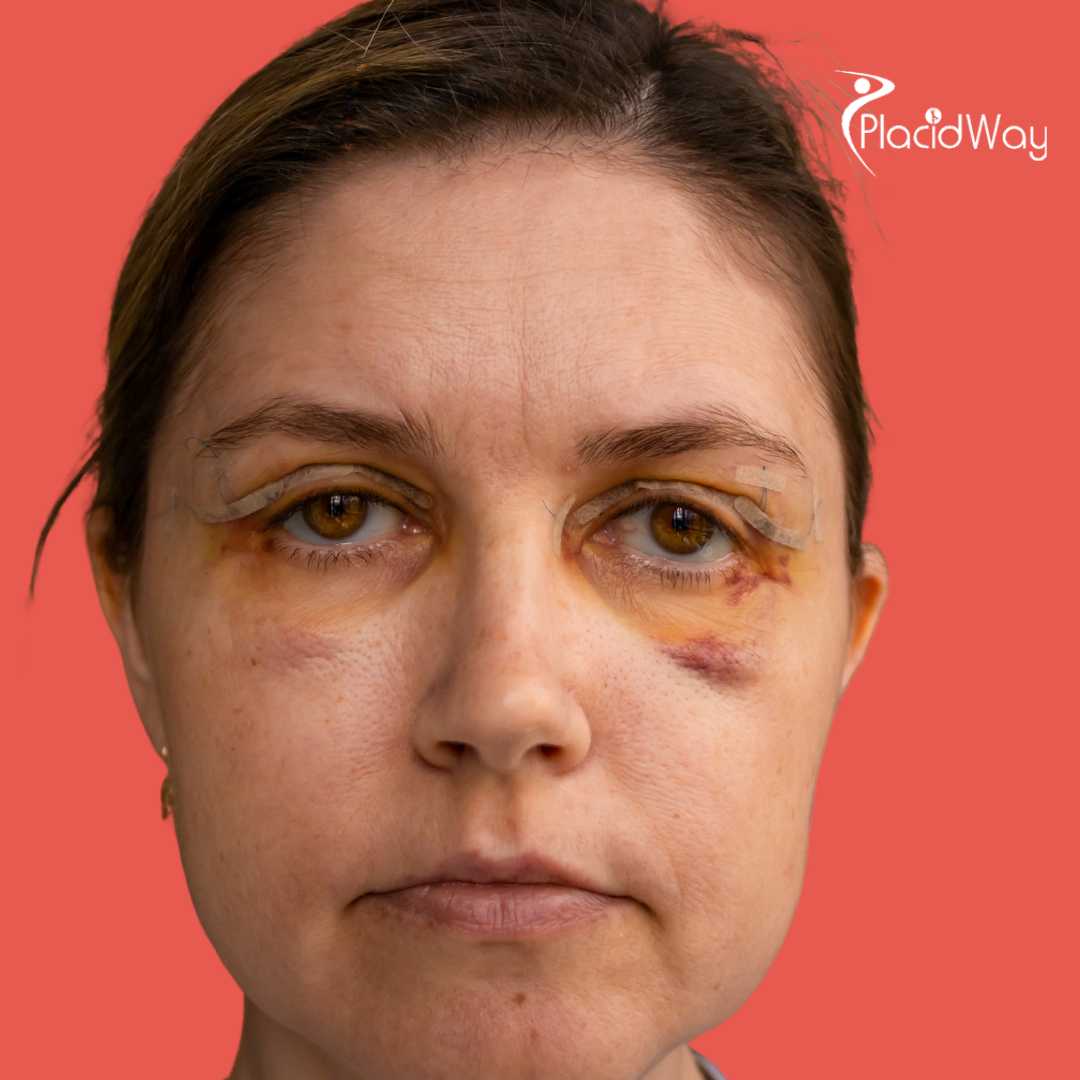
By the second week, your drains are usually out, which provides immense mental relief. You will slowly, millimeter by millimeter, begin to stand straighter each day as the skin stretches slightly to accommodate your new shape. The sharp, stabbing surgical pain transitions into a deep, intense muscle ache, remarkably similar to having done a brutal, 1000-rep core workout. Ugly, yellow and purple bruising will peak and slowly begin to fade, though abdominal swelling remains incredibly prominent (your stomach may feel hard to the touch). You can usually return to light, low-stress desk work during this time, but lifting anything over 5 to 10 pounds (including toddlers, laundry baskets, or pets) is strictly, fiercely prohibited. You will live in your sweaty compression garment 24/7, taking it off only to shower.
Weeks 4 to 6: Easing Back into Normal Life
By a month out, energy levels finally return much closer to normal. You can likely stand fully, proudly upright without any terrible tightness pulling at your scar. Your surgeon may finally clear you for light, steady cardiovascular exercise, like brisk outdoor walking or easy stationary biking. However, direct core exercises (crunches, planks), heavy weightlifting, and high-impact cardio (running, jumping) are still strictly off-limits as the internal muscle sutures are still vulnerable to tearing. Deep, stubborn swelling will start to noticeably reduce, revealing the stunning, emerging contours of your new, flat abdomen.
Months 3 to 12: The Final, Long-Term Reveal
It is crucial to know that the deeply layered internal tissues continue furiously healing long, long after the surface incision has perfectly scabbed and closed. It can realistically take up to six full months (and sometimes a full year) for the last remnants of microscopic, inflammatory swelling to completely resolve. Only then will you see your absolute final result. During this long window, the thick, raised scar tissue will begin slowly softening, flattening, and fading from a dark, angry red/purple to a much lighter, less noticeable pink or white line. Bizarre sensory changes, such as intense numbness, "zaps" of nerve pain, or hypersensitivity near the incision line, may persist for many months as severed nerves slowly try to reconnect.
Understanding of Risks and Possible Complications
Like absolutely any major surgery requiring deep general anesthesia, massive incisions, and significant internal tissue manipulation, a tummy tuck carries very real, inherent medical risks. While choosing a highly experienced, board-certified surgeon in a highly rated, sterilized facility drastically mitigates these risks, they absolutely cannot be eliminated entirely. It is fundamentally crucial to enter this intense process fully informed and eyes wide open.
Potential, documented complications include, but are certainly not limited to:
- Seroma or Hematoma: The dangerous accumulation of excess clear fluid (seroma) or pooled blood (hematoma) hiding deep under the skin flap. If severe, this may require emergency draining with a large needle or a minor secondary procedure to evacuate the fluid and prevent infection.
- Bacterial Infection: Infections at the main incision site or deep within the muscle repair that require strong oral antibiotics, or in severe, highly dangerous cases, a return to the hospital for intravenous (IV) antibiotics and surgical wound cleaning.
- Poor Wound Healing and Ugly Scarring: Incisions can heal agonizingly slowly, physically separate (dehiscence), or result in thick, raised (keloid), or incredibly wide scars. This is particularly common if post-op movement restrictions are foolishly ignored, putting tension on the stitches.
- Tissue Necrosis: The literal death of tissue (skin or fat) due to a catastrophic lack of adequate blood supply. This horrifying complication is incredibly common in patients who secretly smoke before surgery or have unmanaged, severe diabetes. It requires surgical removal of the dead tissue and leaves horrific scarring.
- Changes in Skin Sensation: Profound numbness, intense tingling, or painful hypersensitivity in the abdominal area and upper thighs. While this usually takes months to slowly resolve, in rare cases, the nerve damage and numbness can be entirely permanent.
- Deep Vein Thrombosis (DVT) and Pulmonary Embolism (PE): The formation of heavy blood clots in the deep veins of the legs that can shockingly break loose and travel instantly to the lungs (PE). This is a severe, rapidly life-threatening emergency that is mitigated by mandatory early walking and post-op blood thinners.
Please note clearly: Explain that this provided list is absolutely not exhaustive. The treating physician will discuss individual, specific risks in profound, sobering detail during your informed consent process. Do not let blind fear dictate your choices, but approach this massive surgery with a deep, healthy respect for your body's limits and follow all medical protocols designed to protect your life.
What a Tummy Tuck Can and Cannot Do?
The main, driving treatment goals of an abdominoplasty are the critical functional restoration of the weakened abdominal wall and the dramatic aesthetic improvement of the body's overall contour. By completely removing excess, non-elastic, hanging skin and brutally tightening the weakened, separated fascia, patients may typically expect a significantly flatter, much firmer abdominal profile that is vastly more proportionate to their overall body weight and frame.
Beyond just looking incredible in swimwear, many patients profoundly find that physically repairing the separated abdominal muscles (diastasis recti) often massively improves their core stability. This structural repair may subsequently, and wonderfully, relieve certain chronic types of lower back pain, correct posture issues, and even improve mild cases of stress urinary incontinence.
However, it is overwhelmingly imperative to set highly realistic expectations. Individual results vary incredibly significantly based on your natural bone anatomy, age, inherent skin elasticity, and exactly how your unique genetics dictate healing. A tummy tuck cannot and will not magically erase all stretch marks on your body (though those strictly located on the excised skin below the belly button will be permanently removed). It is absolutely not a cure for obesity, and it definitively does not guarantee a specific cosmetic result or a flawless, symmetrical "ideal" body shape. The ultimate longevity of your beautiful results heavily, almost entirely depends on you maintaining a stable weight and committing to a healthy lifestyle in the decades following your surgery.
World-Class Healthcare Standards in Monterrey, Mexico
If you picture medical tourism in Mexico as a dusty back-alley clinic, you are wildly misinformed. Monterrey is globally recognized and frequently referred to as the industrial, corporate, and financial business capital of Mexico. This immense, affluent status translates directly and powerfully into its booming, ultra-modern healthcare infrastructure. For discerning international patients seeking elective, high-end cosmetic surgery, Monterrey offers a pristine medical environment that not only closely mirrors but sometimes vastly exceeds the strict clinical standards found in top-tier hospitals in the US and Canada.
The booming city is proudly home to numerous Joint Commission International (JCI) and stringent local government-accredited hospitals. These massive, gleaming facilities enforce rigid, uncompromising protocols for surgical infection control, advanced sterile instrument processing, and rapid-response emergency care. The specialized clinics catering exclusively to international medical tourists are deeply, financially invested in state-of-the-art surgical technology and purposely utilize fully equipped intensive care units (ICUs) located just steps away from the operating theaters for maximum, uncompromised patient safety. Additionally, highly educated bilingual medical staff, fluent English-speaking surgeons, and dedicated, empathetic patient coordinators are the absolute standard, ensuring that every piece of communication regarding your intimate medical care is clear, compassionate, and precise.
Frequently Asked Questions
Is it truly safe to travel to Monterrey for a major surgery?
Yes. Monterrey is widely and statistically considered one of the safest, most modern major metropolitan cities in Mexico, particularly in the affluent, highly secure healthcare and business districts like San Pedro Garza García. However, as with absolutely any international travel to any country, patients should practice common sense. You should strictly utilize vetted, private medical transport services arranged directly by your clinic, stay in recommended tourist or designated medical recovery zones, and adhere to all standard government travel safety advisories. You are there for surgery, not nightlife.
Can I seamlessly combine a tummy tuck with liposuction?
Yes, absolutely, and this is incredibly, vastly common. In the medical field, it is often officially referred to as a "lipo-abdominoplasty." While the standard tummy tuck brilliantly removes the loose skin and physically repairs the torn muscle, aggressive liposuction is very frequently applied simultaneously to the flanks (love handles), upper abdomen, and bra roll to create a much more sculpted, snatched, and contoured waistline. This will, however, inevitably increase the total package price and slightly extend the time you are under anesthesia.
What exactly is a surgical drain, and will I definitely need one?
Surgical drains are small, clear, flexible silicone tubes placed deep under the skin flap during surgery. They gracefully exit the body through tiny holes near the pubic bone and connect to squeeze-bulbs that actively collect excess internal blood and bodily fluids. They are crucial because they prevent painful seromas (massive fluid pockets) from forming. While some highly advanced surgeons now perform specific "drainless" tummy tucks using specialized, time-consuming suturing techniques, many top surgeons still heavily rely on drains for 3 to 7 days post-op to guarantee optimal, complication-free healing.
Realistically, how long will the scar be, and can I easily hide it?
The permanent horizontal scar typically runs firmly from hip bone to hip bone, varying significantly in length depending exactly on how much excess skin desperately needs to be removed. Brilliant surgeons meticulously and strategically plan this incision line to sit incredibly low on the pubic area, perfectly allowing it to be easily and entirely concealed beneath normal underwear and most standard swimsuit bottoms. Over a long 12-18 month period of diligent scar care, the red line often fades significantly into a thin, pale mark.
Will I drop a lot of weight from getting a tummy tuck?
No. This is the biggest misconception. While you will technically step on the scale and lose a few pounds consisting purely of the physical, excised skin and the minor subcutaneous fat tissue attached to it (typically ranging between just 3 to 5 pounds total), a tummy tuck is absolutely not a weight-loss tool. It dramatically changes your physical shape and contour, not the big number on the scale. Patients should be strictly at or near their final goal weight before ever undergoing the procedure.
What actually happens if I accidentally get pregnant after the surgery?
Pregnancy after a tummy tuck is entirely medically safe for both the mother and the developing baby; your skin will stretch to accommodate the growth. However, the immense physical stretching of the abdomen during those nine months will highly likely undo the delicate, internal muscle repair (diastasis recti correction) and create brand new loose, hanging skin. You will have effectively ruined the aesthetic results, potentially requiring a highly expensive, complex revision surgery in the future to restore your pre-pregnancy, post-tuck results.
Honestly, how long until I can get back to the gym and exercise again?
Light, agonizingly slow walking around your house is fiercely encouraged immediately to prevent lethal blood clots. Mild, steady cardiovascular exercise (like a gentle walk on a treadmill or a stationary bike) may be officially approved by your doctor around the 4-week mark. However, heavy weight lifting, strenuous running, and absolutely any direct core or abdominal exercises (sit-ups, heavy squats) are strictly, rigidly prohibited for at least 6 to 8 full weeks, pending your surgeon's final ultrasound clearance, to prevent ripping your internal muscle sutures.
Do I absolutely need to bring someone with me to Monterrey?
It is highly, urgently recommended that you travel with a trusted, capable adult companion. For the first 3 to 4 days post-surgery, you will have incredibly limited, painful mobility. You will desperately need physical help sitting up in bed, managing and tracking your bloody drains, retrieving meals, and remembering complex medication schedules while groggy on narcotics. If you must travel alone, you must absolutely arrange and pay for 24/7 professional nursing care at a dedicated recovery house.
Why is everyone so obsessed with me stopping smoking before surgery?
Because it can literally destroy your body. Nicotine is a wildly powerful vasoconstrictor, meaning it rapidly shrinks your blood vessels and severely, dangerously limits the amount of oxygen-rich blood that reaches your traumatized tissues. A tummy tuck lifts a massive flap of skin, drastically reducing its blood supply; it requires maximum blood flow to survive and heal. Smoking dramatically, terrifyingly increases the risk of tissue death (necrosis, where your skin turns black and falls off), terrible, gaping scars, and major, life-threatening infections.
How soon will I actually see my beautiful final results in the mirror?
While you will thrillingly notice a vastly flatter, tighter profile immediately after waking up, severe, hard surgical swelling completely obscures the true, refined results for several long weeks. At the 3-month mark, roughly 80% of the swelling is finally gone, giving you a very strong, accurate idea of your final shape and waistline. However, it takes a full 6 to 12 long months for absolutely all deep internal tissue to heal, the final lingering micro-swelling to vanish, and your scars to fully mature and soften.
Ready to Safely Explore Your Surgical Options in Monterrey?
Taking that massive first step toward a more comfortable, incredibly confident you requires accurate, transparent information directly tailored to your unique body and medical history. Our dedicated team is here to help you effortlessly navigate medical records, connect you with world-class accredited facilities, and help you understand the exact, finalized pricing for your specific needs—with absolutely zero pressure or pushy sales tactics.
Request Free QuoteImportant Medical Disclaimer: The highly detailed content provided within this package overview is strictly for general informational, educational, and preparatory purposes only. It is absolutely not intended as a substitute for professional medical advice, formal diagnosis, or actual treatment plans; true eligibility for any surgical procedure fundamentally requires a direct, in-person clinical evaluation by a fully qualified, board-certified healthcare provider.
Authoritative Medical References
- Tummy Tuck (Abdominoplasty) Overview and Patient Safety – American Society of Plastic Surgeons (ASPS)
- Tummy Tuck: Why it's done, severe risks, and what to realistically expect – Mayo Clinic
- Abdominoplasty Surgical Techniques, Muscle Repair, and Complications – StatPearls (National Center for Biotechnology Information)
- Blood Clots and Air Travel: What You Urgently Need to Know Post-Surgery – Centers for Disease Control and Prevention (CDC)
- Quit Smoking Before Major Surgery to Prevent Catastrophic Complications – American College of Surgeons
.jpg)


.png)



.png)
.jpg)



.jpg)
.jpg)
.jpg)









Share this listing