


Request a video call
Confirm Your Virtual Consultation
ARVTA Hospital in Bidar, India Profile Overview
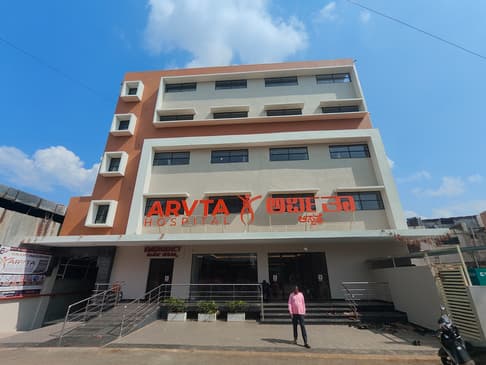
ARVTA Hospital in Bidar, India | Orthopaedics and Robotic Knee Replacement
ARVTA Hospital provides orthopaedic consultations for persistent knee pain, arthritis and reduced mobility. An assessment brings together your symptoms, knee movement, imaging and response to earlier treatment. If advanced joint damage continues to limit daily activities despite non-surgical care, the surgeon may discuss knee replacement and whether robotic assistance is appropriate.
The hospital also offers hip and spine assessment, 24/7 accident and trauma care, anaesthesia, critical care and physiotherapy. Patients considering planned surgery can use the consultation to understand the proposed operation, request an itemised USD estimate and plan for follow-up.
Knee Pain and Arthritis Assessment at ARVTA Hospital
An orthopaedic consultation at ARVTA Hospital can help establish why knee pain, stiffness or instability is limiting movement. The surgeon can examine how the knee bends and straightens, assess its alignment and stability, and review X-rays alongside the symptoms. That combination helps determine whether the pain comes from advanced joint damage or whether another problem needs assessment.
For patients whose symptoms can be managed without surgery, the team may discuss physiotherapy, activity changes or medical treatment. If joint damage is advanced and pain continues to interfere with everyday activities despite treatment, the surgeon can explain whether replacement is worth considering. The decision takes into account your overall health, what you want to regain and the rehabilitation you would need.
What to Bring. Previous images and written reports, details of earlier injuries or operations, and a list of medicines or physiotherapy already tried. Note what helped and for how long. The surgeon can review existing records before deciding which additional tests would be useful.
| Care Option | When It May Be Discussed |
|---|---|
| Non-Surgical Knee Care | When symptoms may respond to medical treatment, activity changes or targeted physiotherapy. Agree on how progress will be reviewed. |
| Robotic-Assisted Knee Replacement | When advanced knee damage significantly restricts daily activities despite non-surgical care. The surgeon assesses suitability for replacement and the role of robotic assistance. |
| Hip Replacement Assessment | When assessment points to advanced hip damage. The treatment decision and rehabilitation plan are specific to the hip and your mobility needs. |
| Arthroscopy Assessment | For selected joint problems where a camera-assisted procedure may help. The diagnosis determines what the surgeon would address and which alternatives are appropriate. |
Enquire About an Orthopaedic Consultation
Share which joint is affected, how long you have had symptoms and whether you already have imaging or a diagnosis. Ask which ARVTA Hospital specialist handles your concern and what the team needs for the first visit.
Mention ARVTA Hospital and your treatment interest in the request form.
Robotic-Assisted Knee Replacement at ARVTA Hospital
Knee replacement involves replacing damaged joint surfaces with implant components. At ARVTA Hospital, the robotic system can assist with planning and guide selected steps during the operation. The surgeon decides how to use the system and performs the procedure. The hospital describes a laminar-flow operating theatre for robotic knee surgery, which uses controlled airflow in the operating environment.
Surgical Suitability and Pre-Anaesthesia Assessment
The surgeon considers the extent of knee damage, alignment, prior treatment and limitations such as difficulty standing, walking or using stairs. If surgery is recommended, the anaesthesia team reviews your medical conditions, current medicines, allergies and any previous reactions. The team can then explain the proposed anaesthesia plan, whether further assessment is needed and what monitoring to expect after the operation.
Risks, Discharge and Early Recovery
Possible complications include infection, blood clots, lasting stiffness and ongoing pain. Discuss your individual risks and realistic goals for walking or daily activities. Discharge planning should take account of pain control, your ability to move safely with any prescribed aid, and the support available where you will recover.
Written discharge instructions should cover wound care, medicines, prescribed exercises and contact details for concerns. Increasing wound redness, drainage, fever or new calf pain and swelling warrant prompt medical assessment. Sudden chest pain or breathlessness requires emergency care.
Joint, Spine, Trauma and Rehabilitation Services in Bidar, India
Founded by three orthopaedic surgeons, ARVTA Hospital provides planned joint and spine care alongside round-the-clock accident and trauma assessment. Imaging, anaesthesia, critical care and rehabilitation support the hospital’s surgical and medical services.
Fracture Management and Complex Orthopaedic Trauma
The team uses examination and imaging to assess the fracture’s position and stability and check for other injuries. A fracture may need immobilisation or surgery, depending on the findings. If you are seeking a second opinion after treatment elsewhere, previous images, procedure notes and any current restrictions on weight-bearing help the surgeon assess healing and plan the next step.
Spine Care and Sports Injuries
Spine consultations cover back and neck pain, disc-related symptoms and suspected nerve compression. An assessment can help determine whether treatment should begin with medical care or rehabilitation, or whether further investigation or a surgical opinion is needed. Sports injury care covers problems involving ligaments, tendons, muscles and joints. The assessment helps guide protection of the injury and a gradual return to activity.
Neurosurgery and 24/7 Accident Care
ARVTA Hospital’s trauma service assesses accidents, including suspected head and spinal injuries. Depending on the findings, care may include stabilisation, CT imaging, neurological observation, critical care or neurosurgical assessment. A suspected serious head injury needs prompt emergency care, especially if there is repeated vomiting, worsening confusion, a seizure or loss of consciousness.
Internal Medicine, Anaesthesia and Critical Care
Internal medicine provides assessment and management of adult medical conditions. For someone planning surgery, an existing condition such as diabetes or heart disease may affect preoperative testing or monitoring. The anaesthesia team evaluates those needs around surgery. The Intensive Cardiac Care Unit provides close monitoring and intensive support for patients who need it.
Pain Management and Bone Density Assessment
The hospital evaluates persistent musculoskeletal pain to identify what may be driving symptoms and whether medical treatment, activity changes or physiotherapy is appropriate. A DEXA scan measures bone mineral density and can help assess osteoporosis or fracture risk. The clinician can explain how the result would affect your care, particularly if you have had fractures or previous bone density testing.
Physiotherapy After Surgery or Injury
Physiotherapy can support recovery after joint replacement, fractures and sports injuries, and may be appropriate for selected spine conditions. The programme can include work on joint movement, strength, balance, walking and everyday tasks. A discharge plan should explain which exercises to continue, any movement restrictions and how the team will judge when you can progress.
On-Site Imaging, Laboratory and Pharmacy
ARVTA Hospital provides digital X-ray, CT, ultrasound, DEXA and laboratory testing. X-rays can help assess joint damage, alignment or suspected fractures. CT can provide more detail when the clinician needs it, including for some injuries. The hospital also has an in-house pharmacy. For planned surgery, ask whether medicines used during admission and prescriptions needed after discharge are covered by the same estimate.
ARVTA Hospital Knee Replacement Costs and USD Quotes
ARVTA Hospital’s public pages do not list fees for these services. For knee replacement, request a written USD estimate that identifies the operation, the knee involved, the proposed implant and the number of hospital days covered. Ask which charges are included for the surgeon, anaesthesia, robotic assistance, tests and medicines.
Check the cost of the first follow-up, any physiotherapy sessions and prescriptions after discharge. Ask what would change the estimate, including additional tests, extended admission or treatment of complications. When comparing estimates, match the scope of surgery and aftercare line by line.
Consultations and Procedures
| Treatment/Service | Price in USD |
|---|---|
| Orthopaedic Consultation | Request a USD Quote |
| Robotic-Assisted Knee Replacement | Request a USD Quote |
| Hip Replacement | Request a USD Quote |
| Arthroscopy | Request a USD Quote |
Diagnostics and Rehabilitation
| Treatment/Service | Price in USD |
|---|---|
| Digital X-Ray, CT, Ultrasound, DEXA or Laboratory Tests Ask for each recommended test to be itemised. | Request a USD Quote |
| Physiotherapy and Rehabilitation Check included sessions and the charge per additional visit. | Request a USD Quote |
Request an Itemised Treatment Estimate
If you already know the recommended procedure, include its name and the affected joint. Ask for the expected admission charges, follow-up costs and exclusions. A written breakdown helps you budget for the operation and recovery before you commit to dates.
Mention ARVTA Hospital and the procedure you want priced in the request form.
Orthopaedic Surgeons and Anaesthesia Consultants at ARVTA Hospital
The orthopaedic team evaluates joint injuries and arthritis and discusses medical care, rehabilitation or surgery. If an operation is planned, the anaesthesia and critical care teams review medical risks and support monitoring during and after the procedure.

Dr. Vaibhhav
Director and Consultant Orthopaedic and Robotic Joint Replacement Surgeon
Dr. Vaibhhav assesses knee and hip arthritis, fractures, shoulder conditions and sports injuries. His clinical interests include joint preservation, arthroscopy and knee and hip replacement. His scope is relevant to patients comparing joint-preserving care with a replacement assessment.
Qualifications. MBBS, MS Orthopaedics, fellowship training in robotic joint replacement and arthroscopy.
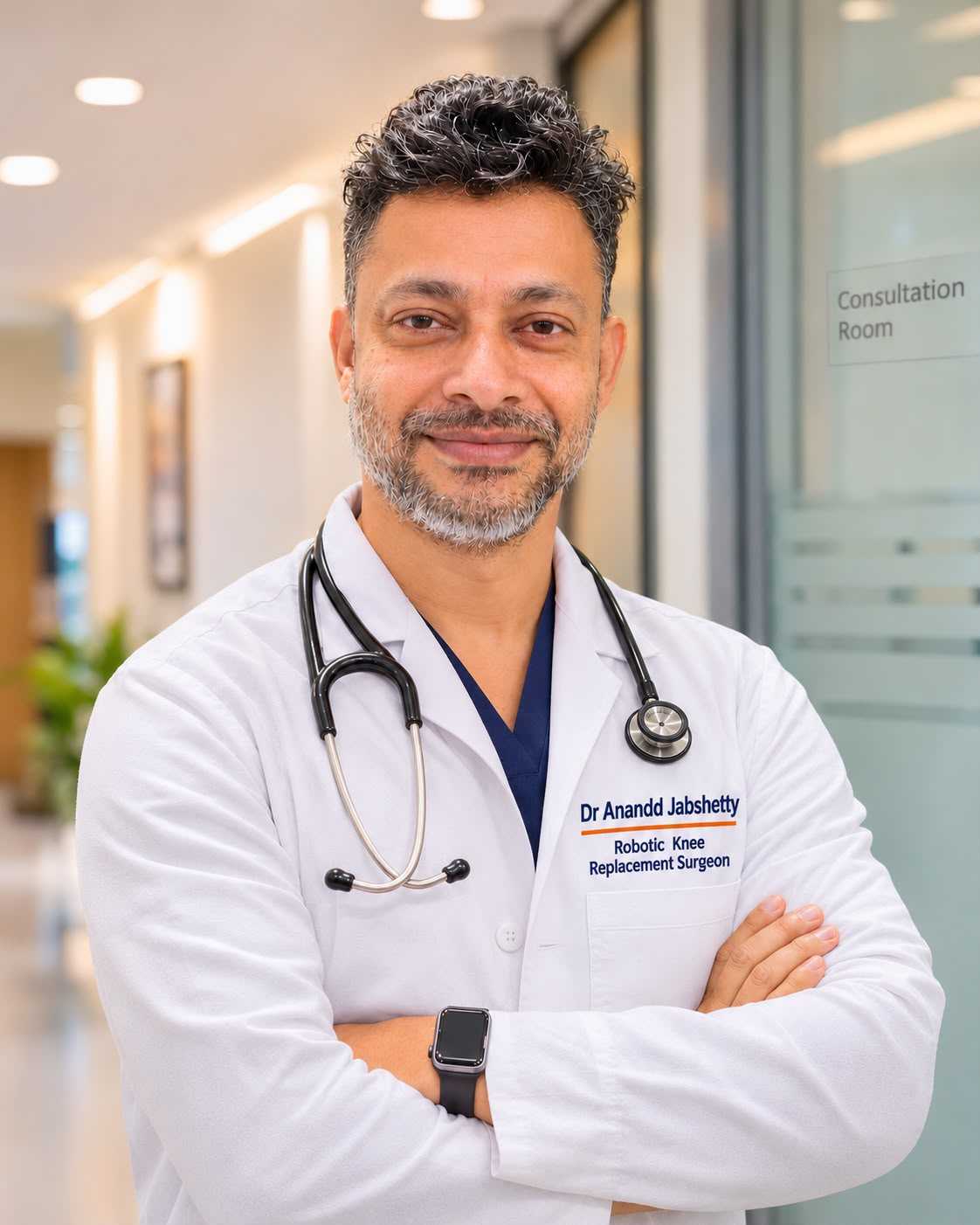
Dr. Anand B. Jabshetty
Director and Senior Consultant Orthopaedic and Robotic Joint Replacement Surgeon
Dr. Jabshetty’s practice covers joint replacement, complex fractures and orthopaedic trauma. Patients seeking an opinion after an injury or previous operation can bring current and earlier images along with operative records. His hospital biography reports more than 21 years in orthopaedic care and more than 10,000 procedures across his career.
Qualifications. MBBS, MS Orthopaedics, fellowship training in robotic joint replacement and complex trauma.
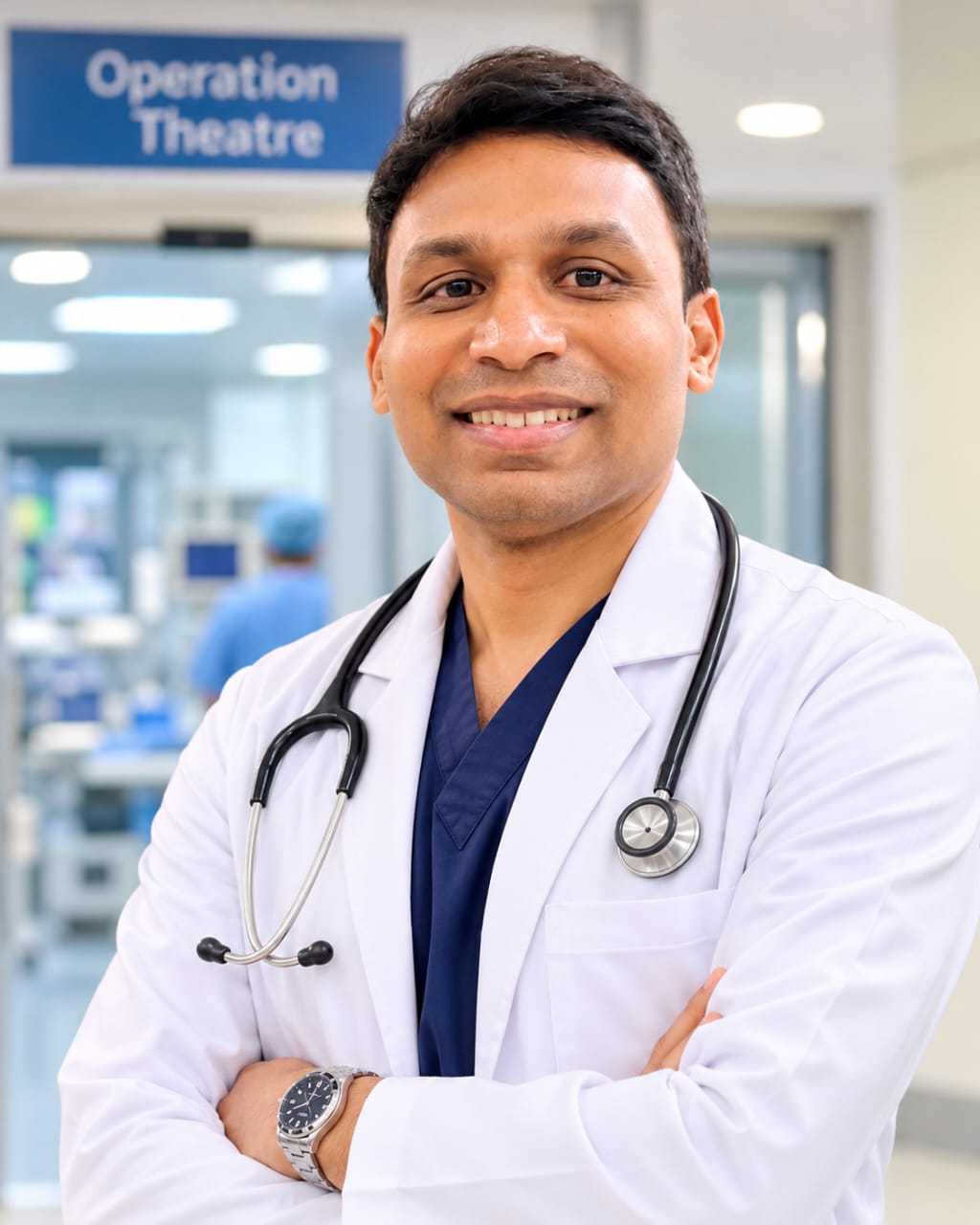
Dr. Rajesh Sajjanshetty
Director and Consultant Orthopaedic and Robotic Joint Replacement Surgeon
Dr. Sajjanshetty evaluates knee and hip joint damage, arthritis, fractures and sports-related ligament injuries. His surgical practice includes knee and hip replacement and arthroscopy. A consultation can help clarify what the examination and imaging show, whether surgery is appropriate and what recovery would involve for the proposed procedure.
Qualifications. MBBS, Diploma in Orthopaedics (D’Ortho), DNB Orthopaedics, fellowship training in robotic joint replacement and arthroscopy.

Dr. Deepika Patil Bhadbhade
Consultant in Critical Care Medicine and Anaesthesia
Dr. Bhadbhade’s work includes pre-anaesthesia assessment, care during surgery, recovery monitoring and intensive care. Patients preparing for surgery can use the anaesthesia assessment to discuss allergies, previous reactions, ongoing health conditions and the monitoring they may need after the operation.
Qualifications. MBBS, MD Anaesthesia, Indian Diploma in Critical Care Medicine (IDCCM) and fellowship training in critical care medicine.

Dr. Neelesh Majage
Consultant in Critical Care Medicine and Anaesthesia
Dr. Majage assesses patients before anaesthesia and monitors vital functions around surgery. His critical care work includes stabilising and monitoring seriously ill patients and coordinating care with other specialists. For a planned procedure, the anaesthesia team can advise which medical or specialist reports are needed before surgery.
Qualifications. MBBS, MD Anaesthesiology and Indian Diploma in Critical Care Medicine (IDCCM).
Knee Replacement Care Pathway at ARVTA Hospital
The hospital describes assessment, investigations, surgical planning, postoperative monitoring and rehabilitation as stages of knee replacement care. The exact schedule depends on the proposed operation, your medical needs and how you recover.
- 1. Orthopaedic Consultation. The surgeon reviews symptoms, examination findings, previous treatment and imaging. The next step may be ongoing joint care, additional tests or surgical assessment.
- 2. Investigations and Anaesthesia Review. The team assesses medical conditions and medications and explains which tests or specialist evaluations are needed before surgery.
- 3. Surgical Planning. Review the operation, implant, role of robotic assistance, individual risks and written estimate before confirming dates.
- 4. Monitoring and Discharge. The clinical team reviews pain control, mobility and other recovery needs. Discharge instructions should explain wound care, medication and whom to contact if a problem develops.
- 5. Rehabilitation and Follow-Up. The plan may include exercises for knee movement, strength and walking. Confirm the first review and ask for written instructions if treatment will continue with a physiotherapist closer to home.
Appointments, Travel and Follow-Up in Bidar, India
Before the First Visit. Confirm the specialist appointment, map pin and reporting time in Indian Standard Time. Ask whether the team can review records in advance and whether imaging or anaesthesia assessment requires a separate visit. The hospital’s 24/7 accident and trauma service is for urgent care.
Travel Planning. Confirm your hospital appointment before booking transport. Hyderabad is an international air gateway with onward road connections. If you are travelling from abroad, check the entry requirements that apply to you with an Indian mission or the Bureau of Immigration.
Returning Home After Surgery. Ask the treating team when travel is appropriate, when the first follow-up should take place and what help you may need after discharge. If recovery will continue elsewhere, request the operation summary, medication instructions and rehabilitation plan for your local care team.
ARVTA Hospital FAQs on Knee Replacement, Costs and Recovery
When Should I See an Orthopaedic Surgeon for Knee Pain?
Consider an assessment when pain, stiffness or instability continues to interfere with walking, stairs or daily work. The surgeon reviews your symptoms, joint movement, images and response to earlier treatment. Depending on the findings, the next step may be physiotherapy, medical care, additional testing or a discussion of surgery.
How Does Robotic Assistance Work During Knee Replacement?
The system supports planning and gives the surgeon guidance during selected steps. The surgeon makes the clinical decisions and performs the operation. Ask how the system would be used for your knee, what the surgeon expects it to contribute and which other surgical approaches may be appropriate.
Can I Bring X-Rays From Another Hospital?
Bring the images and their written reports, with the dates they were taken. If you had an earlier operation, include the operation report if available. The surgeon can use those records and the current examination to decide whether new images would add information that changes treatment planning.
What Should a Knee Replacement Quote Include?
Request a written USD estimate that identifies the proposed operation and whether it covers one knee or both. Check the surgeon, implant, robotic assistance, anaesthesia, theatre, hospital stay, tests and medicines. Ask whether physiotherapy and follow-up are included and how additional hospital days would be billed.
Can I Consult the Team About Hip Pain or a Sports Injury?
Yes. The orthopaedic team assesses hip problems and injuries involving joints, tendons or ligaments. Examination and imaging help determine whether rehabilitation, other non-surgical care or surgical assessment is appropriate. Hip replacement and arthroscopy address different problems, so ask what the team proposes for your diagnosis and what recovery would require.
What Support May I Need at Home After Knee Replacement?
Discuss stairs, bathroom access and who can help with everyday tasks after discharge. The treating team can advise about walking aids, wound care, medication and the first physiotherapy review. If you will receive physiotherapy elsewhere, ask for written instructions on your operation, movement restrictions and follow-up.
When Can I Travel After Knee Replacement?
Your surgeon can advise when travel is appropriate based on the operation, your mobility and your risk of complications. Ask whether you need a follow-up before leaving and what precautions apply to a long journey. Confirm who will manage your wound checks and rehabilitation after you return.
What Does a DEXA Scan Measure?
DEXA measures bone mineral density and can help a clinician assess osteoporosis or fracture risk. A standard X-ray can help assess joint changes, alignment or a suspected fracture. The clinician chooses the appropriate test based on your symptoms, medical history and the findings they need to clarify.
Does ARVTA Hospital Provide Emergency Care for Head Injuries?
ARVTA Hospital provides 24/7 accident and trauma care, including assessment of head injuries. Depending on the injury, the team may arrange imaging, observation or specialist assessment. A suspected serious head injury requires prompt emergency care, especially after repeated vomiting, worsening confusion, a seizure or loss of consciousness.
PLAN YOUR CARE WITH PLACIDWAY
Request Information About Orthopaedic Care at ARVTA Hospital
Tell PlacidWay whether you need a first assessment, a second opinion or details about a procedure already recommended to you. You can ask about the appropriate specialist, required records, a written USD estimate and follow-up arrangements.
Mention ARVTA Hospital and your treatment interest in the request form.
Important Medical Information
This profile provides general information. A licensed clinician can assess your suitability for treatment, explain individual risks and advise on recovery. PlacidWay provides information and enquiry support. Your treatment agreement is directly with the hospital.
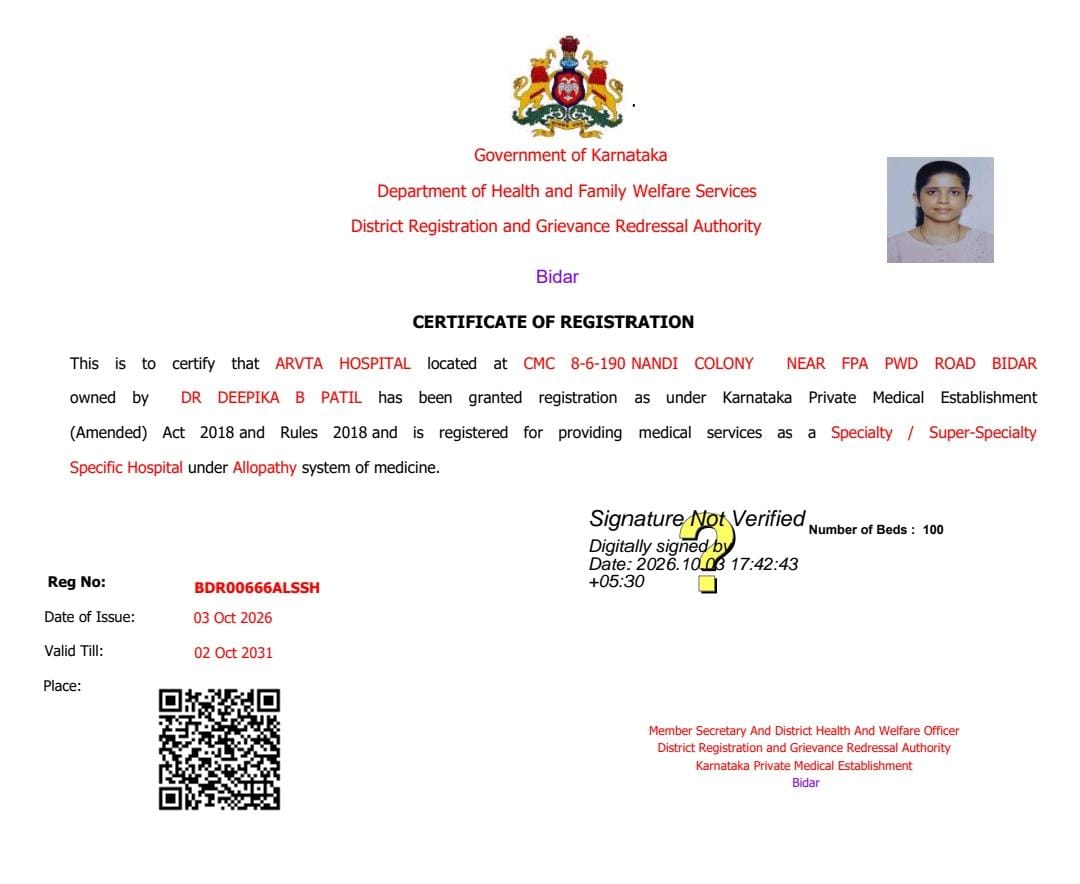
ARVTA Hospital in Bidar, India Certificates
Location

About Medical Center
- Speciality: General Medicine,General Surgery,Orthopedic/Knee Surgery,Robotic Surgery
- Location: ARVTA Hospital Jabshetty building, near Family Planning Association, Nawadgeri, Bidar 585401 , Bidar 585401 , India
- Overview: ARVTA Hospital in Bidar, India, provides orthopaedic assessment, robotic-assisted knee replacement, spine care, trauma services and physiotherapy, with on-site imaging to guide diagnosis and treatment

















Share this listing