
What treatment


5+ Best Clinics for Addiction Treatment in Mexico
Trusted Medical Tourism Platform Since 2007
What are the best addiction treatment clinics in Mexico?
The leading addiction treatment clinics in Mexico include New Path Ibogaine (Rosarito Beach), Ibogaine Cancun (Cancun), Hacienda del Lago (Ajijic), Ibogaine by David Dardashti (Playa del Carmen), Lifes Oasis Vallarta (Puerto Vallarta), and Mind-U (Tijuana).
These top-rated rehabilitation centers hold JCI, CARF, and Mexican Ministry of Health accreditations. They specialize in medically supervised detox, holistic care, and Ibogaine therapy to treat alcohol, opiate, cocaine, heroin, and methadone dependencies. Comprehensive residential recovery packages range from $7,500 to $25,000 USD, providing world-class, confidential care at a significantly lower cost than equivalent inpatient programs in the United States.
 98.05% Patient Recommend
New Path Ibogaine


Overview
Discover safe and effective Ibogaine Treatment in Rosarito Beach, Mexico at New Path. Transform addiction recovery with professional care and lasting results.
Read more details

 100.00% Patient Recommend
Ibogaine Cancun
Overview
Ibogaine Cancun provides addiction treatment for cocaine, opiates, alcohol, and more at a top wellness and rehabilitation center in Cancun, Mexico.
Read more details
 91.67% Patient Recommend
Hacienda del Lago - Clínica de Tratamiento para Alcoholismo y Adicciones
Overview
Discover Hacienda del Lago, one of the best rehab centers in Mexico and take advantage of their 30 years experience into lakeside Ajijic, a Magical Town to start a well-founded life-long recovery.
Read more details
 90.00% Patient Recommend
Ibogaine by David Dardashti
Overview
Get ibogaine treatment in Playa del Carmen, Mexico by David Dardashti. Celebrating 15 Years of Groundbreaking Ibogaine Treatments and Transforming Thousands of Lives!
Read more detailsDiscover your treatment options with a free, no-obligation quote!
Get your quote now!
Lifes Oasis Vallarta
Overview
Discover Lifes Oasis Vallarta in Puerto Vallarta, Mexico. Expert addiction recovery with personalized care, holistic therapies, and serene coastal surroundings.
Read more details 100.00% Patient Recommend
Mind-U Psychiatric Residential Mental Health Center
Overview
Mind-U: Psychiatric residential care on Baja California's Pacific coast, minutes from San Diego. Full-time psychiatrist, PhD psychologists, 70+ disorders. Dual diagnosis welcome. Free airport pickup.
Read more details
Casa Renacimiento
Overview
Discover Casa Renacimiento in Tijuana, Mexico, offering addiction treatment with personalized care, holistic therapies, and a supportive recovery environment.
Read more details 100.00% Patient Recommend
Casa Santa Isabel
Overview
Discover top Ibogaine treatment at Casa Santa Isabel in Tijuana, Mexico. Experience effective care in a serene environment. Book now at PlacidWay!
Read more detailsDiscover your treatment options with a free, no-obligation quote!
Get your quote now! 100.00% Patient Recommend
Clinica Nuevo Ser Centro de Rehabilitacion contra las Adicciones
Overview
Clínica Nuevo Ser es un centro especializado en el tratamiento de adicciones como el alcoholismo, drogadicción, adicción al juego (Ludopatía) y diversos trastornos mentales como la codependencia, la baja autoestima y trastornos de personalidad.
Read more details 100.00% Patient Recommend
Experience Ibogaine Treatment Center
Overview
Experience Ibogaine Treatment Center is the best addiction clinic in Tijuana, Mexico, offering personalized ibogaine therapy and expert aftercare. Contact us today for free consultation.
Read more details 92.59% Patient Recommend
Viraha Wellness Center
Overview
Viraha Wellness Center in Los Cabos REDEFINES the traditional application of Ibogaine by incorporating the Tomatis® Method, Access Bars®, and other proven modalities.
Read more detailsGenesis Ibogaine Clinic
Genesis Ibogaine Clinic provides best Addiction Treatment in Rosarito, Mexico. Book online now Heroin Addiction, Cocaine Addiction, and Alcohol Addiction at Genesis Ibogaine Clinic.


Authored by
Alejandro Ramirez
Alejandro Ramirez Addiction Recovery & Detoxification Content Specialist A dedicated healthcare writer specializing in addiction treatment, clinical detox, and advanced detoxification therapy. With 2+ years of experience and over 400+ authored article

Reviewed by
Dr. Hector Mendoza
Discover Dr. Hector Mendoza, a leading addiction doctor in Tijuana, Mexico, specializing in detox, dual diagnosis, and integrative recovery therapies.
Last updated on
Which are the best Addiction Treatment clinics in Mexico?
When searching for the best addiction treatment clinics in Mexico, consider facilities like New Path Ibogaine in Rosarito Beach, Ibogaine Cancun, Hacienda del Lago in Ajijic, Ibogaine by David Dardashti in Cancun, Lifes Oasis Vallarta in Puerto Vallarta, and MindScape Retreat in Cozumel. These centers are often recognized for their diverse programs, patient testimonials, and commitment to holistic recovery approaches. Factors like specialized treatments, care quality, and geographical setting influence a clinic's suitability for individual needs, emphasizing the importance of thorough research.
Choosing an addiction treatment clinic is a deeply personal decision, and "best" can vary based on individual needs and preferences. However, several facilities in Mexico consistently receive positive attention for their comprehensive programs and patient outcomes:
- New Path Ibogaine (Rosarito Beach): Specializes in Ibogaine treatment for various addictions and mental health issues, offering a focused approach.
- Ibogaine Cancun (Cancun): Known for its ibogaine therapy for opiate, cocaine, and alcohol addiction, emphasizing a supportive environment.
- Hacienda del Lago (Ajijic): Boasts over 30 years of experience in alcoholism and addiction treatment, set in a serene lakeside location.
- Ibogaine by David Dardashti (Cancun/Playa Del Carmen): Celebrated for its unique ibogaine protocols and extensive experience in addiction recovery.
- Lifes Oasis Vallarta (Puerto Vallarta): Offers personalized care and holistic therapies in a tranquil coastal setting, focusing on comprehensive recovery.
- MindScape Retreat (Cozumel): Provides holistic addiction treatment with personalized recovery programs in serene island surroundings.
What types of addiction treatment programs are available in Mexican clinics?
Mexican addiction treatment clinics provide a broad spectrum of programs, catering to diverse needs with both conventional and innovative therapies. You'll find options ranging from inpatient and outpatient care to specialized detoxification, behavioral therapies like CBT, and holistic treatments such as Ibogaine therapy, yoga, and meditation. Many clinics integrate these approaches to offer comprehensive and personalized recovery journeys, focusing on both physical and mental well-being.
Mexican clinics for addiction treatment offer a diverse range of programs designed to address various types of substance and behavioral addictions. These programs often combine traditional Western medical approaches with holistic and alternative therapies, creating a unique and comprehensive recovery experience. Here are some common types of programs available:
- Detoxification (Detox) Programs: Medically supervised detox to safely manage withdrawal symptoms, often the first step in recovery.
- Inpatient Residential Programs: Patients reside at the facility for a structured period (e.g., 30, 60, or 90 days), receiving intensive therapy and support in a controlled environment.
- Outpatient Programs: Allow individuals to live at home while attending scheduled therapy sessions and groups, ideal for those with strong support systems.
- Behavioral Therapies: Including Cognitive Behavioral Therapy (CBT), Dialectical Behavior Therapy (DBT), and motivational interviewing, focusing on changing thought patterns and behaviors.
- Holistic Therapies: Many clinics emphasize holistic approaches like yoga, meditation, mindfulness, acupuncture, art therapy, and equine therapy to support overall well-being.
- Ibogaine Treatment: Several Mexican clinics specialize in Ibogaine therapy, a plant-based psychedelic treatment for opioid and other substance addictions, known for its ability to reduce withdrawal symptoms and cravings. This requires strict medical supervision.
- Dual Diagnosis Treatment: Programs designed for individuals simultaneously struggling with addiction and co-occurring mental health disorders like depression or anxiety.
- Aftercare and Relapse Prevention: Planning and support groups to help patients maintain sobriety long-term after completing primary treatment.
How do I verify the credentials of an addiction treatment clinic in Mexico?
To verify an addiction treatment clinic's credentials in Mexico, always look for international accreditations like JCI (Joint Commission International) or local Mexican health certifications. Check the professional licenses of their medical staff through national registries, request transparent information about their treatment protocols, and seek patient testimonials or third-party reviews. Reputable clinics will gladly provide these details, ensuring you receive quality and safe care.
Verifying the credentials of an addiction treatment clinic in Mexico is crucial for ensuring you receive safe and effective care. Here’s how you can do it:
- Look for Accreditations: Seek clinics with international accreditations such as Joint Commission International (JCI) or CARF International (Commission on Accreditation of Rehabilitation Facilities). These signify adherence to rigorous global standards.
- Check Local Licenses: Inquire about the clinic's licensing from the Mexican Ministry of Health (Secretaría de Salud) or other relevant national health authorities.
- Staff Qualifications: Ensure that doctors, therapists, and support staff are licensed and board-certified in their respective fields. Don't hesitate to ask for their credentials and verify them if possible.
- Transparent Treatment Protocols: A reputable clinic will be open about its treatment methodologies, success rates, and patient care philosophies. They should provide clear information about the therapies offered and the scientific basis behind them.
- Read Patient Testimonials and Reviews: While not formal accreditation, real-patient experiences on independent platforms can offer valuable insights into the quality of care and patient satisfaction.
- Virtual or In-Person Tours: Request a virtual tour or, if possible, visit the facility in person. Observe the environment, cleanliness, and staff-patient interactions.
- Ask for References: Some clinics may provide references from former patients or their families, which can offer firsthand accounts of their experiences.
What should I expect during my stay at an addiction treatment clinic in Mexico?
During your stay at an addiction treatment clinic in Mexico, you can expect a structured, supportive environment focused on holistic healing. Most programs begin with a medically supervised detox, followed by a personalized mix of individual and group therapies, educational sessions, and often complementary activities like yoga or mindfulness. Facilities prioritize patient comfort, safety, and a clear path toward sustainable recovery, integrating cultural sensitivity into their care.
A stay at an addiction treatment clinic in Mexico is typically a structured and immersive experience, designed to facilitate comprehensive healing. While specific offerings vary by clinic, you can generally expect the following:
- Initial Assessment: Upon arrival, you'll undergo a thorough medical and psychological evaluation to create a personalized treatment plan.
- Detoxification: If needed, this is the first phase, where medical professionals supervise your withdrawal in a safe and comfortable environment, often with medication to ease symptoms.
- Structured Schedule: Days are typically organized with a balance of therapy sessions, educational workshops, and recreational activities. This structure helps rebuild routine and discipline.
- Therapeutic Modalities: You'll participate in a mix of individual counseling, group therapy, and family therapy (if applicable). These sessions address the root causes of addiction, develop coping skills, and promote emotional healing.
- Holistic Approaches: Many Mexican clinics incorporate activities like yoga, meditation, art therapy, fitness programs, and nutritional guidance to support physical and mental well-being.
- Supportive Community: You'll be surrounded by peers in recovery and a dedicated team of professionals who provide constant support and guidance.
- Comfortable Environment: Many clinics offer comfortable accommodations, nutritious meals, and serene surroundings that promote relaxation and healing.
- Aftercare Planning: As your stay concludes, the team will work with you to develop a personalized aftercare plan, including recommendations for ongoing therapy, support groups, and relapse prevention strategies.
Do addiction treatment clinics in Mexico offer aftercare and relapse prevention programs?
Yes, most reputable addiction treatment clinics in Mexico understand that recovery is an ongoing process and offer robust aftercare and relapse prevention programs. These services typically include continued therapy, support group referrals, and personalized strategies to help individuals integrate back into daily life and maintain long-term sobriety. Effective aftercare is crucial for sustained recovery.
Absolutely. Reputable addiction treatment clinics in Mexico prioritize comprehensive care, recognizing that sustained sobriety depends heavily on solid aftercare and relapse prevention strategies. These programs are often tailored to individual needs and typically include:
- Individual and Group Counseling: Continuing therapy sessions, sometimes virtually, to address ongoing challenges and reinforce coping mechanisms learned during primary treatment.
- Support Group Referrals: Connecting patients with local or online Narcotics Anonymous (NA), Alcoholics Anonymous (AA), or other peer-support groups critical for community and accountability.
- Sober Living Arrangements: Recommendations for transitional housing that provides a safe, substance-free environment, helping individuals gradually reintegrate into society.
- Relapse Prevention Planning: Developing personalized strategies that identify triggers, outline coping skills, and establish clear steps to take if cravings or difficult situations arise.
- Family Support Programs: Offering ongoing counseling or educational resources for families to help them understand addiction, heal relationships, and provide effective support to their loved one in recovery.
- Follow-up Communication: Many clinics maintain regular contact with former patients to check on their progress and offer additional support as needed.
How important is location when choosing an addiction treatment clinic in Mexico?
Location is highly important when choosing an addiction treatment clinic in Mexico, as it significantly impacts your recovery environment. Opting for a peaceful, secluded setting can minimize distractions and help focus on healing, while a facility closer to home might ease family visits. Mexico offers diverse settings, from tranquil beaches to mountain retreats, each influencing the therapeutic atmosphere and overall patient experience.
The location of an addiction treatment clinic in Mexico can play a significant role in the effectiveness and overall experience of recovery. Here’s why it's so important:
- Minimizing Triggers: For many, changing their environment by traveling to a new location, especially across an international border, helps distance them from everyday triggers, negative influences, and stressors associated with their addiction.
- Focus and Immersion: A new, serene environment, whether it’s a tranquil beachside retreat or a secluded mountain hideaway, can foster deeper focus on personal healing without the distractions of daily life.
- Privacy and Anonymity: Traveling to Mexico can offer a greater sense of privacy and anonymity, which can be comforting for individuals who prefer discretion during their recovery journey.
- Therapeutic Setting: Mexico's diverse landscapes, from the calming Pacific coast to the vibrant culture of cities like Cancun or Ajijic, can provide a unique and inspiring backdrop for therapy and personal growth.
- Accessibility for Family: While a distant location can aid personal focus, consider the accessibility for family involvement. Some choose locations closer to the border for easier family visits, which can be an important part of the healing process.
- Climate and Activities: Favorable weather allows for outdoor activities and therapies, enhancing physical well-being and offering new experiences as part of the recovery process.
Can family members be involved in addiction treatment programs at Mexican clinics?
Yes, many leading addiction treatment clinics in Mexico strongly encourage and facilitate family involvement in recovery programs. They often provide structured family therapy sessions, educational workshops, and communication tools. This inclusion is vital for healing family dynamics, fostering a supportive home environment, and strengthening the overall network essential for long-term sobriety, making family part of the healing process.
Family involvement is a cornerstone of effective addiction recovery, and many Mexican clinics recognize its profound importance. Here's what you can expect regarding family participation:
- Family Therapy Sessions: Clinics often schedule dedicated family therapy sessions, either in person or remotely, to address family dynamics, communication breakdowns, and the impact of addiction on loved ones.
- Educational Workshops: These workshops help family members understand addiction as a disease, learn about healthy boundaries, and develop strategies to support their loved one without enabling destructive behaviors.
- Visiting Opportunities: Many residential programs have designated visiting days or periods, allowing family to reconnect in a structured, therapeutic setting, often under the guidance of a therapist.
- Communication Tools: Clinics might facilitate regular phone calls or video conferences to maintain vital connections and support during treatment.
- Co-dependency Support: Programs may offer resources or counseling specifically for family members dealing with co-dependency or other issues that often arise in families affected by addiction.
What holistic therapies are commonly offered in Mexico's addiction treatment centers?
Mexico's addiction treatment centers often embrace a wide array of holistic therapies, aiming to heal the mind, body, and spirit concurrently. Common offerings include yoga, meditation, mindfulness, acupuncture, sound healing, and specialized nutritional programs. Many also feature unique treatments like Ibogaine therapy, known for its psychedelic-assisted detox and therapeutic insights. These therapies complement traditional counseling, fostering comprehensive and lasting recovery.
Mexican addiction treatment centers are often at the forefront of integrating holistic therapies, aiming for a more comprehensive and personalized recovery experience that addresses the individual's entire well-being. These therapies complement traditional counseling and medical interventions. Commonly offered holistic therapies include:
- Yoga and Meditation: Practices focused on connecting mind and body, reducing stress, improving emotional regulation, and fostering a sense of inner peace.
- Mindfulness: Techniques that encourage present-moment awareness, helping individuals observe thoughts and feelings without judgment, which is crucial for managing cravings and triggers.
- Acupuncture: Used to alleviate withdrawal symptoms, reduce cravings, and balance energy flow within the body.
- Massage Therapy: Promotes relaxation, reduces physical tension, and helps in the detoxification process.
- Sound Healing: Utilizing therapeutic sounds and vibrations to induce deep relaxation, reduce anxiety, and promote emotional release.
- Nutritional Therapy: Focusing on a balanced diet to restore physical health, improve mood, and support brain function often compromised by addiction.
- Art and Music Therapy: Providing creative outlets for emotional expression, stress reduction, and self-discovery.
- Equine Therapy: Involving interactions with horses to build trust, communication skills, and self-esteem.
- Ibogaine Therapy: A prominent, plant-derived psychedelic treatment offered in some clinics, believed to interrupt addiction pathways and provide profound introspective experiences under strict medical supervision.
What are the signs of a high-quality addiction treatment clinic in Mexico?
A high-quality addiction treatment clinic in Mexico displays several key indicators: recognized accreditations, transparent treatment plans, licensed and experienced medical staff, strong patient testimonials, and a clear emphasis on individualized care. Look for comprehensive programs that include detox, diverse therapies, and robust aftercare planning. The facility should also maintain a safe, clean, and supportive environment, prioritizing patient well-being and long-term recovery success.
Identifying a high-quality addiction treatment clinic in Mexico involves looking for several key indicators that point to professional, ethical, and effective care:
- Accreditation and Licensing: Top clinics will hold international accreditations (e.g., JCI, CARF) and be properly licensed by Mexican health authorities. This ensures they meet high standards of safety and care.
- Individualized Treatment Plans: Effective treatment is never one-size-fits-all. A quality clinic assesses each patient's unique needs, addiction history, and co-occurring conditions to create a tailored recovery plan.
- Qualified and Experienced Staff: The treatment team should include licensed medical doctors, psychiatrists, psychologists, and certified addiction counselors with relevant experience.
- Evidence-Based and Holistic Therapies: They offer a range of therapies, combining scientifically supported methods (like CBT, DBT) with complementary holistic approaches (e.g., yoga, mindfulness, art therapy) for comprehensive healing.
- Transparent Communication: The clinic is open about its treatment methods, facility details, success rates, and all associated processes. They should readily answer your questions without hesitation.
- Strong Aftercare Planning: A good clinic understands that recovery is ongoing and provides robust aftercare programs, including relapse prevention strategies and referrals for continued support.
- Positive Patient Testimonials and Outcomes: Look for consistent positive feedback and stories of successful, sustained recovery from former patients.
- Safe and Supportive Environment: The facility should be clean, comfortable, and foster a compassionate, non-judgmental atmosphere conducive to healing.
- Medical Supervision: Especially for detox and certain treatments like Ibogaine, 24/7 medical supervision by qualified personnel is non-negotiable.
How can I ensure a safe and supportive environment at a Mexican addiction rehab?
Ensuring a safe and supportive environment at a Mexican addiction rehab involves researching clinics with proper international accreditation and verifiable local licensing. Look for facilities with 24/7 medical supervision, a low patient-to-staff ratio, and clear security protocols. Prioritize places that emphasize individualized care, transparent communication, and a serene, drug-free setting. Reading patient testimonials also offers insight into the clinic's actual atmosphere and safety measures.
Ensuring a safe and supportive environment at an addiction rehab in Mexico is paramount for effective treatment. Here are practical steps to help you in your selection process:
- Verify Medical Accreditation and Licensing: This is non-negotiable. Look for clinics accredited by international bodies like JCI or CARF, and ensure they are licensed by the Mexican Ministry of Health. This indicates adherence to established safety and quality standards.
- 24/7 Medical Supervision: Especially crucial during detox and for any specialized treatments (like Ibogaine), constant medical oversight by licensed professionals ensures any complications are promptly addressed.
- Patient-to-Staff Ratio: A lower patient-to-staff ratio generally means more personalized attention and quicker responses to individual needs, contributing to a safer environment.
- Security Measures: Inquire about the clinic's security protocols, including gated premises, surveillance, and staff presence, to ensure a secure and private setting.
- Clear Communication and Transparency: A trustworthy clinic will be fully transparent about its policies, procedures, and any potential risks. They should answer all your questions thoroughly and clearly.
- Emphasis on Individualized Care: A personalized treatment plan, tailored to your specific medical and psychological needs, demonstrates a commitment to your unique recovery journey, fostering a supportive rather than generic approach.
- Drug-Free Environment: Confirm strict policies are in place to maintain a completely drug and alcohol-free environment for all patients and staff.
- Review Testimonials and Ask for References: Genuine patient experiences can provide insight into the actual safety and support provided within the clinic's walls.
- Observe the Facility: If possible, visit or request a detailed virtual tour to assess cleanliness, comfort, and the overall atmosphere. Is it peaceful and conducive to healing?
What behavioral therapies are commonly used in Mexican addiction clinics?
Mexican addiction clinics widely utilize evidence-based behavioral therapies such as Cognitive Behavioral Therapy (CBT) and Dialectical Behavior Therapy (DBT). These therapies equip individuals with essential coping mechanisms, relapse prevention skills, and emotional regulation techniques. Motivational Interviewing and Rational Emotive Behavior Therapy (REBT) are also frequently incorporated to empower patients, address underlying issues, and foster sustainable changes in thought patterns and behaviors.
Mexican addiction clinics often integrate a range of behavioral therapies to address the psychological aspects of addiction and equip patients with tools for lasting sobriety. These therapies are crucial for understanding the roots of addiction and developing healthier coping mechanisms. Commonly used behavioral therapies include:
- Cognitive Behavioral Therapy (CBT): A cornerstone of addiction treatment, CBT helps patients identify and change negative thought patterns and behaviors that contribute to substance use. It teaches coping skills for high-risk situations and strategies to manage cravings.
- Dialectical Behavior Therapy (DBT): Often used for individuals with co-occurring mental health disorders, DBT focuses on emotional regulation, distress tolerance, interpersonal effectiveness, and mindfulness to help patients manage intense emotions without resorting to addictive behaviors.
- Motivational Interviewing (MI): This client-centered approach helps individuals explore and resolve ambivalence about change. Therapists guide patients to find their own motivation for recovery, fostering a stronger commitment to treatment.
- Rational Emotive Behavior Therapy (REBT): REBT helps patients identify irrational beliefs and negative thoughts that lead to emotional distress and self-defeating behaviors. By challenging these thoughts, individuals learn to develop more rational and healthier responses.
- Contingency Management (CM): This therapy uses incentives and rewards to reinforce positive behaviors, such as abstinence from substances or adherence to treatment plans.
- Group Therapy: While not a single behavioral therapy, group sessions provide a supportive environment for patients to share experiences, practice new skills, and receive feedback from peers and therapists.
What is the typical duration for addiction treatment programs in Mexico?
The typical duration for addiction treatment programs in Mexico varies widely, commonly ranging from short-term intensives of 7-28 days, especially for detox-focused or Ibogaine-assisted treatments, to more comprehensive 30, 60, or 90-day residential programs. The ideal length is always personalized based on the individual's addiction severity, substance type, and specific recovery needs, ensuring sufficient time for stabilization, therapy, and relapse prevention planning.
The duration of addiction treatment programs in Mexico is quite flexible, tailored to the individual's specific needs, the severity of their addiction, the type of substance, and any co-occurring mental health issues. There isn't a single "typical" length, but programs generally fall into these categories:
- Short-Term Programs (7-28 Days):
- These are often intensive detox programs or specialized treatments like Ibogaine therapy, which can rapidly interrupt physical dependence and provide a "reset."
- While effective for initial detox, they usually require robust aftercare planning for long-term success.
- Standard Residential Programs (30, 60, or 90 Days):
- The most common durations for comprehensive inpatient addiction treatment.
- A 30-day program focuses on stabilization and initial therapy.
- 60-day programs allow for deeper engagement in therapy and skill-building.
- 90-day (or longer) programs are often recommended for severe addictions or those with a history of relapse, providing ample time for behavioral change and integration of new coping mechanisms.
- Extended Care Programs (90+ Days):
- Some individuals may benefit from even longer stays, particularly those with chronic relapse issues or complex mental health needs.
- These programs offer a continuum of care, gradually transitioning individuals back to independence.
- Outpatient Programs:
- Duration varies significantly, often lasting several months to a year or more, depending on the intensity of therapy sessions.
- These are flexible but require strong self-discipline and a supportive home environment.
Are there specific certifications to look for in Mexican addiction counselors?
Yes, when seeking addiction counselors in Mexican clinics, look for certifications beyond local licenses that demonstrate specialized training and adherence to professional standards. Key certifications include those from international boards like IC&RC (International Certification & Reciprocity Consortium) or NAADAC (National Association for Addiction Professionals). These ensure counselors have met rigorous criteria in areas like ethics, counseling theory, and clinical practice, providing assurance of quality care and expertise.
When considering addiction treatment in Mexico, it's vital to look for specific certifications that ensure counselors meet professional standards and have specialized expertise in addiction therapy. While Mexican national licenses are a baseline, additional certifications often indicate a higher level of training and adherence to international best practices. Here are some certifications and credentials to inquire about:
- IC&RC (International Certification & Reciprocity Consortium): This is a globally recognized credentialing body for addiction professionals. Look for titles like:
- ICADC (Internationally Certified Alcohol and Drug Counselor): Signifies extensive training and experience in addiction counseling.
- ICAADC (Internationally Certified Advanced Alcohol and Drug Counselor): An advanced certification indicating even greater expertise.
- NAADAC (National Association for Addiction Professionals): Though primarily US-based, NAADAC offers various certifications (e.g., NCAC, MAC) that some Mexican professionals might hold, indicating international standards of practice.
- Board Certification in Addiction Medicine/Psychiatry: For medical doctors overseeing detox and medication-assisted treatment, look for board certifications in Addiction Medicine or Addiction Psychiatry from recognized medical boards.
- Licensed Professional Counselor (LPC) or Psychologist (LP): Ensure that therapists hold current state or national licenses in psychology or counseling within Mexico.
- Specialized Training Certificates: Counselors may have additional certifications in specific modalities like Cognitive Behavioral Therapy (CBT), Dialectical Behavior Therapy (DBT), trauma-informed care, or family systems therapy.
What is the role of patient privacy and confidentiality in Mexican addiction clinics?
Patient privacy and confidentiality are fundamental pillars in reputable Mexican addiction clinics, adhering to strict ethical standards similar to international healthcare regulations like HIPAA. Clinics implement robust policies to safeguard personal and medical information, ensuring discretion throughout the treatment journey. This commitment fosters a safe, trusting environment vital for honest self-disclosure and effective therapy, empowering individuals to focus solely on their recovery without fear of exposure.
Patient privacy and confidentiality are paramount in reputable Mexican addiction clinics, often mirroring international standards to ensure a safe and trusting environment for recovery. Here's a breakdown of its role:
- Ethical and Legal Obligation: Clinics are ethically and often legally bound to protect patient information. This includes details about their identity, medical history, treatment progress, and personal disclosures made during therapy.
- Fostering Trust: Knowing their information is protected encourages patients to be more open and honest during therapy sessions, which is crucial for addressing the root causes of addiction and developing effective coping strategies.
- HIPAA-Equivalent Standards: Many clinics catering to international patients, especially from the U.S. and Canada, strive to adhere to privacy standards similar to the Health Insurance Portability and Accountability Act (HIPAA) guidelines, even if not legally required by their local jurisdiction.
- Secure Data Handling: This involves secure storage of electronic and physical records, controlled access to patient files, and protocols for information sharing only with explicit patient consent (e.g., with family members designated by the patient).
- Discreet Environment: Clinics often cultivate a discreet environment, minimizing the chances of unwanted exposure or gossip, which can be particularly important for individuals seeking treatment away from their home communities.
- Training for Staff: All staff members are typically trained on confidentiality protocols and the importance of respecting patient privacy at all times.
What amenities can I expect at modern addiction treatment clinics in Mexico?
Modern addiction treatment clinics in Mexico often provide resort-like amenities to enhance comfort and recovery. You can typically expect private or semi-private rooms, gourmet meals, fitness centers, swimming pools, and serene outdoor spaces. Many facilities also offer spa services, yoga studios, private chefs, and access to beautiful natural surroundings like beaches or gardens, fostering a healing and calming atmosphere that supports overall well-being.
Modern addiction treatment clinics in Mexico, particularly those catering to international clients, often blend medical care with a comfortable, resort-like atmosphere to enhance the healing process. You can expect a range of amenities designed to promote relaxation, well-being, and a positive recovery experience:
- Comfortable Accommodations: This usually includes private or semi-private rooms, often with en-suite bathrooms, comfortable bedding, and a peaceful ambiance.
- Nutritious Dining: Access to healthy, chef-prepared meals tailored to dietary needs, often using fresh, local ingredients. Some clinics feature private chefs or gourmet dining options.
- Recreational Facilities: Common amenities include swimming pools, fitness centers, yoga studios, and serene outdoor spaces like gardens, courtyards, or even beach access, depending on the location.
- Spa and Wellness Services: Many clinics offer massages, acupuncture, meditation rooms, and other holistic treatments aimed at reducing stress and promoting physical relaxation.
- Lounge Areas: Comfortable common areas for socializing, reading, or quiet reflection, fostering a sense of community among patients.
- Internet Access and Communication: While some clinics limit technology use to encourage focus on recovery, many offer controlled access to Wi-Fi for communication with family or for work purposes.
- Housekeeping and Laundry Services: To ensure a hassle-free stay, most facilities provide regular cleaning and laundry services.
- Transportation: Often includes airport pick-up and drop-off, and transportation for any approved outings or medical appointments.
How PlacidWay helps individuals access Addiction Treatment in Mexico?
PlacidWay provides detailed, up-to-date information about Addiction Treatment, including benefits, risks, and expected outcomes, empowering you to make informed choices. We help users compare treatment options in various Mexican clinics, ensuring access to affordable options without compromising on the quality of care. PlacidWay assists in finding trusted, accredited clinics and experienced medical professionals specializing in addiction treatment across Mexico. We offer one-on-one consultations to help users understand their specific needs and match them with the most suitable treatment programs. Our support extends beyond treatment, ensuring continued assistance for follow-up care and recovery to promote long-term sobriety. Ready to get Addiction Treatment in Mexico? Contact us today for a personalized consultation.Share with AI
Share this page with AI assistants to get summaries and insights


List of Best Addiction Treatment Clinics in Mexico
Explore Addiction Treatment: Stories, Testimonials, and Procedures
Watch in-depth videos covering everything from Addiction Treatment success stories to detailed procedure explanations. Learn what to expect and hear from real patients.
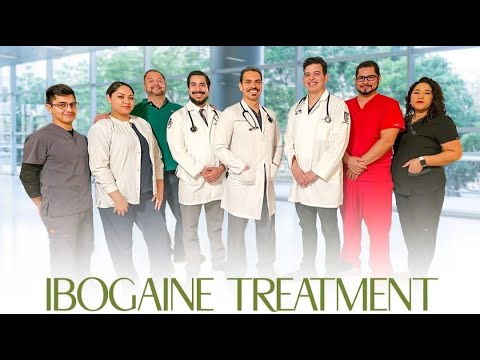
From Intake to Integration: A Full Guide to the Ibogaine Treatment Experience in Mexico
Addiction Treatment
New Path Ibogaine
Tijuana,Rosarito Beach, Mexico

Adrian´s Testimony | Clinica Renovacion Ensenada | Lockdown Rehab Center
Addiction Treatment
Clínica Ruah
Tijuana, Mexico
Targeting Opiate Addiction: A Comprehensive Ibogaine Treatment Guide for Mexico
Addiction Treatment
New Path Ibogaine
Tijuana,Rosarito Beach, Mexico

Connor Good’s Testimonial: Ibogaine Treatment in Mexico That Changed His Life at New Path
Addiction Treatment
New Path Ibogaine
Tijuana,Rosarito Beach, Mexico
Unlock the Best Addiction Treatment Packages Just for You
Discover the ultimate Addiction Treatment packages designed to meet your health and wellness goals. Choose the perfect fit for your journey.
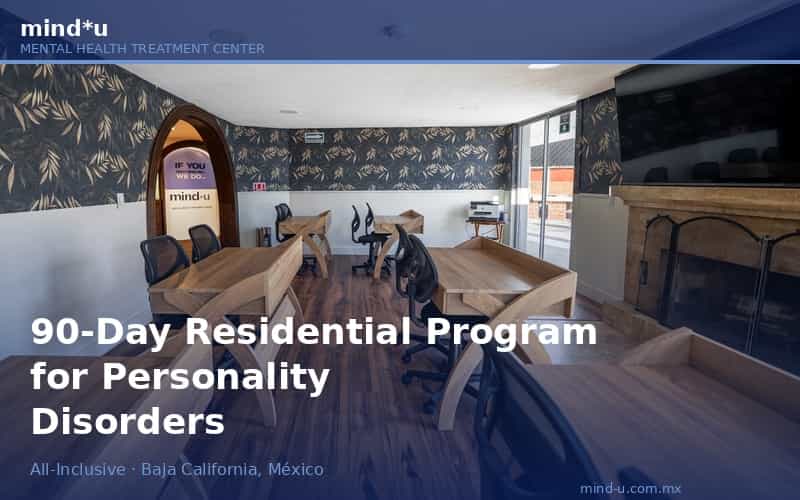
Price starting from $40,000
90-Day Residential Program for Personality Disorders
Mind-U Psychiatric Residential Mental Health Center
- Psychiatry
Tijuana,Rosarito Beach, Mexico

Price starting from $7,500
Fentanyl Addiction Treatment Package at Lifes Oasis Vallarta, Puerto Vallarta, Mexico
Lifes Oasis Vallarta
- Addiction Treatment
Puerto Vallarta, Mexico
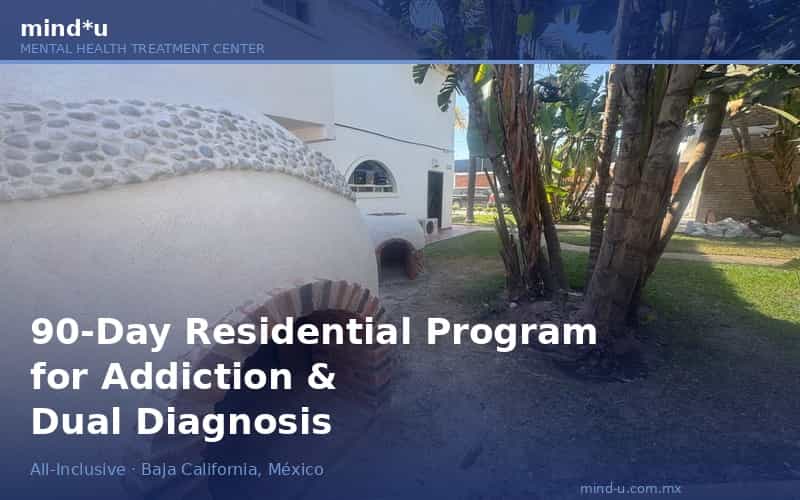
Price starting from $40,000
90-Day Residential Program for Addiction & Dual Diagnosis
Mind-U Psychiatric Residential Mental Health Center
- Psychiatry
Tijuana,Rosarito Beach, Mexico
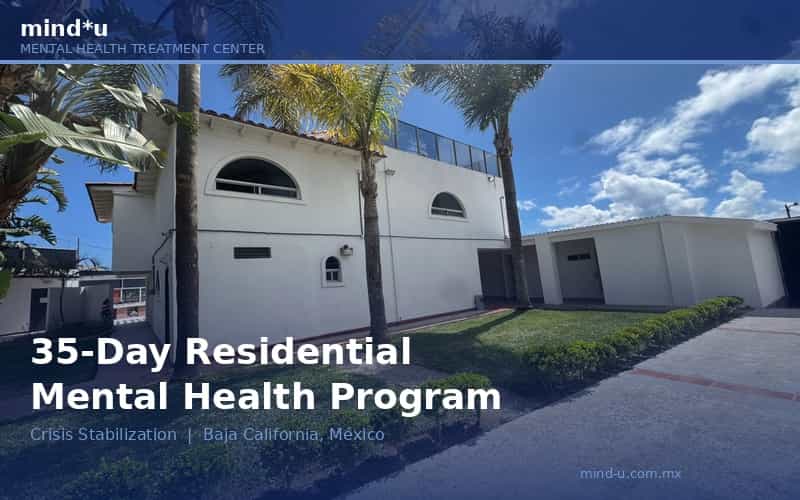
Price starting from $15,000
35-Day Residential Mental Health Program — Crisis Stabilization
Mind-U Psychiatric Residential Mental Health Center
- Psychiatry
Tijuana,Rosarito Beach, Mexico
Transformative Addiction Treatment Experiences: Dive into Procedure Insights
Discover the power of Addiction Treatment through compelling patient experiences. Uncover detailed insights into procedures, recovery journeys, and life-changing results.
.png)
Price starting from $8,250
Cocaine Addiction Treatment in Tijuana, Mexico
- Cocaine Addiction Treatment, Addiction Treatment
Tijuana, Mexico
.png)
Price starting from $9,800
Heroin Addiction Treatment in Cancun, Mexico
- Heroin Addiction Treatment, Addiction Treatment
Cancun, Mexico
.png)
Price starting from $7,800
Ibogaine Treatment for Anxiety Disorder in Tijuana, Mexico
- Ibogaine Therapy, Addiction Treatment
Tijuana, Mexico
.png)
Fentanyl Addiction Treatment in Cancun, Mexico
- Fentanyl Addiction Treatment, Addiction Treatment
Cancun, Mexico








If you\'re looking for an experience that awakens the best in you and renews your way of seeing the world, this is the destination. New Path not only helps you heal, but also reborn. The team works with genuine love, and you can feel it; they put their hearts into their medical commitment. Without a doubt, an environment full of calm and purpose!!
Read More