
What treatment


4+ Best Clinics for Embryo Freezing in Georgia
Trusted Medical Tourism Platform Since 2007
What are the best fertility and embryo freezing clinics in Georgia?
The top fertility and embryo freezing clinics in Georgia are: InvitroLife (Tbilisi), European Fertility Clinic (Tbilisi), Chachava Clinic Reproductive Health Center (Tbilisi), Beta Plus Fertility (Tbilisi), Aurora-Georgia (Tbilisi), and Med-Import Corporation (Tbilisi).
These facilities adhere to ESHRE guidelines and are regulated by the Georgian Ministry of Health. They specialize in advanced assisted reproductive technologies (ART), including vitrification (flash-freezing), IVF, ICSI, PGT genetic testing, egg donation, and surrogacy.
Treatment costs range from $1,100 to $45,950 USD, offering international patients highly affordable care and comprehensive family-building options within a legally favorable framework.

 100.00% Patient Recommend
InvitroLife - Best IVF Clinic in Georgia


Overview
Experience the Best IVF Clinic in Georgia. InvitroLife offers high success rates with advanced IVF, ICSI, PGT-A, surrogacy & egg donation programs.
Read more details

 100.00% Patient Recommend
Top IVF Center - European Fertility Clinic
Overview
Discover superior IVF treatments in Tbilisi, Georgia at European Fertility Clinic. Trusted expertise for your fertility journey. Book now at PlacidWay!
Read more details




Med-Import Corporation - IVF Clinic in Tbilisi, Georgia
Overview
Med-Import Corporation provides advanced fertility care at a leading IVF clinic in Tbilisi, Georgia with personalized treatment and modern techniques.
Read more details
Reproductive Medical Center Universy
Overview
Reproductive Medical Center Universy located in Tbilisi, Georgia works towards providing comprehensive medical services in the field of preparation for pregnancy, pregnancy monitoring, and childbirth. Learn about treatment of all types of reproductive disorders and ensure healthy birth of a healthy child at Georgia.
Read more detailsDiscover your treatment options with a free, no-obligation quote!
Get your quote now!Best Surrogacy Clinic in Tbilisi
Welcome to the International Surrogacy and Egg donation Agency Aurora-Georgia, we are genuinely committed to the main aim - the birth of a long-awaited child!


Which are the highly-rated embryo freezing clinics in Georgia?
Several embryo freezing clinics in Georgia consistently receive high praise for their patient care and success rates. Based on patient recommendations and feedback, top choices in Tbilisi include Chachava Clinic Reproductive Health Center, Beta Plus Fertility, European Fertility Clinic, and Aurora-Georgia. International University Hospital Batumi also stands out in Batumi. When evaluating, consider their specific services, technology, and patient testimonials to find the best fit for your fertility journey.
When searching for the best embryo freezing clinic in Georgia, prospective patients often look for facilities with a strong track record and positive patient experiences. Here are some of the clinics in Georgia frequently noted for their fertility services, including embryo freezing:
- Chachava Clinic Reproductive Health Center (Tbilisi): This center is highly regarded for its comprehensive IVF and surrogacy programs, with a significant number of positive patient reviews. Their long-standing presence and patient satisfaction make them a prominent choice.
- Beta Plus Fertility (Tbilisi): Known for advanced fertility treatments and high success rates, Beta Plus Fertility consistently receives excellent patient recommendations, highlighting their professionalism and patient-centered approach.
- Top IVF Center - European Fertility Clinic (Tbilisi): This clinic is recognized for its superior IVF treatments and expertise in various fertility solutions. They pride themselves on a trusted approach to fertility preservation.
- Aurora-Georgia - Surrogacy in Tbilisi: While specializing in surrogacy and egg donation, Aurora-Georgia also offers embryo freezing services as part of their comprehensive family-building programs, with strong patient endorsement.
- International University Hospital Batumi (Batumi): Located outside of Tbilisi, this multi-profiled hospital offers a range of services including fertility treatments, and has received positive feedback for its quality of care.
These clinics are often highlighted for their modern facilities, skilled teams, and dedication to helping patients achieve their family-building goals through fertility preservation techniques like embryo freezing.
How do I select the right embryo freezing clinic in Georgia?
Selecting the right embryo freezing clinic in Georgia involves evaluating key factors like laboratory quality, embryologist expertise, and transparent communication. Prioritize clinics with high thaw survival rates, modern vitrification technology, and strong patient reviews emphasizing personalized care. Verify their international accreditations and ensure they provide clear treatment protocols and ongoing support for your fertility preservation journey.
Choosing an embryo freezing clinic is a deeply personal decision, and several critical aspects should guide your selection process:
- Lab Standards and Technology: Inquire about the clinic's laboratory facilities. Modern clinics should utilize vitrification (flash-freezing) for embryo cryopreservation, which offers significantly higher survival rates compared to older slow-freezing methods. Ask about their embryo thaw survival rates specifically.
- Embryologist Expertise: The skill of the embryology team is paramount. Seek clinics with highly experienced embryologists who have specialized training in embryo freezing and thawing procedures.
- Patient-Centered Care: Evaluate how the clinic supports its patients. Look for personalized care plans, clear communication channels, and a supportive team that can guide you through each step, especially if you are an international patient.
- Accreditation and Reputation: Confirm that the clinic is accredited by relevant national or international fertility organizations, indicating adherence to high medical standards. Research patient testimonials and success stories to gauge their reputation.
- Transparency: Ensure the clinic provides clear information regarding treatment protocols, storage options, and any associated details without hidden fees or unclear terms.
What are the typical success rates for embryo freezing in Georgia?
Embryo freezing success rates in Georgia are generally very encouraging, largely due to the widespread adoption of advanced vitrification techniques. Most reputable clinics report embryo survival rates after thawing exceeding 95%. The ultimate live birth rate per frozen embryo transfer (FET) depends on factors such as the woman's age at the time of freezing, embryo quality, and the clinic's proficiency in FET procedures.
When discussing "success rates" for embryo freezing, it's important to understand the different metrics involved:
- Embryo Thaw Survival Rate: This refers to the percentage of frozen embryos that successfully survive the thawing process. With modern vitrification, top Georgian clinics typically achieve survival rates of 95-99%, meaning most embryos remain viable.
-
Live Birth Rate per Frozen Embryo Transfer (FET): This is the most crucial measure of success. It indicates the percentage of FET cycles that result in a live birth. This rate is influenced by:
- Age at Freezing: Embryos created from eggs of younger women (typically under 35) have higher implantation and live birth rates.
- Embryo Quality: The quality of the embryos at the time of freezing plays a significant role. High-grade embryos are more likely to lead to a successful pregnancy.
- Clinic's Expertise: The overall experience and skill of the embryology lab and the clinical team performing the transfer can impact outcomes.
When consulting with clinics, always ask for their specific, age-stratified live birth rates for FETs to get the most accurate picture for your individual situation.
Do Georgian fertility clinics offer preimplantation genetic testing (PGT) before embryo freezing?
Yes, many advanced fertility clinics in Georgia provide Preimplantation Genetic Testing (PGT) options prior to embryo freezing. This testing allows for screening embryos for chromosomal abnormalities (PGT-A) or specific genetic disorders (PGT-M) before cryopreservation. This enables patients to freeze only genetically healthy embryos, potentially increasing future pregnancy success rates and reducing risks of miscarriage or genetic conditions.
Preimplantation Genetic Testing (PGT) has become an integral part of modern fertility treatments, and top Georgian clinics offer this service to enhance the chances of a healthy pregnancy. Here's what you need to know:
-
Purpose of PGT: PGT involves biopsying a small number of cells from an embryo (usually at the blastocyst stage) to analyze its genetic makeup. This can be done for:
- PGT-A (Aneuploidy Screening): To identify embryos with an incorrect number of chromosomes, which are a common cause of implantation failure and miscarriage.
- PGT-M (Monogenic Disorder Screening): For couples known to be carriers of a specific genetic disease (e.g., cystic fibrosis, Huntington's disease), to ensure only unaffected embryos are transferred.
- Process Integration: If you opt for PGT, the embryos are typically grown in the lab, biopsied, and then immediately frozen (vitrified). The biopsy samples are sent to a specialized genetic laboratory for analysis. Once results are available, you and your fertility specialist can select the most viable, genetically healthy embryos for future transfer.
- Benefits: PGT can improve pregnancy outcomes by reducing the time to pregnancy, lowering miscarriage rates, and decreasing the chance of having a child with certain genetic conditions.
What advanced laboratory technologies are used for embryo cryopreservation in Georgia?
Leading embryo cryopreservation labs in Georgia employ cutting-edge technologies to maximize embryo viability. The primary method is vitrification, a rapid flash-freezing process preventing ice crystal formation that could damage cells. These facilities also feature high-tech incubators mimicking the womb, advanced air filtration to maintain sterile environments, and electronic witnessing systems for secure tracking and minimal risk of mix-ups.
The quality and sophistication of a fertility clinic's laboratory are paramount for successful embryo freezing. In Georgia, advanced clinics prioritize state-of-the-art technology, including:
- Vitrification: This flash-freezing method is the gold standard for embryo cryopreservation. It involves rapidly cooling embryos to -196°C (-321°F) using high concentrations of cryoprotectants, transforming them into a glass-like state without damaging ice crystals. This technique leads to very high survival rates upon thawing.
- Time-Lapse Imaging Incubators: Some clinics use advanced incubators with integrated cameras that continuously monitor embryo development without requiring removal from the stable environment. This provides embryologists with crucial data and helps select the most viable embryos.
- High-Efficiency Particulate Air (HEPA) Filtration Systems: To maintain a pristine, contaminant-free environment, fertility labs use advanced air filtration systems that remove dust, bacteria, volatile organic compounds (VOCs), and other airborne particles that could negatively impact embryo health.
- Electronic Witnessing Systems: To eliminate the risk of human error and ensure patient safety, many clinics implement electronic identification and tracking systems. These systems digitally monitor and match patient samples (eggs, sperm, embryos) at every step, from retrieval to storage and transfer.
How do Georgian clinics ensure long-term storage safety for frozen embryos?
Georgian fertility clinics ensure the long-term safety of frozen embryos through meticulously controlled cryogenic storage. Vitrified embryos are stored indefinitely in secure liquid nitrogen tanks at -196°C (-321°F), halting all biological activity. These facilities are continuously monitored with alarm systems, possess robust backup power and liquid nitrogen supplies, and maintain stringent restricted access protocols to safeguard all samples.
Ensuring the secure, long-term storage of your frozen embryos is a critical responsibility for fertility clinics. Reputable Georgian clinics implement comprehensive measures to protect these precious samples:
- Cryogenic Tanks: Embryos, individually labelled in specialized cryo-straws, are submerged in large, insulated tanks called dewars. These tanks are filled with liquid nitrogen, maintaining a constant ultra-low temperature of -196°C (-321°F). At this temperature, all metabolic and biological processes cease, allowing embryos to remain viable for many years, theoretically indefinitely.
- Continuous Monitoring and Alarm Systems: The liquid nitrogen levels and temperatures within the storage tanks are continuously monitored 24/7. Sophisticated alarm systems are in place to alert staff immediately to any fluctuations, ensuring swift intervention if levels drop.
- Secure Facilities: Cryostorage laboratories are typically highly secure areas with restricted access, monitored by surveillance systems, and accessible only by authorized embryology personnel. This prevents accidental damage, tampering, or unauthorized access.
- Backup Systems and Emergency Protocols: Clinics have robust emergency plans, including redundant power supplies (such as backup generators) and readily available reserves of liquid nitrogen. These protocols are crucial to protect samples during unforeseen events like power outages or natural disasters.
What qualifications are essential for embryologists in Georgia's fertility clinics?
Essential qualifications for embryologists in Georgia's fertility clinics include advanced academic degrees in biological or clinical sciences (e.g., Master's or Ph.D.), coupled with extensive hands-on training in assisted reproductive technologies (ART). They must demonstrate proficiency in techniques like vitrification, ICSI, and embryo biopsy. Many leading embryologists also hold certifications from international professional bodies such as ESHRE (European Society of Human Reproduction and Embryology).
The embryologist plays a vital role in the success of embryo freezing and other ART procedures. Their skills directly impact the quality and viability of your embryos. When considering a clinic in Georgia, it's wise to inquire about the qualifications and experience of their embryology team:
- Academic Background: A strong foundation in science is crucial. Most embryologists hold at least a Master's degree, and often a Ph.D., in fields such as clinical embryology, reproductive biology, cell biology, or genetics.
-
Specialized Training: Beyond academic degrees, practical, hands-on training in specific ART procedures is critical. This includes proficiency in:
- Oocyte and Embryo Vitrification: The precise techniques for flash-freezing eggs and embryos.
- Thawing Procedures: Safely warming and rehydrating frozen samples.
- Intracytoplasmic Sperm Injection (ICSI): Injecting a single sperm into an egg.
- Embryo Culture and Grading: Monitoring and assessing embryo development.
- Embryo Biopsy: Safely removing cells for genetic testing (PGT).
- Experience: Experience is invaluable in embryology. A seasoned embryologist who has handled a large volume of cases over several years brings a level of skill and judgment that can significantly influence outcomes.
- Professional Certifications: While local licensing is standard, certification from international organizations like the European Society of Human Reproduction and Embryology (ESHRE) demonstrates adherence to global best practices and ongoing professional development.
What is involved in transporting frozen embryos to a clinic in Georgia?
Transporting frozen embryos to a Georgian clinic is a specialized process handled by medical courier services. It requires meticulous coordination between your current clinic and the receiving clinic in Georgia, including extensive paperwork, consent forms, and medical record transfers. Embryos are securely transported in validated dry shippers, which are cryogenic containers designed to maintain ultra-low temperatures safely during international travel for several days.
If you have frozen embryos stored at another facility and wish to move them to a clinic in Georgia for future use, the process is carefully managed to ensure the safety and viability of your samples:
- Initial Coordination: You will first need to establish communication between your current clinic and the intended Georgian clinic. Both facilities must agree to the transfer and exchange necessary medical records and documentation.
- Legal and Consent Forms: You will be required to sign comprehensive consent forms authorizing the release of your embryos from the sending clinic and their acceptance by the receiving Georgian clinic. Legal paperwork ensuring proper chain of custody is also essential.
- Specialized Medical Courier: Embryo transport is not a do-it-yourself task. You will need to contract with a specialized medical courier service that has expertise in handling cryopreserved reproductive materials. These companies are experienced in navigating international shipping regulations and customs procedures.
- Dry Shipper Containers: The embryos are placed in a "dry shipper," a specialized cryogenic tank. This container is charged with liquid nitrogen vapor, which maintains the required -196°C temperature without free liquid, making it safe for air cargo. These shippers are designed to keep embryos safely frozen for several days.
- Customs and Regulations: The courier service will manage all customs declarations and ensure compliance with both the departure and arrival country's regulations for biological material transport, minimizing delays and risks.
How do clinics in Georgia facilitate communication for international embryo freezing patients?
Clinics in Georgia catering to international embryo freezing patients prioritize seamless communication by often assigning a dedicated international patient coordinator. This coordinator, fluent in English and other languages, serves as a primary point of contact, facilitating interactions with medical staff and assisting with logistics. Communication typically occurs through secure email, video conferencing (Zoom, Skype), and messaging apps (WhatsApp), ensuring patients are well-informed and supported remotely throughout their journey.
Effective communication is crucial for international patients undertaking fertility treatments abroad. Georgian clinics with experience in medical tourism have established systems to ensure smooth interactions:
- Dedicated International Patient Coordinators: Many clinics employ specific coordinators whose role is to assist international patients. These individuals are usually multilingual, with strong English proficiency, and act as a bridge between the patient and the medical team. They help with scheduling, paperwork, and general inquiries.
- Initial Remote Consultations: Before patients travel, clinics often arrange video consultations via platforms like Zoom or Skype. This allows the patient to discuss their medical history and treatment plan directly with the fertility specialist, ask questions, and build rapport.
- Digital Communication Channels: For ongoing communication, secure email is commonly used for sharing detailed information, test results, consent forms, and treatment protocols. Many clinics also leverage popular messaging apps like WhatsApp or Viber for quick questions and updates, offering convenience and responsiveness.
- Translators and Interpreters: While many staff may speak English, for specific medical discussions or for patients speaking other languages, clinics can arrange professional medical interpreters to ensure no information is lost in translation.
- Comprehensive Information Packages: Patients often receive detailed handbooks or digital guides outlining every step of their treatment, travel logistics, local information, and emergency contacts.
What post-procedure support can I expect from embryo freezing clinics in Georgia?
After your embryo freezing procedure in Georgia, clinics typically provide comprehensive post-procedure support. This includes a detailed embryology report on the number and quality of embryos frozen, followed by a consultation to discuss results and future steps. They will outline a clear plan for eventual frozen embryo transfer (FET), including timelines and preparation requirements, ensuring continuous communication and guidance for your ongoing fertility journey.
The support from Georgian fertility clinics doesn't end once your embryos are safely cryopreserved. They understand that this is a significant step in a longer journey toward parenthood and offer continued assistance:
-
Detailed Embryology Report: You will receive a comprehensive document outlining important details about your frozen embryos. This report typically includes:
- The total number of embryos successfully frozen.
- The developmental stage of each embryo at freezing (e.g., blastocyst).
- The quality grade assigned to each embryo.
- If applicable, the results of any Preimplantation Genetic Testing (PGT).
- Follow-up Consultation: A fertility specialist or patient coordinator will schedule a consultation to review the embryology report with you, discuss the implications of the results, and answer any questions you may have about your frozen embryos.
-
Future Planning for FET: The clinic will work with you to outline a clear roadmap for a future frozen embryo transfer (FET) cycle. This plan typically covers:
- The steps involved in preparing for an FET, including medication protocols.
- Recommended timelines for when you might consider returning for an FET.
- Logistical advice for your return visit, if you are an international patient.
- Ongoing Communication: Your dedicated patient coordinator usually remains your point of contact for any questions regarding embryo storage, billing, or when you decide to activate your next steps for an FET.
How do I verify the accreditation of an embryo freezing clinic in Georgia?
To verify the accreditation of an embryo freezing clinic in Georgia, look for memberships or certifications from recognized international fertility organizations. Many reputable clinics will proudly display affiliations with bodies like ESHRE (European Society of Human Reproduction and Embryology) or regional professional societies. Directly ask the clinic for their accreditation details and check their official websites or the accrediting body's directory for verification.
Ensuring a fertility clinic is properly accredited is vital for patient safety and quality assurance. Here's how you can verify the standing of an embryo freezing clinic in Georgia:
-
International Affiliations: Reputable Georgian clinics often seek accreditation or membership from well-known international organizations that set standards for fertility treatment. Key organizations include:
- ESHRE (European Society of Human Reproduction and Embryology): While not a direct accrediting body for individual clinics, ESHRE sets guidelines and best practices that many clinics strive to follow. Membership indicates a commitment to high standards.
- Joint Commission International (JCI): Although less common for smaller fertility clinics, JCI accreditation is a global benchmark for healthcare quality and patient safety, typically found in larger hospitals.
- National Regulatory Bodies: Inquire about any national oversight or licensing bodies within Georgia that regulate fertility clinics. While specific national accreditation might vary, all clinics should be licensed to operate by the Georgian Ministry of Health.
- Direct Inquiry: The most straightforward approach is to directly ask the clinic about their accreditations, certifications, and affiliations. They should be able to provide documentation or official statements.
- Website and Publications: Check the "About Us" or "Accreditation" sections of the clinic's official website. They should clearly list any reputable certifications. You might also find information in medical journals or professional directories.
Are there specific legal considerations for embryo freezing in Georgia for international patients?
Yes, international patients should be aware of Georgia's favorable legal framework for fertility treatments, including embryo freezing. Georgian law generally allows embryo cryopreservation and is notably progressive regarding surrogacy and egg donation, often attracting international patients. It is crucial to engage with a clinic that provides clear legal guidance and comprehensive consent forms, ensuring full understanding of embryo ownership, usage, and disposition rights under Georgian law.
Georgia has become a popular destination for fertility treatments partly due to its clear and generally favorable legal framework. For international patients considering embryo freezing, specific legal considerations include:
- Embryo Ownership and Rights: Georgian law typically recognizes the rights of the intended parents over their embryos. It's essential that your clinic provides comprehensive consent forms that explicitly detail who owns the embryos, decisions regarding their future use (e.g., transfer, donation, discard), and what happens in unforeseen circumstances like divorce or death.
- Marital Status: While Georgia's laws are generally progressive, some aspects of fertility treatment, particularly surrogacy, might implicitly favor married couples. For embryo freezing, it's vital to confirm any marital status requirements with your chosen clinic.
- Duration of Storage: Understand the maximum legal duration for embryo storage in Georgia and the options available for renewal or disposition after that period. This should be clearly outlined in your storage agreement.
- Future Use for Surrogacy/Donation: If your intention is to use your frozen embryos for surrogacy or donation in Georgia later, ensure you understand the specific legal requirements and eligibility criteria, as Georgian law is very specific in these areas.
- Legal Counsel: Although clinics will provide information, it is highly advisable for international patients to seek independent legal advice from a local Georgian lawyer specializing in reproductive law. This ensures all aspects are understood from an individual legal standpoint and helps protect your interests.
How PlacidWay helps individuals access Embryo Freezing in Georgia?
PlacidWay simplifies your journey to fertility preservation in Georgia by serving as your trusted guide. We provide comprehensive, up-to-date information on the entire Embryo Freezing process, including the specific procedures, potential benefits, risks, and realistic outcomes you can expect from Georgian clinics. Our platform empowers you with the knowledge needed to move forward with confidence.
We understand that comparing options is key. PlacidWay allows you to easily compare treatment packages from various top-tier clinics in Georgia. This ensures you find affordable options that fit your budget without ever compromising on the quality of care or the standards of the medical facility. Our goal is to make world-class fertility treatment accessible.
Finding a trustworthy clinic is paramount. PlacidWay assists you in connecting with accredited, internationally recognized clinics and highly skilled medical professionals who specialize in Embryo Freezing in Georgia. We vet our partners to ensure they meet stringent quality and safety standards, so you can be sure you are in capable hands.
To ensure your unique needs are met, PlacidWay offers personalized, one-on-one consultations. We take the time to understand your specific situation and help you make a well-informed decision about your treatment plan and choice of clinic. This tailored approach ensures your journey is customized to your personal and medical requirements.
Our support doesn't end after the procedure. PlacidWay ensures you have access to continued support, including organizing follow-up care, assisting with recovery plans, and being a reliable point of contact for any future needs related to your treatment in Georgia. We are with you every step of the way.
Ready to get Embryo Freezing in Georgia? Contact us today for a personalized consultation.
List of Best Embryo Freezing Clinics in Georgia
Unlock the Best Fertility Treatment Packages Just for You
Discover the ultimate Fertility Treatment packages designed to meet your health and wellness goals. Choose the perfect fit for your journey.

Price starting from $45,000
Guarantee Surrogacy with Egg Donor Package in Tbilisi, Georgia by European Fertility Clinic
Top IVF Center - European Fertility Clinic
- Fertility Treatment
Tbilisi,Georgia

Price starting from $31,000
Standard Surrogacy with Own Eggs Package in Tbilisi, Georgia by European Fertility Clinic
Top IVF Center - European Fertility Clinic
- Fertility Treatment
Tbilisi,Georgia

Price starting from $37,000
Standard Surrogacy with Egg Donor Package in Tbilisi, Georgia by European Fertility Clinic
Top IVF Center - European Fertility Clinic
- Fertility Treatment
Tbilisi,Georgia

Price starting from $5,000
IVF with Embryo Freezing Package in Spain by UR Vistahermosa Alicante
UR Vistahermosa - Fertility Clinic in Spain
- Fertility Treatment
Alicante,Spain
Transformative Fertility Treatment Experiences: Dive into Procedure Insights
Discover the power of Fertility Treatment through compelling patient experiences. Uncover detailed insights into procedures, recovery journeys, and life-changing results.




Price starting from $6,500
IVF with Gender Selection in Tbilisi, Georgia
- IVF with Gender Selection,Fertility Treatment
Tbilisi,Georgia
Explore Fertility Treatment: Stories, Testimonials, and Procedures
Watch in-depth videos covering everything from Fertility Treatment success stories to detailed procedure explanations. Learn what to expect and hear from real patients.
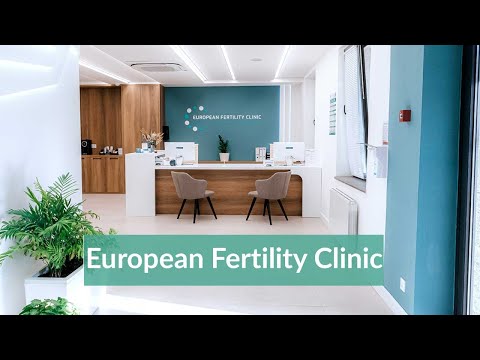



Conceive with Confidence: The European Fertility Clinic, Tbilisi
Top IVF Center - European Fertility Clinic
Georgia
Learn More with These Fertility Treatment Articles
Take a look at these interesting articles, stories and research that will help you learn more about Fertility Treatment.

10 Steps to Find the Best Fertility Treatment in Europe
PlacidWay Cyprus Fertility Treatment
- Fertility Treatment
Turkey

Navigating IVF with Egg Donation in Tbilisi, Georgia: Costs, Eligibility, and Clinic Safety
PlacidWay Georgia Medical Tourism
- Fertility Treatment
Georgia

Planning Surrogacy with Egg Donation in Tbilisi, Georgia: Costs, Laws, and Clinic Selection
PlacidWay Georgia Medical Tourism
- Fertility Treatment
Georgia

Best IVF Clinics in Europe: Top Fertility Centers with High Success Rates
PlacidWay Europe Medical Tourism
- Fertility Treatment
Cyprus
Fertility Treatment Solutions Near You: Explore Top Medical Centers
Discover how Fertility Treatment is transforming lives at leading medical centers in , Georgia. Dive into center profile, specialties, doctors, reviews, etc. and explore the best options tailored to your needs in this region.
Top IVF Center - European Fertility Clinic
Tbilisi,Georgia

Best Surrogacy Clinic in Tbilisi
Tbilisi,Georgia

Med-Import Corporation - IVF Clinic in Tbilisi, Georgia
Tbilisi,Georgia

Reproductive Medical Center Universy
Tbilisi,Georgia









I think its the best place with experienced doctors and very good staff . I will never forget this feeling thank u soooo much D.Natia
Read More