
What treatment


1+ Best Clinics for Gall Bladder Removal in Germany
Trusted Medical Tourism Platform Since 2007
What are the best gall bladder removal and urology clinics in Germany?
The leading medical facilities for these specialized procedures are Masculine by Dr. Med. Aref Elseweifi (Berlin) and IMC Intermed-Consult (Frankfurt).
These JCI-accredited and domestically certified clinics specialize in laparoscopic gall bladder removal (cholecystectomy), prostatectomy, genital surgery, and complex urological treatments. They utilize state-of-the-art minimally invasive and robotic-assisted technologies to ensure optimal patient safety and faster recovery times. Surgery and treatment packages range from $2,247 to $14,300 USD, providing world-class healthcare, advanced diagnostics, and dedicated logistical support for international medical travelers.

 91.67% Patient Recommend
Masculine by Dr. Med. Aref Elseweifi


Overview
Masculine is a leading urology center in Berlin, Germany, specializing in implantation of penile prosthesis, prostatectomy, genital surgery and laser procedures by Dr. Med. Aref Elseweifi.
Read more details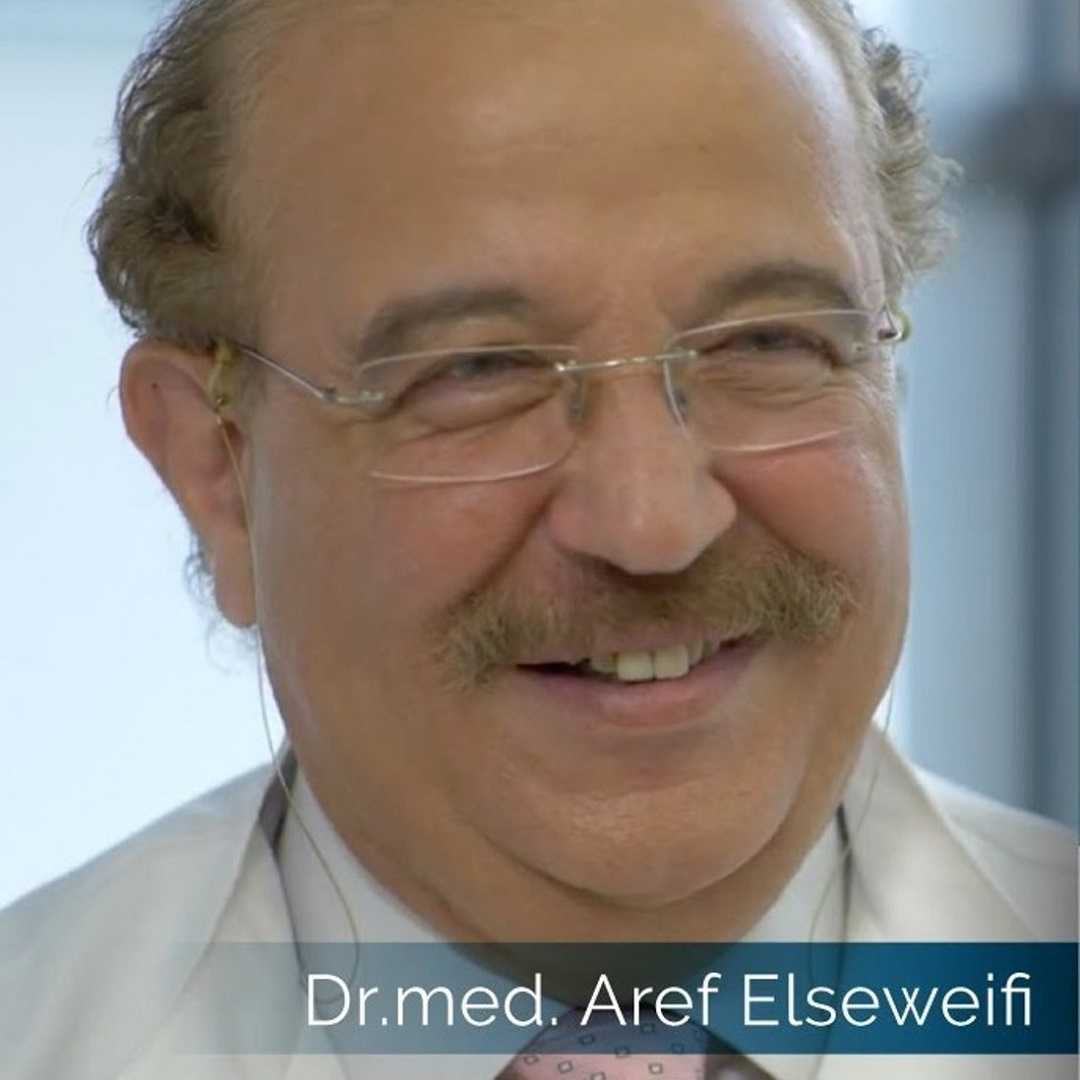


Authored by
Jude Nolan
Jude Nolan- Urology Content Specialist A dedicated healthcare professional with 4+ years of experience and 800+ articles, specialized in simplifying complex urinary tract, male reproductive, and clinical urology topics.
Reviewed by
Dr. Luis Herrera
Dr. Luis Herrera, a leading urologist in Guadalajara, Mexico, specializes in advanced urological treatments, including robotic surgery and male infertility care.
Last updated on
Which are the best Gall Bladder Removal and Urology clinics in Germany for international patients?
For top-tier Gall Bladder Removal and Urology care in Germany, leading clinics like Masculine by Dr. Med. Aref Elseweifi in Berlin stand out for specialized urology. IMC Intermed-Consult in Frankfurt also offers diverse medical specialties. Both facilities are recognized for their commitment to high-quality care, advanced medical practices, and comprehensive support tailored for international patients seeking treatment in Germany.
Germany is renowned globally for its advanced healthcare system and highly skilled medical professionals. When considering clinics for specialized procedures such as gall bladder removal or complex urological treatments, patients often look for facilities that combine medical excellence with a supportive environment for international visitors.
- Masculine by Dr. Med. Aref Elseweifi (Berlin): This clinic is highly rated for its specialized urology services. Patients consistently praise its expert care and dedicated team in Berlin. They offer various urological procedures, reflecting a strong focus on this specific medical field.
- IMC Intermed-Consult (Frankfurt): Located in Frankfurt, this center is known for providing a broad spectrum of medical care. While it covers numerous specialties, its approach to patient care is geared towards international patients, ensuring comprehensive support throughout their medical journey in Germany.
Both clinics emphasize patient safety, employing modern medical techniques and ensuring a comfortable experience for those traveling for treatment.
What should I prioritize when selecting a specialized clinic for gall bladder or urological conditions in Germany?
When choosing a specialized clinic in Germany for gall bladder or urological conditions, prioritize the clinic's specific expertise in your required procedure, verified international accreditations, and patient testimonials. Look for facilities with state-of-the-art technology, a multidisciplinary approach, and dedicated support for international patients, ensuring a seamless and high-quality treatment experience.
Selecting the right clinic is a crucial step for your health journey. Here are key factors to consider:
- Specialized Expertise: Ensure the clinic has a strong focus and extensive experience in either gall bladder removal surgery (cholecystectomy) or your specific urological condition. Clinics that perform these procedures frequently often have better outcomes.
- Accreditation and Certifications: Look for international accreditations, such as Joint Commission International (JCI), which indicate adherence to global standards of patient safety and quality of care. German domestic certifications also attest to high standards.
- Technology and Facilities: Modern clinics in Germany utilize advanced equipment for diagnosis and minimally invasive surgical techniques, potentially leading to faster recovery times and reduced discomfort. Inquire about their technological infrastructure.
- Patient-Centered Services: For international patients, services like multilingual staff, dedicated patient coordinators, and assistance with logistics (travel, accommodation) are vital for a stress-free experience.
- Patient Reviews and Outcomes: Reading testimonials and understanding past patient experiences can provide valuable insight into the quality of care and patient satisfaction.
How do German clinics ensure high standards of care for complex surgical procedures?
German clinics uphold high standards for complex surgical procedures through stringent national regulations, continuous professional development for medical staff, and substantial investment in cutting-edge surgical technologies. They often participate in quality assurance programs and clinical audits, ensuring exceptional patient safety and optimal treatment outcomes in specialized fields like gall bladder and urology surgery.
The German healthcare system is highly regarded globally for its meticulous approach to medical care. This commitment to excellence is particularly evident in complex surgical fields.
- Strict Regulatory Framework: Germany has rigorous medical regulations and guidelines that all healthcare facilities must follow. These encompass hygiene, patient safety protocols, and surgical standards.
- Continuous Training and Research: Surgeons and medical staff in Germany engage in ongoing education and contribute to medical research, ensuring they are always up-to-date with the latest advancements and techniques.
- Advanced Medical Technology: Clinics are equipped with state-of-the-art diagnostic and surgical equipment, including robotic-assisted surgery systems and advanced imaging technologies, which enhance precision and reduce risks.
- Interdisciplinary Collaboration: For complex cases, teams of specialists from various departments often collaborate to provide comprehensive care, ensuring all aspects of a patient's condition are addressed.
- Quality Assurance and Audits: Many German hospitals participate in external quality assurance programs and regular audits to continually monitor and improve their service delivery and patient outcomes.
Are German medical facilities equipped with advanced technology for minimally invasive gall bladder and urology surgeries?
Yes, many leading German medical facilities are exceptionally well-equipped with advanced technology for minimally invasive surgeries, including laparoscopic and robotic systems. This focus on advanced techniques for procedures like gall bladder removal and urological treatments allows for smaller incisions, reduced pain, shorter hospital stays, and quicker patient recovery compared to traditional open surgery.
Minimally invasive surgery (MIS) has revolutionized many surgical fields, and German clinics are at the forefront of adopting and refining these techniques.
- Laparoscopic Surgery: Commonly used for gall bladder removal (laparoscopic cholecystectomy) and certain urological procedures, this involves small incisions and the use of a camera (laparoscope) to guide instruments.
- Robotic-Assisted Surgery: Advanced robotic systems like the da Vinci Surgical System are frequently utilized, particularly in urology for prostatectomies. These robots offer surgeons enhanced precision, dexterity, and visualization.
- Endoscopic Techniques: In urology, endoscopic procedures (cystoscopy, ureteroscopy) allow for diagnosis and treatment through natural openings, avoiding external incisions.
- Benefits for Patients: The advantages of these technologies include less post-operative pain, minimal scarring, a lower risk of complications, and a significantly faster return to daily activities.
Clinics continually invest in upgrading their technology to provide the safest and most effective minimally invasive options for their patients.
What kind of patient support services can international patients expect at German clinics?
International patients visiting German clinics can expect comprehensive support services aimed at facilitating a smooth and comfortable healthcare journey. This typically includes multilingual staff, dedicated international patient departments, assistance with travel and accommodation, visa support, translation services for medical consultations, and personalized care coordination from arrival through departure.
German clinics understand the unique needs of international patients and strive to provide a seamless experience.
- International Patient Departments (IPDs): Many large clinics have dedicated departments that act as a central point of contact for foreign patients, handling inquiries, appointments, and overall coordination.
- Language Services: Multilingual staff and professional medical interpreters are often available to ensure clear communication between patients and their healthcare providers.
- Logistical Assistance: Clinics can help with visa applications, airport transfers, arranging accommodation for patients and their companions, and local transportation.
- Appointment Scheduling: IPDs assist in coordinating all necessary medical appointments, from initial consultations to follow-up examinations, ensuring a streamlined schedule.
- Cultural Sensitivity: Staff are often trained to be culturally sensitive, understanding and respecting diverse backgrounds and dietary needs.
How important are clinic accreditations when choosing a facility in Germany?
Clinic accreditations are highly important when selecting a healthcare facility in Germany, serving as a robust indicator of quality, safety, and adherence to recognized international standards. Accreditations like JCI (Joint Commission International) provide independent verification of a clinic's commitment to patient-centered care and superior clinical outcomes, offering crucial assurance for patients, especially those from abroad.
Accreditations offer a reliable benchmark for evaluating the quality and safety of healthcare providers.
- Quality Assurance: Accreditations ensure that clinics meet stringent criteria for patient care, hygiene, infrastructure, and treatment protocols. This translates to a higher level of trust and confidence for patients.
- Patient Safety: Accredited facilities adhere to strict safety guidelines, reducing the risk of medical errors, infections, and other complications. This is vital for surgical procedures like gall bladder removal and urological treatments.
- Continuous Improvement: The accreditation process requires continuous monitoring and improvement of services, meaning clinics are always striving for better patient outcomes and experiences.
- International Recognition: For medical travelers, international accreditations like JCI are particularly valuable as they provide a universally understood standard of excellence, simplifying the selection process across borders.
- Transparency: Accreditation bodies promote transparency in healthcare reporting, allowing patients to make informed decisions based on verified data.
What are the common recovery expectations after specialized surgery in German clinics?
After specialized surgery in German clinics, patients can expect a carefully planned recovery process tailored to their specific procedure, like gall bladder removal or urology. This includes comprehensive pain management, early mobilization initiatives, and detailed post-operative instructions for rehabilitation. The goal is to facilitate a smooth, safe recovery and a prompt return to daily activities, often supported by integrated follow-up care.
Recovery protocols in German clinics are designed for optimal patient well-being and efficient healing.
- Pain Management: Effective pain control is a priority, using a combination of medications and techniques to ensure patient comfort throughout the recovery period.
- Early Mobilization: Patients are often encouraged to move as soon as safely possible, which helps prevent complications like blood clots and aids in faster overall recovery.
- Personalized Rehabilitation: Depending on the surgery, a tailored rehabilitation plan might include physical therapy exercises or dietary adjustments, especially after procedures like gall bladder removal.
- Detailed Discharge Instructions: Before leaving the clinic, patients receive clear and comprehensive instructions on wound care, medication schedules, activity restrictions, and signs to watch for.
- Follow-up Appointments: Scheduled follow-up visits or remote consultations are common to monitor progress and address any concerns, ensuring long-term recovery.
Can I get a second opinion from German clinics before committing to a gall bladder or urology procedure?
Yes, many German clinics actively welcome and facilitate second opinions, allowing patients to seek additional expert advice before committing to a gall bladder removal or urology procedure. This practice ensures patients are fully informed and confident in their treatment decisions. Clinics often have streamlined processes for international patients to submit medical records and receive comprehensive assessments from their specialists.
Seeking a second opinion is a common and advisable step, especially for significant medical procedures.
- Ensuring Confidence: A second opinion can confirm a diagnosis or treatment plan, providing peace of mind and building confidence in the chosen course of action.
- Exploring Alternatives: Different specialists might offer alternative treatment approaches or surgical techniques that could be more suitable for your specific case.
- Access to Expertise: German clinics boast a high level of medical expertise, and a second opinion allows you to benefit from this extensive knowledge.
- Process for International Patients: Typically, you would need to submit your existing medical records, imaging scans, and pathology reports. Many clinics have dedicated international patient services to assist with this submission and subsequent consultation, often conducted remotely initially.
- Informed Decision-Making: Ultimately, a second opinion empowers you to make a more informed decision about your health, knowing you've considered all viable options.
How do German clinics handle post-operative care for international patients?
German clinics manage post-operative care for international patients with a structured approach, providing detailed discharge instructions, arranging necessary follow-up appointments, and often coordinating with local healthcare providers for continuity of care. Dedicated international patient coordinators ensure seamless communication and support, including remote consultations, to monitor recovery and address any concerns even after the patient returns home.
Ensuring proper post-operative care is crucial for successful outcomes, especially for patients returning to their home countries.
- Comprehensive Discharge Planning: Before discharge, patients receive thorough instructions regarding wound care, medication schedules, dietary guidelines, and physical activity restrictions specific to their surgery (e.g., after gall bladder removal or urological intervention).
- Remote Monitoring and Consultations: Many clinics offer telemedicine options, allowing international patients to have virtual follow-up appointments with their German specialists, ensuring ongoing medical oversight without needing to travel back.
- Coordination with Home Doctors: Clinics can assist in transmitting medical reports and recommendations to the patient's local doctor, fostering a collaborative approach to post-operative care.
- Emergency Contact and Support: Patients are provided with clear channels for emergency contact and support should any complications arise after returning home.
- Rehabilitation Guidance: If rehabilitation or physical therapy is required, clinics often provide recommendations or facilitate arrangements for these services in the patient's home country.
What is the typical patient experience like at specialized German healthcare facilities?
The patient experience at specialized German healthcare facilities, especially for gall bladder or urology treatments, is typically characterized by high efficiency, meticulous precision, and a patient-centered approach. Patients often benefit from advanced medical technology, highly qualified specialists, and a structured care environment, leading to trust and a generally positive, high-quality treatment journey from initial consultation through recovery.
Patients often report a distinct experience when undergoing treatment in Germany:
- Professionalism and Efficiency: From appointment scheduling to actual treatment, German healthcare operates with a high degree of organization and professionalism. Patients appreciate the clear communication and streamlined processes.
- Advanced Diagnostics and Treatment: Facilities are equipped with cutting-edge diagnostic tools and therapeutic technologies, ensuring accurate diagnoses and the most effective treatments available.
- Expert Medical Teams: Patients are treated by highly trained and experienced specialists, many of whom have international recognition in their fields like urology or general surgery.
- Emphasis on Patient Education: Doctors take time to explain conditions, treatment options, and expected outcomes, empowering patients to be active participants in their care.
- Comfort and Privacy: While efficiency is key, patient comfort and privacy are also highly valued. Many facilities offer comfortable amenities and discreet services, especially for international patients.
- Holistic Approach: Beyond the immediate medical treatment, there's often an emphasis on overall well-being, including dietary advice and gentle rehabilitation to support recovery.
How PlacidWay helps individuals access Gall Bladder Removal and Urology procedures in Germany?
PlacidWay provides detailed, up-to-date information about Gall Bladder Removal and Urology procedures, including benefits, risks, and expected outcomes. We help users compare treatment in various clinics in Germany, ensuring affordable options without compromising on quality. PlacidWay assists users in finding trusted, accredited clinics and medical professionals specializing in Gall Bladder Removal and Urology in Germany. We offer one-on-one consultations to help users make informed decisions about their treatment, ensuring their specific needs are met. PlacidWay also ensures continued support after the treatment, including follow-up care and recovery assistance. Ready to get Gall Bladder Removal or Urology treatment in Germany? Contact us today for a personalized consultation.Share with AI
Share this page with AI assistants to get summaries and insights


List of Best Gall Bladder Removal Clinics in Germany
Explore Gall Bladder Removal: Stories, Testimonials, and Procedures
Watch in-depth videos covering everything from Gall Bladder Removal success stories to detailed procedure explanations. Learn what to expect and hear from real patients.
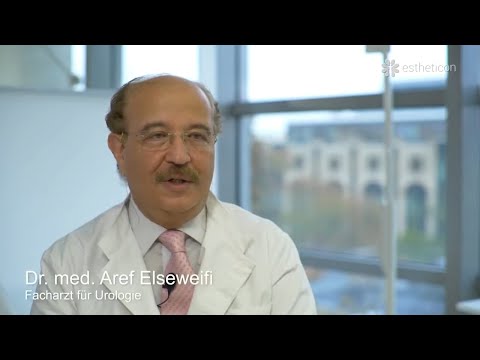
Expert Urology Care in Berlin, Germany: Dr. Aref El-Seweifi at Masculine Clinic
Urology
Masculine by Dr. Med. Aref Elseweifi
Berlin, Germany

A Real Patients Journey with Penile Implants by Dr. Aref-El Seweifi at Masculine in Berlin, Germany
Urology
Masculine by Dr. Med. Aref Elseweifi
Berlin, Germany
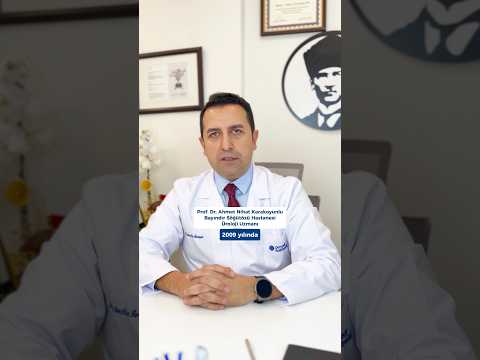
Precision Robotic Urology Surgery in Ankara, Turkey for Complete Cancer Care
Urology
Bayindir Healthcare Group
Istanbul,Ankara, Turkey
Medical Tourism in Istanbul, Turkey – Transforming Lives with Expert Healthcare
Addiction Treatment
Medical Park Hospitals Group in Istanbul, Turkey
Istanbul, Turkey
Unlock the Best Gall Bladder Removal Packages Just for You
Discover the ultimate Gall Bladder Removal packages designed to meet your health and wellness goals. Choose the perfect fit for your journey.

Price starting from $7,000
Penile Implant Package in Berlin, Germany by Masculine
Masculine by Dr. Med. Aref Elseweifi
- Urology
Berlin, Germany
Price starting from $10,500
Laparoscopic Gallbladder Removal in Milan Italy
Istituto Auxologico Italiano
- Urology
Milan, Italy

Price starting from $2,247
Hymen Restoration Package in Berlin, Germany by Masculine
Masculine by Dr. Med. Aref Elseweifi
- Urology
Berlin, Germany

Price starting from $12,500
Stem Cell Therapy for Erectile Dysfunction Package in San Jose, Costa Rica by Nordic Stem Cell Clinic
Nordic Stem Cell Clinic – Leading ED Clinic in Costa Rica
- Urology
San Jose, Costa Rica
Transformative Gall Bladder Removal Experiences: Dive into Procedure Insights
Discover the power of Gall Bladder Removal through compelling patient experiences. Uncover detailed insights into procedures, recovery journeys, and life-changing results.

Price starting from $10,000
Penile Implant in Istanbul, Turkey
- Urethra or Penile Surgery, Urology
Istanbul, Turkey
.png)
.png)
.png)








My worst experience was with Placid Way. I got no response from you.
Read More