
What treatment


1+ Best Clinics for Hair Restoration and Transplantation in Egypt
Trusted Medical Tourism Platform Since 2007
What are the best hair transplant clinics in Egypt?
A leading provider for hair restoration and transplantation is Elgamal Clinic (Cairo).
Top Egyptian clinics feature board-certified dermatologists and plastic surgeons holding ISHRS (International Society of Hair Restoration Surgery) memberships. Facilities specialize in advanced, minimally invasive treatments including Follicular Unit Extraction (FUE) and Direct Hair Implantation (DHI) using specialized Choi pens. Procedures are performed in accredited surgical centers adhering to strict international health and sterilization standards, with most patients paying for these cosmetic services out-of-pocket.
Elgamal Clinic - Multispecialty Center in Cairo, Egypt


Overview
ElGamal Clinic in Cairo offers expert Plastic Surgery Cairo services along with cosmetic surgery, dermatology, dentistry, urology, and aesthetic treatments.
Read more details
Andalusia Health Group in Egypt

Overview
Discover comprehensive healthcare at Andalusia Health Group Multispecialty Center in Cairo, Egypt. Offering expert care across various specialties.
Read more details
How do I choose Hair Restoration and Transplantation Clinic in Egypt?
When choosing a hair restoration clinic in Egypt, prioritize facilities with internationally recognized accreditations and surgeons certified in hair transplant procedures. Review their before-and-after portfolios, focusing on results similar to your hair type and loss pattern. Also, verify they use modern technologies like FUE or DHI for better, more natural-looking outcomes.
Making the right choice involves more than just looking at pictures. You should dig a little deeper to ensure the clinic meets high standards of care and safety.
- Surgeon's Credentials: Confirm the lead surgeon is a board-certified dermatologist or plastic surgeon with specialized training in hair transplantation. Ask how many procedures they perform annually.
- Technology and Techniques: Top clinics in Egypt will offer advanced techniques like Follicular Unit Extraction (FUE) or Direct Hair Implantation (DHI). These methods minimize scarring and offer a more natural hairline compared to older techniques. Ask which method they recommend for you and why.
- Patient Testimonials & Reviews: Look for reviews on independent platforms, not just the clinic's own website. These can provide honest insights into the patient experience, from the initial consultation to post-operative care.
- Consultation Process: A reputable clinic will offer a thorough consultation. They should assess your hair loss, discuss your goals, and explain the entire procedure, including potential risks and realistic outcomes.
What qualifications should a hair transplant surgeon in Egypt have?
A qualified hair transplant surgeon in Egypt should be a board-certified dermatologist or plastic surgeon. Look for memberships in international societies like the ISHRS (International Society of Hair Restoration Surgery). This demonstrates a commitment to the highest standards of practice, ongoing education, and ethical patient care in the specialized field of hair restoration.
The credentials of the surgeon are arguably the most critical factor for a successful outcome. Here’s what to verify before committing to a procedure at any Egyptian clinic:
- Medical Board Certification: This is non-negotiable. It ensures the doctor has completed rigorous training in their primary specialty (dermatology or plastic surgery).
- Specialized Training: Ask about specific fellowships or advanced training focused solely on hair transplantation techniques. A general surgeon may not have the refined skills needed for creating a natural hairline.
- Experience: Inquire about the number of hair transplant procedures the surgeon has personally performed. An experienced surgeon will have a better understanding of different hair types, densities, and the artistry required for a natural look.
- Direct Involvement: Confirm that the surgeon will be performing the critical parts of the surgery (like creating the recipient sites and designing the hairline), not delegating them to less-qualified technicians.
How do Egyptian clinics ensure patient safety during hair transplants?
Reputable Egyptian clinics ensure patient safety through strict sterilization protocols and the use of modern, sterile equipment. They operate in accredited facilities that adhere to international health standards. A qualified medical team, including an anesthesiologist if needed, monitors the patient's vital signs throughout the entire hair transplant procedure for maximum safety.
Your safety is paramount. A good clinic will be transparent about the measures they take to protect your health. Key safety protocols to look for include:
- Accredited Facilities: The procedure should be performed in a clinical setting that is properly licensed and equipped to handle medical procedures, including any potential emergencies.
- Sterilization: All instruments must be either single-use disposables or be thoroughly sterilized using an autoclave. Ask the clinic about their sterilization process to prevent any risk of infection.
- Pre-Operative Screening: A thorough medical history and sometimes blood tests are conducted to ensure you are a suitable candidate for the surgery and to identify any potential risks.
- Post-Operative Care: The clinic should provide clear instructions for aftercare to prevent infection and ensure proper healing. They should also be available for follow-up questions or concerns.
What are the differences between FUE and DHI techniques offered in Egyptian clinics?
In Egyptian clinics, the main difference lies in the implantation step. With FUE (Follicular Unit Extraction), surgeons manually create channels in the scalp before implanting grafts. With DHI (Direct Hair Implantation), a specialized Choi pen is used to implant grafts directly without pre-made incisions, offering more control over angle and direction for a denser look.
Both FUE and DHI are advanced, minimally invasive techniques widely available in top Egyptian hair restoration centers. Understanding their nuances can help you discuss your preferences with the surgeon.
Follicular Unit Extraction (FUE):
- Process: Individual hair follicles are extracted from the donor area. The surgeon then creates tiny incisions (channels) in the recipient area and places the grafts into these channels.
- Best For: Covering larger areas of baldness.
Direct Hair Implantation (DHI):
- Process: This is a more refined version of FUE. Grafts are extracted and then loaded into a special implanter pen (Choi pen). This pen implants the follicle directly into the scalp in one motion, without needing prior incisions.
- Best For: Achieving higher density and precise control over the angle and depth of implantation, which is ideal for hairline design.
Do hair transplant clinics in Egypt accept international insurance?
Generally, hair transplantation is considered a cosmetic procedure and is not covered by most international insurance plans. Patients typically pay for the treatment out-of-pocket. However, it's always best to contact your insurance provider directly to confirm the specifics of your policy and check with your chosen clinic in Egypt to see if they offer any assistance with claims.
While direct billing to international insurance is uncommon for cosmetic procedures, some clinics in Egypt that cater to medical tourists are equipped to help you with the necessary paperwork.
- Self-Pay Model: The vast majority of clinics operate on a self-pay basis. They will provide a detailed invoice of the services rendered.
- Reimbursement Possibility: You might be able to submit this invoice to your insurance company for potential reimbursement, but this is rare and depends entirely on your plan's coverage for elective or cosmetic surgeries abroad.
- Clinic Assistance: Ask the clinic's administrative staff if they can provide a detailed medical report or invoice formatted for insurance purposes. Their experience with international patients means they might know what documentation is typically required.
What kind of post-operative support do clinics in Egypt provide?
Leading hair transplant clinics in Egypt provide comprehensive post-operative support. This includes detailed aftercare instructions, a kit with special shampoos and medications, and scheduled follow-up appointments (in-person or virtual). They also offer a direct line of contact with the medical team to address any concerns or questions during your recovery period.
Excellent post-operative care is crucial for achieving the best results and ensuring a smooth recovery. Here’s what a top-tier clinic should offer:
- Detailed Recovery Plan: You should leave the clinic with clear, written instructions on how to care for your scalp, including washing instructions, sleeping positions, and activities to avoid.
- Post-Op Care Kit: Many clinics provide a package containing essential items like a special pillow, medicated shampoo, lotion, and any prescribed pain relievers or antibiotics.
- Follow-Up Consultations: The clinic should schedule follow-ups to monitor your healing and progress. For international patients, these are often conducted via video calls at key milestones (e.g., 1 month, 3 months, 6 months, 1 year).
- 24/7 Accessibility: A good clinic will provide you with a phone number or contact method for urgent questions that may arise after you’ve returned home.
How do clinics in Egypt determine the number of grafts needed?
Clinics in Egypt determine the required number of grafts through a detailed scalp analysis during the consultation. Surgeons use the Norwood scale to classify the extent of hair loss. They also assess your donor area's density, your hair characteristics (color, texture), and your specific aesthetic goals to calculate the precise number of grafts for optimal coverage.
The graft calculation is a critical step that blends science and artistry. A reputable clinic will be transparent about how they arrive at their recommendation.
- Hair Loss Assessment: The primary tool is the Norwood Hamilton Scale, which stages male pattern baldness from I to VII. This provides a baseline for the area that needs coverage.
- Donor Area Evaluation: The surgeon will examine the back and sides of your head to determine the density and health of your donor hair. A limited or weak donor area will affect the maximum number of grafts that can be safely harvested.
- Desired Density: The clinic will discuss your expectations. Do you want a very dense hairline or more conservative coverage? This personal preference is a key factor in the final graft count.
- Hair Characteristics: Thicker, wavier hair can provide the appearance of more coverage with fewer grafts compared to fine, straight hair. The surgeon takes this into account.
Can I see before and after photos from Egyptian hair transplant clinics?
Yes, reputable hair transplant clinics in Egypt will proudly showcase extensive portfolios of their before-and-after photos. During your consultation, ask to see high-resolution images of patients with similar hair loss patterns, hair types, and ages to yours. This is the best way to evaluate the surgeon's skill and the quality of results the clinic consistently produces.
Reviewing a clinic's portfolio is a crucial part of your research. Here’s how to analyze the photos effectively:
- Look for Consistency: Check for consistent lighting, angles, and backgrounds in the photos. This indicates professionalism and prevents manipulation of results.
- Seek Similar Cases: Don't be swayed by a great result on someone with a completely different hair type or level of baldness. Ask specifically for cases that mirror your own situation.
- Examine the Hairline: A natural-looking hairline is not a perfectly straight line. It should be slightly irregular with softer, finer hairs at the very front. This is a sign of an artistic and skilled surgeon.
- Check for Videos: Video testimonials or walkthroughs can be even more revealing than static photos, as they show the hair from all angles and in motion.
What is the consultation process like at a hair restoration clinic in Egypt?
The consultation process at an Egyptian hair clinic typically starts with an online evaluation of photos you provide. This is followed by a detailed discussion (often via video call) with a medical consultant or the surgeon. They will assess your hair loss, discuss your goals, explain the recommended technique (FUE/DHI), and provide a personalized treatment plan.
A thorough and professional consultation is a sign of a high-quality clinic. It should be an informative, two-way conversation, not a sales pitch. Here is what you can expect:
- Initial Assessment: You'll be asked to send clear photos of your head from the front, top, sides, and back. This allows the team to make a preliminary evaluation of your hair loss stage and donor area.
- Medical History Review: The consultant will ask about your health, family history of hair loss, and any medications you are taking to ensure you are a good candidate.
- Goal Setting: This is your chance to explain what you hope to achieve. The surgeon will then provide a realistic outlook on what is possible based on your individual factors.
- Procedure Explanation: The team will walk you through the entire process, from pre-op preparations to the day of the surgery and the post-op recovery timeline.
- Q&A Session: A good consultation ends with ample time for you to ask any questions you have. You should never feel rushed.
How do clinics in Egypt cater to international patients?
Clinics in Egypt specializing in medical tourism cater to international patients by offering all-inclusive packages. These often include airport transfers, hotel accommodations, and a dedicated translator. They provide remote consultations, multilingual staff, and clear communication channels to ensure a seamless and stress-free experience from arrival to departure.
Top clinics understand the unique needs of patients traveling from abroad and have systems in place to make the journey smooth and comfortable.
- All-Inclusive Packages: To simplify logistics, many clinics offer packages that bundle the procedure with 4 or 5-star hotel stays, private transportation between the airport, hotel, and clinic.
- Language Support: These clinics employ multilingual patient coordinators and often have translators available to ensure there are no communication barriers with the medical team.
- Virtual Process: The entire pre-operative process, from the initial consultation to scheduling, is handled remotely via email, phone, and video calls.
- Visa and Travel Assistance: While you are responsible for your own visa, the clinic's international patient department can provide invitation letters and guidance to facilitate the process.
How PlacidWay helps individuals access Hair Restoration and Transplantation in Egypt?
- Detailed Information: PlacidWay provides comprehensive, up-to-date information on Hair Restoration and Transplantation procedures in Egypt, including clear explanations of the benefits, potential risks, and the outcomes you can realistically expect.
- Clinic & Price Comparison: We help you compare treatment packages from various top-rated clinics, ensuring you find affordable options that don't compromise on the quality of care or the surgeon's expertise.
- Trusted & Accredited Clinics: PlacidWay assists you in finding and connecting with trusted, internationally accredited clinics and board-certified medical professionals who specialize in FUE and DHI hair transplants in Egypt.
- Personalized Consultations: We offer one-on-one consultations to understand your specific needs and goals. This helps us guide you in making an informed decision about your treatment and choosing the right clinic for you.
- Continued Support: Our support doesn't end after the procedure. PlacidWay ensures you have a plan for continued support, including guidance on follow-up care and recovery assistance to achieve the best possible results.
Ready to get Hair Restoration and Transplantation in Egypt? Contact us today for a personalized consultation.
Share with AI
Share this page with AI assistants to get summaries and insights


List of Best Hair Restoration and Transplantation Clinics in Egypt
Unlock the Best Cosmetic Plastic Surgery Packages Just for You
Discover the ultimate Cosmetic Plastic Surgery packages designed to meet your health and wellness goals. Choose the perfect fit for your journey.
Price starting from $4,000
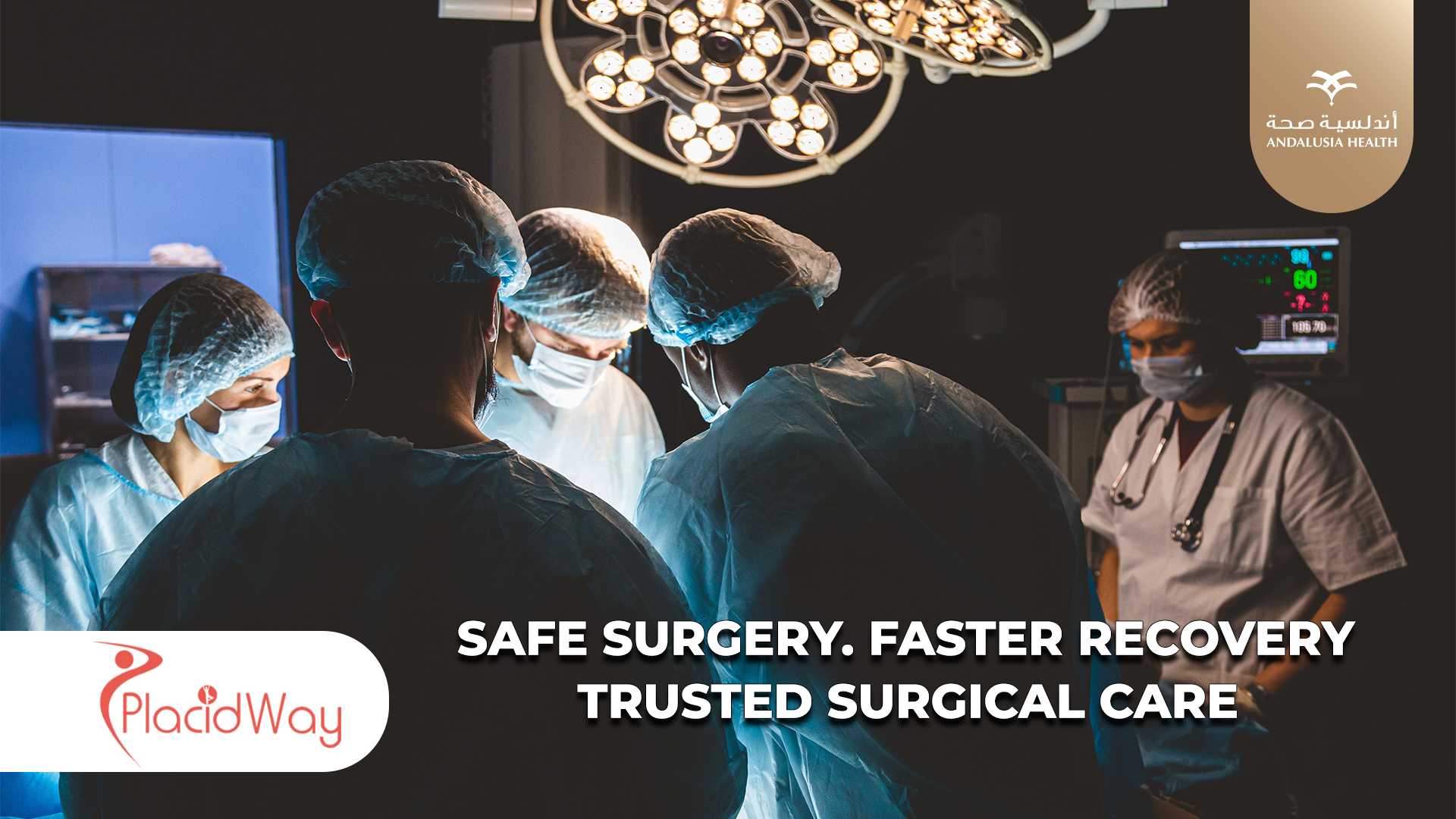
General Surgeries Package in Cairo, Egypt by Andalusia Health Group
Andalusia Health Group in Egypt
- Cosmetic/Plastic Surgery
Cairo, Egypt
Price starting from $25,000
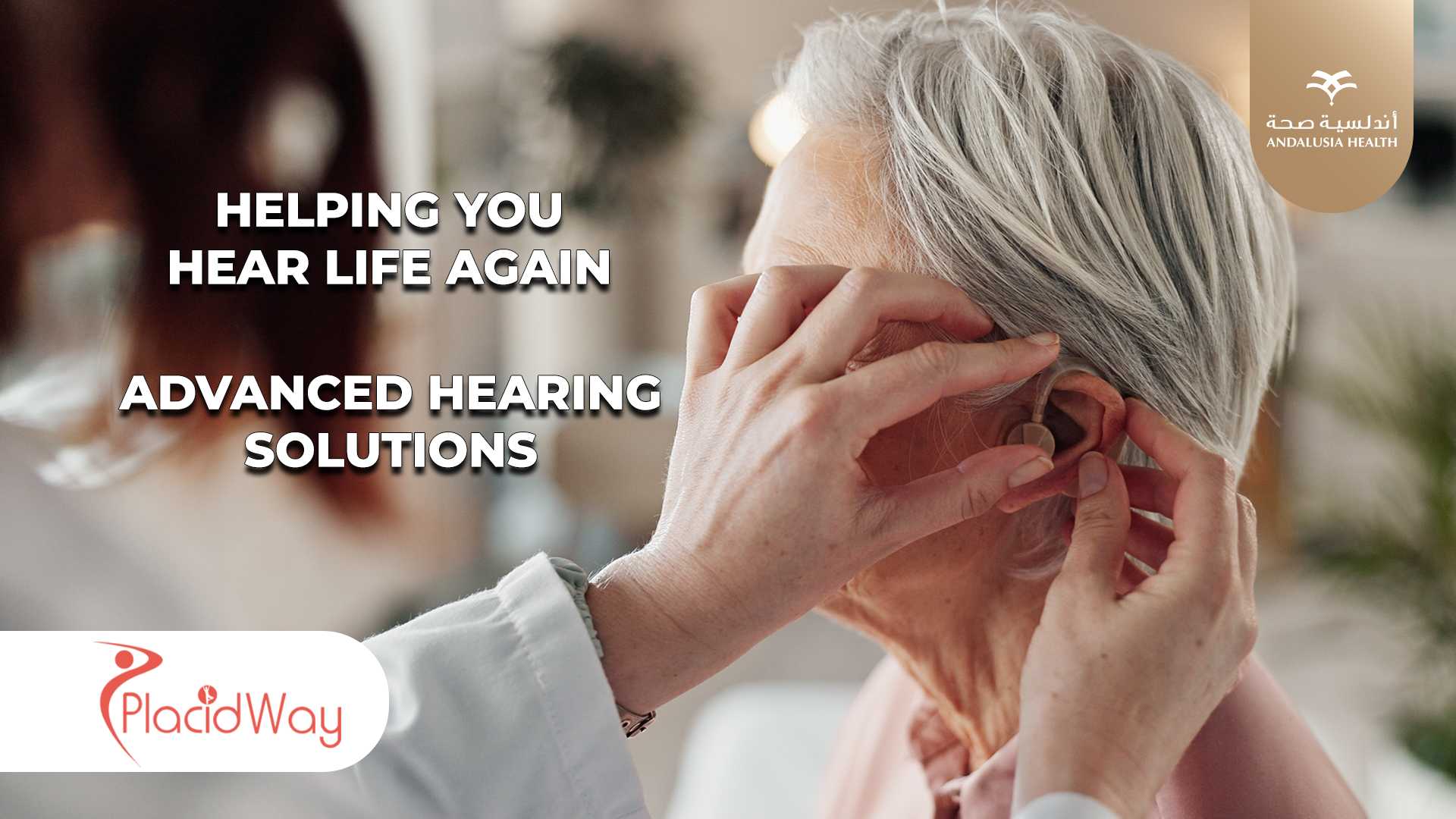
Cochlear Implant Package in Cairo, Egypt by Andalusia Health Group
Andalusia Health Group in Egypt
- Cosmetic/Plastic Surgery
Cairo, Egypt
.png)
Price starting from $55
Face Lift Package at Clinique Riviera, Casablanca, Morocco
Clinique Riviera - Multispecialty Hospital in Morocco
- Cosmetic/Plastic Surgery
Casablanca, Morocco

Price starting from $2,500
Popular Package for Liposuction in Cape Town, South Africa
PlacidWay Africa Medical Tourism
- Cosmetic/Plastic Surgery
Cape Town, South Africa
Transformative Cosmetic Plastic Surgery Experiences: Dive into Procedure Insights
Discover the power of Cosmetic Plastic Surgery through compelling patient experiences. Uncover detailed insights into procedures, recovery journeys, and life-changing results.
.png)
Price starting from $9,600
Facelift in Guadalajara, Mexico
- Face Lift, Cosmetic/Plastic Surgery
Guadalajara, Mexico

Price starting from $4,500
Breast Implants in Merida, Mexico
- Breast Implants, Cosmetic/Plastic Surgery
Merida, Mexico

Price starting from $6,500
Plastic Surgery in Costa Rica - Find Clinic, Surgeon, and Reviews
- Cosmetic/Plastic Surgery
Costa Rica
.png)
Price starting from $3,650
Plastic Surgery Tijuana - Affordable Cosmetic Procedures in Mexico
- Cosmetic/Plastic Surgery
Tijuana, Mexico
Explore Cosmetic Plastic Surgery: Stories, Testimonials, and Procedures
Watch in-depth videos covering everything from Cosmetic Plastic Surgery success stories to detailed procedure explanations. Learn what to expect and hear from real patients.

Who Decides on the Breast Augmentation Size?
Cosmetic Plastic Surgery
Wolistic Center - Aesthetic & Wellness Clinic in Istanbul Turkey
Turkey
See the Difference with Liposuction in Tijuana, Mexico by Dr. Israel Villalobos
Cosmetic Plastic Surgery
Dr. Israel Villalobos - Plastic Surgery in Tijuana Mexico
Mexico
Turn Back Time with a Facelift in Tijuana, Mexico by Dr. Israel Villalobos
Cosmetic Plastic Surgery
Dr. Israel Villalobos - Plastic Surgery in Tijuana Mexico
Mexico
Trusted Board-Certified Plastic Surgeon in Tijuana, Mexico by Dr. Israel Villalobos
Cosmetic Plastic Surgery
Dr. Israel Villalobos - Plastic Surgery in Tijuana Mexico
Mexico
Learn More with These Cosmetic Plastic Surgery Articles
Take a look at these interesting articles, stories and research that will help you learn more about Cosmetic Plastic Surgery.
.png)
Mommy Makeover Dominican Republic vs. Costa Rica: Ultimate Guide
PlacidWay Medical Tourism
- Cosmetic/Plastic Surgery
Dominican Republic
.png)
Transform Your Look: The Rise of Plastic Surgery Tourism in Colombia
PlacidWay Medical Tourism
- Cosmetic/Plastic Surgery
Colombia
.png)
Mommy Makeover in Colombia: How Dominican Republic Moms Are Getting Their Bodies Back?
PlacidWay Medical Tourism
- Cosmetic/Plastic Surgery
Colombia
.png)
Mommy Makeovers in Colombia: Affordable Transformations for Post-Pregnancy Confidence
PlacidWay Medical Tourism
- Cosmetic/Plastic Surgery
Colombia
Cosmetic Plastic Surgery Solutions Near You: Explore Top Medical Centers
Discover how Cosmetic Plastic Surgery is transforming lives at leading medical centers in , Egypt. Dive into center profile, specialties, doctors, reviews, etc. and explore the best options tailored to your needs in this region.
Aestheticare Ltd
Port Louis, Mauritius
Clinique Internationale de Marrakech
Marrakech, Morocco
Clinique Riviera - Multispecialty Hospital in Morocco
Casablanca, Morocco

Casa Aesthetic Centre
Casablanca, Morocco







