
What treatment


10+ Highly Rated Stem Cell Treatment for Vision Clinics in United States
Reach Out to These Certified Stem Cell Treatment for Vision Clinics List in United States Loved by Patients!
 95.45% Patient Recommend
California Wellness Institute


Overview
Discover Urology and Anti Aging Regenerative Medicine at California Wellness Institute in Rancho Mirage, California, USA - CWIs expert care.
Read more details

 100.00% Patient Recommend
Personalized Regenerative Medicine
Overview
Personalized Regenerative Medicine provides best Regenerative Medicine in Los Angeles, USA. Book online now PRP Treatment and Regenerative Injections at Personalized Regenerative Medicine.
Read more details 95.02% Patient Recommend
Blatman Health and Wellness Center

Overview
Experience advanced Regenerative Medicine at Blatman Health and Wellness Center in Cincinnati, USA. Rejuvenate your health today!
Read more details 90.48% Patient Recommend
PlacidWay Medical Tourism

Overview
Discover affordable, quality healthcare worldwide with PlacidWay Medical Tourism. Access trusted clinics, top doctors, and personalized treatment plans.
Read more details




Discover your treatment options with a free, no-obligation quote!
Get your quote now! 100.00% Patient Recommend
The Institute of Regenerative Medicine
Overview
The Institute of Regenerative Medicine provides best Regenerative Medicine in Boca Raton, Florida. Book online now Regenerative Medicine for Knee Joint, Shoulder, Hip at PlacidWay!
Read more details 100.00% Patient Recommend
Amira Integrative Health by MJA Healthcare
Overview
Amira Integrative Health by MJA Healthcare in East Stroudsburg, PA, United States offers top regenerative therapies and holistic care for transformative health.
Read more details
New York Regenerative Medicine Center
Overview
New York Regenerative Medicine Center, located in New York City, USA, offers Stem Cell Therapy for a variety of procedures, from knee and hip problems to Muscular Dystrophy, Parkinson's and Lupus.
Read more details 100.00% Patient Recommend
Thrive MD
Overview
Thrive MD provides best Regenerative Medicine in Miami, Florida. Book online now Regenerative Medicine for Hip, Regenerative Medicine for Knee, and Regenerative Medicine for Shoulder at Thrive MD.
Read more details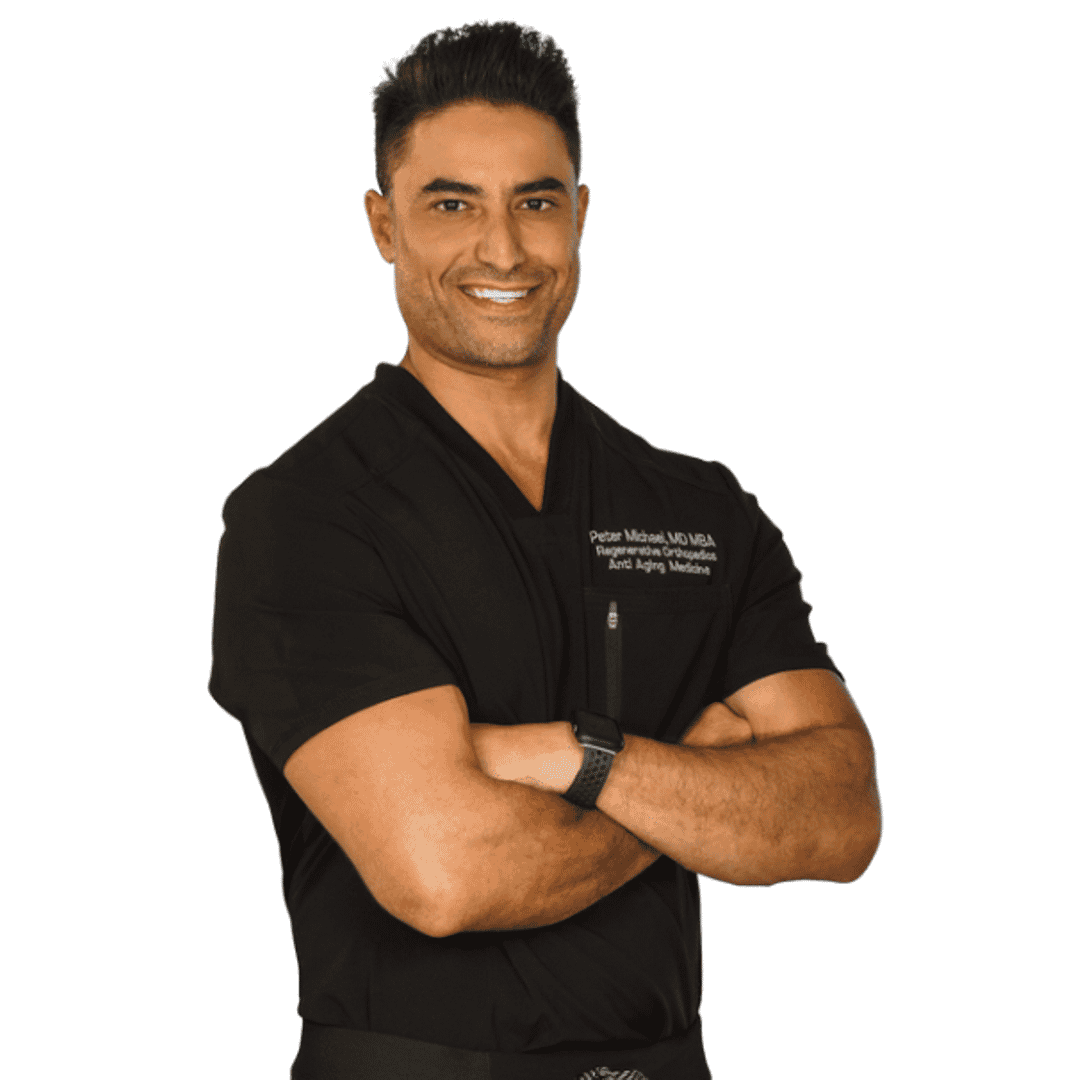
Discover your treatment options with a free, no-obligation quote!
Get your quote now!Regenestem Plantation Florida
Regenestem Plantation Florida is a leading stem cell treatment center in the United States. They aim to deliver comprehensive solutions for several ailments such as Arthritis, Autism, COPD, Diabetes, Multiple Sclerosis, Erectile Dysfunction and Orthopedic conditions among others.


Stem Cell Therapy of Las Vegas and Med Spa
Stem Cell Therapy of Las Vegas and Med Spa is a stem cell treatment medical center located in Las Vegas, Nevada, United States. They provide the latest technological solutions when it comes to stem cell treatments and extend their helping hand to all those in need. Find out more about them here.
Stemedix, Inc
Stemedix, Inc provides effective Regenerative Medicine, known as Stem Cell Therapy in Saint Petersburg, Florida. Book online now Stem Cell Treatment for ALS, Stem Cell Treatment for Alzheimer's Disease, and Stem Cell Treatment for Multiple Sclerosis at Stemedix, Inc.
Which are the best Stem Cell Treatment for Vision clinics in the United States?
When seeking top-tier Stem Cell Treatment for Vision clinics in the United States, several facilities consistently stand out for their patient-centric care and expertise. Noteworthy options include Regenestem Fort Lauderdale, USA, California Wellness Institute, Thrive MD, Personalized Regenerative Medicine, Blatman Health and Wellness Center, The Institute of Regenerative Medicine in Boca Raton, and Amira Integrative Health by MJA Healthcare. These clinics receive high patient recommendations and specialize in regenerative medicine for various conditions, including ocular ones.
Choosing the "best" clinic often depends on your specific vision condition, individual needs, and geographic convenience. However, certain clinics have built strong reputations based on positive patient feedback, comprehensive services, and a focus on advanced regenerative therapies for eye health.
- Regenestem Fort Lauderdale, USA: Highly recommended, specializing in regenerative medicine that often includes applications for neurological and inflammatory conditions potentially impacting vision.
- California Wellness Institute: Known for urology and anti-aging regenerative medicine, their expertise in regenerative therapies can extend to various systemic conditions with ocular manifestations.
- Thrive MD: A top-rated center in Miami, Florida, focusing on regenerative medicine for various issues, suggesting a broad application of stem cell treatments which may include vision-related conditions.
- Personalized Regenerative Medicine: Located in Los Angeles and San Clemente, this clinic emphasizes personalized approaches to regenerative injections, crucial for sensitive treatments like vision restoration.
- Blatman Health and Wellness Center: Based in Cincinnati, this center offers advanced regenerative medicine with broad applications, indicating potential expertise in complex cases that might involve vision.
- The Institute of Regenerative Medicine (Boca Raton): With excellent patient recommendations, this institute focuses on regenerative medicine, including joint therapies, which points to strong foundational expertise in stem cell applications.
- Amira Integrative Health by MJA Healthcare: Located in East Stroudsburg, PA, this facility provides holistic and regenerative therapies, suggesting a comprehensive approach to patient well-being that can encompass vision health.
When evaluating these or any other clinics, consider their specialization in ocular conditions, available technologies, the breadth of their diagnostic services, and the transparency of their treatment protocols. Patient testimonials and recommendation rates, as seen with these top listed centers, provide valuable insights into the quality of care and patient satisfaction.
What accreditations or certifications should a Stem Cell Treatment for Vision clinic in the United States possess?
For a Stem Cell Treatment for Vision clinic in the United States, look for accreditations from recognized bodies like the Joint Commission International (JCI) or the Accreditation Association for Ambulatory Health Care (AAAHC). These signify adherence to stringent safety and quality standards. Specific certifications in ophthalmology, regenerative medicine, or cellular therapy also indicate specialized expertise and commitment to best practices.
Choosing a clinic with proper accreditations and certifications is paramount for patient safety and treatment efficacy, especially for sensitive areas like vision.
- Joint Commission International (JCI): This global leader in healthcare accreditation sets high benchmarks for patient safety and quality of care, applicable to a wide range of medical facilities.
- Accreditation Association for Ambulatory Health Care (AAAHC): For outpatient clinics, AAAHC accreditation ensures a rigorous review of clinical practices, patient rights, and overall quality management.
- State Medical Board Licensure: Ensure the clinic and its medical professionals are fully licensed and in good standing with the respective state medical boards where they operate.
- Relevant Professional Societies: Membership or certifications from associations like the American Academy of Ophthalmology (AAO) or societies dedicated to regenerative medicine indicate the team's commitment to ongoing education and adherence to professional standards in ocular conditions.
- FDA Compliance: Confirm that the clinic adheres to all FDA regulations regarding stem cell therapies, particularly concerning the sourcing, processing, and administration of cells for vision restoration.
These credentials offer peace of mind, assuring that the clinic operates under strict guidelines and focuses on delivering high-quality, ethical, and safe care for your eye health.
What is the typical patient experience like during an initial consultation at a vision stem cell clinic?
An initial consultation at a vision stem cell clinic typically involves a thorough review of your medical history, current vision challenges, and previous treatments. You'll undergo comprehensive eye exams, potentially including advanced imaging and diagnostic tests specific to ocular conditions. The specialists will then discuss potential treatment options, explain the stem cell therapy process, and address all your concerns in detail, setting realistic expectations for vision restoration.
This first step is crucial for both the patient and the clinical team to establish a clear understanding of the condition and potential treatment pathways.
- Detailed Medical History: Expect to provide extensive information about your overall health, any existing systemic conditions, previous eye surgeries, medications, and family history of ocular conditions.
- Comprehensive Eye Examinations: This will likely include visual acuity tests, dilated fundus examination, optical coherence tomography (OCT) of the retina, visual field testing, and possibly electroretinography (ERG) to assess retinal function.
- Discussion of Eligibility: The medical team will assess if you are a suitable candidate for stem cell treatment based on your diagnosis, severity of your condition, and overall health.
- Treatment Explanation: You'll receive a detailed explanation of the proposed stem cell therapy, including the type of stem cells, the source, the administration method (e.g., intravitreal injection), and the expected recovery process.
- Question and Answer Session: This is your opportunity to ask any questions about the procedure, potential benefits, risks, and post-treatment care. Reputable clinics prioritize clear and open communication.
- Personalized Treatment Plan: If deemed eligible, the clinic will outline a personalized treatment plan, which may include preparatory steps, the treatment schedule, and follow-up care requirements.
The goal is to ensure you are fully informed and comfortable with the proposed approach to enhancing your eye health.
How do Stem Cell Treatment for Vision clinics ensure patient safety during procedures?
Stem Cell Treatment for Vision clinics prioritize patient safety through strict adherence to established medical protocols, including meticulous cell sourcing and processing, sterile operating environments, and experienced medical teams. They employ advanced imaging guidance for precise cell delivery and rigorously monitor patients post-procedure for any adverse reactions, ensuring a controlled and safe regenerative ophthalmology experience.
Patient safety is at the forefront of any specialized medical procedure, especially when dealing with the delicate structures of the eye and innovative therapies like stem cells.
- Sterile Environments: Procedures are conducted in state-of-the-art operating rooms or cleanrooms that maintain strict aseptic conditions to prevent infection.
- Qualified Medical Teams: Only highly trained ophthalmologists, regenerative medicine specialists, and support staff with extensive experience in ocular injections and stem cell handling perform and assist with procedures.
- Cell Sourcing and Processing: Clinics ensure that stem cells are ethically sourced, often from the patient's own body (autologous) or from rigorously screened donors, and processed in accredited labs adhering to Good Manufacturing Practice (GMP) standards.
- Precision Guided Delivery: For vision treatments, stem cells are often delivered via precise intravitreal injections, typically guided by advanced imaging techniques like ultrasound or ophthalmoscopy to ensure accurate placement and minimize damage to surrounding eye structures.
- Post-Procedure Monitoring: Patients are closely observed immediately after the procedure for any signs of complications, allergic reactions, or discomfort. Detailed post-treatment instructions and scheduled follow-up appointments are crucial for ongoing safety.
- Regulatory Compliance: Reputable clinics operate in strict compliance with FDA guidelines for human cells, tissues, and cellular and tissue-based products (HCT/Ps), ensuring legal and ethical practice.
What advanced technologies or equipment are used by leading vision stem cell clinics?
Leading Stem Cell Treatment for Vision clinics utilize cutting-edge technologies like Optical Coherence Tomography (OCT) for high-resolution retinal imaging, advanced fluorescence angiography, and electroretinography for functional assessment. They also employ sophisticated cell processing equipment for optimal cell viability and precise micro-injection systems for targeted delivery of stem cells to ocular tissues, enhancing the potential for vision restoration.
The success of advanced vision treatments relies heavily on integrating specialized technologies for diagnosis, cell preparation, and precise delivery.
- Optical Coherence Tomography (OCT): Provides cross-sectional images of the retina, allowing specialists to detect subtle changes and monitor treatment progress with incredible detail.
- Fluorescence Angiography: Helps visualize the blood flow in the retina and choroid, identifying any abnormalities in the ocular vasculature that may contribute to vision loss.
- Electroretinography (ERG): Measures the electrical responses of various cell types in the retina, crucial for assessing retinal function before and after stem cell therapy.
- Flow Cytometry: Used in cell processing to analyze and sort different cell populations, ensuring that the therapeutic stem cell product is pure and contains the desired cell types.
- GMP-Compliant Cell Processing Labs: These facilities feature specialized equipment and stringent protocols for isolating, expanding, and preparing stem cells to maintain sterility and potency.
- High-Resolution Surgical Microscopes: Essential for guiding precise micro-injections into the delicate structures of the eye, ensuring accurate and safe delivery of stem cells.
- Cryopreservation Systems: Used for storing stem cells safely at ultra-low temperatures, preserving their viability for future treatments if necessary.
These technologies collectively allow clinics to deliver highly targeted and effective regenerative ophthalmology solutions.
How do vision stem cell clinics handle post-treatment care and follow-up appointments?
Vision stem cell clinics typically provide a structured post-treatment care plan, including immediate monitoring and detailed instructions for at-home care. Follow-up appointments are scheduled regularly, often involving repeat comprehensive eye exams and imaging tests to track progress, assess vision restoration, and manage any potential complications. Patient education and accessible communication channels are key components of ongoing support.
Effective post-treatment care is critical for maximizing the benefits of stem cell therapy for vision and ensuring long-term patient well-being.
- Immediate Post-Procedure Care: Patients are monitored for a short period after the stem cell injection for any immediate adverse reactions, and provided with prescriptions for eye drops or other medications to manage discomfort and prevent infection.
- Detailed Home Care Instructions: Clear guidelines are given on activities to avoid, proper eye hygiene, medication schedules, and signs of potential complications requiring urgent attention.
- Scheduled Follow-Up Visits: Regular appointments are set for weeks, months, and even years post-treatment. These visits are essential to evaluate the healing process and vision changes.
- Objective Outcome Measurement: During follow-ups, specialists repeat diagnostic tests such as OCT scans, visual field tests, and visual acuity assessments to objectively measure improvements in retinal health and visual function.
- Patient Education and Support: Clinics offer ongoing education about the healing process and provide resources for questions or concerns that may arise between appointments. This can include phone support or telemedicine options.
- Adjustments to Care: Based on follow-up assessments, the clinical team may adjust medication, recommend additional therapies, or provide lifestyle advice to support sustained vision health.
What types of vision conditions are commonly addressed by Stem Cell Treatment for Vision clinics?
Stem Cell Treatment for Vision clinics commonly address a range of ocular conditions affecting vision, particularly degenerative retinal diseases. These often include Age-related Macular Degeneration (AMD), Retinitis Pigmentosa, Stargardt's Disease, glaucoma, and certain types of optic nerve damage. The goal is to preserve existing vision, slow progression, or potentially improve visual function by regenerating damaged cells or reducing inflammation in ocular tissues.
Regenerative ophthalmology focuses on conditions where conventional treatments offer limited solutions, aiming to repair or replace damaged cells.
- Age-related Macular Degeneration (AMD): Both wet and dry forms, where stem cells aim to protect or replace degenerated retinal pigment epithelial cells and photoreceptors.
- Retinitis Pigmentosa (RP): A group of genetic disorders causing progressive vision loss, where stem cells are explored to slow photoreceptor degeneration or provide neuroprotection.
- Stargardt's Disease: Another genetic macular degeneration, often targeting the replacement of damaged photoreceptors or retinal support cells.
- Glaucoma: While primarily managing intraocular pressure, stem cell research explores regenerating optic nerve cells damaged by the disease.
- Optic Neuropathies: Conditions like ischemic optic neuropathy or traumatic optic nerve damage, where stem cells may offer neuroprotection or promote axonal regeneration.
- Diabetic Retinopathy: Investigating stem cells to reduce inflammation, improve blood vessel integrity, and protect retinal cells from diabetic damage.
These treatments aim to address the underlying cellular dysfunction or damage contributing to vision impairment, offering hope for improved eye health.
How important is research and clinical trial involvement for a reputable vision stem cell clinic?
Research and clinical trial involvement are critically important for a reputable Stem Cell Treatment for Vision clinic, signaling a commitment to scientific advancement and evidence-based practice. Participation in trials demonstrates that the clinic is at the forefront of innovative therapies, contributing to a deeper understanding of stem cells for vision restoration while adhering to rigorous ethical and safety standards.
A clinic actively engaged in research is often a strong indicator of its dedication to leading-edge, safe, and effective treatments.
- Commitment to Innovation: Clinics involved in research are typically pioneers, exploring novel approaches and refining existing stem cell therapies for ocular conditions.
- Evidence-Based Practices: Participation in clinical trials means treatments are being rigorously tested, generating data that informs best practices and validates efficacy and safety.
- Access to Advanced Therapies: Patients at such clinics may have access to experimental treatments that are not yet widely available, offering potential solutions for conditions with limited options.
- Expertise and Knowledge: The medical team at research-active clinics often possesses a deeper understanding of the complexities of stem cell biology and regenerative ophthalmology.
- Strict Regulatory Adherence: Clinical trials are subject to intense scrutiny from regulatory bodies like the FDA, ensuring the highest standards of ethics, patient safety, and data integrity.
- Long-term Outlook: These clinics are invested in the future of regenerative medicine, working towards long-term solutions for various vision challenges.
Always inquire about a clinic's involvement in research and clinical trials, as it reflects their dedication to the progression of vision care.
What factors contribute to a personalized treatment plan for vision stem cell therapy?
A personalized treatment plan for vision stem cell therapy considers your specific ocular condition, its severity, your overall health, age, and individual response to previous treatments. It integrates comprehensive diagnostic test results with the latest regenerative ophthalmology research to tailor the type of stem cells, delivery method, dosage, and follow-up care to maximize the potential for successful vision restoration and minimize risks.
Because every patient and their condition are unique, a "one-size-fits-all" approach to stem cell therapy is rarely effective, especially for delicate eye tissues.
- Specific Ocular Diagnosis: The exact type of retinal disease or optic nerve damage dictates the approach. For example, treating Age-related Macular Degeneration (AMD) might differ significantly from Retinitis Pigmentosa.
- Disease Severity and Progression: The stage of your vision loss and how quickly it has progressed influences the urgency and intensity of treatment.
- Overall Health and Comorbidities: Any other health conditions (e.g., diabetes, autoimmune disorders) can impact eligibility, cell sourcing, and the body's healing capacity.
- Age: While not an absolute barrier, age can influence the regenerative capacity of autologous (patient's own) stem cells and overall treatment outcomes.
- Previous Treatments and Responses: A review of past therapies and their effectiveness helps refine the stem cell treatment strategy.
- Genetic Factors: For inherited ocular conditions, genetic profiling might inform the most appropriate cell type or therapeutic approach.
- Cell Type and Source: Decisions about using mesenchymal stem cells (MSCs), induced pluripotent stem cells (iPSCs), or other cell types, and whether they are autologous or allogeneic, are highly individualized.
- Delivery Method: The precise way stem cells are introduced into the eye (e.g., intravitreal, subretinal, or systemic) is chosen based on the targeted tissue and safety.
This tailored approach ensures that the regenerative therapy is optimized for your unique clinical profile, aiming for the best possible outcomes in eye health.
What role does patient education play in a successful Stem Cell Treatment for Vision journey?
Patient education is foundational for a successful Stem Cell Treatment for Vision journey, empowering you with a clear understanding of the procedure, realistic expectations, and essential self-care. Reputable clinics ensure you comprehend the benefits, potential risks, and recovery process, fostering active participation in your eye health. This transparent communication builds trust and helps you make informed decisions about regenerative ophthalmology.
An informed patient is better equipped to manage their health and adhere to critical post-treatment instructions.
- Understanding the Procedure: Knowing what to expect before, during, and after stem cell therapy reduces anxiety and prepares you for each stage.
- Setting Realistic Expectations: Education helps manage hopes and concerns by providing an accurate picture of potential outcomes, recognizing that vision restoration may be partial or involve slowing disease progression.
- Adherence to Post-Treatment Care: Clear instructions on medications, activity restrictions, and eye protection are vital for proper healing and preventing complications.
- Recognizing Warning Signs: Patients who are well-educated can identify and promptly report any unusual symptoms, ensuring timely medical intervention if needed.
- Active Participation in Health Management: Understanding their condition and treatment empowers patients to ask informed questions and advocate for their own care.
- Lifestyle Adjustments: Education often includes advice on lifestyle changes that can support overall eye health and potentially prolong the benefits of the treatment.
- Long-term Engagement: Knowledge of the importance of follow-up appointments and continued monitoring ensures sustained engagement with their healthcare plan.
A comprehensive educational approach ensures patients feel supported and confident throughout their entire vision restoration journey.
What are the key questions to ask a Stem Cell Treatment for Vision clinic before committing to treatment?
Before committing to Stem Cell Treatment for Vision, ask about the clinic's specific experience with your ocular condition, the exact type and source of stem cells used, and their processing methods. Inquire about patient success rates, potential risks, and the detailed follow-up care plan. Crucially, ask about the team's qualifications, accreditations, and any involvement in ongoing clinical trials for vision restoration.
Asking targeted questions is essential to ensure you choose a reputable and appropriate clinic for your eye health needs.
- "What specific experience do you have with my exact ocular condition (e.g., AMD, Retinitis Pigmentosa)?" This clarifies their specialization and track record.
- "What type of stem cells do you use (e.g., mesenchymal, iPSCs) and where are they sourced from?" Understanding the cell type and its origin is crucial for safety and efficacy.
- "How are the stem cells processed and prepared for treatment?" Look for adherence to GMP standards.
- "What diagnostic tests will I undergo to confirm my eligibility and monitor progress?" This ensures a thorough assessment.
- "What are the potential benefits and risks specific to my condition and this treatment?" Expect a balanced and realistic overview.
- "Can you provide information on your patient outcomes and success rates for vision restoration?" While individual results vary, aggregate data can be insightful.
- "What is the detailed post-treatment care plan, including frequency of follow-ups and what they entail?" Comprehensive follow-up is vital.
- "What are the qualifications of the medical team performing the procedure?" Ensure they are board-certified ophthalmologists or regenerative medicine specialists.
- "Is your clinic accredited by any independent medical organizations (e.g., JCI, AAAHC)?" This speaks to quality and safety standards.
- "Are you involved in any ongoing clinical trials or research for vision stem cell therapies?" This indicates a commitment to scientific advancement.
How can I verify the qualifications of a Stem Cell Treatment for Vision clinic in the United States?
To verify a Stem Cell Treatment for Vision clinic's qualifications in the United States, check for accreditations from bodies like JCI or AAAHC, and confirm physician licensure via state medical board websites. Investigate their adherence to FDA regulations for stem cell therapies. Look for affiliations with reputable academic institutions, research involvement, and transparent communication regarding their treatment protocols and patient outcomes.
Thorough verification is key to ensuring you receive safe and effective regenerative ophthalmology care.
- Check Accreditations: Look for accreditation seals from the Joint Commission International (JCI), Accreditation Association for Ambulatory Health Care (AAAHC), or other national/international healthcare quality organizations. These are often displayed prominently on their website.
- Verify Physician Licensure: Use the online databases of the state medical boards where the clinic operates to confirm that the physicians are licensed and have no disciplinary actions against them.
- FDA Compliance: Confirm that the clinic explicitly states its adherence to FDA regulations for human cells, tissues, and cellular and tissue-based products (HCT/Ps). Be wary of clinics offering unapproved or "experimental" treatments without proper clinical trial oversight.
- Professional Affiliations: Investigate if the clinic or its lead physicians are members of recognized professional organizations like the American Academy of Ophthalmology (AAO) or societies dedicated to regenerative medicine.
- Review Scientific Publications and Research: A reputable clinic may have physicians who publish in peer-reviewed journals or participate in legitimate clinical trials. Check databases like ClinicalTrials.gov for registered studies.
- Seek Independent Reviews: While not official verification, looking at patient reviews on independent platforms (beyond the clinic's own testimonials) can offer insights into patient experiences.
- Direct Inquiry: During consultation, ask directly about their safety protocols, cell processing standards, and regulatory oversight. A transparent clinic will readily provide this information.
How PlacidWay helps individuals access Stem Cell Treatment for Vision in United States?
PlacidWay is dedicated to simplifying your journey to Stem Cell Treatment for Vision in the United States. We provide detailed, up-to-date information about Stem Cell Treatment for Vision, including benefits, risks, and expected outcomes, empowering you to make informed decisions. Our platform helps you compare treatment options in various clinics, ensuring you find affordable solutions without compromising on quality or safety. We assist users in finding trusted, accredited clinics and medical professionals specializing in Stem Cell Treatment for Vision in the United States, offering peace of mind. PlacidWay also offers one-on-one consultations to help you navigate your choices and ensure your specific needs are met. Beyond the treatment, we ensure continued support, including guidance on follow-up care and recovery assistance, making your entire experience seamless and supportive. Ready to get Stem Cell Treatment for Vision in United States? Contact us today for a personalized consultation.Share with AI
Share this page with AI assistants to get summaries and insights


List of Best Stem Cell Treatment for Vision Clinics in United States
Unlock the Best Stem Cell Treatment for Vision Packages Just for You
Discover the ultimate Stem Cell Treatment for Vision packages designed to meet your health and wellness goals. Choose the perfect fit for your journey.

Price starting from $10000.0
Stem Cell Therapy for Joint Arthritis in Fort Lauderdale, United States by Regenestem
Regenestem Fort Lauderdale, USA
- Stem Cell Therapy
Fort Lauderdale, United States

Price starting from $15000.0
Stem Cell Therapy for Autism Package in Denver, United States by PlacidWay Hospital
PlacidWay Hospital: Advanced Medical Care in United States
- Stem Cell Therapy
Denver, United States
.png)
Price starting from $15000.0
Stem Cell Therapy for Cerebral Palsy in USA
PlacidWay Medical Tourism
- Stem Cell Therapy
Denver, United States

Price starting from $2500.0
Orthopedics Regenerative Medicine in Florida Plantation, USA
PlacidWay US Medical Tourism
- Stem Cell Therapy
Denver, United States
Transformative Stem Cell Treatment for Vision Experiences: Dive into Procedure Insights
Discover the power of Stem Cell Treatment for Vision through compelling patient experiences. Uncover detailed insights into procedures, recovery journeys, and life-changing results.

Regenerative Medicine for Alzheimer's Disease in United States
- Stem Cell Treatment for Alzheimers Disease, Stem Cell Therapy
United States
.png)
Price starting from $10500.0
Regenerative Medicines for Parkinsons Disease in United States
- Stem Cell Treatment for Parkinsons Disease, Stem Cell Therapy
United States
.png)
Price starting from $25000.0
Regenerative Medicine for Stroke in United States
- Stem Cell Therapy for Stroke, Stem Cell Therapy
United States
.png)
Price starting from $15000.0
Regenerative Medicine for Cerebral Palsy in United States
- Stem Cell Treatment for Cerebral Palsy, Stem Cell Therapy
United States

I love their Purium Products
Read More