
What treatment


1+ Best Clinics for Vasectomy in Germany
Trusted Medical Tourism Platform Since 2007
What are the best Vasectomy Clinics in Germany?
The leading vasectomy clinics in Germany include Masculine by Dr. Med. Aref Elseweifi (Berlin) and IMC Intermed-Consult (Frankfurt).
These specialized urology centers focus on male reproductive health, offering advanced, minimally invasive procedures such as the no-scalpel vasectomy (NSV), fascially interposed vasectomy, and open-ended vasectomy. Both facilities strictly adhere to rigorous German national medical regulations, hygiene protocols, and safety standards.
While exact costs depend on the required surgical technique and comprehensive aftercare, vasectomy and related urological treatments listed across the network start from $2,000 USD. Patients benefit from expert urologists, thorough pre-operative counseling, and dedicated post-operative semen analysis to confirm sterility.

 91.67% Patient Recommend
Masculine by Dr. Med. Aref Elseweifi


Overview
Masculine is a leading urology center in Berlin, Germany, specializing in implantation of penile prosthesis, prostatectomy, genital surgery and laser procedures by Dr. Med. Aref Elseweifi.
Read more details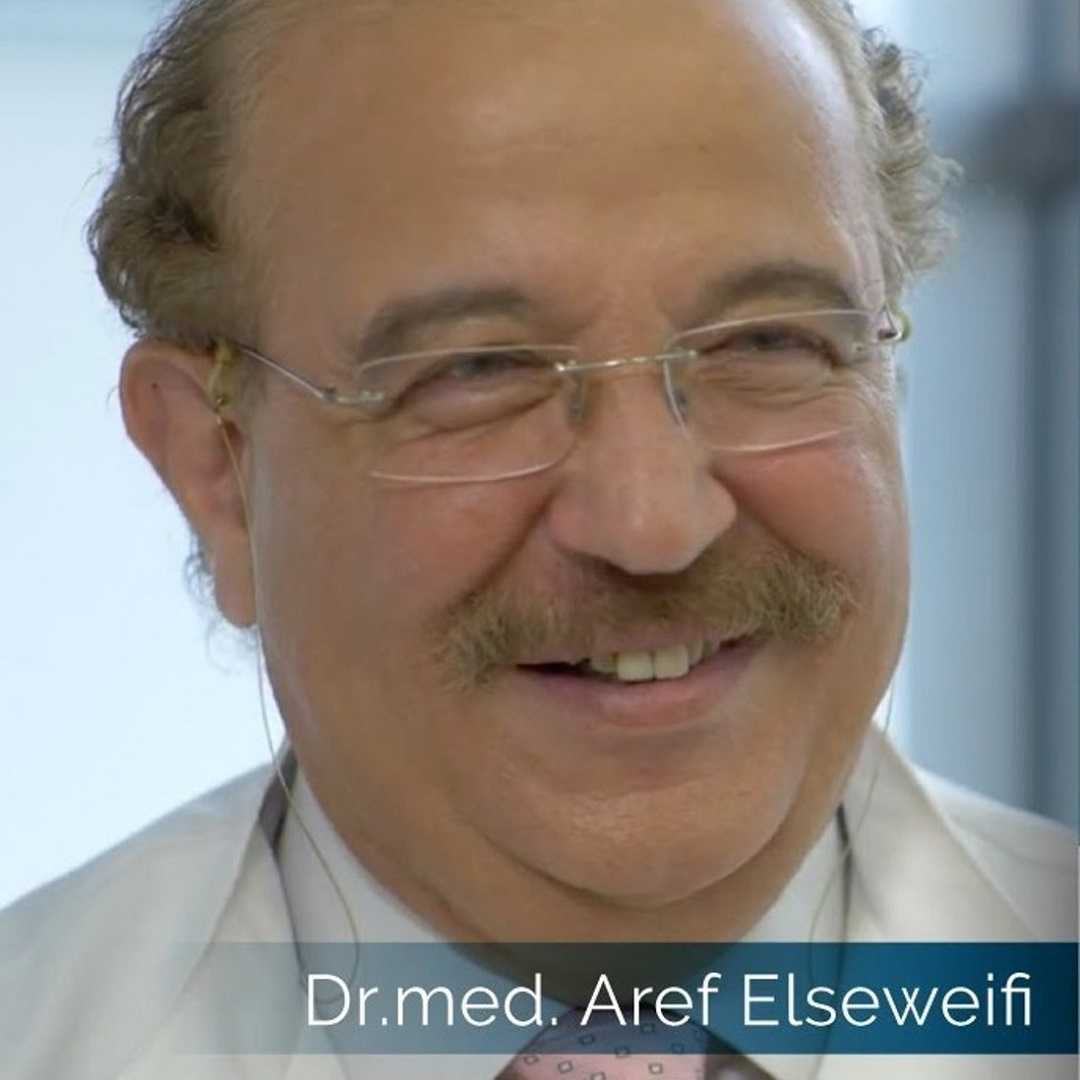

Which are the best Vasectomy Urology clinics in Germany?
When seeking top-rated Vasectomy Urology clinics in Germany, two highly recommended options are Masculine by Dr. Med. Aref Elseweifi in Berlin and IMC Intermed-Consult in Frankfurt. Both clinics have received 100% patient recommendation, indicating exceptional patient satisfaction and quality of care. Masculine specializes in various urological procedures including genital surgery, while IMC Intermed-Consult is a comprehensive healthcare provider known for its patient-centric approach and advanced medical services. These clinics offer specialized expertise and modern facilities for vasectomy procedures.
Choosing the "best" clinic often depends on individual needs and preferences. However, based on patient feedback and specialized focus, Masculine in Berlin stands out for its dedicated urology services, including expertise in male aesthetic and reconstructive surgery. IMC Intermed-Consult, while broader in its offerings, consistently delivers high patient satisfaction across various specialties, including urology. When making your decision, consider factors such as:
- Specialization: Look for clinics with a strong focus and extensive experience in vasectomy procedures and male reproductive health.
- Patient Testimonials: High patient recommendation rates and positive reviews, like those seen for Masculine and IMC Intermed-Consult, are strong indicators of quality care and satisfactory outcomes.
- Accreditation: Ensure the clinic adheres to high medical standards and, if applicable, holds relevant national or international accreditations.
- Location: Consider accessibility and convenience, especially if follow-up visits are required.
What factors should I consider when choosing a vasectomy clinic in Germany?
When selecting a vasectomy clinic in Germany, prioritize the facility's specialization in male reproductive health, the surgeon's experience, and the clinic's overall patient care approach. Look for centers that emphasize minimally invasive techniques, comprehensive pre-procedure counseling, and robust post-operative support. Ensuring the clinic maintains high hygiene standards and provides clear communication is also vital for a comfortable and successful experience. Always check for transparent information about the procedure and follow-up.
Several crucial aspects guide the choice of a vasectomy clinic:
- Expertise of the Urologist: Verify the qualifications and experience of the urologists performing vasectomies. Look for specialists who have performed numerous successful procedures.
- Clinic Specialization: Clinics that specialize in urology or male reproductive health often have dedicated equipment and protocols for vasectomies, leading to better outcomes.
- Techniques Offered: Inquire about the specific vasectomy techniques available, such as no-scalpel vasectomy (NSV), which is less invasive and generally has a quicker recovery time.
- Pre-operative Consultation: A thorough consultation should cover your medical history, discuss the procedure in detail, explain potential risks and benefits, and ensure you are fully informed and comfortable.
- Post-operative Care and Follow-up: Understand the post-procedure instructions, pain management options, and the schedule for follow-up appointments, including semen analysis.
- Clinic Environment and Staff: A comfortable, discrete environment and supportive, communicative staff can significantly improve your overall experience.
- Hygiene and Safety Standards: Ensure the clinic adheres to stringent German and international hygiene and safety protocols.
What are the typical steps involved in a vasectomy procedure at a German clinic?
A vasectomy in a German clinic typically involves an initial consultation, preparation, the procedure itself (often using a no-scalpel technique under local anesthesia), and essential post-operative care. The process is designed to be straightforward and minimally invasive, ensuring patient comfort and a quick return to normal activities. Clinics prioritize clear communication at each stage, from explaining the steps to outlining recovery expectations and follow-up requirements.
The process usually unfolds in a few key stages:
- Initial Consultation: This is a vital first step where you'll meet with a urologist to discuss your medical history, assess suitability for the procedure, and receive detailed information about the vasectomy. It's an opportunity to ask any questions and address concerns.
- Preparation: You'll receive specific instructions for preparing for the procedure, which may include shaving the scrotal area and avoiding certain medications before your appointment.
- The Procedure: Most clinics in Germany utilize the no-scalpel vasectomy (NSV) technique. This involves:
- Local anesthesia to numb the scrotum.
- A small puncture or two tiny openings are made in the scrotal skin using a specialized instrument.
- The vas deferens (tubes carrying sperm) are located, cut, and sealed, often by cauterization or tying.
- No stitches are typically needed, and the openings usually heal quickly.
- Immediate Post-Procedure: After the vasectomy, you'll rest briefly at the clinic. You'll receive detailed instructions for at-home care, including pain management, activity restrictions, and signs to watch for.
- Follow-up Appointments: Several weeks after the procedure, you'll need to provide semen samples for analysis to confirm the absence of sperm, ensuring the vasectomy was successful. Contraception is necessary until this is confirmed.
What kind of recovery can I expect after a vasectomy in Germany?
After a vasectomy at a German clinic, patients typically experience mild discomfort, swelling, and bruising for a few days, managed with pain relievers and cold compresses. Most individuals can resume light activities within 1-3 days, with a full return to strenuous exercise and sexual activity usually within a week or two. Clinics provide detailed post-operative instructions for optimal healing, emphasizing rest and adherence to guidelines to ensure a smooth recovery.
Recovery from a vasectomy is generally quick and uncomplicated. Here’s a breakdown of what to expect:
- Immediately After: You might feel some mild pain or aching in the scrotum, similar to a dull ache. Swelling and bruising are also common. Applying ice packs intermittently and taking over-the-counter pain medication as advised by the clinic will help manage these symptoms.
- First 24-72 Hours: It’s recommended to rest and keep physical activity to a minimum. Avoid heavy lifting, strenuous exercise, and sexual activity during this initial period. Wearing supportive underwear can also aid comfort and reduce swelling.
- Week 1: Most discomfort should subside significantly. You can gradually return to light activities and work, depending on your job's physical demands. Continue to avoid heavy lifting or high-impact sports.
- Weeks 1-2: By this point, most patients feel back to normal. Sexual activity can typically be resumed after about a week, once discomfort has gone, but remember to use alternative contraception until your semen analysis confirms no sperm are present.
- Full Recovery: Complete healing of the vas deferens ends and internal tissues can take several weeks, but most patients don't experience noticeable symptoms. The crucial step is the follow-up semen analysis to ensure sterility, which usually happens 8-12 weeks after the procedure.
How do German clinics ensure patient comfort during a vasectomy?
German vasectomy clinics prioritize patient comfort through several measures, starting with thorough pre-procedure counseling to ease anxiety. During the procedure, local anesthesia is meticulously administered, and many clinics opt for minimally invasive techniques like the no-scalpel method to reduce discomfort and recovery time. Post-operatively, clear pain management advice, including medication and cold compresses, is provided, ensuring a smooth and comfortable healing process.
Ensuring patient comfort is paramount in German vasectomy clinics, and they employ a multi-faceted approach:
- Detailed Pre-Procedure Counseling: Before the day of the procedure, you'll have an extensive consultation where the urologist explains every step, answers all your questions, and addresses any anxieties. This open communication helps demystify the process and build trust.
- Local Anesthesia: The procedure is performed under local anesthesia, meaning the scrotal area is numbed, so you won't feel pain during the vasectomy itself. Urologists are skilled in administering this anesthesia effectively and with minimal discomfort.
- Minimally Invasive Techniques: Most German clinics use modern techniques like the no-scalpel vasectomy (NSV), which involves a tiny puncture rather than incisions. This significantly reduces tissue damage, minimizing post-operative pain, swelling, and the need for stitches.
- Comfortable Environment: Clinics strive to create a calm, private, and respectful atmosphere. Staff are trained to be supportive and understanding, further contributing to a positive patient experience.
- Post-operative Pain Management: Clear instructions for managing discomfort after the procedure are provided, including recommendations for over-the-counter pain relievers, applying ice packs, and appropriate rest periods. Patients are encouraged to contact the clinic if they experience unexpected or severe pain.
- Efficient Procedure Time: The actual surgical part of a vasectomy is relatively quick, usually taking less than 30 minutes, which also helps reduce patient apprehension.
Are there different vasectomy techniques offered in German clinics?
Yes, German clinics primarily offer modern, minimally invasive vasectomy techniques, with the no-scalpel vasectomy (NSV) being the most common and preferred method. Some clinics may also provide the traditional incision method, though it's less frequent due to NSV's advantages in recovery and lower complication rates. Discussions during the initial consultation will clarify which techniques are available and most suitable for your individual needs and the clinic's expertise.
While the goal of a vasectomy remains the same—to prevent sperm from leaving the body—the techniques to achieve this have evolved. German clinics generally focus on methods that are safe, effective, and minimize patient discomfort:
- No-Scalpel Vasectomy (NSV): This is the most widely adopted and preferred technique in Germany. Instead of using a scalpel to make incisions, the urologist uses a specialized instrument to create a tiny puncture or two small openings in the scrotum. The vas deferens are then gently brought through these openings, cut, and sealed.
- Benefits: Less bleeding, no stitches required, faster healing, lower risk of complications like infection and hematoma, and quicker return to normal activities.
- Fascially Interposed Vasectomy: Often combined with NSV, this technique involves placing a layer of tissue (fascia) between the cut ends of the vas deferens to further prevent them from reconnecting, theoretically reducing the already low risk of recanalization (spontaneous rejoining of the tubes).
- Open-Ended Vasectomy: In some cases, a urologist might leave the testicular end of the vas deferens unsealed. The idea behind this is to reduce the pressure build-up in the epididymis that can sometimes occur after conventional vasectomies, potentially lowering the risk of post-vasectomy pain syndrome. This decision is made on a case-by-case basis.
- Traditional Incision Vasectomy: While less common today, some older clinics might still offer the conventional method, which involves one or two small incisions made with a scalpel to access and cut the vas deferens. Stitches are then used to close these incisions.
- Note: Given the advantages of NSV, it's generally preferred, but your urologist will discuss the best option for you.
What initial consultations are typically required for a vasectomy in Germany?
Before a vasectomy in Germany, a thorough initial consultation with a urologist is essential. This appointment covers your medical history, current medications, discussion of the procedure's benefits and risks, and alternative contraception options. It ensures you fully understand the permanence of the procedure and have realistic expectations regarding recovery and effectiveness. This step is crucial for informed consent and personalized care, allowing you to ask any questions.
The initial consultation is a cornerstone of responsible medical practice in Germany, especially for a permanent procedure like a vasectomy. Here's what you can typically expect:
- Medical History Review: The urologist will ask about your complete medical history, including any previous surgeries, existing health conditions (e.g., bleeding disorders, allergies to anesthetics), and current medications. This helps identify any factors that might affect the procedure or recovery.
- Physical Examination: A brief physical examination of the scrotal area will be performed to assess anatomy and ensure there are no underlying conditions that could complicate the vasectomy.
- Detailed Procedure Explanation: The urologist will thoroughly explain the vasectomy procedure, including the chosen technique (e.g., no-scalpel vasectomy), how it's performed, the type of anesthesia used, and what to expect during and immediately after the procedure.
- Discussion of Permanence and Effectiveness: A key part of the consultation is emphasizing the permanent nature of vasectomy and confirming your understanding and comfort with this decision. The high effectiveness rate (nearly 100%) will be discussed, along with the very rare possibility of spontaneous recanalization.
- Contraception Options: You'll discuss other forms of contraception and confirm that vasectomy is the right choice for your family planning needs. The necessity of continuing other birth control methods until sterility is confirmed post-vasectomy will also be highlighted.
- Risks and Benefits: Potential risks (e.g., infection, hematoma, chronic pain, recanalization) and benefits (e.g., highly effective permanent contraception) will be openly discussed.
- Opportunity for Questions: This is your chance to ask any questions or voice concerns. German clinics prioritize patient education and informed consent, ensuring you feel completely at ease with your decision.
How important is accreditation when selecting a vasectomy clinic in Germany?
Accreditation is highly important when selecting a vasectomy clinic in Germany, as it signifies adherence to rigorous quality and safety standards. German clinics are typically regulated by national bodies, ensuring a high level of medical care, patient safety, and ethical practice. Choosing an accredited clinic provides assurance that the facility meets recognized benchmarks for expertise, equipment, and patient outcomes, crucial for a sensitive procedure like a vasectomy.
Accreditation plays a significant role in ensuring you receive high-quality, safe care in Germany:
- Quality Assurance: Accreditation bodies, whether national or international (like JCI), establish strict standards for patient care, safety protocols, facility cleanliness, staff qualifications, and medical equipment maintenance. A clinic with accreditation demonstrates a commitment to meeting and often exceeding these benchmarks.
- Patient Safety: One of the primary aims of accreditation is to enhance patient safety by implementing best practices, reducing risks of complications, and ensuring proper emergency preparedness. For a surgical procedure like a vasectomy, even minimally invasive, this is crucial.
- Professional Competence: Accreditation often requires that medical staff, including urologists and nurses, possess appropriate qualifications, ongoing training, and demonstrate competence in their respective fields. This ensures you are treated by skilled and knowledgeable professionals.
- Structured Processes: Accredited clinics typically have well-defined processes for everything from patient intake and consultation to surgical procedures, post-operative care, and follow-up. This structured approach contributes to consistent and reliable patient experiences.
- Trust and Confidence: For patients, especially international ones, accreditation offers a layer of trust and confidence. It acts as an external validation of the clinic's credibility and commitment to excellent healthcare.
- Continuous Improvement: Many accreditation programs require clinics to engage in continuous quality improvement initiatives, meaning they are always striving to enhance their services and patient outcomes.
What support is available for patients post-vasectomy in German clinics?
German clinics provide comprehensive post-vasectomy support, including detailed at-home care instructions, pain management guidance, and readily available contact for concerns. Crucially, they schedule follow-up appointments for semen analysis to confirm sterility, typically 8-12 weeks post-procedure. This integrated support system ensures patients are well-informed, comfortable during recovery, and receive confirmation of the vasectomy's success, offering peace of mind throughout the entire process.
Post-vasectomy support in German clinics is designed to ensure a smooth recovery and confirm the success of the procedure:
- Detailed Aftercare Instructions: Immediately after the procedure, you'll receive clear written and verbal instructions on how to care for the surgical site, including:
- How to apply ice packs to reduce swelling.
- Recommendations for supportive underwear.
- Guidelines on when to resume normal activities, exercise, and sexual activity.
- Information on signs of potential complications (e.g., excessive swelling, redness, fever) and when to seek medical attention.
- Pain Management Guidance: Clinics will advise on appropriate over-the-counter pain relievers or, if necessary, prescribe stronger medication to manage any post-operative discomfort.
- Direct Contact for Concerns: You'll be provided with contact information for the clinic or a dedicated nurse/physician whom you can reach if you have any questions or concerns during your recovery period. This accessibility is key to patient reassurance.
- Follow-up Semen Analysis: This is a critical part of post-vasectomy care. Typically, 8-12 weeks after the procedure (or after a specified number of ejaculations), you'll provide semen samples. These samples are analyzed under a microscope to confirm the complete absence of sperm, indicating successful sterilization. It's crucial to use alternative contraception until this "all-clear" is given.
- Emotional Support: While often a straightforward procedure, some men may experience psychological adjustments. Discreet and understanding staff are available to address any concerns or offer resources for support if needed.
What are the eligibility criteria for a vasectomy at clinics in Germany?
In Germany, eligibility for a vasectomy generally requires the patient to be an adult male, usually over 25 years old, who has given informed consent and demonstrates a clear understanding of the procedure's permanent nature. While there's no legal minimum age, most clinics prefer patients to be settled in their family planning. A thorough medical evaluation and a comprehensive discussion with a urologist ensure that the decision aligns with the patient's health and life circumstances.
Clinics in Germany adhere to ethical and medical guidelines regarding eligibility for vasectomy. These typically include:
- Age: While there isn't a strict legal minimum age for vasectomy in Germany, most urologists and clinics prefer patients to be at least 25 years old. This preference acknowledges the permanent nature of the procedure and aims to ensure that individuals have reached a stage where their family planning decisions are mature and well-considered.
- Informed Consent: This is paramount. Patients must fully understand the procedure, its permanence, potential risks, benefits, and alternative contraception options. The consultation process is designed to facilitate this understanding.
- Decision-Making Capacity: The individual must be of sound mind and capable of making an independent, informed decision about their reproductive health.
- Family Planning Status: Urologists will often discuss your current family situation and future desires regarding children. While having children already is not a mandatory requirement, it's common for clinics to ensure that the decision is firm and aligns with long-term family planning goals.
- Medical Suitability: A medical assessment will determine if there are any contraindications or health conditions (e.g., active infections, severe bleeding disorders, scrotal abnormalities) that would make the procedure unsafe or complicate recovery.
- No Coercion: Clinics ensure that the decision to undergo a vasectomy is entirely voluntary and free from any form of pressure or coercion.
What are the long-term effectiveness rates of vasectomy performed in German clinics?
Vasectomies performed in German clinics boast exceptionally high long-term effectiveness, typically over 99.8%. This success is attributed to skilled urologists, modern techniques like no-scalpel vasectomy, and rigorous follow-up semen analysis to confirm sterility. Patients can expect permanent contraception, significantly reducing the risk of unintended pregnancies, provided they adhere to post-operative guidelines until an "all clear" is given.
Vasectomy is one of the most effective forms of birth control, and clinics in Germany maintain these high standards:
- High Success Rate: Vasectomy is considered nearly 100% effective in preventing pregnancy, typically cited as over 99.8%. This makes it more effective than many other forms of contraception.
- Confirmation of Sterility: The high effectiveness rate is confirmed through post-operative semen analysis. Patients are required to submit semen samples, usually at around 8-12 weeks after the procedure, to verify that no sperm are present. It's crucial to use alternative contraception until this "all clear" is received.
- Minimizing Recanalization: While extremely rare (less than 0.2%), there's a slight chance that the cut ends of the vas deferens can spontaneously rejoin (recanalization). German clinics employing modern techniques, such as fascial interposition or cauterization, further reduce this already low risk.
- Permanent Contraception: Once confirmed sterile, the vasectomy provides permanent contraception, eliminating the need for other birth control methods. This offers significant peace of mind for individuals and couples.
- No Impact on Sexual Function: Vasectomy does not affect hormone production, sex drive, or the ability to ejaculate (semen will still be produced, but without sperm). This ensures continued sexual satisfaction without the concern of pregnancy.
What are the potential risks and complications associated with vasectomy at German clinics?
While vasectomy at German clinics is generally safe, potential risks include minor pain, swelling, bruising, and a low chance of infection or bleeding. Rarer complications might involve chronic testicular pain or the vas deferens reconnecting (recanalization), requiring another procedure. Clinics thoroughly discuss these possibilities during consultation and follow stringent hygiene and surgical protocols to minimize adverse events, ensuring patient safety and effective outcomes.
Like any surgical procedure, a vasectomy carries some potential risks and complications, although they are generally rare and minor, especially with modern techniques performed in reputable German clinics:
- Common, Minor Risks:
- Pain and Discomfort: Mild to moderate pain, aching, or a pulling sensation in the scrotum is normal for a few days post-procedure.
- Swelling and Bruising: These are typical and usually subside within a week.
- Infection: A low risk of infection at the surgical site. Clinics maintain sterile environments and provide aftercare instructions to prevent this.
- Bleeding/Hematoma: Minor bleeding or a collection of blood (hematoma) in the scrotum can occur but is usually self-limiting.
- Less Common, More Serious Risks:
- Sperm Granuloma: A small, harmless lump that forms from sperm leaking from the cut vas deferens. It often resolves on its own or with minor treatment.
- Epididymitis: Inflammation of the epididymis (tube behind the testicle), causing pain and swelling.
- Chronic Testicular Pain (Post-Vasectomy Pain Syndrome): A rare but persistent pain in the testicles, which can occur in a small percentage of men. German clinics take this risk seriously and discuss it during consultations.
- Recanalization: The vas deferens can spontaneously rejoin, allowing sperm to pass through again, leading to potential pregnancy. This is extremely rare (less than 0.2%) and is detected by follow-up semen analysis.
Are there any alternatives to vasectomy offered or discussed in German clinics?
Yes, during initial consultations for vasectomy in German clinics, alternatives for contraception are thoroughly discussed to ensure patients make an informed decision. These include various female contraception methods like oral contraceptives, IUDs, or tubal ligation, as well as reversible male options like condoms. The clinic's role is to provide comprehensive information on all family planning choices, emphasizing the permanent nature of vasectomy and ensuring it aligns with your long-term goals.
German clinics offering vasectomy services prioritize informed decision-making and will always discuss other family planning and contraception options during the initial consultation. This ensures that a vasectomy is the right choice for your specific needs and circumstances. Alternatives discussed typically include:
- Female Contraception Methods:
- Oral Contraceptives (Birth Control Pills): Hormonal pills taken daily.
- Intrauterine Devices (IUDs): Small devices inserted into the uterus for long-term contraception.
- Contraceptive Implants or Injections: Hormonal methods offering long-acting protection.
- Tubal Ligation (Female Sterilization): A permanent surgical procedure for women, often more complex and carrying higher risks than vasectomy.
- Male Contraception Methods (Reversible):
- Condoms: Barrier method, effective against STIs, but less reliable for pregnancy prevention compared to permanent methods.
- Withdrawal (Coitus Interruptus): Pulling out before ejaculation, which is generally considered unreliable.
- Natural Family Planning: Methods based on tracking a woman's fertility cycle, requiring significant discipline and being less effective.
How PlacidWay helps individuals access Vasectomy Urology in Germany?
PlacidWay provides detailed, up-to-date information about Vasectomy Urology, including benefits, risks, and expected outcomes, empowering you with knowledge. We help users compare treatment options in various clinics in Germany, ensuring affordable options without compromising on quality. PlacidWay assists you in finding trusted, accredited clinics and experienced medical professionals specializing in Vasectomy Urology in Germany. We also offer one-on-one consultations to help you make informed decisions about your treatment, ensuring your specific needs are met. Furthermore, PlacidWay ensures continued support after the treatment, including follow-up care and recovery assistance, for a seamless experience. Ready to get Vasectomy Urology in Germany? Contact us today for a personalized consultation.Share with AI
Share this page with AI assistants to get summaries and insights


List of Best Vasectomy Clinics in Germany
Unlock the Best Urology Packages Just for You
Discover the ultimate Urology packages designed to meet your health and wellness goals. Choose the perfect fit for your journey.

Price starting from $1,832
Transurethral Prostate Hyperthermia in Frankfurt Germany
Center for Advanced Medicine in Frankfurt, Germany
- Urology
Frankfurt, Germany

Price starting from $7,000
Penile Implant Package in Berlin, Germany by Masculine
Masculine by Dr. Med. Aref Elseweifi
- Urology
Berlin, Germany

Price starting from $2,942
Penile Surgery Packages in Berlin, Germany by Masculine
Masculine by Dr. Med. Aref Elseweifi
- Urology
Berlin, Germany

Price starting from $1,500
Vasectomy in Istanbul Turkey by Optimed Hospital
Optimed International Hospital in Istanbul Turkey
- Urology
Istanbul,Tekirdag, Turkey
Transformative Urology Experiences: Dive into Procedure Insights
Discover the power of Urology through compelling patient experiences. Uncover detailed insights into procedures, recovery journeys, and life-changing results.
.png)
.png)
Explore Urology: Stories, Testimonials, and Procedures
Watch in-depth videos covering everything from Urology success stories to detailed procedure explanations. Learn what to expect and hear from real patients.
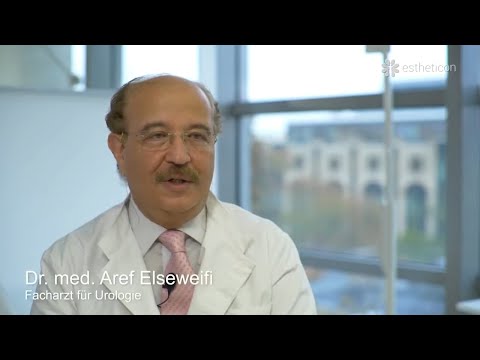
Expert Urology Care in Berlin, Germany: Dr. Aref El-Seweifi at Masculine Clinic
Urology
Masculine by Dr. Med. Aref Elseweifi
Germany
Medical Tourism in Istanbul, Turkey – Transforming Lives with Expert Healthcare
Urology
Medical Park Hospitals Group in Istanbul, Turkey
Turkey
Ideal Ejaculation Time: Insights from a Urologist in Istanbul, Turkey Dr. Zulfu Sertkaya
Urology
Assoc. Prof. Dr. Zülfü Sertkaya - Urology in Istanbul, Turkey
Turkey
Precision Robotic Urology Surgery in Ankara, Turkey for Complete Cancer Care
Urology
Bayindir Healthcare Group
Turkey
Learn More with These Urology Articles
Take a look at these interesting articles, stories and research that will help you learn more about Urology.

Living with a Penile Implant in Istanbul, Turkey by Dr. Zulfu Sertkaya: Sports, Travel, MRI and Airport Guide
Assoc. Prof. Dr. Zülfü Sertkaya - Urology in Istanbul, Turkey
- Urology
Turkey

Peyronie's Disease Treatment Options in Istanbul, Turkey by Dr. Zulfu Sertkaya
Assoc. Prof. Dr. Zülfü Sertkaya - Urology in Istanbul, Turkey
- Urology
Turkey

Berlin: The Premier Hub for Permanent Erectile Dysfunction Solutions and Advanced Penile Implant Surgery
PlacidWay Medical Tourism
- Urology
Germany
Urology Solutions Near You: Explore Top Medical Centers
Discover how Urology is transforming lives at leading medical centers in , Germany. Dive into center profile, specialties, doctors, reviews, etc. and explore the best options tailored to your needs in this region.

Masculine by Dr. Med. Aref Elseweifi
Berlin, Germany

Bayindir Healthcare Group
Istanbul,Ankara, Turkey

Medical Park Hospitals Group in Istanbul, Turkey
Istanbul, Turkey
Assoc. Prof. Dr. Zülfü Sertkaya - Urology in Istanbul, Turkey
Istanbul, Turkey








My worst experience was with Placid Way. I got no response from you.
Read More