What treatment
What treatment
The price for Dentures in Nuevo Progreso, Mexico typically ranges from $350 to $450. On average, you can expect to pay around $400 for this procedure. The price may vary depending on the clinic and the specific details of the treatment, so it’s always best to consult with a local provider for the most accurate quote.
In Nuevo Progreso, Mexico, Dentures typically costs between $350 and $450. The final price can depend on the clinic’s reputation, medical team, and the complexity of the procedure. It’s a good idea to get a detailed consultation to understand the full scope of services and any additional costs that may apply to your treatment.
On average, Dentures in Nuevo Progreso, Mexico, cost around $550, offering significant savings of 75% compared to the $2,200 price tag in the United States and 70% compared to the $1,800 cost in Canada. This makes Mexico a highly affordable option for dental care.
| Procedure | Mexico | United States | Canada |
|---|---|---|---|
| Dentures (Full, per arch) | $550 | $2,200 | $1,800 |
Discover your treatment options with a free, no-obligation quote!
Get your quote now!The cost of dentures dentistry in Nuevo Progreso, Mexico, typically ranges from $300 to $2,500 USD per arch for conventional or partial dentures. This range can vary based on the type of denture, materials used, and any additional procedures required.
Many patients find the prices in Nuevo Progreso significantly more affordable than in their home countries, often leading them to seek dental care across the border. This initial price point generally covers the basic fabrication and fitting of the dentures.
For example, a full set of conventional acrylic dentures might fall on the lower end of this spectrum, while more advanced partial dentures, or those made with higher-quality materials, would be towards the middle or upper end. It's important to understand that this estimate generally refers to traditional, removable dentures and does not include complex procedures like implant-supported options, which would naturally carry a higher price tag.
Several factors influence the total cost of dentures, including the type of denture, materials (acrylic, porcelain, metal framework), the number of teeth being replaced, the need for extractions or bone grafting, and the dentist's experience or clinic's reputation.
The complexity of your case plays a big role. If you need several teeth extracted before getting your dentures, those extraction costs will be added. Similarly, if your jawbone needs strengthening through bone grafting to support future dentures (especially if considering implants later), this will increase the overall expense.
Materials also matter. Standard acrylic dentures are usually the most budget-friendly, while options incorporating metal frameworks for partial dentures or advanced, more aesthetic porcelain teeth will cost more. Clinics with state-of-the-art technology or highly specialized dentists might also have slightly higher fees, reflecting their investment in quality and expertise.
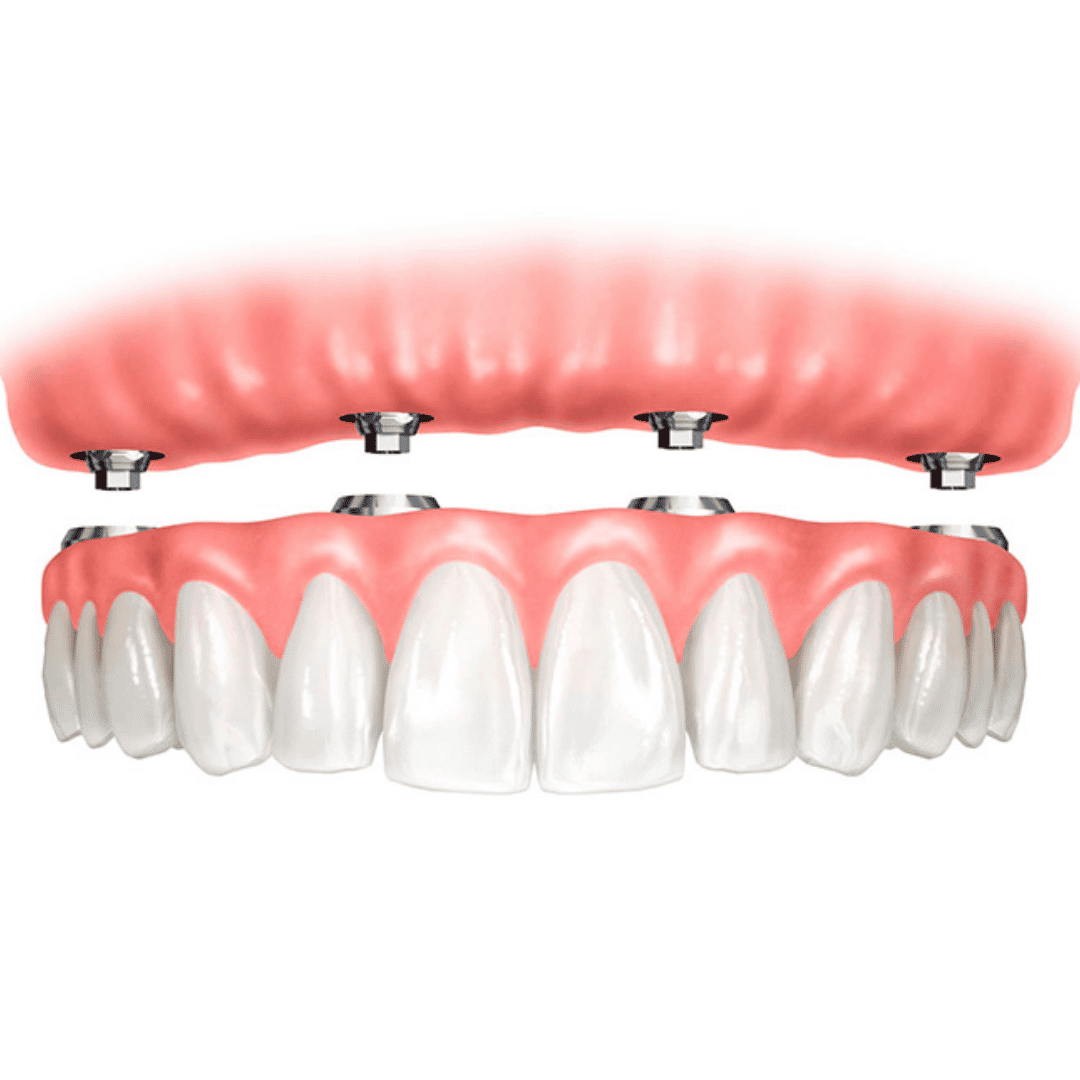
Yes, there are several types of dentures, each with varying costs. Conventional full dentures are generally the most affordable, followed by partial dentures. Flexible dentures, immediate dentures, and especially implant-supported dentures, tend to be more expensive due to their materials and complexity.
Here’s a quick overview of how they generally compare in price:
Typically, most international or domestic medical insurance plans from countries like the US or Canada do not cover dental procedures performed outside their network, including dentures in Mexico. It's always best to check directly with your insurance provider.
While some premium international health insurance plans might offer limited dental coverage abroad, it's a rare exception. Most standard dental insurance policies are structured to cover procedures within your home country's healthcare system. This means that even if your insurance covers dentures domestically, it's highly unlikely to extend to treatment received in Mexico.
Before planning your trip, we strongly recommend contacting your insurance company. Ask specific questions about their policies regarding "out-of-network" or "international dental treatment" to avoid any unexpected financial burdens. Most patients pay for their dentures dentistry in Mexico out-of-pocket, which is still often more affordable than using insurance for a similar procedure back home.
Potential hidden costs can include initial consultations, X-rays, necessary tooth extractions, bone grafting, post-procedure medications, adjustments, and travel-related expenses like accommodation and transportation. It’s crucial to ask for an all-inclusive quote.
While clinics in Mexico are often transparent with their pricing, it's wise to clarify what exactly is included in your quoted price. Don't assume everything is covered. For instance, if you require a panoramic X-ray or a 3D CT scan, these might be billed separately from the denture fabrication itself. Any teeth that need to be removed prior to getting your dentures will also incur additional extraction fees.
Furthermore, after your dentures are fitted, you might need a few adjustments as your mouth adapts. Some clinics include a certain number of adjustments in the initial cost, while others may charge for them. Always factor in your travel budget for flights, hotels, local transportation, and meals, as these contribute significantly to the total expense of seeking treatment abroad.
Many dental clinics in Mexico, especially those catering to international patients, offer various payment options. While direct financing might be less common for smaller procedures, some clinics provide installment plans or work with third-party medical financing companies. Always inquire about payment terms upfront.
Given the popularity of medical tourism, many clinics are accustomed to international patients and their financial needs. It's not uncommon for them to accept major credit cards, wire transfers, and sometimes even offer direct payment plans where you can pay in a few installments, particularly for more extensive or higher-cost procedures like implant-supported dentures.
If a clinic doesn't offer direct financing, they might be able to recommend third-party medical lenders or payment solutions popular in Mexico that cater to international patients. However, for the typical cost of conventional dentures in Nuevo Progreso, most patients opt to pay in full at the time of service, as the overall cost is still significantly less than financing options back home.
The cost of dentures in Nuevo Progreso, Mexico, is generally significantly lower—often 50% to 70% less—compared to prices in the United States or Canada. This makes Mexico a popular destination for dental tourism for patients seeking affordable, quality dental care.
For context, a full set of conventional dentures in the US or Canada can easily range from $1,500 to $4,000 USD per arch, and often even more for premium materials or complex cases. In contrast, as mentioned, you can often find quality dentures in Nuevo Progreso for a fraction of that price, sometimes as low as $300-$500 per arch for basic options.
This substantial difference in cost is primarily due to lower operating expenses for clinics in Mexico, including labor costs, real estate, and overhead. Despite the lower prices, many Mexican dentists are highly trained and experienced, using modern techniques and materials, ensuring that affordability doesn't necessarily mean a compromise on quality of care.
A typical dentures dentistry package in Mexico often includes the initial consultation, X-rays, impressions, the fabrication of the dentures, and fitting sessions. Some comprehensive packages might also cover minor extractions or post-procedure adjustments, but it's essential to confirm specifics.
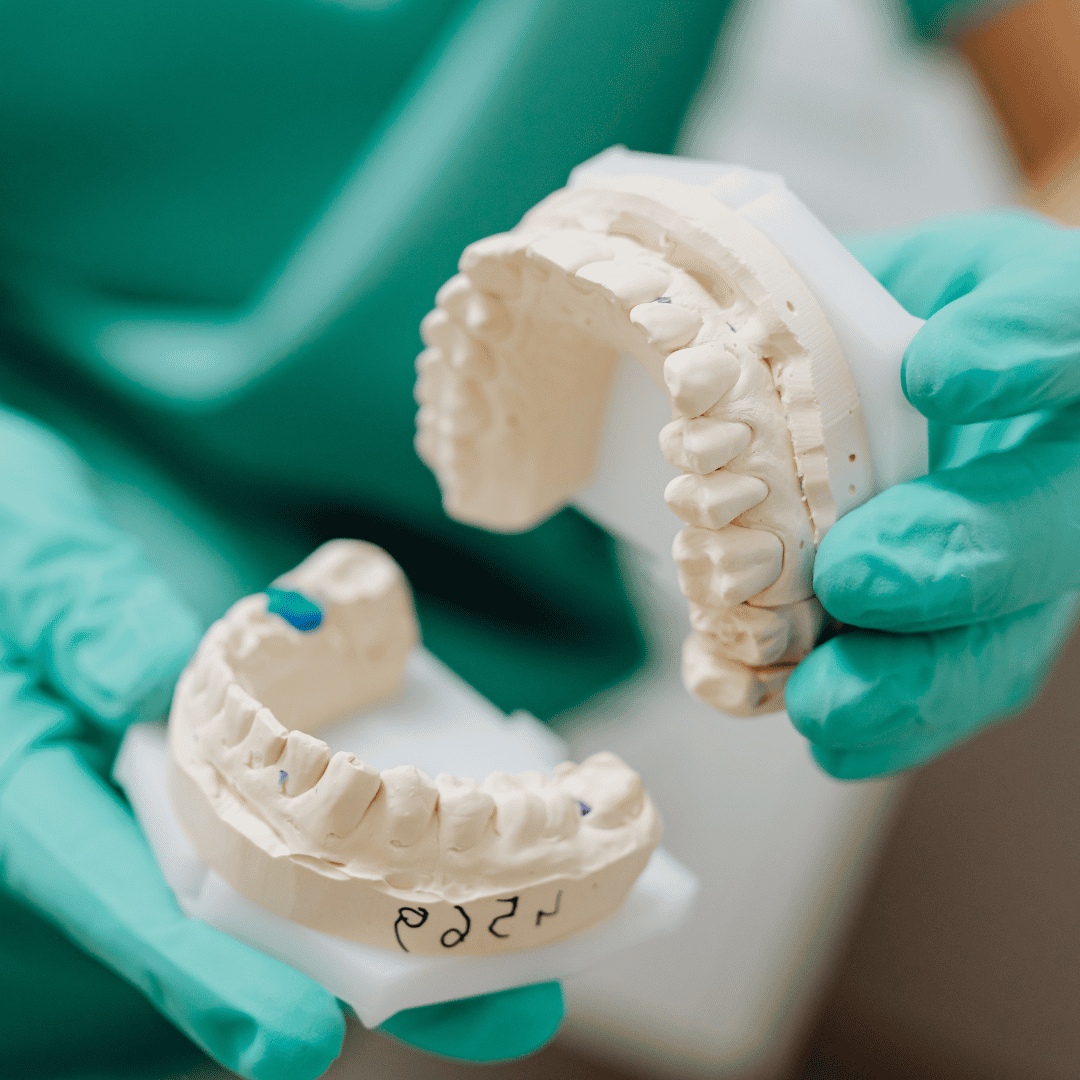
When you're looking at package deals, always read the fine print or ask for a detailed breakdown. A basic package for full or partial dentures usually covers everything from the initial diagnostic steps—like taking precise molds of your mouth—to the final placement and initial adjustments of your new dentures.
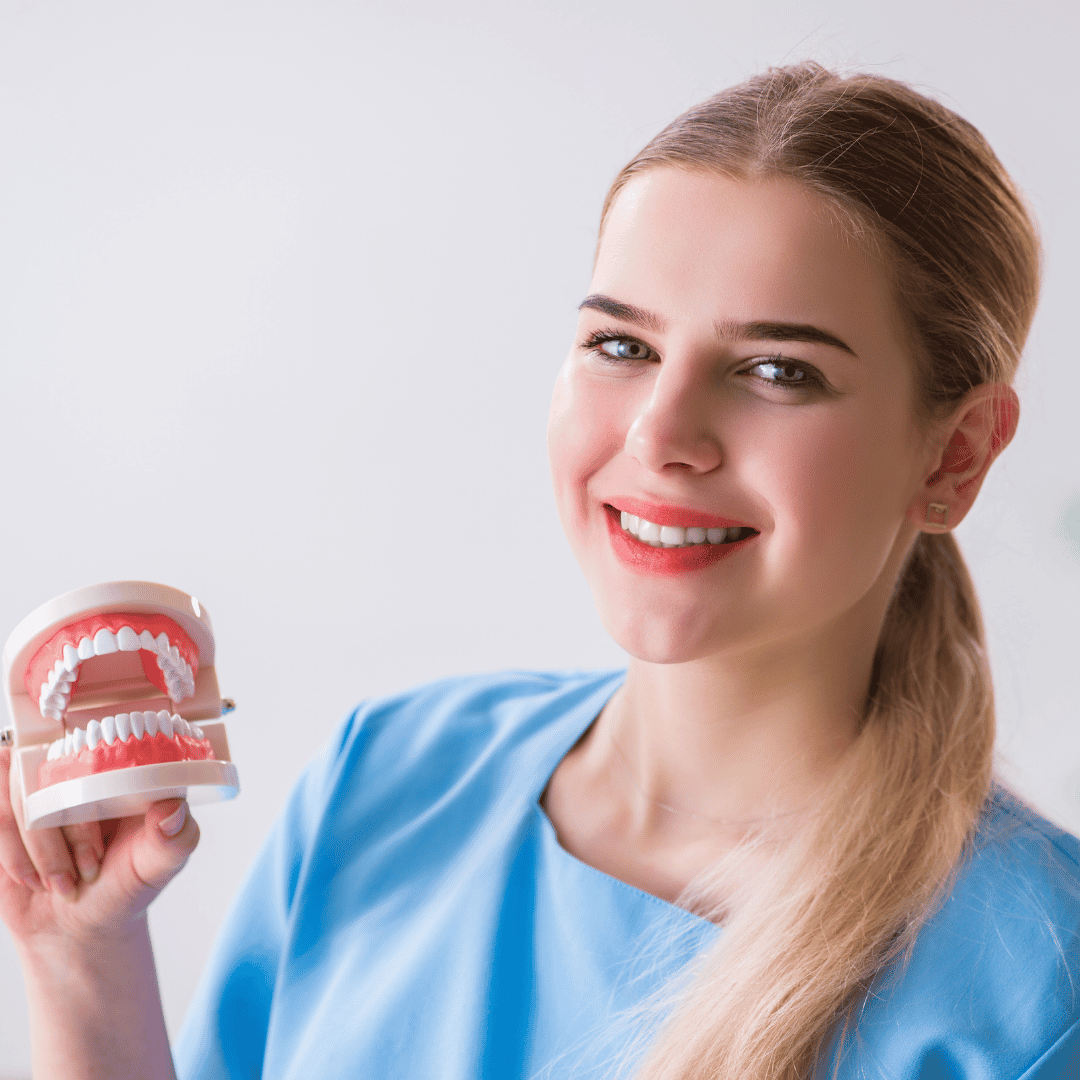
However, "all-inclusive" can mean different things to different clinics. Some might include a follow-up visit for minor adjustments or even a temporary denture if immediate placement is part of your treatment plan. Other crucial services, such as extensive tooth extractions, gum disease treatment, or bone preparation, are often priced separately. It’s always best to get a clear, itemized quote to understand exactly what your chosen package encompasses.
Yes, researching and comparing different clinics, opting for less expensive but still durable materials, and planning your trip during off-peak seasons can help save money. Choosing a reputable clinic known for quality is key to not compromising on care.
One of the best ways to save is through thorough research. Don't just pick the first clinic you find; compare quotes from several well-regarded dental practices in Nuevo Progreso. Many clinics offer virtual consultations that can provide initial estimates.
Regarding materials, while premium options exist, a standard acrylic denture from a good laboratory can still offer excellent functionality and aesthetics at a lower cost. Discuss your budget and material options with your dentist. Additionally, if your travel schedule is flexible, visiting during the off-peak tourist season might sometimes lead to slightly better deals on accommodation and flights, indirectly reducing your overall trip expense.
Conventional dentures typically last 5 to 10 years, though this can vary. Long-term maintenance costs include annual check-ups, professional cleanings, relines or re-bases every few years to ensure a proper fit, and eventual replacement of the dentures.
The lifespan of your dentures heavily depends on their care, the materials used, and changes in your oral structure over time. Your jawbone and gums naturally change shape after tooth loss, which can cause dentures to fit less securely. This is why periodic adjustments are crucial.
Maintenance costs are an ongoing consideration. You'll need to clean your dentures daily, and seeing a dentist annually for check-ups is recommended to ensure your oral health and denture fit are optimal. A "reline" or "re-base" procedure might be needed every 1-3 years to refit the denture base to your changing gums, costing typically a few hundred dollars. Eventually, your dentures will wear out or become ill-fitting, necessitating a complete replacement, which will be similar to the initial cost.
Important Disclaimer
PlacidWay.com provides medical travel information, not healthcare services. We don't endorse any providers, and we're not responsible for the care you receive.
Pricing: Prices on our site are estimates only, provided by the centers. Always confirm actual prices directly with the provider before booking to ensure full transparency and avoid hidden fees.
Your Health: Consult your local licensed healthcare provider before pursuing any treatment found on our site. Your health decisions are your responsibility.