



Comprehensive Guide to Affordable Dentures in Mexico
Choosing to get Dentures in Mexico is becoming an increasingly popular decision for thousands of international patients seeking to restore their smiles without breaking the bank. With the rising cost of dental care in the United States and Canada, traveling south of the border allows patients to access world-class dental prosthetics at a fraction of the domestic price.
Dental clinics in Mexico are renowned for their modernization, utilizing state-of-the-art technology and high-quality materials such as porcelain, acrylic, and flexible Valplast. Whether you require a full mouth restoration or a partial plate, the best dental clinics in Mexico offer personalized care performed by bilingual, board-certified dentists who specialize in dental tourism and patient comfort.
Key Takeaways: Value of Dentures in Mexico
- • Significant Cost Reductions: Patients can expect to save between 50% to 75% on Dentures in Mexico compared to prices in North America, allowing for substantial financial relief.
- • High-Quality Materials: Mexican dental labs use the same premium FDA-approved materials found in the US, ensuring your prosthetics are durable, natural-looking, and comfortable.
- • Experienced Specialists: Many dentists in Mexico have received training internationally and specialize in prosthodontics, ensuring expert handling of complex cases.
- • Quick Turnaround Time: Unlike the weeks of waiting often required at home, dental clinics in Mexico often have on-site labs, significantly reducing the waiting time for your final fitting.
- • Convenient Travel Locations: With major dental hubs located in border towns and popular tourist cities, accessing dental care is convenient and can be combined with a relaxing vacation.
Cost Overview and Comparison for Dentures in Mexico
The primary driver for dental tourism is the incredible price difference. When looking at the cost of Dentures in Mexico, you will find that the price tag is significantly lower due to the lower cost of living and operational expenses in the country, not a lack of quality. While a full set of dentures can cost thousands of dollars in the US, the same procedure in Mexico is accessible to almost any budget.
| Procedure | Mexico (Average Cost) | United States (Average Cost) | Canada (Average Cost) | Estimated Savings |
|---|---|---|---|---|
| Full Acrylic Denture (Upper or Lower) | $300 - $600 | $1,500 - $2,500 | $1,200 - $2,200 | ~75% |
| Partial Metal Frame Denture | $450 - $750 | $1,800 - $2,800 | $1,600 - $2,600 | ~70% |
| Flexible Valplast Denture | $400 - $700 | $1,400 - $2,200 | $1,300 - $2,000 | ~65% |
Note: The prices listed above are estimates and may vary depending on the complexity of your specific case, the materials chosen, and the specific clinic you choose in Mexico. Additional treatments such as extractions or bone grafts are not included in these estimates.
What’s Included in the Dentures Package
- • Initial Dental Consultation: A thorough examination by a prosthodontist to assess your oral health and determine the best denture solution for you.
- • Diagnostic Imaging: Necessary digital X-rays and 3D scans (if required) to plan the precise fit of your prosthetics.
- • Impressions and Molds: Taking precise dental impressions to create a custom model of your mouth for the dental lab.
- • The Prosthetic Device: The fabrication and delivery of the full or partial denture unit using high-grade materials.
- • Fitting and Adjustments: The initial fitting session and subsequent minor adjustments to ensure the bite is correct and comfortable.
- • Local Anesthesia: Administration of local numbing agents during the preparation phase if extractions or minor tissue work are done simultaneously.
What’s Not Included in the Dentures Package
- • Airfare and Travel Costs: Flights to and from Mexico are the responsibility of the patient.
- • Accommodation: Hotel stays or Airbnb rentals are generally not included in the standard medical quote.
- • Tooth Extractions: If you have remaining teeth that need to be pulled before denture placement, this is usually billed as a separate procedure.
- • Bone Grafting: In cases where the jawbone has resorbed, bone grafting surgery to support the denture is an additional cost.
- • Personal Expenses: Meals, sightseeing, local transportation, and shopping are not covered.
- • Travel Insurance: Patients are encouraged to secure their own travel and medical complication insurance.
Understanding Dentures in Mexico
Getting Dentures in Mexico is a straightforward process designed to restore function and aesthetics to patients who have lost teeth. Understanding the nuances of the treatment can help you make an informed decision about your oral health journey abroad.
- Purpose of Treatment: Dentures are removable appliances that can replace missing teeth and help restore your smile. If you’ve lost all of your natural teeth, whether from gum disease, tooth decay, or injury, replacing missing teeth will benefit your appearance and your health.
- Types of Dentures Available: Clinics in Mexico offer "Complete Dentures" for patients missing all teeth in an arch, "Partial Dentures" for those with some remaining natural teeth, and "Implant-Supported Dentures" (Snap-on) which offer superior stability by anchoring to titanium implants.
- Material Variations: You can choose from standard acrylic bases, metal frameworks for durability in partials, or flexible nylon materials (Valplast) that offer a more comfortable, lightweight fit without metal clasps.
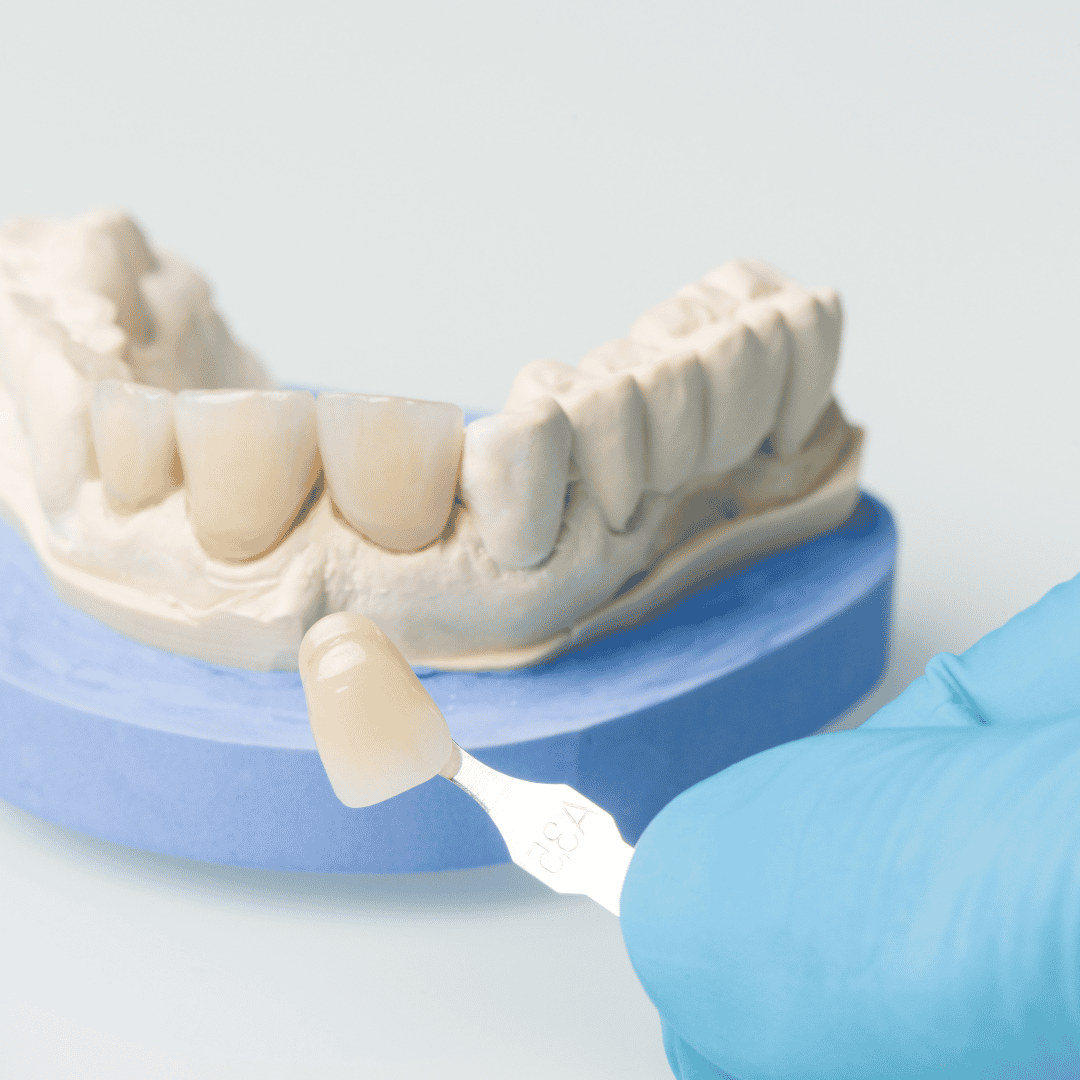
- How it Works: The process involves taking accurate impressions of the jaw ridges. A wax bite block is used to determine the proper jaw alignment. Then, a "try-in" denture is created to check the shape and color before the final permanent denture is cast and polished.
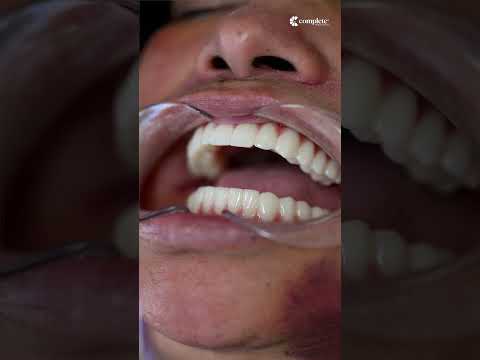
- Benefits of Modern Dentures: Modern technology ensures that today's dentures look more natural than ever before. They support the facial muscles to prevent sagging, improve speech clarity, and allow you to eat a wider variety of foods compared to having missing teeth.
- Success Rate: Dentures have a very high satisfaction rate when fitted correctly. With proper care, a good set of dentures from a Mexican clinic can last between 5 to 10 years before needing a reline or replacement.
Who Is the Ideal Candidate for Dentures?
Not everyone is immediately ready for dentures, and specific conditions must be met to ensure a comfortable fit. The ideal candidate for Dentures in Mexico generally fits the following profile:
- Significant Tooth Loss: Individuals who have lost several or all of their teeth in one or both jaws are primary candidates.
- Healthy Gum Tissue: Candidates must have healthy gum tissue free of active infections to support the denture base comfortably.
- Sufficient Bone Ridge: There must be enough jawbone ridge remaining to hold the denture in place via suction or adhesive, although implant-supported options can help those with some bone loss.
- Desire for Cost Savings: Patients who cannot afford the high prices of prosthodontics in their home country but do not want to compromise on quality.
- Realistic Expectations: Patients should understand that there is an adjustment period for speaking and eating with new dentures.
- Commitment to Oral Hygiene: Candidates must be willing to remove and clean the dentures daily and maintain oral hygiene for any remaining teeth or gums.
Day-by-Day Itinerary for Your Dentures in Mexico
-
Day 1: Arrival and Consultation
Arrive in Mexico. Meet your dentist for a comprehensive evaluation, X-rays, and the taking of initial impressions (molds) of your mouth. -
Day 2: Wax Try-In
The lab creates a wax model of the denture with teeth set in place. You will try this in to check the bite, aesthetics, and tooth color. Adjustments are made immediately. -
Day 3: Laboratory Processing (Free Time)
While the dental lab processes the final acrylic or metal denture, you have a free day to relax, enjoy local cuisine, or do some light sightseeing. -
Day 4: Final Fitting
The finished dentures are delivered. The dentist checks for sore spots, adjusts the bite, and ensures you can insert and remove them easily. -
Day 5: Final Check and Departure
A quick follow-up appointment in the morning to polish any rough edges after you have worn them for 24 hours. You are then cleared to travel home.
What to Expect from Your Dentures in Mexico
Patients traveling for Dentures in Mexico can expect a professional and streamlined experience. Unlike the clinical and often rushed atmosphere sometimes found elsewhere, Mexican dental tourism clinics prioritize patient comfort and hospitality.
Expect an initial adjustment period where the dentures may feel bulky or foreign in the mouth. You might experience increased saliva flow or minor difficulty pronouncing certain words, but this typically resolves within a week. Ultimately, you can expect a restored smile that looks natural, improved ability to chew, and a significant boost in self-confidence.
Post-Dentures Recovery in Mexico
- Dietary Adjustments: Stick to soft foods like yogurt, eggs, and soups for the first few days to prevent putting too much pressure on your gums.
- Sore Spots: It is normal to develop minor sore spots as the dentures settle. Warm salt water rinses can help soothe the gums and accelerate healing.
- Speech Practice: Reading aloud is recommended to help train your tongue and cheeks to navigate the new appliance for clear speech.
- Daily Cleaning: You must brush your dentures daily with a specific denture cleaner (not regular toothpaste) and soak them overnight to keep them hydrated and shape-retaining.
- Gum Massage: Gently massaging your gums with a soft toothbrush or finger when the dentures are out helps stimulate blood flow and keeps tissues healthy.
- Follow-up: If significant pain persists after returning home, you may need a minor adjustment with a local dentist, though most settling issues resolve on their own.
Why Choose Mexico for Dentures?
- Unbeatable Prices: The most obvious advantage is the cost; you can often get top-tier dentures for a third of the price charged in the US or UK.
- World-Class Dentists: Mexico is home to highly skilled prosthodontists, many of whom are members of the American Dental Association (ADA) and speak fluent English.
- Advanced Technology: Clinics catering to international patients utilize CAD/CAM technology, 3D imaging, and digital impressions for superior accuracy.
- Proximity and Ease: For North Americans, Mexico is a short flight or drive away, minimizing travel fatigue and jet lag.
- Comprehensive Care: Many clinics offer a "dental concierge" experience, assisting with transfers and ensuring the entire process is stress-free.
- Warranty Protection: Reputable clinics often provide warranties on their lab work, giving you peace of mind regarding the durability of your new teeth.
Explore Mexico While You Recover: Top Attractions for Patients
- Relaxing Beaches: If your clinic is in Cancun, Los Cabos, or Puerto Vallarta, spend your downtime relaxing on pristine sandy beaches, which is perfect for low-stress recovery.
- Cultural Heritage in Mexico City: For those visiting the capital, the historic center, Zócalo, and the National Museum of Anthropology offer enriching cultural experiences that don't require strenuous activity.
- Gastronomy: While you may be on a soft diet initially, you can still enjoy authentic Mexican broths, moles, and finely chopped culinary delights that Mexico is famous for.
- Shopping in Border Towns: Dental hubs like Los Algodones and Tijuana offer distinct shopping districts where you can buy local crafts, affordable pharmaceuticals, and souvenirs.
- Colonial Charm: Cities like Guadalajara or Merida offer beautiful colonial architecture and plazas where you can sit, relax, and enjoy the ambiance without needing to exert yourself.
FAQs About Dentures in Mexico
1. Are dentures in Mexico as good as those in the US?
Yes. Top-rated clinics use the same materials (like Lucitone and Valplast) and technologies as US clinics. The lower cost is due to lower overhead, not lower quality.
2. How long does it take to get dentures in Mexico?
Typically, the process takes 3 to 5 working days. Clinics with on-site labs can sometimes expedite this process, whereas US dentists might take several weeks.
3. Is it safe to travel to Mexico for dental work?
Yes, thousands of patients travel safely every year. It is recommended to choose clinics in established dental tourism zones and use arranged transport services.
4. Do the dentists speak English?
Absolutely. Clinics that cater to international patients require their staff to be bilingual to ensure clear communication regarding your medical needs.
5. Can I get immediate dentures after extractions?
Yes, "immediate dentures" can be placed right after teeth are pulled so you are never without teeth, though a reline will be needed later once gums heal and shrink.
6. What is the difference between partial and full dentures?
Full dentures replace an entire arch of missing teeth (upper or lower), while partial dentures fill gaps for just a few missing teeth and clip onto remaining natural teeth.
7. Do Mexican clinics accept US dental insurance?
Most Mexican clinics do not bill US insurance directly, but they will provide the necessary paperwork and codes for you to file a reimbursement claim with your provider.
8. How do I pay for my treatment?
Cash (USD) is widely accepted and often yields a better price. Credit cards are also accepted, though small transaction fees may apply.
Take the First Step Toward Your New Smile with PlacidWay
PlacidWay is your trusted partner in navigating the world of medical tourism. We bridge the gap between international patients and the best dental providers in Mexico. Here is how we help you achieve the smile you deserve:
- ✔ Vetted Providers: We extensively research and partner only with accredited clinics that meet rigorous international hygiene and quality standards.
- ✔ Transparent Quotes: We facilitate direct communication with clinics so you receive clear, upfront pricing with no hidden fees or surprises.
- ✔ Patient Advocacy: Our team supports you throughout the inquiry process, answering questions and helping you compare different clinic options.
- ✔ Free Service: Our coordination services are completely free for patients, ensuring you get the best care without extra administrative costs.
- ✔ Customized Solutions: We understand every mouth is unique, and we help connect you with specialists who offer the specific denture materials and techniques you require.






.png)
.png)
.png)
.png)


.png)
-1.png)
.png)








Share this listing