
Contents
Missing teeth can make every meal feel like a negotiation—and comparing denture options abroad can be just as awkward. Turkey attracts patients from the UK, Ireland, mainland Europe, the Balkans and nearby Middle Eastern markets who are looking for shorter waits, broader clinic choice and lower private-care costs.
A full acrylic denture commonly costs about $500 to $800 per arch, while a standard upper-and-lower set is often around $800 to $1,200. Implant-supported dentures belong to a higher price category because surgery, implants and a fixed or removable full-arch restoration may be involved.
Price should open the conversation, not end it. Confirm whether the quote is per arch or for both jaws, which material will be used and how many adjustments are included. For international treatment, verify that the clinic holds Türkiye’s International Health Tourism Authorization Certificate and appears on the Ministry of Health’s authorized-provider list before comparing your options.
A denture package can look tidy on screen and still leave important costs outside the box. The useful comparison is not simply “hotel included” versus “hotel not included,” but whether the clinical work is complete.
Check whether the package covers consultation, dental imaging, impressions, trial fittings, the final denture, laboratory fees and post-fitting adjustments. Extractions, temporary dentures, sedation, implants, bone grafting, medicines and return visits may be separate. Also confirm whether the price covers one arch or both jaws. Compare the packages below by treatment content, material and follow-up—not by headline price alone.
`Dentures in Turkey generally cost $330 to $2,546, with an average quote of about $1,438. Full acrylic dentures are commonly around $500 to $800 per arch, while flexible partial dentures may cost about $400 to $700. A conventional upper-and-lower full set is often priced near $800 to $1,200.
These are planning ranges, not guaranteed totals. Extractions, temporary teeth, premium materials, relines, repairs and implant support can change the final bill. Ask for an itemized written quote stating the denture type, material, number of arches, included adjustments and remake terms. Use the cost comparisons below to identify realistic options for your case.
Dentures Cost Comparison in Turkey
| Country | Procedure | Price |
|---|---|---|
| United Kingdom | Dentures, Dentistry | $1900 |
| Canada | Dentures, Dentistry | $1300 |
| United States | Dentures, Dentistry | $1500 |
A polished clinic tour tells you what the waiting room looks like; it does not tell you who is licensed to treat you. Start by confirming the clinic’s legal name, operating license and International Health Tourism Authorization Certificate. Cross-check the clinic on the Turkish Ministry of Health’s current provider list rather than relying on a badge displayed on its website.
Ask who will examine you, who designs the denture, which laboratory makes it and how adjustments are handled after you fly home. A responsible clinic should explain limitations, healing time and alternatives without rushing you into implants or extractions. Compare the clinics below using verifiable credentials, written treatment plans and accessible aftercare.

Tower Dental Clinic
Istanbul, Turkey
WestDent Clinic Turkey
Izmir, Turkey

International Multispecialty Hospital in Istanbul, Turkey
Istanbul, Turkey

ClinicExpert - Multispecialty Hospital in Istanbul
Istanbul, Turkey

Novusklinik Istanbul Turkey
Istanbul, Turkey
Videos can explain the patient journey, but they should answer practical questions—not only show dramatic smile reveals. Look for consultations, impressions, bite measurements, trial fittings and adjustment appointments. For implant-supported dentures, the video should also explain surgery, healing and the temporary-to-final restoration process.
Treat edited testimonials as supporting information rather than proof of clinical quality. Use the videos below to understand each clinic’s process, then verify every important claim in your written treatment plan.
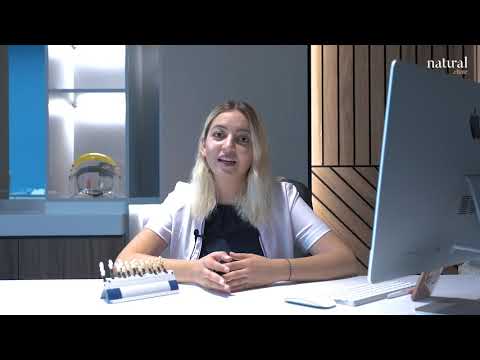
The most useful denture reviews discuss fit, chewing, speech, sore spots, adjustments and support after the patient returned home. A five-star comment about airport pickup tells you little about whether the denture remained comfortable three months later.
Read recent reviews across more than one platform and look for repeated patterns rather than one glowing or angry story. Pay attention to how the clinic responds when someone needs a reline, repair or remake. Compare the reviews below with the dentist’s credentials, treatment plan and written aftercare policy.

How much do dentures cost in Turkey?
Conventional denture quotes generally range from $330 to $2,546, with an average near $1,438. Full acrylic dentures commonly cost $500 to $800 per arch, while a standard upper-and-lower set may cost around $800 to $1,200. Extractions, temporary dentures and implant support are usually priced separately.
Is the quoted denture price in Turkey per arch or for both jaws?
It may be either, so never assume. Ask the clinic to state clearly whether the quote covers the upper jaw, lower jaw or a complete upper-and-lower set. The written quote should also name the material and denture type.
How long does it take to get conventional dentures in Turkey?
The timeline depends on the clinic’s laboratory, the number of fittings and whether extractions are needed. Conventional dentures usually involve an examination, impressions, bite measurements, a trial fitting and final placement. Ask for a case-specific schedule before arranging flights.
Can I get same-day dentures in Turkey?
Some clinics offer immediate dentures that are fitted shortly after tooth removal. These are often temporary because the gums and jaw change during healing. Adjustments, relining or a replacement denture may be needed later.
Will I need tooth extractions before getting dentures in Turkey?
Only an examination and dental imaging can answer that safely. Teeth should not be removed simply to fit a package. Ask the dentist to explain which teeth cannot be restored, why extraction is recommended and whether another treatment could preserve them.
Are implant-supported dentures better than removable dentures?
They may provide greater stability for suitable patients, but they require surgery, enough healthy bone and a larger budget. Conventional dentures avoid implant surgery and may be appropriate for patients who prefer a removable option. The better choice depends on your health, anatomy and priorities.
How can I verify a denture clinic in Turkey?
Request the clinic’s full registered name, operating license and International Health Tourism Authorization Certificate. Check that the facility appears on the Turkish Ministry of Health’s current authorized-provider list. Verify documents independently rather than accepting website logos alone.
How do I check a dentist’s qualifications in Turkey?
Ask for the dentist’s full name, diploma registration number, professional chamber registration and relevant experience. Confirm whether the person consulting with you will personally provide the treatment. Implant surgery should be performed by a clinician with appropriate surgical training and experience.
What should a denture quote from a Turkish clinic include?
It should identify the denture type, material, number of arches, laboratory fees, diagnostic imaging, trial fittings and included adjustments. It should also separate possible charges for extractions, medicines, sedation, temporary teeth, implants, relines and repairs.
Will my new dentures need adjustments after I return home?
Possibly. New dentures can cause pressure points, soreness or bite changes that require professional adjustment. This is especially common after extractions because the mouth changes during healing. Ask whether remote review, local adjustments or return visits are covered.
Which Turkish city is best for dentures?
There is no single best city. Istanbul offers a larger clinic pool, while Antalya and Izmir may provide simpler coastal travel. Choose according to the dentist’s qualifications, clinic authorization, laboratory quality, treatment schedule and aftercare—not the destination alone.
What records should I send before traveling to Turkey for dentures?
Send clear photographs, recent dental records and an available panoramic X-ray. Include your medical conditions, allergies, medications, smoking history and previous dental treatment. Remote information helps with planning but does not replace an in-person examination.
Can I combine denture treatment in Turkey with a holiday?
Light activities may be reasonable during conventional denture appointments, but treatment should remain the priority. Extractions and implant surgery may require rest, medication and dietary changes. Keep your schedule flexible and follow the treating dentist’s instructions.
What happens if my dentures cause problems after I leave Turkey?
Contact the treating clinic promptly and document the problem with photographs and local dental notes. Ask before treatment who pays for adjustments, relining, repairs or remakes. Seek urgent local care for severe pain, uncontrolled bleeding, swelling, fever or difficulty breathing or swallowing.
How much does a set of dentures cost in Turkey?
A full set of dentures in Turkey typically costs between $400 and $1,200, depending on the materials used, the complexity of your dental case, and the clinic location. Prices for implant-supported options will generally be higher. Replacing missing teeth is an important step for many people looking to restore their smile, improve their ability to chew, and speak more clearly. If you are exploring options for dental care abroad, you might be considering getting dentures in Turkey. The country has become a frequent destination for patients seeking various dental treatments, primarily due to the potential differences in pricing compared to North America or Western Europe. Before deciding to travel, it is essential to understand the treatment process, potential expenses, and what to expect from the experience. This guide will provide detailed insights to help you make an informed decision alongside your local healthcare provider. Key Takeaways A conventional full set of dentures typically ranges from $400 to $1,200 in Turkey, though complex cases can cost more. The total expense depends heavily on materials, extractions needed, and the specific clinic you choose. Patients usually need to stay in the country for 7 to 14 days to allow time for impressions, wax try-ins, and final fittings. It is vital to plan for ongoing maintenance, as dentures will require local adjustments and relining over time. Always consult with a local dentist first to confirm whether removable dentures are the most appropriate treatment for your oral health. What factors affect the dentures cost in Turkey? The overall price you pay is influenced by the type of materials chosen, the need for preparatory treatments like tooth extractions, and the geographic location of the dental facility. When evaluating estimates for dental care, you will quickly notice that there is rarely a single, fixed price. The material used for the prosthetic teeth and the gum-colored base plays a significant role. For instance, standard acrylic is generally more affordable, while high-end composite or porcelain teeth designed for a more natural appearance often increase the total expense. Another major factor is your current oral health. If you still have failing teeth that need to be extracted before the dentures can be fitted, the cost of those extractions will be added to your treatment plan. Additionally, if you require treatment for gum disease or an infection prior to receiving prosthetics, your overall costs will naturally be higher than someone who only needs the fitting and the appliance itself. Finally, pricing can vary depending on where you travel. Facilities located in major city centers or popular tourist areas might have different fee structures than those in smaller towns. When comparing your options, be sure to ask for an itemized estimate so you know exactly what is included in the quoted price. What types of dentures are available for international patients in Turkey? Patients traveling from abroad typically have access to conventional full dentures, partial dentures, and immediate dentures, depending on their specific clinical needs. Dental facilities that cater to international patients generally offer the same variety of prosthetic options you would find in your home country. Understanding the differences between these types can help you discuss your goals more effectively with a dental professional. Full Conventional Dentures: These are used when all teeth in an arch (upper, lower, or both) are missing. They rest on the gums and rely on suction or dental adhesive to stay in place. Partial Dentures: If you still have some healthy natural teeth remaining, a partial denture can fill in the gaps. It usually consists of replacement teeth attached to a pink base, held in place by metal or flexible clasps that grip your natural teeth. Immediate Dentures: These are placed on the same day that your remaining teeth are extracted. While they allow you to avoid being without teeth during the healing process, they will require significant adjustments and relining as your gums shrink over the following months. Implant-Supported Dentures: While much more expensive than traditional removable options, these snap onto dental implants placed in the jawbone for added stability. (Note: This procedure requires a different timeline and assessment process). Treatment Type Estimated Cost Range (USD)* Full Set Conventional Dentures (Upper & Lower) $400 - $1,200 Single Arch (Upper OR Lower) $200 - $600 Partial Dentures $300 - $800 *Note: These are estimates. Actual prices depend on individual patient needs, materials, and specific clinic policies. How long do I need to stay in Turkey for denture fitting? Patients should plan to stay for approximately 7 to 14 days, as the process requires multiple visits for impressions, wax try-ins, and final adjustments. Getting a proper, custom-fitted appliance is not a single-day procedure. Even if a clinic has an in-house laboratory, the process requires several steps to ensure the final product fits comfortably and functions correctly. Rushing this process can lead to poorly fitting dentures that cause pain or difficulty eating. During your first visit, the dentist will examine your mouth, take X-rays, and create initial molds or digital impressions. A few days later, you will typically return for a "wax try-in." This involves testing a mockup of your dentures to check the bite, alignment, and appearance before the final appliance is fabricated. Once the final denture is ready, you will have a fitting appointment. It is highly recommended to stay in the country for at least a few days after receiving the final appliance. This allows the dentist to identify and adjust any initial pressure points or sore spots that often develop during the first few days of wear. What materials do Turkish dental clinics use for dentures? Clinics typically use the same standard materials found globally, including acrylic resin for the gum base and either hard acrylic or porcelain for the artificial teeth. The materials chosen for your appliance will directly impact its durability, weight, and appearance. Most conventional denture bases are made from a flesh-colored acrylic resin designed to match the natural hue of your gums. In some cases, partial dentures utilize a metal framework for added strength, though flexible, metal-free options (like Valplast) are also commonly available. For the teeth themselves, modern hard acrylic is the most frequently used material. Acrylic teeth are lighter than other options and bond securely to the acrylic base. They are also easier to adjust if your bite needs fine-tuning. Some patients prefer porcelain teeth because they resist wear and staining better than acrylic, and they closely mimic the light-reflecting qualities of natural enamel. However, porcelain teeth can be heavier and may put more pressure on the underlying gums and jawbone. They are also more prone to chipping if accidentally dropped during cleaning. A dentist can help you weigh the pros and cons of each material based on your chewing habits and overall oral anatomy. Am I a suitable candidate to travel to Turkey for dentures? Suitability depends on your overall physical health, your ability to manage international travel, and the current condition of your gums and jawbone. While many people successfully travel for dental care, it is not the right choice for everyone. Before making any plans, it is highly advisable to schedule a consultation with a dentist in your home country. They can provide an objective assessment of your oral health and confirm whether you actually need full extractions or if alternative treatments could save your natural teeth. If you do need dentures, you must consider whether you are healthy enough for travel. Long flights can be taxing, and the stress of navigating a foreign country while undergoing medical treatment should not be underestimated. Patients with complex medical histories, uncontrolled diabetes, or compromised immune systems may face higher risks of infection and delayed healing if extractions are required. Additionally, successful denture wear relies on having sufficient gum tissue and a healthy jawbone ridge for the appliance to rest upon. If you have experienced severe bone loss over time, a conventional removable denture may struggle to stay in place, regardless of where it is made. What are the risks of getting dentures while abroad? Primary risks include the logistical difficulty of managing adjustments after returning home, potential communication barriers, and the standard complications of adjusting to new prosthetics. Getting new teeth involves a significant adjustment period. It is entirely normal to experience sore spots, increased saliva production, and difficulty speaking or eating for the first few weeks. The most notable risk of traveling for this procedure is that once you return home, your treating dentist is thousands of miles away. If persistent pain or poor fit issues arise, you cannot easily drop into the clinic for a quick adjustment. Furthermore, if you require tooth extractions during your trip, you face standard surgical risks such as infection, dry socket, or prolonged bleeding. Managing these complications in a hotel room or shortly after boarding a long flight can be stressful and potentially dangerous. Language and communication barriers can also pose a risk. While many facilities treating international patients have staff who speak English, misunderstandings regarding your expectations, medical history, or post-care instructions can still occur. Clear communication is vital for achieving an outcome you are happy with. How do I handle denture adjustments after leaving Turkey? You will need to establish a relationship with a local dentist in your home country who is willing to perform ongoing adjustments, maintenance, and future relining. Because your jawbone and gums slowly shrink and change shape over time, no denture will fit perfectly forever. This biological change means that regular maintenance is a required part of wearing prosthetics. You cannot rely solely on the clinic abroad for the lifespan of your appliance. Before you travel, it is wise to locate a local dentist who agrees to take over your care once you return. Some local providers may be hesitant to adjust dental work performed in another country due to liability concerns or unfamiliarity with the materials used. Securing this local support ahead of time ensures you have a safety net if complications develop. Typically, you will need what is known as a "reline" every one to two years. Relining involves adding new material to the underside of the denture base so it conforms to the current shape of your gums, restoring a secure fit. You must factor the ongoing costs of local adjustments and relines into your overall budget. What should I look for when choosing a dentures clinic in Turkey? Focus on facilities that prioritize transparency, clearly communicate their infection control protocols, and have dentists with verifiable credentials and experience in prosthodontics. The success of your treatment depends heavily on the skill of the professional providing it. When evaluating potential clinics, look for those that are forthcoming about their dentists' educational backgrounds and professional affiliations. Dentists who specialize in the restoration and replacement of teeth are often called prosthodontists. Ask specific questions during your initial inquiry. How many appointments will the process take? What type of materials do they use for the acrylic and the teeth? Do they have an on-site laboratory, or do they send impressions to an external facility? An on-site lab can sometimes speed up the process and make minor adjustments easier to facilitate. Avoid making decisions based solely on the lowest price. Unusually low quotes can sometimes indicate a reliance on lower-quality materials or rushed treatment timelines. Look for clear, written estimates that outline every step of the process, ensuring there are no misunderstandings about what is covered. How does medical tourism in Turkey work for dental patients? Dental tourism involves patients researching facilities, consulting remotely, traveling for a scheduled block of time to receive care, and then returning home for long-term maintenance. The process typically begins with an online inquiry. You may be asked to provide recent dental X-rays, photographs of your mouth, and a brief medical history. The clinic's team will review this information and offer a preliminary treatment plan and cost estimate. Keep in mind that this is only an estimate; a final plan can only be confirmed after an in-person examination. Once you agree to a tentative plan, you will schedule your travel. Many facilities have international patient coordinators who help explain what you need to bring and how to prepare. While some individuals treat the trip as a vacation, remember that your primary reason for travel is a medical procedure. You should prioritize rest, adhere to any dietary restrictions required by your treatment, and attend all scheduled clinical appointments. After your final fitting, the clinic will usually provide you with instructions on how to clean and care for your new appliance. Upon returning home, the responsibility for keeping your mouth healthy and maintaining the dentures shifts back to you and your local healthcare provider. Why Choose PlacidWay for Medical Tourism in Turkey? PlacidWay is an informational platform designed to help patients explore healthcare options globally. When researching dental care abroad, using an established directory can provide structure to your search. Extensive Directory: PlacidWay lists numerous medical and dental facilities around the world, allowing you to browse options in one place. Informational Resources: The platform offers articles and guides to help educate patients on international healthcare processes. Direct Connections: Patients can use the platform to send inquiries directly to the facilities they are interested in. Provider Profiles: Many listings include details about a clinic's focus areas, available languages, and general facility information. Treatment Comparisons: You can request information from multiple centers to compare estimated pricing and tentative treatment plans. Frequently Asked Questions Can I get a partial denture instead of a full set in Turkey? Yes, if you only have a few missing teeth, a dentist can evaluate your mouth to determine if a partial denture is appropriate. Partial dentures are widely available and typically cost less than a full set. Does the estimated price usually include tooth extractions? In most cases, tooth extractions are charged separately from the denture itself. You should ask your chosen clinic for an itemized treatment plan to understand what is included in your estimate. How long do traditional dentures usually last? With proper care, traditional dentures can last between five and ten years. However, your jawbone naturally changes shape over time, meaning you will likely need adjustments, relining, or eventual replacement. Is it painful to get fitted for new dentures? The fitting process itself involves taking impressions and is generally not painful. However, if you require extractions beforehand, you will experience a normal healing period that may involve some discomfort. Can I travel back home immediately after receiving my dentures? While you can technically travel, dentists usually recommend staying a few extra days after your final fitting. This allows them to make any necessary minor adjustments to relieve initial sore spots before you fly home. Do I need bone grafting for traditional removable dentures? Bone grafting is typically not required for standard removable dentures. It is usually only considered if you are planning to get implant-supported dentures and lack sufficient jawbone density to support the posts. How soon can I eat normally after getting new dentures? It often takes several weeks to get used to eating with new dentures. You will need to start with soft foods cut into small pieces and gradually introduce harder foods as your cheek and tongue muscles adapt. Will my dentures look like natural teeth? Modern dental materials can closely mimic the appearance of natural teeth and gums. During your consultation, you can often discuss the shade, shape, and size of the teeth to ensure a look that suits your face. What happens if my denture breaks after I return home? If a denture breaks, you should see a local dentist for repairs rather than attempting to fix it yourself. Many standard acrylic dentures can be repaired by a local dental laboratory without needing to return to the original clinic. Are there age restrictions for traveling to get dentures? There is no strict upper age limit for getting dentures, provided you are in good enough general health to travel safely and undergo basic dental procedures. A medical evaluation is recommended before planning your trip. Compare Treatment Options Gather information and explore facility profiles to help you make an educated decision about your dental care. Request Treatment Information References Dentures - American Dental Association (MouthHealthy) Dentures Information - MedlinePlus (National Library of Medicine) Dentures: Types, Procedure & Care - Cleveland Clinic Dentures (False Teeth) - National Health Service (NHS UK) Tooth Decay & Oral Health - National Institute of Dental and Craniofacial Research Oral Health Conditions - Centers for Disease Control and Prevention (CDC) Medical Disclaimer: The information provided in this article is for educational and informational purposes only and does not constitute medical advice. Treatment outcomes, costs, eligibility, and recovery times vary significantly among individuals. Always consult with a qualified local dentist or healthcare professional before making decisions about traveling for dental care or undergoing any dental procedure. Do not ignore professional medical advice or delay seeking it because of something you have read here.
Are There Any Unexpected Costs for Dental Treatment in Turkey for Europeans?
Are There Any Hidden Costs for Dental Treatment in Turkey For Europeans? Turkey has become a global hotspot for high-quality, affordable dental care, attracting thousands of international patients each year. The significant price difference compared to countries like the US, UK, and Australia is a major draw. However, the prospect of traveling abroad for dental work can come with concerns about transparency and unexpected expenses. The question on many people's minds is: are there any hidden costs for dental treatment in Turkey? The straightforward answer is that while reputable clinics strive for transparency, potential extra charges can exist if patients are not fully aware of what their treatment package includes. Understanding these potential costs is key to a smooth and stress-free dental tourism experience. This guide is designed to shed light on all the potential hidden costs you might encounter. We will break down what is typically included in the initial quote and what might be considered an 'extra'. From the initial consultation and diagnostic tests to the materials used and aftercare, being well-informed will empower you to ask the right questions and choose a clinic that offers true value and transparency. The goal is to ensure that the attractive price you are quoted is the price you actually pay, with no unwelcome surprises along the way. By the end of this article, you will have a clear understanding of how to navigate the financial aspects of getting your dental work done in Turkey, ensuring your journey to a new smile is as seamless as it is affordable. What is typically included in the advertised price for dental treatment in Turkey for Europeans? "Typically, the advertised price for dental treatment in Turkey for europeans, especially in 'all-inclusive' packages, covers the core dental procedure, the dentist's fees, and often accommodation and airport transfers." When you see a price for dental implants, veneers, or a full smile makeover in Turkey, it usually encompasses the main components of your treatment. For instance, a dental implant package will generally include the implant itself, the abutment, and the crown. Similarly, a veneer package will cover the cost of the veneers per tooth. Many clinics, especially those catering to international patients, bundle their services into packages to simplify the process. These packages often include a set number of nights in a partner hotel and VIP transfers between the airport, hotel, and the clinic. However, it's crucial to remember that the level of inclusivity can vary significantly from one clinic to another. A lower advertised price might not be as comprehensive as a slightly higher one. Always request a detailed breakdown of what is included in the quoted price. This should be a clear and itemized list that leaves no room for ambiguity. A reputable clinic will be more than happy to provide this information, as it builds trust and demonstrates their commitment to transparency. Are initial consultations and X-rays considered extra costs? "In most cases, initial consultations and standard X-rays (like panoramic X-rays) are included in the treatment package at reputable dental clinics in Turkey. However, more advanced scans may incur an additional fee." Most dental clinics in Turkey offer free initial consultations to attract international patients. These consultations can often be done remotely, where you send pictures of your teeth and any existing X-rays for a preliminary assessment. Once you arrive in Turkey, a more thorough in-person consultation will be conducted, which typically includes a panoramic X-ray to assess your overall dental health. For straightforward cases, these initial diagnostic services are usually part of the package. Where you might encounter an extra charge is if you require more detailed imaging, such as a 3D Cone Beam Computed Tomography (CBCT) scan. This type of scan provides a much more detailed view of your jawbone and is often necessary for complex implant placements. While some premium 'all-inclusive' packages may cover the cost of a CBCT scan, many clinics will charge for it separately. It is essential to clarify this with the clinic beforehand, especially if you suspect you might need a more complex procedure. What about the cost of anesthesia? Is it always included? "Local anesthesia is almost always included in the quoted price for dental procedures in Turkey. However, if you opt for or require sedation or general anesthesia, this will likely be an additional cost." For the vast majority of dental treatments, including fillings, crowns, and even standard implant placements, local anesthesia is sufficient to ensure a painless experience. The cost of local anesthesia is minimal and is factored into the overall price of the procedure. You should not expect to see a separate charge for this on your bill. However, for patients who have dental anxiety or are undergoing extensive procedures like a full mouth reconstruction, sedation or even general anesthesia might be an option. These services are provided by a qualified anesthesiologist and require more resources and monitoring, hence they come at an extra cost. If you think you might prefer sedation, you should inquire about the availability and the associated fees when you are getting your initial quote. This will prevent any surprises on the day of your treatment. Are there different prices for different materials for Europeans? "Yes, the type and brand of materials used for your dental treatment can significantly impact the final cost. The initial quote you receive may be for standard materials, with premium options available at an extra charge." This is one of the most common areas where "hidden" costs can appear. For example, when getting dental crowns or veneers, the price will vary depending on whether you choose porcelain-fused-to-metal (PFM), zirconia, or E-max. Zirconia and E-max are considered premium materials due to their superior aesthetics and durability, and they will be more expensive than PFM. Similarly, for dental implants, the brand of the implant plays a crucial role in the cost. A well-known, high-quality implant brand from Switzerland or Germany will cost more than a lesser-known brand. When you receive a quote, it's vital to ask which specific materials and brands are included. If the quote seems significantly lower than others, it might be because it's for standard, lower-cost materials. A transparent clinic will present you with all the options and explain the pros, cons, and price differences of each. This allows you to make an informed decision based on your budget and preferences. What if I need additional procedures like a bone graft or sinus lift? "Additional procedures such as bone grafts, sinus lifts, or tooth extractions are typically not included in the standard price for dental implants and will be charged separately." For a dental implant to be successful, there needs to be sufficient bone density in the jaw to support it. If you have been missing a tooth for a while, you may have experienced bone loss. In such cases, a bone graft is necessary to build up the bone. Similarly, if you are getting implants in the upper jaw, a sinus lift might be required to create enough space for the implant. These are surgical procedures that require additional time, materials, and expertise, and therefore, they are not part of the standard implant price. A good dental clinic will identify the need for these additional procedures during your initial assessment (ideally through a CBCT scan) and include them in your detailed treatment plan and quote from the beginning. However, if the need for a bone graft or sinus lift is only discovered after you have arrived in Turkey, it will be an unexpected but necessary additional cost. To avoid this, it's best to provide the clinic with as much information as possible, including recent X-rays, before you travel. Are temporary crowns or veneers included in the price? "In most comprehensive dental treatment packages in Turkey, the cost of temporary crowns or veneers is included. However, it's always wise to confirm this with your chosen clinic." When you are getting dental crowns or veneers, the process usually involves two stages. In the first stage, your teeth are prepared, and impressions are taken. These impressions are then sent to a dental lab to create your permanent restorations. This process can take a few days. In the meantime, you will be fitted with temporary crowns or veneers to protect your prepared teeth and maintain your appearance. The cost of these temporary restorations is usually factored into the overall price of your treatment. However, you should not take this for granted. Some clinics might offer a very low baseline price that excludes temporaries. It's a simple but important question to ask during your consultation. Ensuring that temporaries are included will prevent the inconvenience of having to pay extra for them or, in a worst-case scenario, having to go without them while you wait for your permanent restorations. What are the costs for aftercare and follow-up appointments? "Immediate aftercare and follow-up appointments within your treatment period in Turkey are generally included. However, long-term follow-up care in your home country will be your own responsibility and cost." Reputable dental clinics in Turkey will provide you with all the necessary aftercare instructions and any immediate follow-up appointments required before you head back home. This is part of ensuring a successful treatment outcome. You will also be given a supply of any necessary medications, such as painkillers or antibiotics, which are usually included in the package price. The "hidden" cost in this area relates to long-term care. Dental implants, for example, require regular check-ups and professional cleanings, just like natural teeth. These ongoing maintenance appointments will need to be done with a dentist in your home country, and you will be responsible for these costs. It's important to factor in the long-term maintenance costs when considering the overall affordability of getting dental treatment abroad. Do I have to pay for medication separately? "Most all-inclusive dental packages in Turkey include the cost of essential medications required immediately after your procedure, such as antibiotics and painkillers." When you undergo a dental procedure like an extraction, root canal, or implant placement, your dentist will likely prescribe antibiotics to prevent infection and painkillers to manage any discomfort. The cost of these initial medications is typically included in your treatment package. The clinic will usually provide you with the necessary supply to cover the first few days of your recovery. However, if you require any special medication due to a pre-existing condition or if you need a repeat prescription after you have finished the initial supply, you may have to pay for it separately. It's always a good idea to bring any regular medications you take from home and to clarify with the clinic what is included in terms of post-operative medication. Are there any hidden fees related to travel and accommodation in "all-inclusive" packages? "While 'all-inclusive' packages are designed to cover your accommodation and transfers, there can be hidden fees related to flight tickets, hotel upgrades, extra nights, or personal expenses." The term "all-inclusive" in the context of dental tourism in Turkey usually refers to the dental treatment, accommodation, and ground transfers. Your flight tickets are almost always your own responsibility. When it comes to accommodation, the package will typically include a specific number of nights in a standard room at a partner hotel. If you wish to upgrade to a better room, stay for extra nights, or have a companion stay with you, there will be additional charges. Furthermore, your personal expenses, such as food, sightseeing, and shopping, are not included in the package. It's important to budget for these separately. To avoid any misunderstandings, ask the clinic for the name of the hotel and what is included in the accommodation (e.g., breakfast). This will help you plan your budget more accurately. What happens if there are complications? Are correction procedures free? "Reputable dental clinics in Turkey provide a warranty or guarantee for their work. Minor adjustments are usually free, but the terms for correcting more significant complications can vary." This is a critical aspect to clarify before you commit to any treatment. A good clinic will stand by its work and offer a warranty, especially for procedures like implants and crowns. This warranty should cover any defects in the materials or workmanship. For example, if a crown cracks or an implant fails within the warranty period, the clinic should rectify the issue at no extra cost for the dental work itself. However, you will likely have to cover your own travel and accommodation expenses for the return trip. It's essential to get the warranty terms in writing. Understand what is covered, for how long, and what might void the warranty (e.g., poor oral hygiene or getting work done on the same tooth by another dentist). A transparent clinic will have a clear and fair warranty policy. How can I get a fully transparent and all-inclusive quote? "To get a fully transparent and all-inclusive quote, you must provide the clinic with detailed information about your dental health, including recent X-rays, and ask for an itemized breakdown of all potential costs." The key to avoiding hidden costs is proactive and clear communication. Don't just accept the initial price you are given. Engage with the clinic's patient coordinator and ask detailed questions. Here’s how you can ensure transparency: Provide comprehensive information: Share clear photos of your teeth and gums, and if possible, a recent panoramic X-ray. The more information the dentist has, the more accurate your initial treatment plan and quote will be. Request an itemized quote: Ask for a detailed written quote that lists every single component of your treatment, including the consultation, X-rays, the procedure itself, the materials to be used, anesthesia, temporary restorations, and aftercare. Discuss potential additional procedures: Ask the dentist if they foresee the need for any other treatments, like a bone graft or extractions, and what the costs for these would be. What specific questions should I ask my dental clinic to avoid hidden costs? "To avoid hidden costs, you should ask your dental clinic in Turkey a series of specific questions about what is included in the quote, the materials they use, their warranty policy, and any potential additional charges." Being prepared with a list of questions can save you a lot of money and stress. Here are some essential questions to ask: Is the price quoted a package deal? What exactly does it include? Are there any additional charges for consultations, X-rays, or 3D scans? What type and brand of materials will be used for my crowns/veneers/implants? Are there other options, and what are the price differences? Is the cost of local anesthesia, sedation, or general anesthesia included? Will I need any additional procedures like a bone graft or sinus lift? If so, what is the cost? Is the cost of temporary restorations included? What does the warranty cover, and for how long? Do I have to pay for travel and accommodation if a correction is needed? What are the payment terms? Are there any fees for using a credit card or for currency exchange? Are there any currency exchange or payment processing fees? "Yes, there can be additional fees related to currency exchange and payment processing when paying for your dental treatment in Turkey. It's important to clarify the accepted payment methods and any associated charges." Most dental clinics in Turkey will quote their prices in Euros, US Dollars, or British Pounds for international patients. When you pay, the final amount in your home currency will depend on the exchange rate at that time. If you are paying by credit card, your bank may charge a foreign transaction fee. Some clinics may also add a small percentage (typically 2-3%) for credit card payments to cover their own processing fees. To keep costs down, you might consider paying in cash, but be mindful of the risks of carrying large amounts of money. Another option is a bank transfer, but check for any fees from your bank. The best approach is to discuss all payment options with the clinic in advance and choose the one that is most cost-effective for you. Do I need to pay for a translator? "At most dental clinics in Turkey that cater to international patients, translation services are provided free of charge. The staff, including dentists and patient coordinators, are often fluent in English and other languages." Language barriers are a common concern for medical tourists. However, the top dental clinics in Turkey have invested heavily in creating a welcoming environment for international patients. This includes having multilingual staff. Your patient coordinator, who will be your main point of contact, will likely be fluent in your language. The dentists themselves often have excellent English skills, having trained or attended conferences internationally. It is highly unlikely that you would need to hire and pay for your own translator. However, it's always a good idea to confirm this with the clinic. A good clinic will ensure that you can communicate effectively and comfortably throughout your treatment journey. How do I ensure the quoted price is the final price? "To ensure the quoted price for your dental treatment in Turkey is the final price, you need to choose a reputable clinic, get a detailed and itemized treatment plan in writing, and have a clear understanding of the clinic's warranty and complication policies." Ultimately, the best way to avoid hidden costs is to do your due diligence. Here's a summary of the key steps: Research and choose a reputable clinic: Look for clinics with a long history of treating international patients, positive reviews, and international accreditations. Have a thorough remote consultation: Provide them with all the necessary information to create an accurate initial plan. Get everything in writing: Your treatment plan should be detailed and itemized. Your warranty policy should be clear and comprehensive. Ask questions: Don't be shy about asking all the questions we've outlined in this guide. A good clinic will welcome your questions. By taking these steps, you can be confident that the attractive price you are quoted for your dental treatment in Turkey will be the final price you pay, allowing you to focus on what truly matters: achieving a healthy and beautiful smile. Ready to explore your options for high-quality, affordable dental care in Turkey? PlacidWay can help you connect with trusted and pre-screened dental clinics. Explore our network of world-class dental providers and get a free, no-obligation quote for your personalized treatment plan. Your journey to a new smile starts here!
What Do All-Inclusive Dental Packages in Turkey Include?
All-inclusive dental packages in Turkey typically bundle your specific dental treatment, such as implants or veneers, with local transfers, hotel accommodation, and translation services. Treatment costs generally range from $3,000 to $8,000. Key Takeaways Packages usually combine clinical treatments with hotel stays and local transit. Prices depend heavily on case complexity and the international materials used. Verifying dentist credentials through official registries is a vital step before traveling. Patients must plan for local aftercare and maintenance upon returning home. International flights are rarely included and must be booked separately by the patient. What specific treatments do all-inclusive dental packages in Turkey cover? These packages typically cover major restorative and cosmetic procedures such as implants, veneers, and full mouth rehabilitations. They bundle the clinical work with logistical support for international patients. Most international patients travel for comprehensive restorative work rather than routine checkups. This usually includes placing multiple titanium posts, fitting custom ceramic crowns, or completing extensive cosmetic adjustments using porcelain veneers. The clinical portion generally encompasses the initial remote consultation, on-site panoramic X-rays or 3D scans, the main surgical or cosmetic procedure, and necessary follow-up checks before the patient departs. Basic procedures like simple fillings or routine cleanings are rarely the primary reason individuals seek these bundles due to the associated travel costs. Instead, complex clinical cases that require specialized laboratory equipment and significant chair time are the primary focus. Some comprehensive bundles may also incorporate necessary preparatory work, such as dental extractions or sinus lifts, though these additions often alter the final financial estimate. It is crucial to understand that not all individuals are suitable candidates for every advertised treatment. A thorough remote assessment utilizing recent dental records is usually the first step to determine what a bundle might realistically cover. Final treatment plans and their associated clinical steps are always subject to an in-person physical examination upon arrival. How much does the average dental packages cost in Turkey compared to other regions? The estimated dental packages cost in Turkey generally ranges from $3,000 to $8,000 depending on the procedure. This is often significantly lower than estimates in North America or Western Europe. Cost variations are driven by several clinical and logistical factors, including the brand of materials used, the complexity of the patient case, and the specific city where the facility is located. Bundles utilizing internationally recognized implant systems naturally cost more than those using regional alternatives. Patients should always request an itemized financial breakdown to understand exactly what clinical materials and logistical services are included. Treatment Type Estimated Cost in Turkey Estimated Cost in US/UK Single Dental Implant (with Crown) $700 - $1,200 $3,500 - $5,000 Full Veneer Set (20 Teeth) $3,500 - $5,500 $15,000 - $25,000 Full Mouth Restoration (Implants) $6,000 - $12,000 $25,000 - $40,000 While the upfront financial estimate is often attractive, patients must budget for additional travel expenses. These typically include international flights, meals consumed outside the hotel, comprehensive travel insurance, and potential costs for local aftercare once they return home. Unforeseen clinical complications could also lead to extended hotel stays, adding to the overall financial commitment. It is highly advisable to avoid choosing a facility based solely on the lowest advertised price. Unusually cheap bundles might compromise on material quality or the experience level of the attending professionals. Verifying standard pricing across multiple reputable facilities helps ensure a realistic and safe budget for your journey. Did You Know? Dental treatment plans can change after an in-person physical examination, meaning initial cost estimates provided online may be adjusted once you arrive at the clinic and undergo detailed 3D imaging. What accommodation and logistics are typically provided in these packages? Most comprehensive bundles include a set number of nights in a partner hotel and local transfers between the airport, hotel, and clinical facility. International flights are almost never included in the quoted estimate. The accommodation provided usually ranges from comfortable business hotels to luxury lodging located reasonably close to the dental facility. The duration of the stay is tailored strictly to the expected clinical recovery time and the number of mandatory facility visits required. Patients are typically responsible for their own daily meals unless a basic breakfast is covered by the standard hotel policy. Local transportation is a standard staple of these bundles designed to reduce stress for international visitors. A designated driver usually picks up the patient from the airport upon arrival and manages all necessary transit to and from scheduled dental appointments. This eliminates the need to navigate unfamiliar public transportation networks or negotiate with local taxis while recovering from surgical treatment. Dedicated patient coordinators often assist with daily logistics and scheduling throughout the clinical stay. They help ensure patients arrive on time for their mandatory check-ups and can sometimes assist with minor local translation requests. However, patients should always confirm the exact scope of these logistical services in writing before finalizing their travel plans. How do I verify the credentials of a dental clinic in Turkey? Verifying a dental clinic in Turkey involves checking the professional registration of the dentists and the accreditation status of the facility. Always look for transparent documentation of their qualifications. Verify that the treating dentist holds a valid registration with the Turkish Dental Association and relevant health ministries. Request specific details about the specialist handling complex surgeries, ensuring they hold appropriate postgraduate qualifications. Inquire about the facility adherence to international sterilization and patient safety protocols. Ask for documented details on the brands and materials used, ensuring they are globally recognized and cleared for use. Review the facility policy on post-treatment complications and what clinical support they offer if issues arise after you return home. Avoid relying solely on promotional social media imagery; seek verifiable patient histories and official credentials. What are the potential risks and complications of dental treatments abroad? Traveling for dental work carries inherent medical risks such as infection, implant failure, or dissatisfaction with cosmetic results. Treating these unexpected complications back home can be clinically complex. Surgical procedures always involve a baseline risk of infection, unexpected bleeding, or adverse reactions to local anesthesia, regardless of where they are performed globally. In a travel context, flying shortly after oral surgery can exacerbate certain clinical issues, such as sinus pressure or localized swelling. Following all post-operative travel guidelines provided by the treating professional is strictly necessary to mitigate these risks. If an implant fails to integrate or a veneer chips after the patient has returned to their home country, addressing the issue requires either a return flight or finding a local professional willing to take over the case. Many local practitioners hesitate to modify or repair work performed abroad due to strict liability concerns or unfamiliarity with the specific implant systems used. Communication barriers can sometimes lead to clinical misunderstandings regarding aesthetic expectations or vital medical instructions. Ensuring that the chosen facility provides fluent translation services and clear, written post-treatment guidelines is essential. Patients must advocate for themselves and ensure they fully understand all risks before consenting to extensive work. Important Consideration Always request your complete dental records, including pre-operative and post-operative X-rays, before leaving the facility. You will likely need these records for your local dentist back home. How does medical tourism in Turkey ensure patient safety and care quality? Medical tourism in Turkey is regulated by local health authorities, which require facilities treating international patients to hold specific health tourism authorization certificates. Facilities operating within the international sector must meet strict criteria set by the Turkish government regarding clinical hygiene, technical infrastructure, and staff qualifications. Regular administrative inspections are conducted to ensure these facilities maintain operational standards. However, regulatory enforcement can vary by region, making thorough patient due diligence highly critical before booking. Many reputable facilities pursue independent international accreditations to visually demonstrate their commitment to quality clinical care. These voluntary accreditations require strict adherence to global protocols for patient safety, rigorous infection control, and continuous medical education for all staff. Identifying facilities with these voluntary certifications adds an extra layer of reassurance for traveling patients. The rapid growth of the sector has led to significantly improved clinical infrastructure, including advanced imaging technology and modern surgical suites. Reputable facilities invest heavily in modern equipment such as advanced 3D scanners and computerized milling machines to enhance surgical precision and reduce overall treatment times for traveling international patients. What is the typical timeline for completing extensive dental work abroad? Treatment timelines vary significantly by procedure, but cosmetic work usually requires a single visit of five to seven days, while implant procedures often require two separate visits. For aesthetic treatments like custom dental veneers or ceramic crowns, the clinical process involves initial tooth preparation, laboratory fabrication, and the final permanent fitting. This sequence generally takes about one full week, allowing sufficient time for the specialized dental lab to create custom pieces and for the dentist to make necessary functional adjustments before the patient departs. Standard dental implants are typically a multi-stage clinical process. The first visit involves surgically placing the titanium posts into the jawbone, which generally requires a local stay of roughly three to five days for monitoring. The patient then returns to their home country for three to six months to allow the bone to properly heal and functionally integrate with the new implant. The second mandatory visit involves attaching the permanent abutments and placing the custom artificial crowns. This final restorative stage usually requires another five to eight-day local stay. While some facilities advertise immediate loading implants that condense this timeline, these are only suitable for highly specific clinical cases and carry different, often elevated, risk profiles. What kind of aftercare is required once I return home from my dental procedure? Proper post-operative aftercare involves maintaining rigorous oral hygiene, adhering to specific dietary restrictions during the healing phase, and scheduling routine check-ups locally. Follow all prescribed medication schedules carefully, including antibiotic courses and pain management protocols, exactly as directed. Stick strictly to soft food diets during the initial weeks after surgery to avoid placing undue mechanical stress on healing implants. Maintain excellent daily brushing and flossing routines to proactively prevent peri-implantitis or localized gum disease. Establish a working relationship with a local dentist for routine prophylactic cleanings and immediate attention if discomfort arises. Wear provided protective night guards if prescribed to shield new ceramic restorations from nocturnal grinding or clenching. Why Choose PlacidWay for exploring global dental treatment options? PlacidWay provides a comprehensive informational platform for patients to research and compare global healthcare providers. We focus on offering transparent data to help you make informed decisions. Access a vast global directory of internationally recognized healthcare facilities and specialized dental centers. Compare estimated clinical treatment costs and available supportive services across multiple global destinations. Review detailed facility profiles that clearly outline structural accreditations and listed staff qualifications. Connect directly with designated clinic coordinators to ask specific clinical questions and request customized preliminary estimates. Utilize free educational resources to better understand complex medical procedures and the realistic logistics of health tourism. Empower yourself with transparent, side-by-side informational comparisons without the pressure of committed bookings. Frequently Asked Questions Are consultation fees included in Turkish dental packages? Yes, initial consultations and preliminary imaging are usually included. Most comprehensive bundles package the preliminary panoramic X-ray and the initial doctor evaluation into the total advertised cost. However, complex 3D scans might incur separate fees depending on the facility policy. Do dental packages in Turkey cover flights? No, international airfare is almost never included in these bundles. Patients are strictly responsible for booking and financing their own flights to and from the destination. Local airport transfers, however, are a standard inclusion to assist with ground logistics. Can I bring a companion with my dental package? Yes, traveling companions are generally welcome to accompany you. The hotel rooms provided are typically double occupancy, allowing a companion to stay without incurring extra accommodation charges. Their daily meals and separate travel expenses are not covered. What happens if I need a bone graft before implants? Bone grafting is usually an additional clinical cost not covered in standard estimates. If pre-operative scans reveal insufficient bone density, a graft is medically required, which extends the overall treatment timeline and adds to the final financial bill. Are medications included in the overall package price? Basic post-operative medications are often provided upon clinical discharge. Antibiotics, standard painkillers, and specialized mouthwashes necessary for immediate surgical recovery are typically handed to the patient before they return to their hotel. How long are the hotel stays usually covered? Covered hotel stays generally range from five to eight nights. The exact duration depends entirely on the specific clinical requirements of the procedure being performed and the mandatory post-operative monitoring period required by the dentist. Is language translation provided during dental appointments? Yes, professional translation services are a standard logistical inclusion. Facilities catering to international patients employ dedicated patient coordinators who are fluent in English and other major languages to ensure clear medical communication. What payment methods are generally accepted by Turkish clinics? Facilities typically accept major international credit cards and physical cash. Visa, Mastercard, and cash payments in major global currencies like US Dollars, Euros, or British Pounds are commonly accepted, though patients should verify exchange rates. Do I need a visa for dental treatment in Turkey? Visa requirements depend entirely on your specific nationality and citizenship. Many North American and European citizens require a standard tourist e-Visa, which must be obtained online prior to boarding their international flight. What types of materials are used for crowns and veneers in Turkey? Reputable facilities typically use globally recognized dental materials. High-grade Zirconia, E-max ceramics, and medical-grade titanium are industry standards, but patients should always independently verify the specific international brands utilized by their chosen facility. Compare Dental Implant Options Explore reputable clinics, compare estimated costs, and gather transparent information to make an informed decision about your dental care abroad. Request Treatment Information References Medical Tourism Guidelines – Centers for Disease Control and Prevention (CDC) Patient Safety Fact Sheet – World Health Organization (WHO) Going Abroad for Treatment – National Health Service (NHS) Policy on Dental Tourism – American Dental Association (ADA) International Principles on Dental Care – FDI World Dental Federation Accreditation Standards for International Healthcare – International Society for Quality in Health Care (ISQua) Guidelines for Professional Conduct – Turkish Dental Association
What Should Middle Eastern Patients Know Before Traveling to Turkey for Dental Treatment
Middle Eastern patients traveling for dental treatment in Turkey should expect advanced care, cultural familiarity, and potential cost savings. Planning requires researching accredited clinics, understanding treatment timelines, and arranging local aftercare before booking flights. For residents of the Gulf Cooperation Council (GCC) and the wider Middle East, seeking healthcare abroad has become a common practice. Geographic proximity, direct flight routes, and cultural alignment have made specific destinations highly attractive for restorative and cosmetic dental procedures. If you are considering traveling abroad for oral health care, understanding the medical, logistical, and safety aspects is crucial for making an informed decision. Key Takeaways Thoroughly verify clinic accreditations and dentist credentials before making any commitments. Plan for potential multiple trips if you are undergoing procedures requiring bone healing, such as traditional implants. Establish a relationship with a local dentist in your home country to handle ongoing maintenance and urgent aftercare. Be honest about your complete medical history, including common conditions like diabetes, which can significantly affect healing. Budget for additional expenses, including flights, accommodation, and extended stays in case recovery takes longer than anticipated. Why is medical tourism in Turkey popular for Middle Eastern dental patients? The appeal largely stems from a combination of modern medical infrastructure, geographic proximity, and strong cultural compatibilities that make Middle Eastern patients feel comfortable and accommodated. Traveling for healthcare can be stressful, but finding a destination that aligns with your cultural and religious needs can ease the process. Cities like Istanbul, Antalya, and Izmir offer environments where halal food is standard, prayer facilities are widely accessible, and Islamic cultural norms are understood and respected. For patients from Saudi Arabia, the UAE, Qatar, and neighboring nations, this familiarity provides significant peace of mind during medical recovery. Furthermore, the logistics are highly favorable. Direct flights from major Middle Eastern hubs typically range from two to four hours. This relatively short travel time makes it easier to manage the multiple trips sometimes required for complex dental restorations without enduring exhausting, long-haul flights while experiencing post-operative discomfort. What types of dental procedures do international patients typically seek? Patients primarily travel for complex, high-value restorative and cosmetic procedures that require specialized materials and techniques, such as full-mouth rehabilitation, dental implants, and customized veneers. Routine preventative care like cleanings or simple fillings is rarely the focus of medical travel due to the associated travel costs. Instead, patients look for comprehensive treatments where the difference in regional pricing makes the journey worthwhile. Common procedures include: Dental Implants: Including single-tooth replacements, implant-supported bridges, and full-arch solutions (often referred to as All-on-4 or All-on-6). Cosmetic Dentistry: Porcelain veneers, zirconia crowns, and smile design aesthetic improvements. Oral Surgery: Complex extractions, bone grafting, and sinus lifts necessary to prepare the jaw for future implants. How much does dental treatment cost in Turkey compared to the GCC? Costs are generally lower due to differences in national economic factors, clinic operational overhead, and favorable currency exchange rates, allowing patients to access comparable materials at a reduced out-of-pocket expense. When evaluating expenses, it is vital to recognize that medical prices are never uniform. An estimated dental treatment cost in Turkey might appear significantly lower than private clinic quotes in Dubai, Riyadh, or Doha. However, a lower price does not automatically indicate inferior materials. Many clinics use the exact same globally recognized implant brands (such as Straumann or Nobel Biocare) that GCC dentists use, but the operational costs to run a clinic and pay staff are different. Patients should request itemized treatment plans before traveling. A transparent quote should separately list the cost of the surgical procedure, the physical materials (the titanium post, abutment, and crown), x-rays, and medications. Always factor in the cost of flights, hotels, and potential return trips when calculating your true total investment. Important Consideration: Never choose a medical procedure based solely on price. Excessively cheap offers may indicate compromises in sterilization protocols, the use of unbranded materials, or inexperienced practitioners. How should you evaluate a safe dental treatment clinic in Turkey? A reputable clinic should possess official Ministry of Health authorization for health tourism, employ verified specialists, and maintain strict, transparent hygiene and sterilization protocols. Finding a safe dental treatment clinic in Turkey requires diligent independent research. Do not rely exclusively on social media advertisements or heavily filtered before-and-after photos. Instead, look for objective indicators of quality and safety. Check for membership in recognized professional bodies, such as the Turkish Dental Association (TDB). Ask if the clinic holds international quality certifications, such as ISO 9001, or accreditations from organizations like the Joint Commission International (JCI). Inquire about the specific qualifications of the dentist performing your procedure. Complex oral surgery should ideally be performed by an oral surgeon or periodontist, not a general dentist. Verify that the clinic has a dedicated sterilization room that follows international cross-infection control guidelines. What language and communication accommodations can Arab patients expect? To cater to the high volume of Middle Eastern patients, many established clinics employ bilingual staff or provide dedicated Arabic-speaking patient coordinators to ensure clear medical communication. Clear communication is a fundamental requirement of patient safety and informed medical consent. You must be able to accurately explain your medical history, understand the proposed treatment plan, and comprehend post-operative instructions. Language barriers can lead to dangerous misunderstandings regarding medication dosages or allergy disclosures. When researching clinics, ask how they handle translation. Relying on translation apps for complex medical discussions is unsafe. Reputable facilities that frequently treat international patients usually provide professional translation services as part of their care package, ensuring that you can ask detailed questions and fully understand the answers provided by your dentist. How many trips are typically required for major dental work? While some cosmetic procedures can be completed in a single visit lasting a week, procedures involving bone integration, like traditional implants, generally require at least two separate trips spaced several months apart. Understanding treatment timelines is vital for managing travel logistics and taking time off work. Dental procedures operate on biological healing timelines that cannot be safely rushed for the sake of travel convenience. Procedure Type Typical Timeline Number of Trips Veneers or Crowns 5 to 8 days Usually 1 trip Traditional Implants Initial placement (3-5 days), followed by 3-6 months healing, then crown placement (5-7 days) Typically 2 trips Implants with Bone Grafting Varies widely; grafting may require significant healing before implants can even be placed. Often 2 to 3 trips While some clinics advertise "teeth in a day" or immediate-load implants, these protocols are only suitable for specific patients with excellent bone density. A qualified dentist will assess your individual anatomy to determine the safest timeline. What are the medical risks and how can you minimize them? All surgical procedures carry inherent risks, including infection, nerve damage, implant failure, and bite misalignment. Thorough screening, disclosing your full medical history, and adhering to aftercare instructions can help mitigate these risks. Medical procedures are never entirely risk-free. Common complications from dental surgery can range from minor issues like prolonged swelling and discomfort to serious problems such as localized infections or the failure of an implant to fuse with the jawbone. For Middle Eastern patients, disclosing systemic health issues is particularly important. Conditions prevalent in the GCC, such as Type 2 diabetes or cardiovascular diseases, can significantly impair wound healing, increase infection risks, and alter how your body responds to anesthesia. If your blood sugar is uncontrolled, a responsible dentist may delay elective surgery until your condition stabilizes. You must provide a comprehensive list of all medications you take to prevent adverse drug interactions. How is dental aftercare managed once you return to the Middle East? Arranging local follow-up care is essential, as you will need a dentist in your home country to manage routine cleanings, monitor healing, and address any unexpected complications. One of the most critical challenges of seeking healthcare abroad is managing the post-operative period once you return home. Dental restorations, even when placed perfectly, require ongoing professional maintenance. Furthermore, if you experience sudden pain, a loose crown, or signs of infection back in Riyadh, Dubai, or Muscat, returning abroad immediately may not be physically or financially feasible. Before traveling, speak with a local dentist to ensure they are willing to take over your maintenance and provide emergency support if necessary. You must request comprehensive documentation from your treating clinic, including detailed treatment notes, details of the implant brands and sizes used, and copies of all pre- and post-operative x-rays to share with your local provider. How do travel logistics and visas work for Middle Eastern citizens? Visa requirements vary by nationality, though many Middle Eastern citizens can easily obtain e-Visas. Travel logistics must also account for necessary rest periods before flying home. Depending on your specific passport, you may be eligible for an electronic visa (e-Visa) or visa-on-arrival, though regulations frequently change. Always consult the official government portal to confirm the entry requirements for medical travel well before your departure date. When booking flights, factor in adequate recovery time. Flying too soon after complex oral surgeries, especially those involving the upper jaw or sinus lifts, can be dangerous. The changes in cabin air pressure can cause severe discomfort, exacerbate swelling, or disrupt healing surgical sites. Always ask your treating dentist for specific medical clearance regarding when it is safe for you to fly. Why Choose PlacidWay for Medical Tourism Research? Navigating international healthcare options can be overwhelming. PlacidWay offers resources designed to support patients as they research their medical travel options: Global Facility Directory: Provides access to a wide-ranging directory of international healthcare facilities and dental clinics. Educational Resources: Offers informational guides to help patients understand different procedures and compare international destinations. International Connections: Helps connect individuals with clinics that have experience managing the specific needs of international medical travelers. Streamlined Research: Centralizes information requests, allowing patients to gather initial details from multiple providers more efficiently. Destination Insights: Educates users on the cultural, logistical, and general medical environments of various medical tourism hubs. Frequently Asked Questions Can I travel to Turkey for dental care during Ramadan? Yes, you can travel during Ramadan. Many clinics in Turkey operate normally, and the country is culturally accommodating. However, you should discuss fasting with your dentist, as taking prescribed post-treatment medications or undergoing long procedures may require breaking your fast for medical reasons. Are dental clinics in Turkey regulated by the government? Yes, dental clinics are regulated by the Turkish Ministry of Health. Facilities treating international patients must hold a specific health tourism authorization certificate, which mandates regular inspections regarding hygiene, equipment standards, and staff credentials. Is it safe to fly immediately after dental implant surgery? Flying immediately is usually not recommended. Cabin pressure changes can cause discomfort, swelling, or sinus issues, especially if you had a sinus lift. Most dentists advise waiting at least 48 to 72 hours after major oral surgery before boarding a flight back to the Middle East. What happens if I experience a complication after returning home? If complications arise after you return, you will need to see a local dentist in your home country for immediate care. This highlights the importance of keeping detailed medical records and establishing a relationship with a local provider before you travel. Can my family accompany me during my dental trip? Absolutely. Many Middle Eastern patients travel with family members. Turkey offers a wide range of family-friendly accommodations, cultural sites, and halal dining options, making it a comfortable destination for accompanying relatives. Will I receive a detailed cost breakdown before traveling? Reputable clinics typically provide a preliminary treatment plan and estimated cost breakdown based on your dental x-rays and consultation. However, keep in mind that this is an estimate; the final cost may change once the dentist performs an in-person clinical examination. How are dental records transferred between countries? Dental records, including panoramic x-rays, 3D scans, and treatment notes, are usually shared digitally via secure email or patient portals. You should always request physical or digital copies of all your records before leaving Turkey. What type of anesthesia is typically used for dental tourists? Local anesthesia is standard for most procedures. For patients with severe dental anxiety or those undergoing extensive surgeries like full-mouth restorations, conscious sedation or general anesthesia may be available, though this requires specialized medical clearance and an anesthesiologist on site. Can I combine my dental treatment with a vacation? While many patients enjoy sightseeing, your primary focus should be on recovery. Strenuous activities, swimming, or long tours should be avoided immediately after oral surgery to minimize the risk of bleeding or infection. How soon can I eat normally after major restorative dental work? Dietary restrictions depend on the procedure. After implant placement, you may be restricted to soft foods for several weeks or months while the bone heals. Following your dentist's specific dietary guidelines is crucial for preventing damage to new restorations. Explore Your International Dental Care Options Gather information, compare reputable facilities, and request details to help you plan your potential healthcare journey. Request Treatment Information References Medical Tourism – Centers for Disease Control and Prevention (CDC) Oral Health Fact Sheet – World Health Organization (WHO) Quality in Dentistry and Patient Safety – FDI World Dental Federation Standards for International Healthcare Quality – International Society for Quality in Health Care (ISQua) Dental Tourism Considerations – American Dental Association (ADA) Dental Implant Surgery Risks and Preparation – Mayo Clinic Health Tourism Legislation and Facility Standards – Turkish Ministry of Health Medical Disclaimer: The information provided in this article is for educational and informational purposes only and does not constitute medical advice, diagnosis, or treatment recommendations. Oral health conditions, treatment eligibility, risks, and recovery times vary significantly among individuals. Always consult directly with a qualified, licensed dental healthcare professional to evaluate your specific medical history and suitability for any dental procedure. Seeking treatment abroad carries inherent risks, and patients should arrange appropriate post-treatment care in their home country.
How Do I Choose a Reputable Dental Clinic in Turkey?
"Choosing a reputable dental clinic in Turkey involves researching accreditations, checking dentist qualifications and experience, reviewing patient testimonials, verifying hygiene standards, assessing technology, ensuring transparent pricing, and evaluating post-treatment care." Turkey has become a leading destination for dental tourism, attracting individuals worldwide seeking high-quality and affordable dental care. The allure lies in the combination of advanced dental technology, experienced professionals, and significantly lower costs compared to many Western countries. However, with numerous clinics available, selecting a truly reputable one is crucial to ensure a safe and successful treatment experience. This guide aims to provide a comprehensive roadmap for making an informed decision, covering all essential aspects from credentials to patient support. What accreditations should a dental clinic in Turkey have? "A reputable dental clinic in Turkey should ideally be accredited by the Ministry of Health for Medical Tourism and have dentists registered with the Turkish Dental Association (TDB)." Beyond these fundamental requirements, look for clinics that hold international certifications from organizations like Joint Commission International (JCI) or are members of professional bodies such as the American Academy of Cosmetic Dentistry (AACD). These accreditations and memberships signify adherence to global standards of quality, safety, and ethical practice. While JCI accreditation is a strong indicator of overall excellence in healthcare, Ministry of Health accreditation specifically ensures the clinic is authorized and equipped to handle international patients. How important are dentist qualifications and experience? "The qualifications and experience of the dentists are paramount; ensure they are licensed, certified, and have a proven track record in the specific dental procedures you require." Always verify that the dentists are licensed by the Turkish Dental Association (TDB) and have relevant specialized training for the procedures you need, such as dental implants or veneers. Experienced dentists, especially those with many years of practice in complex cases, are more likely to deliver successful outcomes and handle any unforeseen complications effectively. Many reputable clinics will display their dentists' CVs, educational backgrounds, and specializations on their websites. Don't hesitate to ask for this information. How can I verify patient reviews and testimonials? "To verify patient reviews, look for detailed testimonials on independent platforms like Google Reviews and Trustpilot, and be wary of overly generic or unverified comments; video testimonials can offer more authentic insights." While clinic websites often feature positive testimonials, it's essential to cross-reference these with reviews on third-party sites. Pay attention to the specifics mentioned in reviews, such as the dentist's name, the procedure performed, and the overall patient experience. Genuine reviews often include a balance of positive feedback and constructive criticism. Be cautious of clinics with a sudden influx of generic, short, or excessively positive reviews, as these may be fabricated. Video testimonials can be particularly valuable, as they provide a more personal and verifiable account of a patient's journey. What hygiene and sterilization standards should I expect? "Reputable clinics in Turkey must adhere to stringent international hygiene and sterilization protocols, including modern autoclave sterilization for instruments and proper disposal of single-use items, to prevent infections." Patient safety is non-negotiable. Inquire about the clinic's sterilization processes and infection control measures. Look for clinics that use state-of-the-art sterilization equipment, such as Class B autoclaves, and maintain a visibly clean and organized environment. Ask about their protocols for disposable materials and how they prevent cross-contamination. A commitment to high hygiene standards is a fundamental indicator of a trustworthy clinic. What kind of technology and facilities should a good clinic have? "A reputable dental clinic should utilize modern technology such as CAD/CAM systems, 3D tomography, digital X-rays, and intraoral scanners for precise diagnosis and efficient treatment." Advanced technology enhances the accuracy, efficiency, and comfort of dental procedures. CAD/CAM (Computer-Aided Design/Computer-Aided Manufacturing) technology, for instance, allows for same-day fabrication of crowns and veneers, significantly reducing treatment time. 3D tomography provides detailed images for precise implant placement, while digital X-rays reduce radiation exposure. Clinics that invest in such equipment demonstrate a commitment to providing high-quality, up-to-date care. How important is transparent pricing and what should I look for? "Transparent pricing is crucial; a reputable clinic will provide a detailed, itemized treatment plan with no hidden costs, including all fees for consultation, procedures, materials, and any post-treatment care." Beware of clinics that offer suspiciously low prices or vague cost estimates. Request a comprehensive breakdown of all expenses before agreeing to any treatment. This should include the cost of the procedure itself, materials used (e.g., brand of dental implants or veneers), anesthesia, any temporary prosthetics, and follow-up appointments. Inquire about payment plans and whether they accept international insurance if applicable. A transparent financial approach builds trust and helps you budget effectively. What aftercare and warranty services should a clinic offer? "A reputable dental clinic should offer clear aftercare instructions and a warranty or guarantee on their treatments, especially for procedures like dental implants and crowns, to cover potential issues." Good aftercare is essential for the long-term success of your dental work. The clinic should provide detailed instructions on how to care for your new teeth, what to expect during recovery, and when to schedule follow-up appointments. For significant procedures like implants, a warranty on the materials and workmanship provides peace of mind. Clarify the terms and duration of any warranty offered before proceeding with treatment. Should the clinic have multilingual staff? "Yes, for international patients, it is highly beneficial for the dental clinic to have multilingual staff or professional translation services to ensure clear communication throughout the treatment process." Effective communication is vital for understanding your diagnosis, treatment plan, and any post-operative instructions. Clinics catering to international patients often have English-speaking staff or dedicated translators to bridge any language barriers. This ensures you can ask questions, express concerns, and feel comfortable and understood during your entire visit. What is the typical timeframe for dental treatment in Turkey? "The typical timeframe for dental treatment in Turkey varies by procedure; some cosmetic treatments like teeth whitening can be done in a single visit, while complex procedures like dental implants might require multiple visits spread over several months for healing." For procedures like veneers or crowns using CAD/CAM technology, treatment can often be completed within a few days. However, dental implant procedures typically involve two stages: the surgical placement of the implant, followed by a healing period of 3-6 months, and then the placement of the crown. Many clinics offer packages that accommodate international patients by condensing appointments or structuring treatment plans to minimize travel. Are the materials used in Turkish dental clinics of high quality? "Reputable Turkish dental clinics use high-quality, internationally recognized materials from reputable brands for procedures like dental implants (e.g., Straumann, Nobel Biocare) and veneers (e.g., E-max, Zirconia)." The quality of materials directly impacts the longevity and success of your dental treatment. Always inquire about the brands and types of materials the clinic uses for your specific procedure. Trusted clinics will be transparent about their suppliers and often provide certificates of authenticity for materials like dental implants and crowns. Avoid clinics that are vague about material sourcing or offer prices that seem too good to be true, as this might indicate the use of substandard materials. How can I assess the clinic's overall patient support and experience? "Assess the clinic's patient support by observing their responsiveness to inquiries, how they assist with travel and accommodation, their empathy during consultations, and their commitment to a comfortable and stress-free patient journey." A good clinic goes beyond just providing dental treatment. They often offer assistance with airport transfers, accommodation arrangements, and local guidance. Pay attention to how promptly they respond to your initial inquiries, how thorough their pre-consultation information is, and how comfortable you feel interacting with their team. Clinics that prioritize patient comfort and satisfaction throughout the entire process, from initial contact to post-treatment follow-up, are usually a good choice. What should I do if something goes wrong after returning home? "If issues arise after returning home, contact the clinic immediately to discuss their aftercare policy and warranty; reputable clinics will have protocols for remote consultation or, in some cases, offer solutions for corrective treatment." Before your trip, clarify the clinic's policy for post-treatment complications. A trustworthy clinic will have a clear process for handling issues that may arise after you return home. This might include remote consultations via video call, guidance for local dentists, or, in rare cases where the warranty applies, arrangements for you to return for corrective treatment. Having these assurances beforehand can provide significant peace of mind. Can I combine my dental treatment with a vacation in Turkey? "Yes, many individuals combine their dental treatment in Turkey with a vacation, leveraging the country's rich culture and beautiful landscapes, as many reputable clinics are conveniently located in popular tourist cities like Istanbul, Antalya, or Izmir." Turkey offers a unique opportunity to combine high-quality dental care with an enriching travel experience. Many clinics are situated in major tourist hubs, allowing you to explore historical sites, enjoy the local cuisine, and relax before or after your appointments. This dental tourism trend is actively supported by clinics that offer comprehensive packages, often including accommodation and transfers, making it easier to integrate your treatment with leisure. Choosing a reputable dental clinic in Turkey requires diligence and a thorough understanding of what constitutes quality care. By focusing on accreditations, dentist qualifications, patient feedback, hygiene, technology, transparent pricing, and comprehensive patient support, you can make an informed decision and achieve the beautiful, healthy smile you desire. Explore PlacidWay for solutions related to medical tourism, healthcare services, and other relevant offerings.
How Long Does it Take to Get Dentures in Turkey?
Getting dentures in Turkey typically takes between five and fourteen days, depending on the type of denture and extraction needs. Conventional dentures usually require two to three visits over a week for impressions, fittings, and final adjustments. Key Takeaways The fabrication process generally requires one primary trip lasting one to two weeks. Immediate options can be placed directly after extractions but require later adjustments. Conventional options demand fully healed gums, which may necessitate a waiting period at home. Multiple clinical appointments are scheduled closely together for precise fittings. Thorough travel planning and flexible schedules are essential for a safe medical journey. What is the step by step process for getting dentures in Turkey? The process involves an initial consultation, taking precise oral impressions, a wax try in phase, and the final fitting of your custom prosthetic. During the initial clinical assessment, the dental specialist evaluates your overall oral health, bone structure, and remaining teeth. Advanced imaging and three dimensional scans may be utilized to map out the precise anatomical landscape of your mouth, ensuring the final product will align correctly. Once cleared for the procedure, the team takes highly accurate impressions of your gums. These molds are sent to a specialized dental laboratory where technicians craft a preliminary wax model. You will return to the clinic to try on this wax version, allowing the dentist to assess the bite alignment, aesthetic appearance, and overall comfort. After the wax model is approved and refined, the final acrylic or porcelain prosthetic is fabricated. During your final appointment, the dentist places the finished teeth in your mouth and makes meticulous micro adjustments to eliminate sore spots and ensure a secure, functional fit. Do I need to wait after tooth extractions before getting dentures? If you require extractions, you may need to wait several months for your gums to heal before fitting conventional dentures, though temporary options exist. When natural teeth are removed, the underlying jawbone and surrounding gum tissues begin a natural process of reshaping and shrinking. This healing phase is highly variable among individuals but typically spans three to six months. Placing a permanent prosthetic immediately over unhealed gums can result in a loose fit once the tissues fully contract. To avoid living without teeth during this healing phase, many patients opt for immediate or temporary prosthetics. These are fabricated prior to the extraction surgery and placed immediately after the teeth are removed. They serve as a protective bandage for the surgical sites and provide cosmetic benefits. Because the gums will inevitably change shape beneath the immediate prosthetic, the device will require a professional reline or complete replacement after the bone has stabilized. Patients must factor this subsequent adjustment into their long term treatment timeline and budget. Phase of Treatment Typical Duration Required Action Initial Consultation and Impressions 1 to 2 days Clinical exams and molding Laboratory Fabrication 3 to 5 days Wax try in and adjustments Final Delivery 1 to 2 days Fitting and bite alignment Bone Healing (If extractions needed) 3 to 6 months Recovery at home How does the timeline differ between immediate and conventional types? Immediate options are placed on the exact day of extraction, while conventional types require the jawbone to heal completely over three to six months. Immediate prosthetics offer the significant psychological and functional advantage of leaving the clinic with a full smile on the day of surgery. The preparatory impressions are taken while the natural teeth are still present, allowing the laboratory to build the temporary teeth in advance of the surgical appointment. Conversely, the timeline for conventional prosthetics is intentionally delayed. The clinical team waits until the surgical sites have fully closed and the jawbone has reached its final resting shape. This patience ensures that the first permanent set crafted by the laboratory fits tightly against the stabilized gums. Choosing the immediate route often means committing to a second phase of treatment months later. Once the tissue swelling subsides, the immediate set will become loose, requiring the patient to seek professional relining services locally to fill the new gaps between the base and the gums. Important Consideration Medical conditions affecting bone health or immune response may slow down the natural healing process, potentially extending the timeline required before a conventional prosthetic can be safely fitted. What factors influence the dentures cost in Turkey? The total expense depends on the prosthetic material, the necessity of preliminary extractions, and the specific fees of the chosen dental facility. Material selection plays a primary role in the financial estimate. Standard acrylic bases with composite teeth are typically the most budget friendly option. In contrast, premium materials utilizing specialized lightweight resins or high grade porcelain artificial teeth will significantly increase the overall laboratory costs. The complexity of preliminary dental work also alters the final bill. If a patient requires multiple surgical extractions, bone smoothing procedures, or treatment for existing gum disease, these interventions carry their own separate clinical fees that add to the baseline price of the prosthetic itself. Finally, pricing varies among providers based on location, facility amenities, and the credentials of the treating specialist. Clinics located in major metropolitan centers with in house specialized laboratories may present different estimates compared to smaller practices relying on external laboratory partnerships. How many days should I plan to stay in the country for this treatment? International patients should typically plan an itinerary of seven to fourteen days to allow sufficient time for laboratory fabrication and necessary adjustments. While the actual clinical chair time is relatively short, the majority of your stay is dedicated to the laboratory fabrication process. The technicians require several days to meticulously craft the framework, set the teeth in wax, and ultimately process the final acrylic materials to exacting standards. It is vital to incorporate buffer days into your travel schedule. After the final delivery of the prosthetic, you must wear it for a day or two to identify any sore spots or bite alignment issues. Rushing to the airport immediately after fitting prevents the dentist from making crucial post delivery adjustments. Planning a longer stay also allows for a more relaxed recovery, particularly if extractions were performed. Resting adequately and having the peace of mind that the clinical team is nearby in case of unexpected discomfort contributes significantly to a safe healthcare journey. How do I choose a reliable dentures clinic in Turkey? You should verify the facilitys international accreditations, check the dentists specialist credentials, and review their infection control protocols. Start by researching the credentials of the specific prosthodontist or dental specialist who will handle your case. Reliable providers will transparently share their educational background, specialty training, and registration with national health authorities or recognized international dental associations. Investigate the materials and technology utilized by the facility. Reputable centers use internationally recognized, FDA cleared, or CE marked materials rather than unknown generic substitutes. Access to modern diagnostic tools, such as digital panoramic x rays and intraoral scanners, often indicates a higher standard of clinical care. Equally important is understanding the facilitys protocols for complications and follow up care. You must establish clear communication regarding how they handle necessary adjustments after you return home, as post treatment support is a critical component of international medical travel. What materials are typically used for denture fabrication overseas? Clinics generally utilize high quality acrylic resins for the base and durable porcelain or advanced composite resins for the artificial teeth. The foundational base of the prosthetic, which mimics the natural gum tissue, is predominantly crafted from polymethyl methacrylate (PMMA) acrylic resin. This material is favored for its durability, tinting capabilities to match natural tissue colors, and ease of adjustment during the clinical fitting process. For the artificial teeth, specialized composite resins are commonly used because they offer excellent strength and are less likely to chip under normal chewing pressure. Porcelain teeth are an alternative option known for their superior aesthetic qualities and stain resistance, though they are heavier and can wear down opposing natural teeth. In cases involving partial tooth replacement, a framework of biocompatible cast metal, such as a cobalt chrome alloy, may be integrated into the design. This metal substructure provides vital strength and stability while allowing the acrylic portions to be thinner and less bulky in the mouth. Did You Know? Modern dental acrylics can be custom tinted with microscopic fibers that simulate tiny blood vessels, giving the artificial gums a highly realistic appearance. Will I need follow up adjustments after returning to my home country? It is highly likely that you will need minor adjustments from a local dentist as your gums naturally shrink and change shape over time. The human mouth is a dynamic environment, and gum tissues constantly undergo subtle changes, particularly following tooth loss. Even the most meticulously fitted prosthetic may develop tight spots or become slightly loose as the underlying bone volume naturally decreases over the years. When the fit changes, the device must undergo a professional procedure known as a reline. This involves a local dental professional adding a new layer of acrylic base material to the tissue side of the prosthetic, restoring a snug and comfortable fit against the altered gum contours. Patients traveling internationally must proactively establish a relationship with a local dental provider before departure. Ensuring you have access to local care for routine maintenance, adjustments, and oral health screenings is a mandatory step for long term treatment success. What are the benefits of choosing medical tourism in Turkey for dental work? This approach offers access to modern healthcare facilities and experienced dental professionals at a highly competitive price point compared to domestic options. One of the primary drivers for international patients is the potential for significant financial relief. Favorable exchange rates and differing localized operational costs allow international facilities to provide complex laboratory services and clinical care at a fraction of the standard domestic estimates. Additionally, the region has heavily invested in modernizing its healthcare infrastructure. Many specialized dental centers boast advanced digital laboratories, 3D printing capabilities, and strict adherence to international hygiene protocols, ensuring patients receive care comparable to their home countries. Furthermore, the concentrated nature of these dedicated dental centers often means treatment timelines can be expedited efficiently. Multidisciplinary teams and in house technicians collaborate closely, allowing complex procedures that might take weeks domestically to be completed within a condensed travel itinerary. Why choose PlacidWay for your international dental journey? PlacidWay provides transparent access to global healthcare options, helping you compare accredited facilities and understand treatment estimates. Offers comprehensive profiles of internationally recognized dental centers and specialized clinics. Provides transparent access to estimated pricing structures to help you plan your medical budget effectively. Supplies resources for verifying provider credentials, facility accreditations, and local health certifications. Delivers educational materials designed to help patients navigate international healthcare protocols and safety standards. Facilitates direct communication pathways, allowing you to ask specific clinical questions before committing to care. Frequently Asked Questions Are there age restrictions for getting false teeth abroad? There are generally no strict age limits for receiving removable dental prosthetics. Candidacy is determined by overall oral health, bone density, and the ability to maintain proper oral hygiene rather than chronological age alone. Can I sleep with my new dental prosthetics in my mouth? Dental professionals typically advise against sleeping with removable prosthetics. Removing them at night allows your gum tissues to rest and prevents bacterial buildup that can lead to oral infections or inflammation. How do I clean my removable teeth while traveling? You should use a soft bristled brush and a non abrasive cleanser specifically designed for oral prosthetics. Soaking them in a specialized cleaning solution overnight helps remove plaque and keeps the material from drying out. Is the initial consultation typically done online or in person? Many facilities offer an initial preliminary consultation online using dental x rays provided by the patient. However, a comprehensive in person examination is always required upon arrival to finalize the clinical treatment plan. What happens if my temporary denture breaks while overseas? If a breakage occurs while you are still in the country, you should immediately contact your treating facility. Most dental laboratories can repair acrylic materials within a day or two to ensure your treatment schedule is not heavily delayed. Can I switch from full dentures to implant supported ones later? In suitable patients with adequate bone density, a conventional removable prosthetic can sometimes be retrofitted or replaced with an implant supported version later. This requires a new surgical evaluation and additional healing time. Do clinics provide warranties for prosthetics made internationally? Policies vary significantly among different providers. While some facilities may offer limited guarantees on the physical materials against manufacturing defects, patients must ask for documented terms regarding follow up care and repairs. Will the language barrier affect my dental treatment experience? Many facilities catering to international patients employ multilingual staff or dedicated patient coordinators. It is highly recommended to confirm the availability of communication support in your native language prior to booking. Can I eat normally immediately after receiving my final prosthetic? Patients usually need an adjustment period ranging from a few weeks to a few months. You must start with soft foods cut into small pieces and gradually introduce more complex textures as your tongue and cheek muscles adapt. Are digital impressions available instead of traditional molds? Many modern facilities utilize intraoral scanners to capture digital 3D impressions. This technology often improves patient comfort and allows the laboratory to begin the fabrication process more efficiently. Compare Dental Implant Options Explore reputable clinics, review transparent price estimates, and request information tailored to your specific clinical needs safely. Request Treatment Information Medical Disclaimer: This content is for informational purposes only and should not replace professional medical advice. Pricing Disclaimer: All mentioned prices are estimates and vary significantly based on clinic, location, case complexity, and materials used. References Medical Tourism Guidelines – Centers for Disease Control and Prevention (CDC) Complete Dentures - StatPearls – National Center for Biotechnology Information (NCBI) Dental Devices: What You Should Know – U.S. Food and Drug Administration (FDA) Dentures Information and Safety – MedlinePlus Medical Encyclopedia Tooth Loss and Oral Health – National Institute of Dental and Craniofacial Research (NIDCR) Healthcare Standards and Regulations – Ministry of Health Republic of Turkey
Conventional dentures are usually planned by a general dentist with restorative experience or a prosthodontist—a dentist trained in replacing missing teeth. An oral surgeon may become involved when extractions, implants or bone grafting are required.
Ask for the treating dentist’s full name, diploma registration number, professional chamber registration and relevant denture or implant experience. For implant-supported dentures, confirm who performs the surgery and who designs the final bite; these may be different clinicians. Compare the dental professionals below by training, role, treatment planning and follow-up availability—not social-media popularity.
Turkey works best as a denture destination when the travel plan follows the dental plan—not the other way around. Istanbul offers the broadest clinic choice and two major airports, while Antalya and Izmir may suit patients who prefer a smaller coastal setting. Patients commonly compare Turkey from the UK and wider Europe, while its location also makes it accessible from the Balkans, the Middle East and parts of Central Asia. Flight convenience matters, but the dentist’s qualifications, laboratory quality and aftercare arrangements should carry more weight than the view from the hotel. Conventional dentures may be completed over several appointments, but the schedule depends on whether you need extractions, healing, laboratory work or additional fittings. Immediate dentures can be produced quickly, yet the gums and jaw change after teeth are removed, so later adjustment, relining or replacement may be necessary. Implant-supported dentures normally require a longer, staged plan. Implant placement, healing and the final restoration may happen during separate visits rather than one short trip. Practical reminder: Do not book non-refundable travel solely from an online estimate. Your treatment type and final cost may change after an in-person examination, dental imaging and assessment of your gums, remaining teeth and bite.
Destination
Airport Access
Useful for Patients Who Want
Planning Consideration
Istanbul
Istanbul Airport (IST) and Sabiha Gökçen Airport (SAW)
A large clinic selection and more opportunities to compare dentists and laboratories
Confirm which side of the city the clinic is on before choosing an airport or hotel
Antalya
Antalya Airport (AYT)
A coastal location with seasonal and year-round international connections
Do not let a holiday-style package replace proper clinical checks and follow-up planning
Izmir
Adnan Menderes Airport (ADB)
A less crowded coastal-city experience and a smaller clinic shortlist
Check direct-flight availability and the clinic’s laboratory turnaround time
How Long Should You Stay?
Before Booking Your Flights
The right next step is not choosing the cheapest listing. It is comparing treatment plans that clearly explain the denture type, materials, dentist’s qualifications, total cost and follow-up arrangements. Share your dental needs and available records to request personalized quotes from suitable clinics, then review each option with your regular dentist when possible. Dentures Cost and Pricing in Turkey Turkish Ministry of Health – Authorized International Healthcare Providers Republic of Türkiye Ministry of Health NHS – Dentures, Fitting, Care and Adjustments Official Türkiye Tourism and Travel Information Istanbul Airport – Official Website Compare Your Denture Options in Turkey
References


















Share this listing