
Affordable Dental Care in Turkey for Middle East Patients
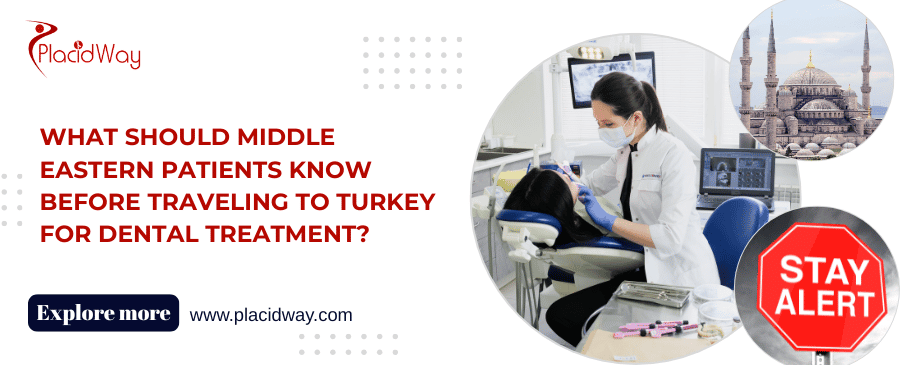
For residents of the Gulf Cooperation Council (GCC) and the wider Middle East, seeking healthcare abroad has become a common practice. Geographic proximity, direct flight routes, and cultural alignment have made specific destinations highly attractive for restorative and cosmetic dental procedures. If you are considering traveling abroad for oral health care, understanding the medical, logistical, and safety aspects is crucial for making an informed decision.
Key Takeaways
- Thoroughly verify clinic accreditations and dentist credentials before making any commitments.
- Plan for potential multiple trips if you are undergoing procedures requiring bone healing, such as traditional implants.
- Establish a relationship with a local dentist in your home country to handle ongoing maintenance and urgent aftercare.
- Be honest about your complete medical history, including common conditions like diabetes, which can significantly affect healing.
- Budget for additional expenses, including flights, accommodation, and extended stays in case recovery takes longer than anticipated.
Why is medical tourism in Turkey popular for Middle Eastern dental patients?
Traveling for healthcare can be stressful, but finding a destination that aligns with your cultural and religious needs can ease the process. Cities like Istanbul, Antalya, and Izmir offer environments where halal food is standard, prayer facilities are widely accessible, and Islamic cultural norms are understood and respected. For patients from Saudi Arabia, the UAE, Qatar, and neighboring nations, this familiarity provides significant peace of mind during medical recovery.
Furthermore, the logistics are highly favorable. Direct flights from major Middle Eastern hubs typically range from two to four hours. This relatively short travel time makes it easier to manage the multiple trips sometimes required for complex dental restorations without enduring exhausting, long-haul flights while experiencing post-operative discomfort.
What types of dental procedures do international patients typically seek?
Routine preventative care like cleanings or simple fillings is rarely the focus of medical travel due to the associated travel costs. Instead, patients look for comprehensive treatments where the difference in regional pricing makes the journey worthwhile. Common procedures include:
- Dental Implants: Including single-tooth replacements, implant-supported bridges, and full-arch solutions (often referred to as All-on-4 or All-on-6).
- Cosmetic Dentistry: Porcelain veneers, zirconia crowns, and smile design aesthetic improvements.
- Oral Surgery: Complex extractions, bone grafting, and sinus lifts necessary to prepare the jaw for future implants.
How much does dental treatment cost in Turkey compared to the GCC?
When evaluating expenses, it is vital to recognize that medical prices are never uniform. An estimated dental treatment cost in Turkey might appear significantly lower than private clinic quotes in Dubai, Riyadh, or Doha. However, a lower price does not automatically indicate inferior materials. Many clinics use the exact same globally recognized implant brands (such as Straumann or Nobel Biocare) that GCC dentists use, but the operational costs to run a clinic and pay staff are different.
Patients should request itemized treatment plans before traveling. A transparent quote should separately list the cost of the surgical procedure, the physical materials (the titanium post, abutment, and crown), x-rays, and medications. Always factor in the cost of flights, hotels, and potential return trips when calculating your true total investment.
How should you evaluate a safe dental treatment clinic in Turkey?
Finding a safe dental treatment clinic in Turkey requires diligent independent research. Do not rely exclusively on social media advertisements or heavily filtered before-and-after photos. Instead, look for objective indicators of quality and safety.
- Check for membership in recognized professional bodies, such as the Turkish Dental Association (TDB).
- Ask if the clinic holds international quality certifications, such as ISO 9001, or accreditations from organizations like the Joint Commission International (JCI).
- Inquire about the specific qualifications of the dentist performing your procedure. Complex oral surgery should ideally be performed by an oral surgeon or periodontist, not a general dentist.
- Verify that the clinic has a dedicated sterilization room that follows international cross-infection control guidelines.
What language and communication accommodations can Arab patients expect?
Clear communication is a fundamental requirement of patient safety and informed medical consent. You must be able to accurately explain your medical history, understand the proposed treatment plan, and comprehend post-operative instructions. Language barriers can lead to dangerous misunderstandings regarding medication dosages or allergy disclosures.
When researching clinics, ask how they handle translation. Relying on translation apps for complex medical discussions is unsafe. Reputable facilities that frequently treat international patients usually provide professional translation services as part of their care package, ensuring that you can ask detailed questions and fully understand the answers provided by your dentist.
How many trips are typically required for major dental work?
Understanding treatment timelines is vital for managing travel logistics and taking time off work. Dental procedures operate on biological healing timelines that cannot be safely rushed for the sake of travel convenience.
| Procedure Type | Typical Timeline | Number of Trips |
|---|---|---|
| Veneers or Crowns | 5 to 8 days | Usually 1 trip |
| Traditional Implants | Initial placement (3-5 days), followed by 3-6 months healing, then crown placement (5-7 days) | Typically 2 trips |
| Implants with Bone Grafting | Varies widely; grafting may require significant healing before implants can even be placed. | Often 2 to 3 trips |
While some clinics advertise "teeth in a day" or immediate-load implants, these protocols are only suitable for specific patients with excellent bone density. A qualified dentist will assess your individual anatomy to determine the safest timeline.
What are the medical risks and how can you minimize them?
Medical procedures are never entirely risk-free. Common complications from dental surgery can range from minor issues like prolonged swelling and discomfort to serious problems such as localized infections or the failure of an implant to fuse with the jawbone.
For Middle Eastern patients, disclosing systemic health issues is particularly important. Conditions prevalent in the GCC, such as Type 2 diabetes or cardiovascular diseases, can significantly impair wound healing, increase infection risks, and alter how your body responds to anesthesia. If your blood sugar is uncontrolled, a responsible dentist may delay elective surgery until your condition stabilizes. You must provide a comprehensive list of all medications you take to prevent adverse drug interactions.
How is dental aftercare managed once you return to the Middle East?
One of the most critical challenges of seeking healthcare abroad is managing the post-operative period once you return home. Dental restorations, even when placed perfectly, require ongoing professional maintenance. Furthermore, if you experience sudden pain, a loose crown, or signs of infection back in Riyadh, Dubai, or Muscat, returning abroad immediately may not be physically or financially feasible.
Before traveling, speak with a local dentist to ensure they are willing to take over your maintenance and provide emergency support if necessary. You must request comprehensive documentation from your treating clinic, including detailed treatment notes, details of the implant brands and sizes used, and copies of all pre- and post-operative x-rays to share with your local provider.
How do travel logistics and visas work for Middle Eastern citizens?
Depending on your specific passport, you may be eligible for an electronic visa (e-Visa) or visa-on-arrival, though regulations frequently change. Always consult the official government portal to confirm the entry requirements for medical travel well before your departure date.
When booking flights, factor in adequate recovery time. Flying too soon after complex oral surgeries, especially those involving the upper jaw or sinus lifts, can be dangerous. The changes in cabin air pressure can cause severe discomfort, exacerbate swelling, or disrupt healing surgical sites. Always ask your treating dentist for specific medical clearance regarding when it is safe for you to fly.
Why Choose PlacidWay for Medical Tourism Research?
Navigating international healthcare options can be overwhelming. PlacidWay offers resources designed to support patients as they research their medical travel options:
- Global Facility Directory: Provides access to a wide-ranging directory of international healthcare facilities and dental clinics.
- Educational Resources: Offers informational guides to help patients understand different procedures and compare international destinations.
- International Connections: Helps connect individuals with clinics that have experience managing the specific needs of international medical travelers.
- Streamlined Research: Centralizes information requests, allowing patients to gather initial details from multiple providers more efficiently.
- Destination Insights: Educates users on the cultural, logistical, and general medical environments of various medical tourism hubs.
Frequently Asked Questions
Can I travel to Turkey for dental care during Ramadan?
Yes, you can travel during Ramadan. Many clinics in Turkey operate normally, and the country is culturally accommodating. However, you should discuss fasting with your dentist, as taking prescribed post-treatment medications or undergoing long procedures may require breaking your fast for medical reasons.
Are dental clinics in Turkey regulated by the government?
Yes, dental clinics are regulated by the Turkish Ministry of Health. Facilities treating international patients must hold a specific health tourism authorization certificate, which mandates regular inspections regarding hygiene, equipment standards, and staff credentials.
Is it safe to fly immediately after dental implant surgery?
Flying immediately is usually not recommended. Cabin pressure changes can cause discomfort, swelling, or sinus issues, especially if you had a sinus lift. Most dentists advise waiting at least 48 to 72 hours after major oral surgery before boarding a flight back to the Middle East.
What happens if I experience a complication after returning home?
If complications arise after you return, you will need to see a local dentist in your home country for immediate care. This highlights the importance of keeping detailed medical records and establishing a relationship with a local provider before you travel.
Can my family accompany me during my dental trip?
Absolutely. Many Middle Eastern patients travel with family members. Turkey offers a wide range of family-friendly accommodations, cultural sites, and halal dining options, making it a comfortable destination for accompanying relatives.
Will I receive a detailed cost breakdown before traveling?
Reputable clinics typically provide a preliminary treatment plan and estimated cost breakdown based on your dental x-rays and consultation. However, keep in mind that this is an estimate; the final cost may change once the dentist performs an in-person clinical examination.
How are dental records transferred between countries?
Dental records, including panoramic x-rays, 3D scans, and treatment notes, are usually shared digitally via secure email or patient portals. You should always request physical or digital copies of all your records before leaving Turkey.
What type of anesthesia is typically used for dental tourists?
Local anesthesia is standard for most procedures. For patients with severe dental anxiety or those undergoing extensive surgeries like full-mouth restorations, conscious sedation or general anesthesia may be available, though this requires specialized medical clearance and an anesthesiologist on site.
Can I combine my dental treatment with a vacation?
While many patients enjoy sightseeing, your primary focus should be on recovery. Strenuous activities, swimming, or long tours should be avoided immediately after oral surgery to minimize the risk of bleeding or infection.
How soon can I eat normally after major restorative dental work?
Dietary restrictions depend on the procedure. After implant placement, you may be restricted to soft foods for several weeks or months while the bone heals. Following your dentist's specific dietary guidelines is crucial for preventing damage to new restorations.
Explore Your International Dental Care Options
Gather information, compare reputable facilities, and request details to help you plan your potential healthcare journey.
Request Treatment InformationReferences
- Medical Tourism – Centers for Disease Control and Prevention (CDC)
- Oral Health Fact Sheet – World Health Organization (WHO)
- Quality in Dentistry and Patient Safety – FDI World Dental Federation
- Standards for International Healthcare Quality – International Society for Quality in Health Care (ISQua)
- Dental Tourism Considerations – American Dental Association (ADA)
- Dental Implant Surgery Risks and Preparation – Mayo Clinic
- Health Tourism Legislation and Facility Standards – Turkish Ministry of Health


















Share this listing