
Affordable Dentures in Turkey: What Will You Pay?

Replacing missing teeth is an important step for many people looking to restore their smile, improve their ability to chew, and speak more clearly. If you are exploring options for dental care abroad, you might be considering getting dentures in Turkey. The country has become a frequent destination for patients seeking various dental treatments, primarily due to the potential differences in pricing compared to North America or Western Europe.
Before deciding to travel, it is essential to understand the treatment process, potential expenses, and what to expect from the experience. This guide will provide detailed insights to help you make an informed decision alongside your local healthcare provider.
Key Takeaways
- A conventional full set of dentures typically ranges from $400 to $1,200 in Turkey, though complex cases can cost more.
- The total expense depends heavily on materials, extractions needed, and the specific clinic you choose.
- Patients usually need to stay in the country for 7 to 14 days to allow time for impressions, wax try-ins, and final fittings.
- It is vital to plan for ongoing maintenance, as dentures will require local adjustments and relining over time.
- Always consult with a local dentist first to confirm whether removable dentures are the most appropriate treatment for your oral health.
What factors affect the dentures cost in Turkey?
When evaluating estimates for dental care, you will quickly notice that there is rarely a single, fixed price. The material used for the prosthetic teeth and the gum-colored base plays a significant role. For instance, standard acrylic is generally more affordable, while high-end composite or porcelain teeth designed for a more natural appearance often increase the total expense.
Another major factor is your current oral health. If you still have failing teeth that need to be extracted before the dentures can be fitted, the cost of those extractions will be added to your treatment plan. Additionally, if you require treatment for gum disease or an infection prior to receiving prosthetics, your overall costs will naturally be higher than someone who only needs the fitting and the appliance itself.
Finally, pricing can vary depending on where you travel. Facilities located in major city centers or popular tourist areas might have different fee structures than those in smaller towns. When comparing your options, be sure to ask for an itemized estimate so you know exactly what is included in the quoted price.
What types of dentures are available for international patients in Turkey?
Dental facilities that cater to international patients generally offer the same variety of prosthetic options you would find in your home country. Understanding the differences between these types can help you discuss your goals more effectively with a dental professional.
- Full Conventional Dentures: These are used when all teeth in an arch (upper, lower, or both) are missing. They rest on the gums and rely on suction or dental adhesive to stay in place.
- Partial Dentures: If you still have some healthy natural teeth remaining, a partial denture can fill in the gaps. It usually consists of replacement teeth attached to a pink base, held in place by metal or flexible clasps that grip your natural teeth.
- Immediate Dentures: These are placed on the same day that your remaining teeth are extracted. While they allow you to avoid being without teeth during the healing process, they will require significant adjustments and relining as your gums shrink over the following months.
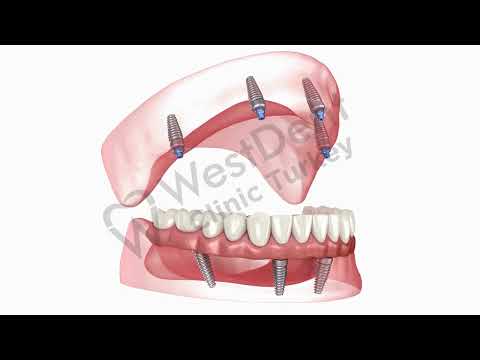
- Implant-Supported Dentures: While much more expensive than traditional removable options, these snap onto dental implants placed in the jawbone for added stability. (Note: This procedure requires a different timeline and assessment process).
| Treatment Type | Estimated Cost Range (USD)* |
|---|---|
| Full Set Conventional Dentures (Upper & Lower) | $400 - $1,200 |
| Single Arch (Upper OR Lower) | $200 - $600 |
| Partial Dentures | $300 - $800 |
*Note: These are estimates. Actual prices depend on individual patient needs, materials, and specific clinic policies.
How long do I need to stay in Turkey for denture fitting?
Getting a proper, custom-fitted appliance is not a single-day procedure. Even if a clinic has an in-house laboratory, the process requires several steps to ensure the final product fits comfortably and functions correctly. Rushing this process can lead to poorly fitting dentures that cause pain or difficulty eating.
During your first visit, the dentist will examine your mouth, take X-rays, and create initial molds or digital impressions. A few days later, you will typically return for a "wax try-in." This involves testing a mockup of your dentures to check the bite, alignment, and appearance before the final appliance is fabricated.
Once the final denture is ready, you will have a fitting appointment. It is highly recommended to stay in the country for at least a few days after receiving the final appliance. This allows the dentist to identify and adjust any initial pressure points or sore spots that often develop during the first few days of wear.
What materials do Turkish dental clinics use for dentures?
The materials chosen for your appliance will directly impact its durability, weight, and appearance. Most conventional denture bases are made from a flesh-colored acrylic resin designed to match the natural hue of your gums. In some cases, partial dentures utilize a metal framework for added strength, though flexible, metal-free options (like Valplast) are also commonly available.
For the teeth themselves, modern hard acrylic is the most frequently used material. Acrylic teeth are lighter than other options and bond securely to the acrylic base. They are also easier to adjust if your bite needs fine-tuning. Some patients prefer porcelain teeth because they resist wear and staining better than acrylic, and they closely mimic the light-reflecting qualities of natural enamel.
However, porcelain teeth can be heavier and may put more pressure on the underlying gums and jawbone. They are also more prone to chipping if accidentally dropped during cleaning. A dentist can help you weigh the pros and cons of each material based on your chewing habits and overall oral anatomy.
Am I a suitable candidate to travel to Turkey for dentures?
While many people successfully travel for dental care, it is not the right choice for everyone. Before making any plans, it is highly advisable to schedule a consultation with a dentist in your home country. They can provide an objective assessment of your oral health and confirm whether you actually need full extractions or if alternative treatments could save your natural teeth.
If you do need dentures, you must consider whether you are healthy enough for travel. Long flights can be taxing, and the stress of navigating a foreign country while undergoing medical treatment should not be underestimated. Patients with complex medical histories, uncontrolled diabetes, or compromised immune systems may face higher risks of infection and delayed healing if extractions are required.
Additionally, successful denture wear relies on having sufficient gum tissue and a healthy jawbone ridge for the appliance to rest upon. If you have experienced severe bone loss over time, a conventional removable denture may struggle to stay in place, regardless of where it is made.
What are the risks of getting dentures while abroad?
Getting new teeth involves a significant adjustment period. It is entirely normal to experience sore spots, increased saliva production, and difficulty speaking or eating for the first few weeks. The most notable risk of traveling for this procedure is that once you return home, your treating dentist is thousands of miles away. If persistent pain or poor fit issues arise, you cannot easily drop into the clinic for a quick adjustment.
Furthermore, if you require tooth extractions during your trip, you face standard surgical risks such as infection, dry socket, or prolonged bleeding. Managing these complications in a hotel room or shortly after boarding a long flight can be stressful and potentially dangerous.
Language and communication barriers can also pose a risk. While many facilities treating international patients have staff who speak English, misunderstandings regarding your expectations, medical history, or post-care instructions can still occur. Clear communication is vital for achieving an outcome you are happy with.
How do I handle denture adjustments after leaving Turkey?
Because your jawbone and gums slowly shrink and change shape over time, no denture will fit perfectly forever. This biological change means that regular maintenance is a required part of wearing prosthetics. You cannot rely solely on the clinic abroad for the lifespan of your appliance.
Before you travel, it is wise to locate a local dentist who agrees to take over your care once you return. Some local providers may be hesitant to adjust dental work performed in another country due to liability concerns or unfamiliarity with the materials used. Securing this local support ahead of time ensures you have a safety net if complications develop.
Typically, you will need what is known as a "reline" every one to two years. Relining involves adding new material to the underside of the denture base so it conforms to the current shape of your gums, restoring a secure fit. You must factor the ongoing costs of local adjustments and relines into your overall budget.
What should I look for when choosing a dentures clinic in Turkey?
The success of your treatment depends heavily on the skill of the professional providing it. When evaluating potential clinics, look for those that are forthcoming about their dentists' educational backgrounds and professional affiliations. Dentists who specialize in the restoration and replacement of teeth are often called prosthodontists.
Ask specific questions during your initial inquiry. How many appointments will the process take? What type of materials do they use for the acrylic and the teeth? Do they have an on-site laboratory, or do they send impressions to an external facility? An on-site lab can sometimes speed up the process and make minor adjustments easier to facilitate.
Avoid making decisions based solely on the lowest price. Unusually low quotes can sometimes indicate a reliance on lower-quality materials or rushed treatment timelines. Look for clear, written estimates that outline every step of the process, ensuring there are no misunderstandings about what is covered.
How does medical tourism in Turkey work for dental patients?
The process typically begins with an online inquiry. You may be asked to provide recent dental X-rays, photographs of your mouth, and a brief medical history. The clinic's team will review this information and offer a preliminary treatment plan and cost estimate. Keep in mind that this is only an estimate; a final plan can only be confirmed after an in-person examination.
Once you agree to a tentative plan, you will schedule your travel. Many facilities have international patient coordinators who help explain what you need to bring and how to prepare. While some individuals treat the trip as a vacation, remember that your primary reason for travel is a medical procedure. You should prioritize rest, adhere to any dietary restrictions required by your treatment, and attend all scheduled clinical appointments.
After your final fitting, the clinic will usually provide you with instructions on how to clean and care for your new appliance. Upon returning home, the responsibility for keeping your mouth healthy and maintaining the dentures shifts back to you and your local healthcare provider.
Why Choose PlacidWay for Medical Tourism in Turkey?
PlacidWay is an informational platform designed to help patients explore healthcare options globally. When researching dental care abroad, using an established directory can provide structure to your search.
- Extensive Directory: PlacidWay lists numerous medical and dental facilities around the world, allowing you to browse options in one place.
- Informational Resources: The platform offers articles and guides to help educate patients on international healthcare processes.
- Direct Connections: Patients can use the platform to send inquiries directly to the facilities they are interested in.
- Provider Profiles: Many listings include details about a clinic's focus areas, available languages, and general facility information.
- Treatment Comparisons: You can request information from multiple centers to compare estimated pricing and tentative treatment plans.
Frequently Asked Questions
Can I get a partial denture instead of a full set in Turkey?
Yes, if you only have a few missing teeth, a dentist can evaluate your mouth to determine if a partial denture is appropriate. Partial dentures are widely available and typically cost less than a full set.
Does the estimated price usually include tooth extractions?
In most cases, tooth extractions are charged separately from the denture itself. You should ask your chosen clinic for an itemized treatment plan to understand what is included in your estimate.
How long do traditional dentures usually last?
With proper care, traditional dentures can last between five and ten years. However, your jawbone naturally changes shape over time, meaning you will likely need adjustments, relining, or eventual replacement.
Is it painful to get fitted for new dentures?
The fitting process itself involves taking impressions and is generally not painful. However, if you require extractions beforehand, you will experience a normal healing period that may involve some discomfort.
Can I travel back home immediately after receiving my dentures?
While you can technically travel, dentists usually recommend staying a few extra days after your final fitting. This allows them to make any necessary minor adjustments to relieve initial sore spots before you fly home.
Do I need bone grafting for traditional removable dentures?
Bone grafting is typically not required for standard removable dentures. It is usually only considered if you are planning to get implant-supported dentures and lack sufficient jawbone density to support the posts.
How soon can I eat normally after getting new dentures?
It often takes several weeks to get used to eating with new dentures. You will need to start with soft foods cut into small pieces and gradually introduce harder foods as your cheek and tongue muscles adapt.
Will my dentures look like natural teeth?
Modern dental materials can closely mimic the appearance of natural teeth and gums. During your consultation, you can often discuss the shade, shape, and size of the teeth to ensure a look that suits your face.
What happens if my denture breaks after I return home?
If a denture breaks, you should see a local dentist for repairs rather than attempting to fix it yourself. Many standard acrylic dentures can be repaired by a local dental laboratory without needing to return to the original clinic.
Are there age restrictions for traveling to get dentures?
There is no strict upper age limit for getting dentures, provided you are in good enough general health to travel safely and undergo basic dental procedures. A medical evaluation is recommended before planning your trip.
Compare Treatment Options
Gather information and explore facility profiles to help you make an educated decision about your dental care.
Request Treatment InformationReferences
- Dentures - American Dental Association (MouthHealthy)
- Dentures Information - MedlinePlus (National Library of Medicine)
- Dentures: Types, Procedure & Care - Cleveland Clinic
- Dentures (False Teeth) - National Health Service (NHS UK)
- Tooth Decay & Oral Health - National Institute of Dental and Craniofacial Research
- Oral Health Conditions - Centers for Disease Control and Prevention (CDC)





















Share this listing