
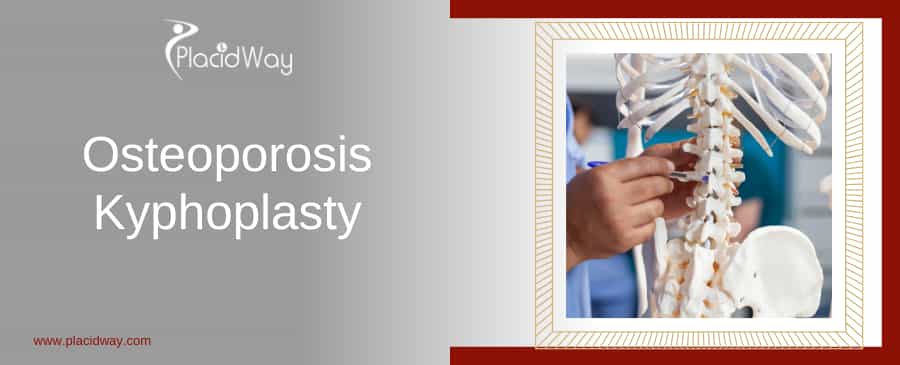
Finding Relief: Osteoporosis Kyphoplasty for Spinal Fractures
Living with the debilitating back pain caused by osteoporosis-related spinal compression fractures can profoundly impact your daily life, making simple tasks feel impossible. Many experience sudden, sharp back pain, a noticeable loss of height, and a stooped posture – a condition often referred to as kyphosis. These fractures occur when weakened bones in the spine, primarily due to osteoporosis, can no longer support the body's weight, leading to a collapse of the vertebral body.
When conservative treatments like rest, pain medication, and physical therapy fail to provide lasting relief, a procedure called osteoporosis kyphoplasty offers a beacon of hope. This advanced, minimally invasive surgical technique aims to stabilize the fractured vertebra, significantly reduce pain, and often restore some lost vertebral height, helping to correct the stooped posture.
For individuals seeking high-quality, affordable solutions, exploring osteoporosis kyphoplasty abroad through medical tourism has become a popular and effective option. This guide will walk you through everything you need to know about kyphoplasty, from understanding its causes and symptoms to navigating the recovery process and comparing costs worldwide, empowering you to make informed decisions about your spinal health journey.
What are the common symptoms of osteoporosis spinal fractures?
Recognizing the signs of a vertebral compression fracture is crucial for timely diagnosis and treatment. Often, these fractures can occur without a significant fall or injury, sometimes even from everyday movements like bending or lifting. Patients frequently search for "signs of a broken back from osteoporosis" or "how to tell if I have a spinal fracture."
- Sudden, Severe Back Pain: This is the most common and often the first symptom. The pain can be localized to the fracture site, radiating to the front of the body or down the legs. It typically worsens with standing or walking and may lessen when lying down.
- Increased Pain with Movement: Twisting, bending, lifting, or coughing can intensify the discomfort.
- Loss of Height: As vertebrae collapse, individuals may notice they are getting shorter, sometimes losing several inches over time. This is a tell-tale sign of multiple compression fractures.
- Progressive Kyphosis (Stooped Posture): Also known as a "dowager's hump," this is a forward curvature of the spine that develops as fractured vertebrae heal in a wedge shape. This can lead to balance issues and difficulty breathing.
- Reduced Mobility and Activity: Fear of pain or actual pain can limit daily activities, leading to a more sedentary lifestyle.
- Neurological Symptoms (Less Common): In rare cases, severe collapse can put pressure on spinal nerves, leading to numbness, tingling, weakness, or problems with bladder/bowel function. This requires immediate medical attention.
What causes osteoporosis and vertebral compression fractures?
Understanding the root causes helps in prevention and targeted treatment. Many people search for "why do bones break easily with osteoporosis" or "what causes spinal fractures in elderly."
- Osteoporosis: This is the most significant risk factor. Osteoporosis causes bones to become porous and brittle, losing density and strength. It's often called a "silent disease" because it progresses without symptoms until a fracture occurs.
- Age: Bone density naturally decreases with age, increasing the risk of osteoporosis and fractures, especially after 50.
- Gender: Post-menopausal women are at a significantly higher risk due to the sharp decline in estrogen, which plays a crucial role in maintaining bone density.
- Genetics: A family history of osteoporosis or fractures can increase your risk.
- Nutritional Deficiencies: Inadequate intake of calcium and Vitamin D can impair bone formation and strength.
- Lifestyle Factors: Smoking, excessive alcohol consumption, and a sedentary lifestyle contribute to bone loss.
- Medical Conditions: Certain conditions like hyperthyroidism, celiac disease, inflammatory bowel disease, kidney disease, and some cancers can affect bone health.
- Medications: Long-term use of corticosteroids, some anti-seizure medications, and certain cancer treatments can weaken bones.
- Previous Fractures: Having one vertebral compression fracture significantly increases the risk of subsequent fractures.
What types of treatments are available for spinal compression fractures?
Patients often compare options, searching for "kyphoplasty vs vertebroplasty" or "non-surgical treatment for spinal fracture."
Conservative Treatments:
- Rest and Activity Modification: Limiting strenuous activities to allow the fracture to heal.
- Pain Management: Over-the-counter pain relievers (NSAIDs) or prescription medications (opioids for severe pain, muscle relaxants).
- Physical Therapy: Once acute pain subsides, exercises to strengthen core muscles and improve posture.
- Bracing: Spinal braces can provide support and limit movement, but prolonged use can weaken back muscles.
- Osteoporosis Medication: Drugs to increase bone density and reduce future fracture risk.
Minimally Invasive Procedures:
- Vertebroplasty: Involves injecting bone cement (polymethyl methacrylate - PMMA) directly into the fractured vertebra to stabilize it and relieve pain. It's often quicker but doesn't typically restore lost height.
- Kyphoplasty (Balloon Kyphoplasty): This procedure is similar to vertebroplasty but includes an extra step. A balloon is first inserted into the fractured vertebra and inflated to create a cavity and help restore some of the vertebral height. The balloon is then deflated and removed, and the bone cement is injected into the created cavity. This technique can offer better height restoration and correction of spinal deformity than vertebroplasty. Many patients specifically look for "balloon kyphoplasty procedure details."
Kyphoplasty is generally preferred when height restoration and kyphosis correction are desired, or when the fracture has led to significant vertebral collapse.
Am I eligible for osteoporosis kyphoplasty?
Patients often ask, "who is a candidate for kyphoplasty?" or "when is kyphoplasty recommended?"
You may be a candidate for kyphoplasty if you meet several of the following criteria:
- Painful Spinal Compression Fracture: You have a confirmed vertebral compression fracture causing severe or persistent pain that limits your daily activities.
- Recent Fracture: The fracture is generally acute (less than 2-3 months old), as older, healed fractures may not benefit as much from the procedure.
- Osteoporosis Diagnosis: The fracture is primarily due to osteoporosis or other conditions causing weakened bones (e.g., metastatic tumor).
- Failure of Conservative Treatment: Your pain has not significantly improved with rest, pain medication, or physical therapy over several weeks.
- Imaging Confirmation: X-rays, MRI, or CT scans clearly show a vertebral compression fracture suitable for the procedure.
- Good General Health: You are in reasonable health to tolerate a minimally invasive procedure and anesthesia.
- No Active Infection: You do not have an active infection, especially in the spine.
- No Neurological Compromise: Kyphoplasty is primarily for pain relief and stabilization, not for severe nerve compression.
- Stable Bone Structure: The vertebral body is structurally sound enough to support the balloon and cement.
Your doctor will conduct a thorough evaluation to determine if kyphoplasty is the right treatment for your specific situation.
What is the recovery time and what can I expect after kyphoplasty?
Concerns about "kyphoplasty recovery time" and "what to expect after kyphoplasty" are very common.
- Immediate Post-Procedure:
- You'll typically stay for observation for a few hours or overnight.
- Many patients report immediate and significant pain relief at the fracture site.
- Mild soreness at the injection site is common.
- First Few Days:
- You'll be encouraged to walk and gradually increase your activity level.
- Avoid heavy lifting, strenuous activities, and twisting motions.
- Pain medication may be prescribed for any residual discomfort.
- Weeks 1-2:
- Most patients can return to light daily activities, such as walking, light housework, and driving, as tolerated.
- Continue to avoid heavy lifting or bending.
- Weeks 4-6 and Beyond:
- Most normal activities can be resumed, often with improved mobility and reduced pain.
- Physical therapy may be recommended to strengthen core muscles and improve posture, especially if you had significant kyphosis.
- Your doctor will also recommend ongoing treatment for osteoporosis to prevent future fractures.
Full recovery and maximal pain relief can take several weeks as the body adjusts and any residual inflammation subsides. It's important to follow your surgeon's specific post-operative instructions.
What are the potential risks and side effects of kyphoplasty?
Patients often search for "is kyphoplasty safe?" or "kyphoplasty complications."
Kyphoplasty is a low-risk procedure, but like any medical intervention, it's not without potential complications:
- Cement Leakage: The most common risk, where bone cement leaks outside the vertebral body. This is usually asymptomatic but can sometimes cause nerve compression or other issues.
- Infection: Any surgical procedure carries a risk of infection, though this is rare in minimally invasive kyphoplasty.
- Nerve Damage: Injury to spinal nerves or the spinal cord, potentially leading to pain, numbness, tingling, or weakness. This is also very rare.
- Increased Back Pain: Although rare, some patients may experience worsening back pain.
- New Fractures: There's a slight risk of new compression fractures in adjacent vertebrae, potentially due to altered stress distribution on the spine.
- Allergic Reaction: To anesthesia or materials used.
- Bleeding or Hematoma: At the injection site.
- Pulmonary Embolism: If cement leaks into the bloodstream and travels to the lungs (extremely rare but serious).
Your surgeon will discuss these risks with you and take precautions to minimize them.
How much does osteoporosis kyphoplasty cost worldwide?
For many, "kyphoplasty cost" is a major search query, especially when considering options abroad. The price of kyphoplasty can differ dramatically depending on the country, the clinic, the surgeon's fees, anesthesia costs, hospital stay, and whether multiple vertebrae are treated. Here's a general cost comparison (USD, approximate ranges):
| Country | Estimated Cost (USD) | Notes |
|---|---|---|
| United States | $15,000 - $25,000+ | Higher costs, often covered by insurance. |
| Canada | $12,000 - $20,000 | Public healthcare covers residents, but private/out-of-country is costly. |
| Mexico | $6,000 - $10,000 | Popular for US patients seeking affordability and proximity. |
| Turkey | $5,000 - $8,000 | High-quality facilities, competitive prices, European standards. |
| India | $4,500 - $7,500 | Very cost-effective, world-renowned surgeons, advanced hospitals. |
| Thailand | $5,500 - $9,000 | Excellent medical tourism infrastructure, attractive packages. |
| Germany | $10,000 - $18,000 | High standards, but generally more expensive than Asian options. |
These figures are estimates and can vary based on specific clinic packages, surgeon experience, and inclusion of post-operative care or rehabilitation.
Why should I consider osteoporosis kyphoplasty abroad?
Many patients ask, "why travel for back surgery?" or "benefits of medical tourism for spinal care."
- Cost Savings: The most compelling reason for many. Procedures can be significantly cheaper (50-80% less) in popular medical tourism destinations compared to Western countries.
- Access to Advanced Care: Many international hospitals boast state-of-the-art technology and highly skilled, internationally trained surgeons.
- Reduced Waiting Times: In countries with public healthcare systems, waiting lists for procedures can be long. Traveling abroad often means immediate access to treatment.
- Comprehensive Packages: Many clinics offer all-inclusive packages that cover the procedure, hospital stay, local transportation, and sometimes even accommodation for a companion.
- Privacy and Anonymity: Some individuals prefer to receive medical treatment away from their home country for personal reasons.
- Combine Treatment with Travel: The opportunity to recover in a pleasant environment or explore a new culture.
Which countries offer the best value for kyphoplasty medical tourism?
When searching for "best kyphoplasty abroad" or "affordable spinal fracture treatment overseas," certain countries consistently emerge as leaders in medical tourism for spinal procedures:
- Mexico: Especially popular for North American patients due to its proximity. Offers excellent hospitals in cities like Tijuana and Cancun, with experienced bariatric surgeons and competitive pricing.
- Turkey: A rising star in medical tourism, offering modern hospitals with JCI accreditation, highly qualified doctors, and attractive price points, particularly in Istanbul and Ankara.
- India: Known for its vast network of JCI and NABH accredited hospitals, world-renowned surgeons, and extremely cost-effective treatment options, especially in cities like Delhi, Mumbai, and Bangalore.
- Thailand: A long-established medical tourism hub, famed for its luxurious hospitals, English-speaking staff, and holistic approach to patient care, primarily in Bangkok and Phuket.
- Malaysia: Offers a balance of affordability and quality, with strong government support for medical tourism and reputable hospitals.
These countries have robust medical tourism infrastructures, often providing dedicated international patient services.
What can I expect when traveling for kyphoplasty abroad?
Thinking about "how to prepare for surgery overseas" or "international patient services for back pain" is natural.
- Initial Consultation & Planning: You'll typically start by contacting a medical tourism facilitator like PlacidWay. They will help you gather your medical records, get quotes from multiple international clinics, and connect you with specialists for virtual consultations.
- Travel Arrangements: Once you choose a clinic, the facilitator will help with flights, accommodation, and local transportation. Many clinics offer airport pick-up.
- Arrival and Pre-operative Appointments: Upon arrival, you'll have in-person consultations with the surgeon, undergo further diagnostic tests (X-rays, MRI, blood tests) to confirm your eligibility and plan the procedure.
- The Procedure: Kyphoplasty is usually performed under local anesthesia with sedation or general anesthesia. It's often an outpatient procedure or requires a short overnight stay.
- Hospital Stay & Immediate Recovery: You'll recover in the hospital for a few hours to one day. Pain relief is often immediate.
- Post-operative Care & Local Recovery: You'll typically stay in the country for a few days to a week for follow-up appointments and initial recovery before flying home. Light activities are encouraged, but travel should be managed carefully.
- Return Home: Your chosen clinic will provide discharge instructions and potentially coordinate with your local doctor for continued care.
A good medical tourism company streamlines this entire process, ensuring a smooth and stress-free experience.
How can I ensure safety and quality when getting kyphoplasty overseas?
Questions like "is international surgery safe?" or "how to choose a good hospital abroad for kyphoplasty" are paramount.
- Choose JCI-Accredited Hospitals: Joint Commission International (JCI) accreditation is a gold standard, indicating that a hospital meets rigorous international quality and patient safety standards.
- Verify Surgeon Credentials: Research the surgeon's qualifications, experience with kyphoplasty, board certifications, and affiliations with international professional organizations.
- Read Patient Reviews and Testimonials: Look for feedback from previous international patients about the clinic, surgeon, and overall experience.
- Ask for Success Rates and Complication Rates: Reputable clinics should be transparent about their outcomes for kyphoplasty.
- Communicate Clearly: Ensure there are clear communication channels, ideally with English-speaking staff or readily available translators.
- Understand the Full Cost: Get a detailed breakdown of all costs to avoid hidden fees.
- Use a Reputable Medical Tourism Facilitator: Companies like PlacidWay pre-vet clinics, assist with communication, logistics, and provide a layer of support and advocacy, significantly reducing risks.
- Check for Post-operative Care Plan: Understand what follow-up care is provided by the overseas clinic and how it will coordinate with your local doctor.
What are some patient success stories for kyphoplasty medical tourism?
Patients are often inspired by "kyphoplasty success stories" or "medical tourism reviews for spinal procedures."
While individual results vary, numerous patients have found profound relief and renewed independence through osteoporosis kyphoplasty as a medical tourism option. Imagine Jane, a 68-year-old from the UK, who suffered from severe back pain and a developing hump, limiting her ability to care for her grandchildren. Facing a long wait and high costs at home, she chose a JCI-accredited hospital in Turkey through PlacidWay.
Within a week of her kyphoplasty, Jane reported a dramatic decrease in pain, allowing her to walk upright and enjoy sightseeing during her recovery. She praised the attentive, English-speaking medical team and the modern facilities, highlighting the excellent value for money. She returned home not only pain-free but also with a more confident posture and renewed zest for life. These stories underscore the potential for medical tourism to offer accessible, high-quality solutions for conditions like osteoporosis spinal fractures, transforming lives globally.
Take the Next Step with PlacidWay
Ready to explore treatment options abroad? Discover top clinics, compare prices, and get a free quote tailored to your needs with PlacidWay.
Affordable Spine Surgery | Best Spine Surgery Abroad




.png)

.jpg)




















Share this listing