
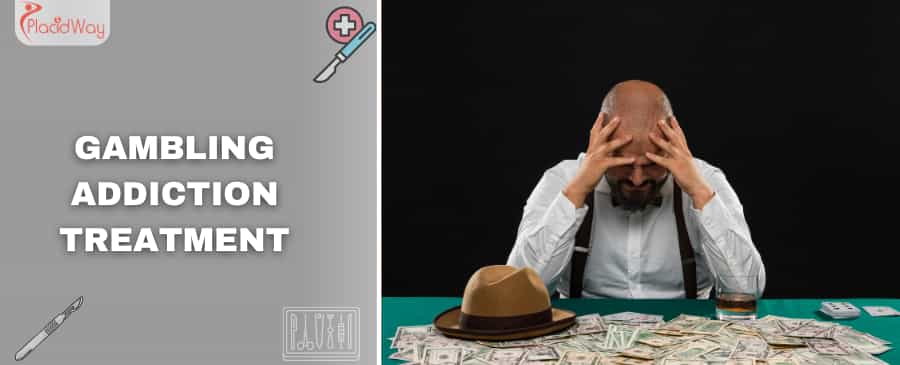
Reclaiming Your Life: Comprehensive Gambling Addiction Treatment
The allure of a win, the thrill of the game—for many, gambling is a harmless pastime. But for millions worldwide, it transforms into a relentless struggle, a compulsive force that devastates finances, relationships, and mental well-being. If you or someone you love is grappling with the grip of gambling addiction, know that you are not alone, and recovery is possible.
Gambling addiction, also known as compulsive gambling or gambling disorder, is a serious behavioral addiction characterized by an uncontrollable urge to gamble despite severe negative consequences. It's not just a financial problem; it's a mental health condition that requires professional intervention. The good news? Effective treatments exist, offering a path to healing and a life free from the cycle of chasing losses.
Exploring treatment options can feel overwhelming, especially when considering programs abroad. However, medical tourism for gambling addiction treatment has emerged as a vital pathway for many seeking specialized, discreet, or more accessible care. Patients often search for "how to stop gambling," "compulsive gambling help," or "gambling addiction rehab overseas" when they realize the depth of their struggle. This comprehensive guide aims to shed light on what gambling addiction treatment entails, from understanding its symptoms and causes to navigating international treatment options, empowering you to make an informed decision on your journey to recovery.
What are the key signs and symptoms of gambling addiction?
Recognizing the signs of problem gambling is the crucial first step towards seeking help. Many individuals struggling with this addiction become skilled at hiding their behavior, making it difficult for loved ones to identify. Common symptoms, often searched as "signs of gambling addiction" or "compulsive gambler symptoms," include:
- Preoccupation with Gambling: Constantly thinking about past gambling experiences, planning future ventures, or finding ways to get money to gamble.
- Need to Bet More: Increasing amounts of money wagered to achieve the desired excitement, similar to drug tolerance.
- Failed Attempts to Stop: Repeated unsuccessful efforts to control, cut back, or stop gambling.
- Restlessness or Irritability: Feeling agitated when trying to cut down or stop gambling.
- Escapism: Gambling to escape from problems or relieve feelings of helplessness, guilt, anxiety, or depression.
- Chasing Losses: After losing money, returning to gamble more to try and win back losses.
- Deception: Lying to family members, therapists, or others to conceal the extent of gambling involvement.
- Jeopardizing Relationships/Work: Risking or losing significant relationships, jobs, or educational/career opportunities because of gambling.
- Reliance on Others for Money: Relying on others to provide money to relieve desperate financial situations caused by gambling.
- Secrecy and Isolation: Hiding gambling activities, leading to social withdrawal and isolation.
If these symptoms resonate with your experience or that of a loved one, it's a strong indication that professional help is needed.
What causes gambling addiction and who is most at risk?
The development of a gambling addiction is rarely due to a single factor. Instead, it's typically a complex interplay of genetic, biological, psychological, and environmental influences. People often search for "what causes gambling addiction" or "risk factors for gambling disorder" to understand this complexity.
- Biological Factors: Brain chemistry can play a role. Some studies suggest that pathological gamblers have lower levels of norepinephrine, a neurotransmitter associated with excitement, and may have altered dopamine pathways, similar to substance addictions.
- Psychological Factors:
- Co-occurring Mental Health Conditions: Many individuals with gambling addiction also struggle with depression, anxiety, ADHD, bipolar disorder, or personality disorders. Gambling can be used as a maladaptive coping mechanism.
- Impulsivity: Individuals prone to impulsive behavior may be more susceptible.
- Cognitive Distortions: Believing in "beginner's luck," "lucky streaks," or falsely thinking they can predict outcomes can fuel the addiction.
- Stress and Trauma: Gambling can be a way to escape from stress, trauma, or emotional pain.
- Environmental Factors:
- Easy Access: Proximity to casinos, sports betting, or online gambling platforms increases exposure and opportunity.
- Social Influence: Growing up in an environment where gambling is normalized or having friends who gamble excessively.
- Family History: A family history of gambling addiction or other addictive behaviors can increase an individual's risk.
- Early Exposure: Beginning gambling at a younger age.
Understanding these underlying causes is vital for effective treatment, as therapy often addresses these contributing factors.
What are the effective treatment options for problem gambling?
Just like other addictions, gambling disorder is highly treatable. The goal of treatment is to help individuals regain control, stop gambling, and develop healthier coping mechanisms. Common treatment options, often researched as "therapy for gambling addiction" or "inpatient gambling rehab," include:
- Cognitive Behavioral Therapy (CBT): This is one of the most effective treatments. CBT helps individuals identify and challenge irrational thoughts and beliefs about gambling, such as the illusion of control or superstitions. It also teaches coping skills to resist urges and manage triggers.
- Motivational Interviewing: A counseling approach designed to help individuals explore and resolve ambivalence about behavior change, increasing their motivation to stop gambling.
- Group Therapy and Support Groups: Programs like Gamblers Anonymous (GA), modeled after Alcoholics Anonymous, provide a supportive environment where individuals can share experiences, receive encouragement, and learn from others in recovery.
- Family Therapy: Gambling addiction often impacts the entire family. Family therapy helps heal relationships, improve communication, and educate family members on how to support their loved one's recovery while also addressing their own needs.
- Medication: While there are no medications specifically approved for gambling addiction, certain drugs may help with underlying conditions or symptoms associated with problem gambling:
- Antidepressants: Can help with depression and anxiety often co-occurring with gambling addiction.
- Mood Stabilizers: May be helpful for those with co-occurring bipolar disorder.
- Opioid Antagonists: Naltrexone, typically used for alcohol and opioid addiction, has shown some promise in reducing gambling urges in certain individuals.
- Inpatient Rehabilitation: For severe cases, inpatient rehab provides an intensive, structured environment away from gambling triggers, offering round-the-clock support and a concentrated therapy schedule.
- Outpatient Programs: Less intensive than inpatient, these programs allow individuals to live at home while attending regular therapy sessions and groups.
A personalized treatment plan, combining several of these approaches, is often the most successful.
Who is a suitable candidate for gambling addiction treatment?
Determining eligibility for gambling addiction treatment isn't about meeting a rigid set of criteria, but rather acknowledging a pattern of problematic behavior and a desire for change. You are a suitable candidate for treatment if you:
- Experience Negative Consequences: Your gambling is causing financial distress, relationship problems, job loss, legal issues, or mental health struggles.
- Feel a Loss of Control: You find yourself unable to stop gambling once you start, or you gamble more than you intend.
- Are Preoccupied with Gambling: Thoughts about gambling consume a significant part of your day.
- Attempted to Stop (and Failed): You've tried to cut back or quit gambling on your own but haven't been successful.
- Use Gambling to Cope: You gamble to escape from stress, anxiety, depression, or boredom.
- Receive Concerns from Loved Ones: Family or friends have expressed worry about your gambling habits.
- Are Seeking Help: The most important criterion is an openness and willingness to receive help, even if initial motivation is low.
Whether you're subtly searching "when to seek help for gambling" or actively looking for "gambling addiction treatment options," the fact that you're considering it means you're likely ready. Treatment centers perform an assessment to tailor the most appropriate level of care, from outpatient support to intensive inpatient programs.
What is the typical recovery process for gambling addiction?
Recovery from gambling addiction is a journey, not a destination, and it's unique for every individual. While there's no fixed "gambling addiction recovery timeline," the process generally involves several key stages:
- Admission and Assessment: The first step involves an initial assessment to understand the severity of the addiction, co-occurring conditions, and personal circumstances. This helps tailor a treatment plan.
- Detoxification (Psychological): While not a physical detox, this phase focuses on achieving and maintaining abstinence from gambling. It can be challenging as individuals confront the urges and emotional void gambling once filled.
- Therapy and Counseling: Intensive therapy sessions (CBT, motivational interviewing, group therapy) help individuals understand the roots of their addiction, challenge irrational thoughts, and develop healthy coping mechanisms for stress, boredom, and emotional triggers. This is where most of the hard work happens.
- Financial Counseling: Addressing the financial damage caused by gambling is crucial. This may involve debt management plans, credit counseling, and learning responsible money management strategies.
- Relationship Repair: Gambling addiction often strains relationships. Family therapy and individual counseling focus on rebuilding trust and mending broken bonds.
- Aftercare and Relapse Prevention: A robust aftercare plan is essential for long-term recovery. This includes ongoing participation in support groups (like GA), continued therapy, developing a strong support network, and identifying personal relapse triggers and strategies to manage them.
- Building a New Life: As recovery progresses, individuals focus on pursuing new hobbies, interests, and developing a fulfilling life without gambling, often searched as "life after gambling addiction."
Patience and persistence are key. Setbacks can occur, but they don't negate progress. Each step forward, no matter how small, is a victory.
What are the potential risks and side effects of gambling addiction treatment?
When considering "dangers of untreated gambling addiction," the list is extensive, ranging from severe financial ruin and legal problems to relationship breakdown, depression, and even suicide. Compared to these risks, the "side effects of gambling addiction treatment" are generally manageable and represent necessary steps toward healing.
The primary challenges and "side effects" during treatment are often psychological and emotional:
- Emotional Withdrawal: When individuals stop gambling, they may experience intense irritability, anxiety, restlessness, and even depression. These are similar to withdrawal symptoms from substances, as the brain adjusts to the absence of the "high" gambling provided.
- Confronting Reality: Therapy requires individuals to face the consequences of their actions, which can bring up feelings of guilt, shame, regret, and sadness over losses (financial, relational, professional). This emotional processing is painful but necessary for healing.
- Challenging Deeply Ingrained Habits: Changing long-standing patterns of thinking and behavior is difficult. There will be urges and cravings, requiring significant effort and commitment to overcome.
- Discomfort with Honesty: For many, addiction involves extensive deception. Learning to be fully honest with therapists, family, and themselves can be incredibly uncomfortable initially.
- Medication Side Effects: If medication is prescribed for co-occurring conditions like depression or anxiety, potential side effects can include nausea, drowsiness, or mood changes. These are typically managed by the prescribing doctor.
- Financial Stress: Addressing past financial mistakes during treatment can be a source of stress, even though it's a vital part of recovery.
It's important to remember that these "risks" are temporary discomforts on the path to lasting recovery, far less damaging than the continued cycle of addiction.
How does the cost of gambling addiction treatment vary globally?
The cost of "gambling addiction rehab" is a significant concern for many, prompting searches like "affordable gambling addiction treatment abroad" or "how much does gambling treatment cost." Prices vary dramatically based on the type of program (inpatient vs. outpatient), duration, location, and the level of luxury or specialized services offered. Medical tourism often presents a compelling alternative, providing access to high-quality care at a fraction of the cost found in countries like the US, Canada, or the UK.
| Treatment Type/Location | Estimated Cost (USD) | Key Considerations |
|---|---|---|
| USA/Canada - Inpatient (1 month) | $15,000 - $45,000+ | High cost, potential for insurance coverage (variable), proximity to home. |
| USA/Canada - Outpatient (3 months) | $3,000 - $10,000+ | More affordable, allows living at home, less intensive. |
| Western Europe (e.g., UK, Germany) - Inpatient (1 month) | $10,000 - $35,000+ | Comparable to North America, often high quality, cultural nuances. |
| Eastern Europe (e.g., Czech Republic, Poland) - Inpatient (1 month) | $5,000 - $15,000 | Significant savings, growing reputation for quality, diverse treatment approaches. |
| Mexico/Latin America - Inpatient (1 month) | $4,000 - $12,000 | Affordable, often includes holistic therapies, accessible from North America. |
| Asia (e.g., Thailand, India) - Inpatient (1 month) | $3,000 - $10,000 | Very cost-effective, often luxurious settings, focus on holistic and wellness aspects. |
These figures are estimates and can fluctuate widely. It's crucial to get detailed quotes and understand what's included in the price (accommodation, therapy, meals, aftercare, etc.).
Why choose international treatment for gambling addiction?
Many individuals grappling with gambling addiction find that seeking treatment within their home country is complicated by proximity to triggers, lack of privacy, or prohibitive costs. This drives searches for "gambling addiction treatment overseas" or "international gambling addiction clinics." Here's why considering treatment abroad can be a powerful choice:
- Escape Triggers and Environment: Being removed from your usual environment, including social circles, gambling venues, and daily stressors, provides a vital break to focus solely on recovery without constant temptations.
- Enhanced Privacy and Discretion: For those in public roles or simply seeking a fresh start, international treatment offers a high degree of anonymity and discretion not always possible at home.
- Cost-Effectiveness: As seen in the cost comparison, many countries offer world-class treatment facilities at significantly lower prices than Western nations, making comprehensive care more accessible.
- Access to Specialized Therapies: Some international clinics specialize in unique or holistic approaches that might not be readily available or covered by insurance in your home country.
- A Fresh Start and New Perspective: A change of scenery can be incredibly therapeutic, fostering a sense of renewal and offering a new perspective on life and recovery.
- Reduced Stigma: In some cases, seeking treatment abroad can lessen the perceived stigma associated with addiction, as you're in a different cultural context.
This journey isn't just about treatment; it's about investing in a transformative experience that can set the stage for long-term recovery.
Which countries are leading destinations for gambling addiction recovery?
When considering "best countries for gambling rehab," several regions have emerged as popular choices due to their combination of quality care, affordability, and supportive environments:
- Thailand: Known for its serene, holistic approach, Thai rehabs often combine evidence-based therapies with mindfulness practices, yoga, and meditation in a peaceful, tropical setting. They offer excellent value for money.
- Mexico: Easily accessible for North American patients, Mexico boasts numerous reputable clinics that offer personalized care, often including a mix of traditional and alternative therapies, at competitive prices.
- Eastern Europe (e.g., Czech Republic, Poland, Ukraine): These countries have developed modern facilities with experienced medical professionals, providing high-standard treatments, often with a focus on privacy and a structured recovery environment, all while being significantly more affordable than Western options.
- Latin America (e.g., Costa Rica, Brazil): With a focus on a healing environment and often incorporating nature-based therapies, these regions offer discreet and effective treatment programs.
- South Africa: Offering high-end facilities with stunning natural surroundings, South African clinics provide world-class treatment for a fraction of the cost found in many Western countries.
When choosing a destination, consider factors like language spoken at the facility, cultural fit, travel logistics, and the specific therapeutic approaches offered.
How can I prepare for and ensure a successful gambling addiction treatment journey abroad?
Embarking on "traveling for gambling treatment" requires careful planning to maximize the chances of a successful outcome. This includes ensuring "safe gambling treatment abroad" and laying the groundwork for lasting recovery:
- Thorough Research and Vetting:
- Accreditation: Look for international accreditations (e.g., JCI, CARF) or reputable national certifications.
- Staff Qualifications: Verify the credentials and experience of therapists, doctors, and support staff. Do they specialize in addiction, and specifically gambling addiction?
- Treatment Philosophy: Ensure the clinic's approach aligns with your needs (e.g., CBT-focused, holistic, 12-step integrated).
- Reviews and Testimonials: Look for independent patient reviews and "gambling addiction success stories international" to gauge reputation.
- Communicate Clearly with the Clinic:
- Assessment: Provide a complete medical and addiction history to ensure they can adequately treat your specific needs, including any co-occurring disorders.
- Language: Confirm that therapy will be conducted in a language you are fluent in, or that adequate translation services are available.
- What's Included: Get a detailed breakdown of costs, therapies, accommodation, food, and aftercare.
- Logistics and Practicalities:
- Travel Documents: Ensure your passport is valid and research visa requirements for your destination country.
- Insurance: Check if your health insurance provides any coverage for international mental health treatment or if travel insurance is necessary.
- Financial Arrangements: Plan how you will pay for treatment and manage finances while abroad.
- Travel Arrangements: Book flights and airport transfers in advance. Many clinics offer assistance with this.
- Aftercare Planning: A successful journey doesn't end when you leave the clinic. Discuss a comprehensive aftercare plan with your international team, including local support groups, continued therapy options in your home country, and strategies for reintegration.
By approaching this decision thoughtfully and preparing diligently, you can significantly enhance your prospects for a profound and lasting recovery.
Take the Next Step with PlacidWay
Ready to explore treatment options abroad? Discover top clinics, compare prices, and get a free quote tailored to your needs with PlacidWay.







.png)









Share this listing