


Understanding the Key Symptoms for Stem Cell Therapy in Colombia
Determining what symptoms are important to consider stem cell treatment in Medellin, Colombia, is the critical first step toward reclaiming your quality of life. For countless patients suffering from degenerative diseases, chronic joint pain, and debilitating autoimmune conditions, traditional medical approaches often lead to a dead end of temporary pain relief and invasive surgical recommendations.
Regenerative medicine offers a scientifically advanced alternative by addressing the root cause of tissue degradation. In this comprehensive guide, we will analyze the precise clinical indicators that make you an ideal candidate for mesenchymal stem cell therapy in one of the world's leading medical tourism destinations.
Video Chapters & Quick Navigation
The field of regenerative medicine has expanded dramatically over the last decade, shifting the medical paradigm from symptom management to actual cellular repair. Patients around the globe are increasingly looking beyond their local healthcare systems to find more advanced, less restrictive treatment protocols. Medellin, Colombia, has emerged as a premier epicenter for this type of medical innovation.
Understanding whether you are a viable candidate requires a careful evaluation of your daily physical limitations and chronic ailments. Many patients ask what specific symptoms indicate they might benefit from stem cell therapy rather than traditional orthopedic or pharmacological interventions. By identifying these warning signs early, you can intervene before irreversible tissue damage occurs.
Chronic Joint Pain and Cartilage Degradation
The most prevalent symptom that drives patients to seek regenerative treatments in Colombia is relentless, chronic joint pain. This pain is most commonly localized in weight-bearing joints such as the knees and hips, as well as highly mobile joints like the shoulders. This specific type of discomfort is usually the result of osteoarthritis, a degenerative joint disease that systematically breaks down the protective cartilage over time.
When healthy cartilage wears away, the underlying bone becomes exposed, leading to painful bone-on-bone friction during everyday movements. Traditional medicine typically masks this symptom with nonsteroidal anti-inflammatory drugs (NSAIDs) or prescription pain killers. However, stem cell treatments aim to introduce mesenchymal stem cells directly into the joint capsule to promote tissue regeneration and halt further cartilage degradation.
Patients who experience a deep, aching pain inside the joint that worsens with physical activity are prime candidates. This is particularly true if the pain prevents you from participating in low-impact activities like walking, swimming, or light gardening. Recognizing this symptom early is crucial for achieving optimal results with biological therapies.
Severe Morning Stiffness and Joint Immobility
Another profound indicator that your body may require cellular intervention is the presence of severe morning stiffness. If you wake up and experience stiffness in your joints that lasts for more than an hour, it is a significant clinical sign of underlying inflammation and fluid accumulation. This phenomenon occurs because inflammatory cytokines pool in the joint space while you sleep and remain inactive.
As you begin to move, the body struggles to lubricate the joint properly due to a lack of healthy synovial fluid. Mesenchymal stem cells are exceptionally adept at addressing this specific symptom because they secrete powerful anti-inflammatory proteins directly into the affected area. Over time, this biological modulation reduces the hostile inflammatory environment, allowing the joint to regain its natural lubrication.
Patients often report that after receiving regenerative therapy, their morning routine is transformed. The agonizing process of waiting for joints to "warm up" is replaced by an immediate readiness to tackle the day. If morning stiffness is dominating your life, it is a key symptom to discuss with a Colombian regenerative specialist.
Degenerative Conditions and Limited Range of Motion
A progressively restricted range of motion is a red flag that joint degeneration has reached an advanced stage. When you can no longer bend your knee fully to climb stairs or reach above your head without experiencing sharp, halting pain, your joint biomechanics are failing. This limitation is not just an inconvenience; it can lead to muscle atrophy and compensatory injuries in other parts of the body.
For example, a patient with a stiff, painful hip will alter their gait, which subsequently places unnatural stress on the lower back and opposite knee. Stem cell therapy in Medellin focuses on restoring the structural integrity of the joint tissues to safely expand your range of motion. By repairing micro-tears in ligaments and tendons, the joint can function smoothly as intended.
This biological repair mechanism is fundamentally different from a physical therapy approach alone. While physical therapy is excellent for strengthening surrounding muscles, it cannot regenerate lost cartilage or repair heavily damaged meniscus tissue. Combining physical therapy with targeted stem cell injections provides a comprehensive strategy for overcoming severe mobility limitations.
Systemic Autoimmune Fatigue and Swelling
Beyond isolated orthopedic injuries, systemic symptoms caused by autoimmune disorders are a major reason patients travel to Colombia. Conditions like rheumatoid arthritis, lupus, and multiple sclerosis cause the immune system to mistakenly attack healthy joint and nerve tissues. This results in pervasive, chronic fatigue, widespread joint swelling, and a drastically reduced quality of life.
In Medellin, top-tier clinics utilize Wharton's Jelly-derived mesenchymal stem cells precisely because of their immunomodulatory properties. Rather than suppressing the entire immune system—which is how standard immunosuppressive drugs operate—these stem cells actively communicate with the body's immune cells. They help "reset" the immune response, turning off the aggressive autoimmune attack while preserving the body's ability to fight actual infections.
Patients suffering from autoimmune symptoms often experience rapid reductions in localized swelling and a significant return of daily energy. The paracrine effect of the stem cells releases growth factors that bathe the inflamed tissues in healing proteins. If you are experiencing symmetrical joint pain and chronic lethargy associated with autoimmune disease, intravenous stem cell therapy should be strongly considered.
Neuropathic Symptoms: Tingling, Numbness, and Nerve Damage
Nerve damage presents a unique set of agonizing symptoms that standard medicine struggles to treat effectively. Neuropathy symptoms such as constant tingling, numbness, or a burning sensation in the hands and feet are incredibly disruptive. These sensations frequently arise from conditions like diabetic peripheral neuropathy or severe spinal nerve compression.
Medications like Gabapentin are frequently prescribed to essentially numb the brain to the nerve pain, but they do nothing to repair the damaged nerve fibers. Stem cells, however, contain neurotrophic factors that actively encourage the repair and regeneration of damaged myelin sheaths around the nerves. This biological action can restore proper nerve signaling and significantly reduce neuropathic burning and tingling.
Patients who have lost sensation in their extremities are at a high risk for secondary injuries, such as unnoticed cuts or falls due to lack of balance. Reversing these neuropathic symptoms through regenerative protocols in Colombia can dramatically improve a patient's safety and comfort. If nerve pain is keeping you awake at night, stem cell therapy offers a promising avenue for actual healing.
When to Seek Alternatives to Joint Replacement Surgery
A definitive symptom that indicates you should explore stem cell therapy is simply the recommendation from an orthopedic surgeon that you require a joint replacement. Arthroplasty, or total joint replacement, is a highly invasive procedure involving the amputation of the natural joint and the insertion of metal and plastic hardware. While sometimes necessary, it carries significant risks including hospital-acquired infections, blood clots, and a painful, months-long rehabilitation process.
Many patients are told they are "bone-on-bone" and that surgery is their only option, but this is frequently an oversimplification. Even in advanced cases of degeneration, a combination of expanded mesenchymal stem cells and targeted physical therapy can create enough new tissue and reduce enough inflammation to make the joint functional and pain-free again. Avoiding the trauma of major surgery is a primary motivator for medical tourists traveling to Colombia.
If you are experiencing severe joint pain but wish to keep your natural biological joint, regenerative medicine is the most logical next step. Preserving your native anatomy should always be the priority before resorting to permanent surgical alterations. Medellin's advanced clinics specialize in helping patients cancel their scheduled joint replacements in favor of biological repair.
Why Medellin, Colombia is a Hub for Regenerative Medicine
You might wonder why patients from the United States, Canada, and Europe are bypassing their local doctors to seek treatment in South America. The answer lies in the regulatory environment and the advanced medical infrastructure found in Medellin. Colombia offers sophisticated medical regulations that allow for the laboratory expansion (culturing) of stem cells.
In the United States, the FDA heavily restricts how much a clinic can manipulate or expand stem cells, often limiting treatments to same-day procedures with very low cell counts. In contrast, Colombian laboratories can culture umbilical cord-derived stem cells for weeks, multiplying them into the hundreds of millions. A higher cell count directly correlates to a more robust healing response and better clinical outcomes for the patient.
Furthermore, Medellin is renowned for its world-class medical facilities that maintain strict international safety and sterilization standards. The city has transformed into a modern, vibrant metropolis with a healthcare system that frequently outpaces North American hospitals in terms of personalized patient care. The cost of these advanced treatments is also significantly lower, making elite cellular therapy accessible to a broader demographic.
Advanced Mesenchymal Stem Cell Protocols
The specific type of stem cell used is vital to resolving severe symptoms. Clinics in Medellin almost exclusively use Mesenchymal Stem Cells (MSCs) sourced from ethically donated umbilical cord tissue, specifically Wharton's Jelly. These cells are considered "day zero" cells, meaning they are incredibly vibrant, young, and have not been exposed to environmental toxins or the aging process.
When you use your own stem cells (autologous), typically harvested from bone marrow or fat, you are using cells that are as old as you are. If you are 65 years old and suffering from chronic illness, your stem cells will have a reduced capacity to replicate and heal. Using potent, ethically sourced umbilical MSCs provides a massive biological advantage in fighting symptoms of degeneration and inflammation.
These protocols often involve a multi-faceted approach, utilizing intra-articular injections directly into the damaged joint, combined with intravenous (IV) infusions for systemic healing. This dual approach ensures that both localized injuries and body-wide inflammation are treated simultaneously. It is this comprehensive protocol that sets Colombian clinics apart from basic domestic providers.
Evaluating Your Treatment History: When Standard Care Fails
A critical indicator that it is time to consider stem cell treatment is a documented history of failed conservative therapies. If conventional treatments like corticosteroid injections, extensive physical therapy, and heavy reliance on NSAIDs have failed to relieve your symptoms, your condition is likely advancing beyond the reach of standard medicine. Corticosteroids, in particular, are problematic because while they temporarily reduce inflammation, they have been clinically proven to accelerate cartilage destruction over time.
Patients who require repeated cortisone shots just to get through the month are doing long-term damage to their joint architecture. Similarly, while hyaluronic acid (gel) injections can provide a temporary cushioning effect, they do not repair the underlying structural damage. When these temporary band-aids stop working, the pain returns more fiercely than before.
Recognizing the diminishing returns of traditional pain management is essential. Regenerative medicine steps in precisely where these treatments fail by providing the building blocks necessary for true biological repair. If your medical chart is filled with failed interventions, you are likely an excellent candidate for the advanced stem cell protocols offered in Medellin.
Comparing Stem Cell Therapy Options and Associated Costs
Understanding the value of traveling for medical care requires looking at both clinical outcomes and financial realities. The cost of cellular therapy in North America can be prohibitively expensive, especially considering the lower cell counts provided due to FDA restrictions. In Medellin, patients receive vastly superior cell counts at a fraction of the cost, usually wrapped into a comprehensive medical tourism package.
These packages often include luxury accommodations, airport transfers, VIP clinic service, and all medical evaluations. When you factor in the high cost of deductibles, copays, and lost wages associated with a traditional surgical joint replacement at home, regenerative medicine in Colombia becomes a highly economical choice. It is an investment in your body's long-term functional independence.
| Feature Comparison | Traditional Care (USA/Canada) | Stem Cell Therapy (Medellin, Colombia) |
|---|---|---|
| Primary Mechanism | Symptom management / Surgical removal | Cellular regeneration / Tissue repair |
| Stem Cell Count | Low (FDA prevents laboratory expansion) | High (Millions of culturally expanded MSCs) |
| Recovery Time | 3 to 6 months (post-surgery) | Minimal downtime, progressive healing over weeks |
| Cost Profile | High out-of-pocket surgical deductibles | Affordable, all-inclusive medical tourism packages |
The decision to pursue advanced stem cell therapy is fundamentally about refusing to accept a life dictated by pain and physical limitations. Whether you are dealing with osteoarthritis, severe neuropathy, or the exhausting systemic effects of an autoimmune condition, cellular medicine provides a beacon of hope. The clinical teams in Medellin are globally recognized for their expertise in transforming the lives of patients suffering from these exact symptoms.
By carefully evaluating your symptoms—chronic pain, morning stiffness, loss of mobility, and failure of conventional treatments—you can confidently take the next step. Reclaiming your vitality is entirely possible when you leverage the power of culturally expanded mesenchymal stem cells. The advanced clinics in Colombia stand ready to provide the healing protocols that domestic medicine currently cannot offer.
Ready to Explore Stem Cell Therapy in Medellin?
Stop letting chronic pain and degenerative symptoms control your life. Connect with elite regenerative medicine specialists in Medellin, Colombia, and discover how advanced stem cell protocols can help you heal naturally. Let PlacidWay guide your journey to recovery.
GET A FREE MEDICAL CONSULTATION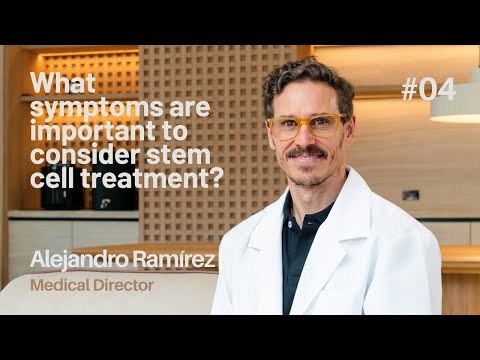
















Share this listing