

If you’re considering joint replacement surgery in Turkey, understanding your treatment options, expected costs, hospital standards, and recovery process can help you make a more informed decision.
This guide covers what international patients should consider when planning hip, knee, or other joint replacement surgery in Turkey, including surgeon and hospital selection, implants, recovery, travel, and follow-up care.
Quick Summary
- Joint replacement surgery in Turkey may be considered by patients with advanced joint damage, persistent pain, and loss of function after non-surgical care has been assessed. The operation may involve the hip, knee, shoulder, or another joint, but the correct procedure, implant, surgical approach, and rehabilitation plan depend on the individual diagnosis.
- Turkey has a formal international-health-tourism authorization framework. Patients should verify the facility and any intermediary through current official sources.
- PlacidWay listing pages show procedure-specific prices, but a listing is not a national average and may not include every test, implant, night, therapy session, or complication-related expense.
- Before travelling, obtain a written diagnosis, implant proposal, itemized quotation, surgeon credentials, hospital details, anticoagulation plan, rehabilitation schedule, and flight-clearance process.
- Recovery continues for weeks to months. The return flight should be planned around wound status, mobility, clot risk, medication, and written clearance rather than a fixed tourism itinerary.
- International treatment does not remove the need for local follow-up. Arrange a clinician or physiotherapist at home before surgery and carry complete records back with you.
What Does Joint Replacement Surgery in Turkey Involve?
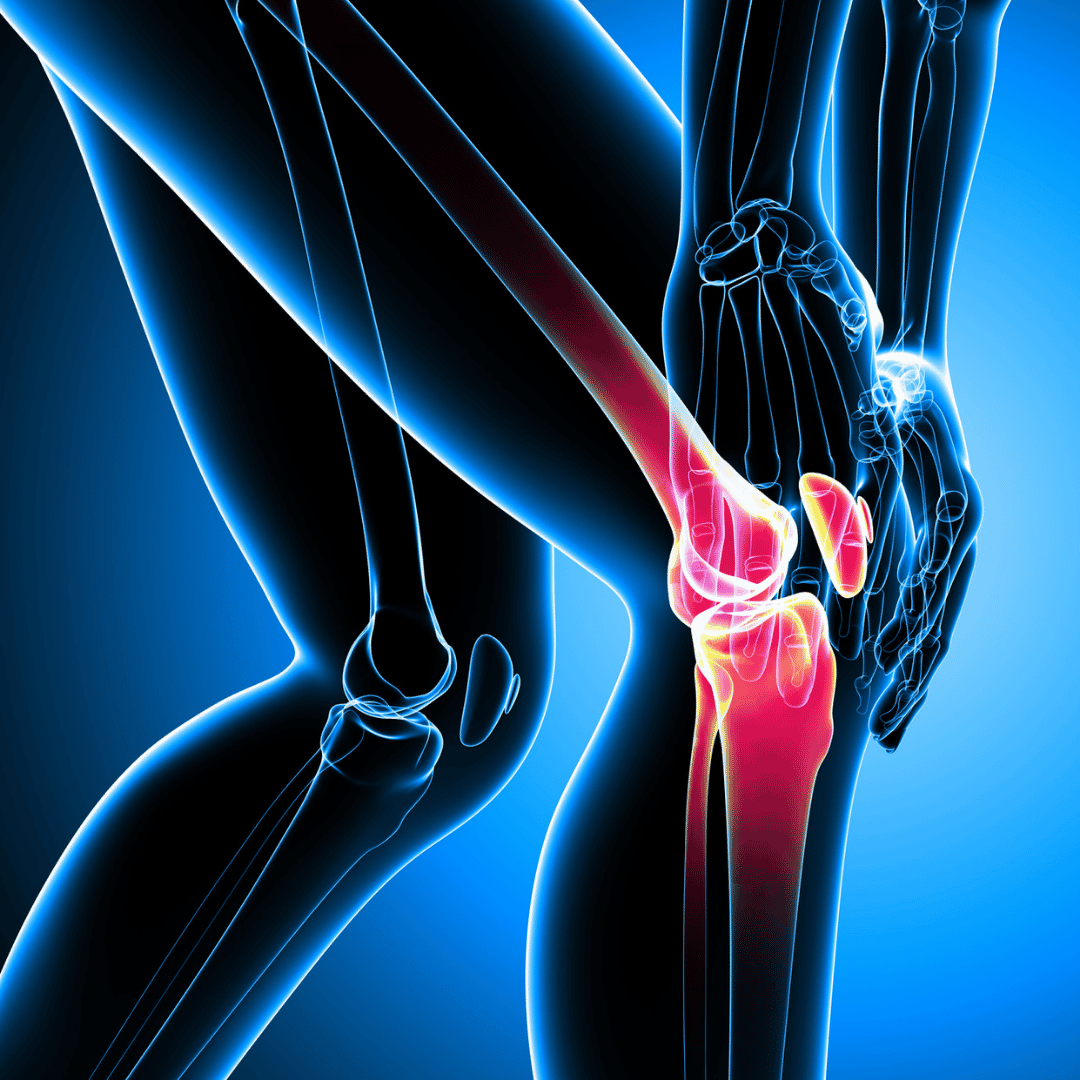
Joint replacement surgery removes damaged surfaces of a joint and replaces them with manufactured components intended to restore alignment, reduce contact between painful surfaces, and support movement. In a total hip replacement, the femoral head and the damaged socket surface are replaced. In a total knee replacement, the damaged portions of the thigh bone, shin bone, and sometimes the back of the kneecap are resurfaced with prosthetic components. Partial replacement may preserve more of the patient’s native joint when disease is limited to a suitable compartment.
The phrase “advanced orthopedic solutions” can describe several different technologies or care arrangements, including computer-assisted planning, robotic or navigation support, modern bearing materials, minimally invasive approaches, and coordinated rehabilitation. None is automatically appropriate for every patient, and technology does not guarantee a better result. The surgeon should explain what problem a proposed technique is intended to solve and whether evidence, anatomy, training, and hospital resources support its use.
Which Joints May Be Replaced?
Hip and knee replacement are the most common procedures discussed in international orthopedic programs. Shoulder replacement may be considered for selected arthritis, fracture, or rotator-cuff-related conditions. Ankle, elbow, and other joint replacements are less common and require careful review of the surgeon’s specific training and case experience. A facility that advertises many specialties may not have the same level of experience in each one.
| Joint | Common reasons for evaluation | Questions to clarify |
|---|---|---|
| Hip | End-stage osteoarthritis, inflammatory arthritis, fracture damage, osteonecrosis | Total or partial replacement? Approach? Leg-length planning? Weight-bearing instructions? |
| Knee | Severe arthritis, deformity, persistent functional limitation | Total or unicompartmental? Alignment plan? Patella treatment? Physiotherapy schedule? |
| Shoulder | Arthritis, fracture sequelae, selected cuff-tear arthropathy | Anatomic or reverse design? Sling duration? Home support and therapy? |
| Other joints | Condition-specific cartilage, bone, or post-traumatic damage | How many comparable operations does the surgeon perform, and where will follow-up occur? |
These are discussion categories, not a diagnosis. Imaging should be interpreted with symptoms, examination, prior treatment, health, expectations, and rehabilitation capacity.
When Is a Patient Usually Evaluated for Replacement?
A consultation commonly follows pain or stiffness that limits walking, stairs, sleep, work, dressing, exercise, or daily activities. The decision is not based on an X-ray alone; symptoms, examination, prior care, and expectations also matter.
Doctors may review activity modification, weight management, physical therapy, walking aids, injections, medication, and treatment of inflammatory disease. The purpose is to establish whether likely benefit justifies operative risk and rehabilitation.
Diabetes, smoking, obesity, anemia, heart or lung disease, prior clots, immune suppression, active infection, dental infection, skin wounds, or recent illness may change timing. Bring medicines, allergies, anesthesia history, and chronic-condition reports. Medical optimization may be needed.
Why Do Patients Consider Turkey?
Patients may research Turkey because of its private hospital sector, international patient departments, air connections, and published medical-tourism pathways. Cost may also matter to self-pay patients comparing countries. These are reasons to investigate an option, not proof that a specific hospital or surgeon is suitable.
International patients should separate country-level healthcare activity from procedure-specific evidence. The Republic of Türkiye’s HealthTürkiye platform explains that providers and intermediary organizations operating within international health tourism require authorization under the national framework. That is a useful starting point for verification, but it does not replace checking the named surgeon, the exact hospital campus, the proposed implant, or the contract for the individual case.
PlacidWay maintains treatment and provider listings that can help a patient identify options for further questions. You can review a Turkey joint-replacement provider directory, then independently verify the clinical details before making a decision.
Turkey’s International Health-Tourism Authorization Framework
HealthTürkiye states that only authorized institutions can provide international health services and that authorized facilities and facilitators are monitored under the applicable regulation. The site also provides a searchable list of certified healthcare providers and certified facilitators. Use the current government source rather than relying on an old brochure, a badge image, or an unverified statement in an online advertisement.
Ask for the hospital’s legal name, address, operating campus, surgeon, and any coordinating company. Confirm that the quotation names the facility where surgery occurs. Clarify who handles consent, payment, discharge, transfer, emergency contact, and follow-up.
Verification checkpoint
Authorization confirms eligibility to provide international health services; it is not a guarantee of an individual outcome. Check authorization, surgeon registration, hospital identity, implant documentation, infection-control process, anesthesia coverage, emergency capability, and the written follow-up plan separately.
How Should a Patient Compare Hospitals and Surgeons?
Compare the clinical plan before hotel arrangements. Where practical, shortlist at least three facilities and request the same information from each. A building or international department does not answer who will operate, how complications will be managed, or how rehabilitation will be delivered.
| Area to verify | Evidence to request | Why it matters |
|---|---|---|
| Surgeon | Full name, specialty, registration, training, and comparable procedure experience | Joint replacement is technique- and case-specific; generic orthopedic experience is not enough. |
| Hospital | Legal name, campus, authorization, operating theatre, inpatient and intensive-care capability | The named hospital must match the location where surgery and immediate care occur. |
| Implant | Manufacturer, model, sizes, bearing, country of registration, serial or lot record | Traceability supports future care, imaging, recalls, and revision planning. |
| Rehabilitation | Physiotherapy schedule, walking aids, exercises, discharge criteria, and home plan | The result depends on recovery work after the operation, not only the implant. |
| Complications | 24-hour contact, emergency transfer process, readmission terms, and insurance exclusions | A complication can occur after discharge or after the patient returns home. |
Ask for direct written answers rather than relying on phrases such as “international standards” or “advanced technology.”
Diagnosis and Pre-Operative Assessment
Before accepting a quote, the surgeon should review the diagnosis and imaging. Depending on the joint and history, this may include X-rays, CT or MRI, blood tests, electrocardiography, chest assessment, dental or skin review, and medical clearance. Previous operative reports matter for revision or fracture cases.
Send clear imaging files and reports through a secure process. Ask whether the surgeon has reviewed the actual images or whether a coordinator has only recorded the diagnosis. A video consultation can clarify questions, but it does not always replace an in-person examination. The final procedure may change after physical examination or updated imaging in Turkey.
Prehabilitation may include strengthening, walking practice, nutrition advice, smoking cessation, and planning for discharge. Arrange a companion if recommended. Prepare all medicines and do not stop a prescription without clinical instructions.
Implants, Surgical Approaches, and Technology
Implant selection depends on anatomy, bone quality, activity, age, deformity, previous operations, infection risk, and the joint. Components may combine metal, ceramic, polyethylene, or other materials. The quotation should state the intended manufacturer and model when known, while consent should explain when the plan may change.
For the hip, patients may hear about anterior, posterior, or lateral approaches. Each has potential advantages and limitations, and no approach guarantees a faster or complication-free recovery. For the knee, alignment may be planned with conventional instruments, computer navigation, or robotic assistance. Such systems can support planning and execution, but they do not remove the need for surgeon judgment or rehabilitation.
Ask why a technology is recommended, whether it changes the price, who operates it, and what happens if it is unavailable. Ask how the implant will be documented. Keep the implant card, operative report, images, and final diagnosis.
How Much Does Joint Replacement Surgery in Turkey Cost?
There is no single national price for joint replacement surgery in Turkey. Amounts vary by joint, total or partial replacement, primary or revision surgery, surgeon, hospital, implant, anesthesia, stay, tests, rehabilitation, accommodation, and exchange rate.
Hip replacement surgery in Turkey cost around $7,500–$13,000 per joint, based on a published treatment listing. This range is best used as a general reference rather than a guaranteed price, as the final cost can vary depending on the hospital, surgeon, implant, treatment plan, and other services included. It also applies specifically to hip replacement and may not reflect the cost of knee, shoulder, revision, bilateral, or more complex joint replacement procedures.
Illustrative listing-level range — not a national average
Budget separately for flights, companion travel, accessible accommodation, transfers, medication, extra nights, physiotherapy, insurance, and local follow-up. Ask whether the quote is fixed, what triggers extra charges, which currency controls payment, and how cancellation works.
What Should an Itemized Package Include?
A package may combine clinical and travel services, but inclusions differ. Request each item rather than a single total. “All-inclusive” may exclude complications, extra nights, special implants, intensive care, or care after departure.
| Cost area | Confirm in writing |
|---|---|
| Clinical fees | Surgeon, assistant, anesthesia, operating theatre, nursing, tests, medicines, and hospital nights |
| Implant | Brand, model, bearing, standard sizes, special components, implant card, and traceability record |
| Recovery | Physiotherapy, walker or crutches, wound review, additional imaging, and discharge medicines |
| Travel services | Airport transfer, hotel nights, accessible room, companion costs, and transport to appointments |
| Exceptions | Revision, readmission, infection, blood clot, emergency transfer, ICU care, missed flight, and extra stay |
Compare the same procedure, implant category, hospital stay, rehabilitation, and aftercare assumptions across facilities.
Health-Tourism Activity: What the Data Does and Does Not Show
USHA? reports people who came to Türkiye for healthcare across all medical-tourism categories. These figures show overall market activity, not joint-replacement volume, hospital performance, or outcomes.
National health-tourism visitors reported by USHA?
USHA? reports 1,398,580 visitors in 2025, 1,506,442 in 2024, and 1,538,643 in 2023. Do not use these totals to estimate success or rank hospitals; they are destination-level context only.
What Happens Before Travelling?
First obtain an independent assessment of whether replacement is reasonable. Then send records and imaging, complete a consultation, and request a written plan covering the joint, side, design, stay, surgeon, hospital, implant, anesthesia, rehabilitation, and follow-up.
Do not book non-refundable travel before medical clearance and a confirmed date. Ask how postponement, a positive infection screen, or a changed diagnosis is handled. Check visa requirements officially. Carry medicines in original packaging and copies of prescriptions and reports.
| Timing | Planning task |
|---|---|
| Initial review | Confirm diagnosis, treatment alternatives, medical history, and records required. |
| Quote comparison | Compare at least three written offers using the same clinical and travel assumptions. |
| Booking | Confirm surgeon, campus, implant plan, deposit, cancellation terms, and medical-clearance deadline. |
| Travel | Arrange accessible transport, companion support, insurance, records, medicines, and flexible return plans. |
Hospital Stay and Early Mobilization
Joint replacement is major surgery. The early hospital period may include anesthesia recovery, pain control, wound checks, clot prevention, antibiotics according to protocol, and physiotherapy. Sitting, standing, and walking begin when the team considers them appropriate.
Before discharge, ask for written instructions about weight bearing, wound care, bathing, exercises, walking aids, stairs, medication, constipation, sleep, driving, and warning signs. Confirm who reviews the wound and when. The patient should know how to reach the hospital at night and what to do if a fever, increasing redness, drainage, calf swelling, chest pain, shortness of breath, sudden severe pain, or inability to bear weight develops.
Discharge to a hotel is not the same as flight readiness. The room needs lift access, a suitable bathroom, walker space, transport, and support if needed. Inadequate transfers, walking, medication management, or urgent-care access may require a longer stay.
Recovery and Rehabilitation After Replacement
Recovery varies with the joint, complexity, age, strength, health, home environment, and rehabilitation. NHS guidance explains that hip-replacement recovery can take several months. Walking may begin with an aid, while strength, endurance, swelling, sleep, and confidence take longer. Knee recovery often requires work on movement, swelling, strength, and gait.
Rehabilitation usually progresses from safe transfers and short walks to exercises for range of motion, strength, balance, and function. The treating team should explain what pain or swelling is expected and what suggests a problem. More exercise is not always better. Excessive activity early in recovery can increase swelling or irritate healing tissues.
Recovery planning visual
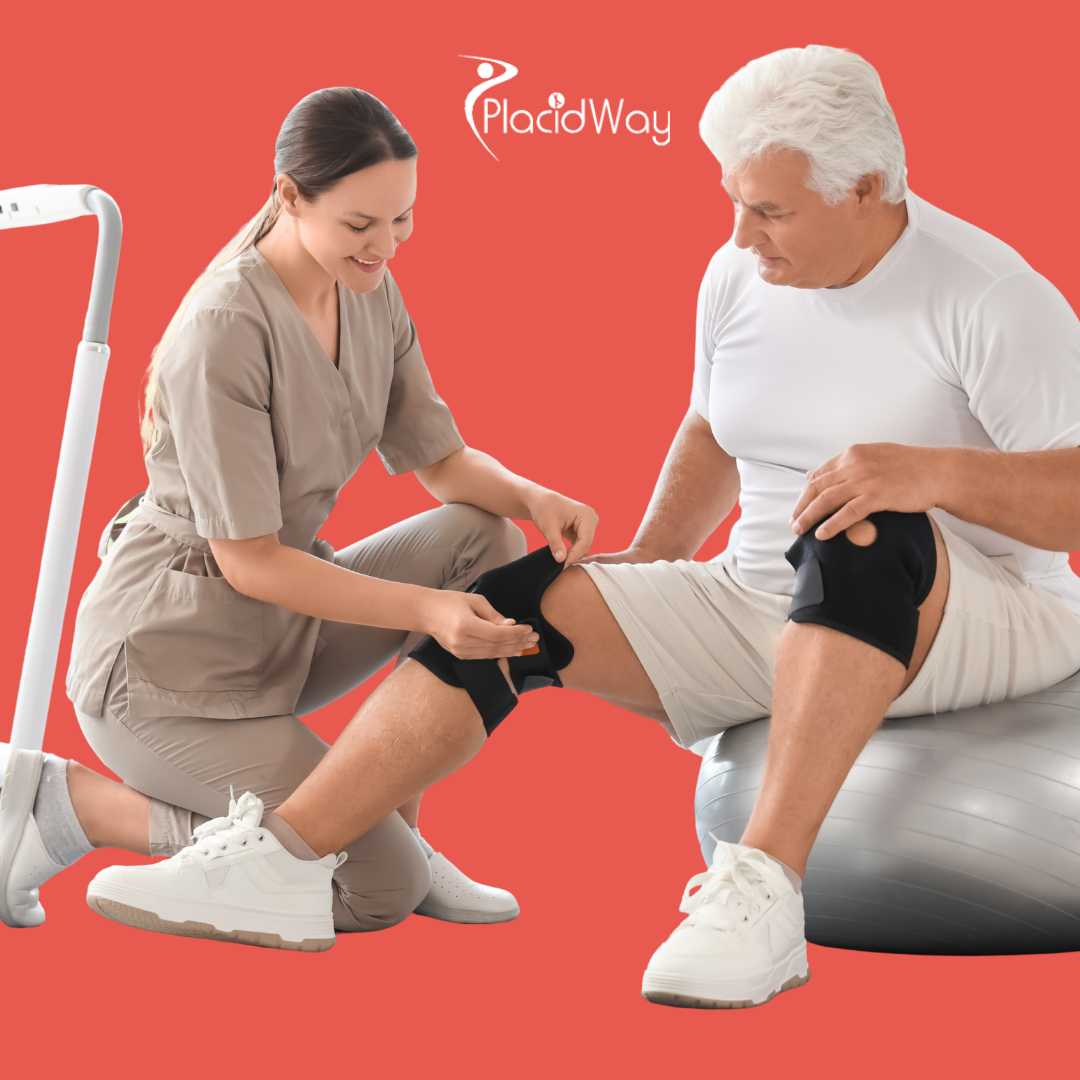
Before travel, arrange local physiotherapy and identify who will review the wound, medication, mobility, and imaging. Request a usable discharge summary, implant records, and contact details.
Flying Home After Surgery
Air travel after joint replacement can be difficult, and recent surgery is associated with increased clot risk. Timing depends on the operation, mobility, wound, pain, medication, other risk factors, and the surgeon’s assessment. NHS hospital guidance commonly advises delaying long journeys after major hip surgery; some hospitals use around 12 weeks for short-haul travel and longer for long-haul travel. These are general policies, not clearance.
Ask for written clearance and tell the airline about mobility assistance. Plan wheelchair support, medication access, hydration, and movement. Do not change anticoagulant dosing independently. Understand itinerary-change costs before booking.
The CDC notes that medical tourism can create risks related to infection, continuity of care, and travel after a procedure. These risks are particularly relevant when a patient is discharged in one country and monitored in another.
Risks and Warning Signs
Joint replacement has risks. AAOS lists infection, blood clots, nerve injury, loosening, and dislocation among possible complications. Hip risks can include leg-length difference, fracture, persistent pain, and revision. Knee concerns can include stiffness, instability, implant wear, persistent pain, and further surgery. Anesthesia and medical conditions add separate risks.
AAOS reports serious joint infection in less than 2% of total hip replacement patients. That population figure does not predict individual risk or apply to every joint. Diabetes, smoking, obesity, immune suppression, prior surgery, and active infection can change risk.
| Possible concern | What the patient should clarify |
|---|---|
| Infection | Wound review, antibiotic policy, contact number, readmission location, and responsibility for costs. |
| Blood clot or pulmonary embolism | Risk assessment, medication, compression advice, movement plan, and emergency pathway. |
| Dislocation or instability | Movement precautions, symptoms, urgent assessment, and reduction or revision arrangements. |
| Persistent pain or stiffness | Expected recovery range, physiotherapy plan, imaging, and review pathway. |
Seek urgent medical attention for chest pain, sudden shortness of breath, fainting, severe calf swelling, heavy bleeding, high fever, worsening wound redness or drainage, severe new pain, or sudden loss of movement. Contact local emergency services when symptoms are urgent; do not rely only on a coordinator’s messaging service.
Follow-Up After Returning Home
Design follow-up before departure. Ask when wound review, dressing change, X-ray, and physiotherapy occur. Confirm remote image review and response times. Identify a local doctor or orthopedic service for pain, swelling, fever, wound changes, or mobility problems.
Request the operative report, discharge summary, implant card and serial or lot information, anesthesia record, medication list, results, images, and therapy instructions. A translated summary may help. Keep the hospital and surgeon details with the records.
Insurance can be complicated. Standard travel insurance may exclude planned treatment, complications from planned treatment, or repatriation after elective surgery. Ask the insurer for written confirmation of what is covered. Also ask the provider whether the package includes complication care and whether the patient must pay first. Coverage terms differ by residence, policy, procedure, and destination.
Patient Profiles and Practical Fit
Patients investigate treatment abroad for different reasons. A self-pay patient may focus on price transparency; another may focus on scheduling, a specific implant, or revision experience. Those differences should shape questions, not assumptions about suitability.
| Patient situation | Priority questions | Potential planning issue |
|---|---|---|
| Primary hip or knee replacement | Diagnosis, approach, implant, rehab, and travel timing | The quote may exclude extra nights or local follow-up. |
| Revision or previous infection | Revision volume, cultures, staged surgery, implant removal, and emergency plan | A standard primary-replacement package may not apply. |
| Multiple chronic conditions | Medical clearance, medication adjustment, clot and anesthesia assessment | Travel may add risk and may require longer monitoring. |
| Limited home support | Companion, accessible home, equipment, transport, and physiotherapy | A hotel package does not replace a safe home-care plan. |
If rehabilitation, travel, or follow-up cannot be arranged, international surgery may need to wait. The appropriate option is the one whose clinical and logistical plan matches the patient’s needs.
Questions to Ask Before Paying a Deposit
- Who is the operating surgeon, and where can I verify specialty training and registration?
- Which exact hospital campus will be used, and is it authorized for international health services?
- Is the proposed operation total, partial, primary, bilateral, or revision replacement?
- Which implant manufacturer and model are proposed, and how will the implant record be provided?
- What does the price include and exclude, including tests, anesthesia, nights, medication, physiotherapy, transfers, and complications?
- What happens if the surgeon changes the plan after examination or if surgery is postponed?
- How many comparable operations does the surgeon perform, and who manages complex cases?
- What are the blood-clot, infection, wound, dislocation, stiffness, and revision protocols?
- What must I achieve before discharge, and where will I stay afterward?
- Who gives written flight clearance, and what is the plan if I cannot fly on the booked date?
- Who will review me after returning home, and how will medical records be transferred?
- Which insurer or legal entity is responsible for complications, readmission, or emergency transfer?
Frequently Asked Questions
What joints can be replaced in Turkey?
Hip and knee replacement are the procedures most often discussed, while shoulder and selected ankle, elbow, or other joint replacements may also be available. Suitability depends on diagnosis, imaging, bone quality, previous surgery, health, and the surgeon’s specific experience with that joint.
How much does joint replacement surgery in Turkey cost?
A PlacidWay hip-replacement cost page lists approximately $7,500–$13,000 per joint, but this is listing-level context rather than a national average. Knee, shoulder, bilateral, revision, implant, hospital, rehabilitation, and travel costs may differ and require an itemized quote. Ask whether the quote is current and fixed.
Is joint replacement surgery in Turkey safe?
No destination can guarantee a safe outcome. Patients should verify the authorized facility, surgeon registration, anesthesia and emergency capability, infection-control process, implant traceability, rehabilitation plan, complication terms, and arrangements for care after returning home. Ask what care is available after discharge.
How long do I need to stay in Turkey?
The stay depends on the joint, surgery, recovery, wound status, mobility, medical conditions, and flight clearance. A package may include hospital and hotel nights, but those numbers are not personal medical clearance. Ask the surgeon to state discharge and return-to-flight criteria in writing.
What does an orthopedic package usually include?
Inclusions vary. A quotation may cover surgeon, anesthesia, hospital stay, implant, tests, medication, physiotherapy, hotel, and transfers, but it may exclude complications, extra nights, special components, flights, insurance, or home follow-up. Request every inclusion and exclusion in writing. Clarify who pays for unexpected care.
Can I fly soon after joint replacement?
Flight timing must be individualized because surgery, immobility, and other factors can increase clot risk. Hospital guidance often recommends delaying major or long-haul travel for a period after surgery. Obtain written clearance, plan airport assistance, and never change blood-thinner instructions without the treating clinician.
How can I verify a Turkish hospital?
Use the current HealthTürkiye certified-provider information, then match the legal hospital name, address, campus, surgeon, and international-health authorization to the written quotation. Also verify the surgeon’s registration, the implant plan, the operating location, and who is responsible for complications and follow-up.
Are robotic or minimally invasive techniques better?
They may be appropriate for selected patients, but they do not guarantee better outcomes. The decision depends on anatomy, diagnosis, surgeon training, equipment, implant plan, and evidence. Ask what problem the technology addresses, what it changes in the quotation, and what the alternatives are.
What records should I bring home?
Request the operative report, discharge summary, implant card and serial or lot information, anesthesia record, medication list, imaging, laboratory results, rehabilitation instructions, and contact details. These records help clinicians at home assess the joint, manage medication, and investigate later symptoms.
Can PlacidWay arrange joint replacement information?
PlacidWay can provide a pathway for reviewing available listings, preparing questions, and requesting treatment information. Patients should compare at least three facilities where possible, verify credentials independently, and obtain a patient-specific medical and financial proposal before deciding. A request does not replace medical advice.
Start a Personalized Inquiry
Share the joint involved, diagnosis, imaging, prior operations, medical conditions, medication list, preferred timing, origin country, and questions about the implant or package. PlacidWay can help you explore available treatment options and compare potential providers based on your needs.
Medical Disclaimer
This article is for general education and does not replace assessment by a qualified orthopedic surgeon, anesthetist, primary-care clinician, physiotherapist, travel-health professional, insurer, or government authority. Surgical indications, prices, timelines, risks, implant choices, travel restrictions, and package inclusions vary by patient and provider. Seek urgent local care for urgent symptoms. Confirm all current information directly with the named facility and official sources before making a decision.
References
- American Academy of Orthopaedic Surgeons — Total Joint Replacement
- American Academy of Orthopaedic Surgeons — Total Hip Replacement
- NHS — Recovering from a hip replacement
- University Hospital Southampton NHS — During and after hip surgery
- CDC Yellow Book — Medical Tourism
- CDC Yellow Book — Travel Insurance
- HealthTürkiye — Certified Healthcare Providers and Certified Facilitators
- USHA? — Health Tourism Data



























Share this listing