



Patient Profile
Name: Anne Farell
Age: 49
City, Country: Denver, USA
Treatment: Cellular Therapy & Exosomes
Destination: Mexico City, Mexico
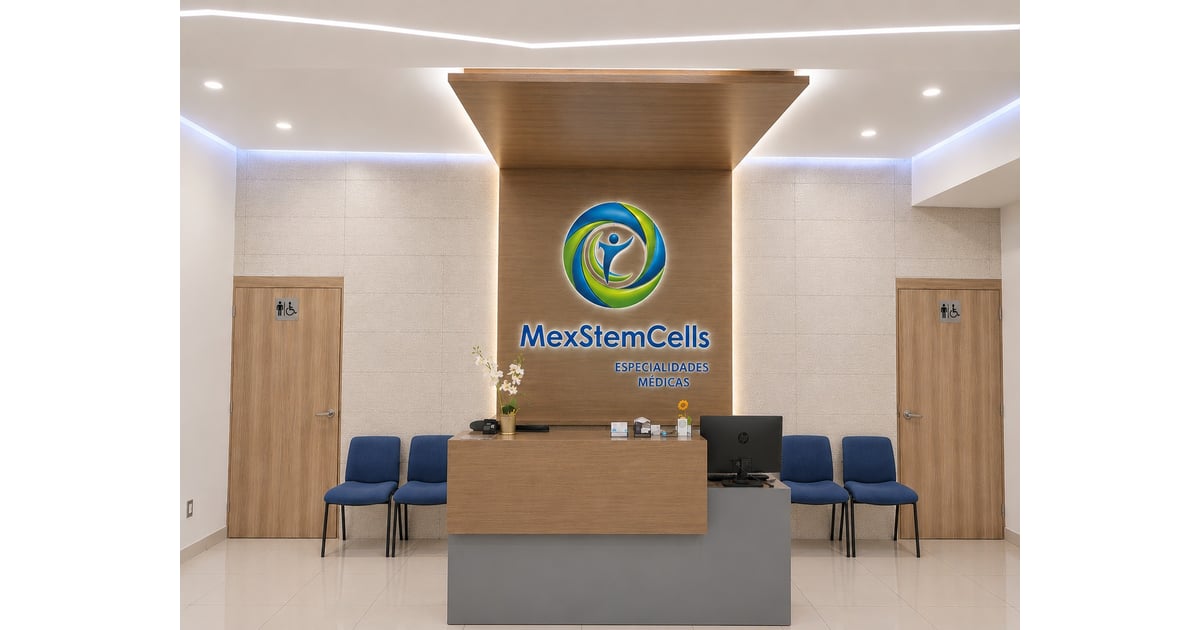
Provider: MexStemCells Clinic
Journey at a Glance
◉ Condition: Cartilage degeneration at L3, L4 and L5 with three herniated discs
◉ Local treatment: 40M umbilical cord stem cells, adipose tissue procedure and PRP at L3-L5
◉ IV treatment: 100M umbilical cord stem cells and 8B exosomes
◉ Provider: MexStemCells Clinic, Mexico City
◉ Follow-up imaging: Findings described cartilage regeneration at L3-L5 and reduced disc herniation size
◉ Patient outcome: Significant improvement in pain and daily functioning
The things I left on the floor
I don't remember exactly when I started doing it. At some point, if something fell on the floor, I stopped automatically bending down to pick it up.
A sock could stay beside the bed. A piece of paper could sit under the kitchen table. If it wasn't important, I would leave it there until I felt ready to deal with the pain that might come with bending over.
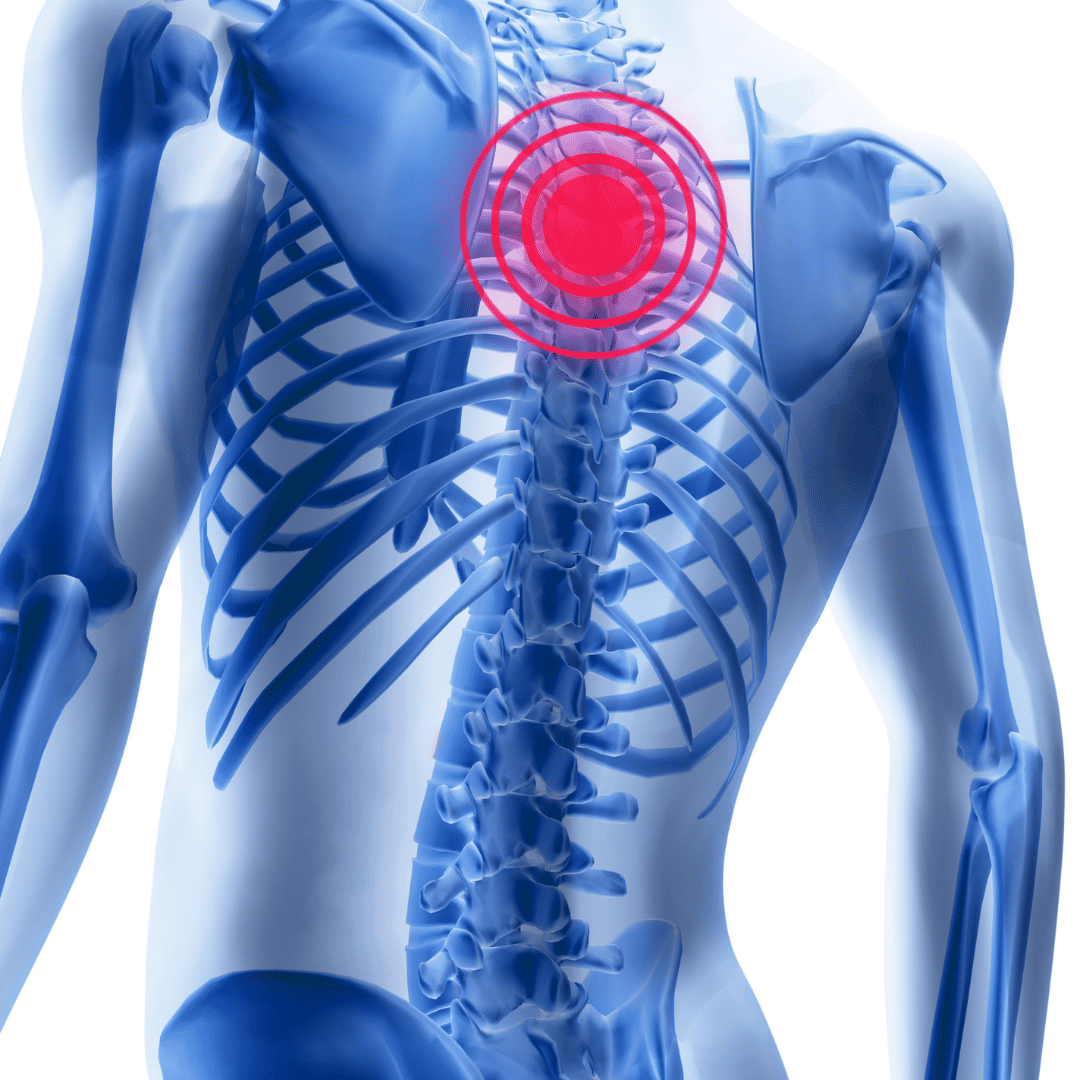
My lower back had become part of every small decision. Imaging had shown cartilage degeneration around L3, L4 and L5, along with three herniated discs. I didn't need to understand every detail of the scan to know how much it was affecting me. I felt it when I bent down, when I stood up, when I lifted something and sometimes when I simply moved the wrong way.
I wasn't asking to feel twenty years younger. I wanted ordinary movements to stop feeling like decisions I had to prepare for.
I started researching because I was tired of planning around pain
When your back hurts every day, you learn a surprising amount about the spine. I started reading about lumbar discs, injections, rehabilitation, PRP, cellular treatments and exosomes.
The more I read, the more questions I had. Some websites made regenerative treatments sound almost effortless. I didn't want to make a decision because of a dramatic promise. I wanted to understand exactly what would be used, where it would go and what I could realistically expect afterward.
I was spending so much time jumping between articles and discussion forums that eventually I started looking for a more organized way to compare international options. That was when I came across PlacidWay and began going through individual provider profiles instead of relying on scattered claims from different websites.
While looking at options in Mexico, I found MexStemCells Clinic in Mexico City. I noticed that its profile included herniated discs among the conditions associated with its regenerative programs. That didn't make me instantly decide to travel. It simply gave me a specific place and treatment approach to investigate instead of continuing to read general information online.
I kept asking questions and looking closely at what the proposed treatment would actually involve. What caught my attention was that the plan wasn't based on just one treatment. It combined therapies used locally around the affected lumbar area with treatments administered through an IV.
The treatment plan I received
40 million umbilical cord stem cells used locally around L3, L4 and L5
100 million umbilical cord stem cells administered intravenously
Adipose tissue extraction included as part of the local L3-L5 treatment plan
8 billion exosomes administered intravenously
PRP used locally around L3, L4 and L5
Getting there was only the beginning
By the time I arrived in Mexico City, I had already spent so much time thinking about my back that I almost wanted the treatment itself to feel simple.
Once I was at MexStemCells, my attention shifted away from everything I had been reading online and toward what was actually happening. The local part of the treatment focused on the L3, L4 and L5 area. I also received the larger stem cell dose and exosomes through IV therapy. PRP and the adipose tissue procedure were part of the treatment plan as well.
What I remember most afterward was trying not to constantly test myself.
When you've lived with pain for a long time, you become almost obsessed with checking it. You stand up and ask yourself whether that hurt. You bend slightly and wait for the familiar reaction. You turn and immediately pay attention to your lower back.
The first signs weren't dramatic
There wasn't one big moment when I suddenly decided the treatment had worked.
Instead, I began noticing what I wasn't doing anymore.
I wasn't always bracing myself before standing up. I wasn't thinking as much about how I turned. I could move around the kitchen without my back being the main thing on my mind.
The pain had improved significantly, and everyday movements were becoming easier for me. That mattered more than doing anything particularly impressive. I wanted to function normally around my own home.
Then I saw the follow-up imaging
Feeling better was encouraging, but I also wanted to know what the follow-up imaging showed.
When I reviewed the follow-up findings, they were described as showing cartilage regeneration around L3, L4 and L5. The disc herniations were also described as being smaller than they had appeared previously.
It was good news to hear, especially because I was already noticing a meaningful difference in my pain and daily functioning.
I still didn't look at those images as a guarantee about what would happen next. I knew that my back was something I needed to continue paying attention to and that one follow-up study couldn't answer every question about the future.
L3-L5 IMAGING
Described as showing cartilage regeneration
HERNIATED DISCS
Described as reduced in size
DAILY LIFE
Significant improvement in pain and functioning
A piece of junk mail showed me what had really changed
One morning, I was making coffee when a piece of junk mail slipped off the counter and landed on the kitchen floor.
I bent down and picked it up.
That was it.
I didn't stop first. I didn't calculate the angle. I didn't brace myself against the counter. I didn't decide whether picking it up was worth it.
I just picked it up and went back to making coffee.
The funny thing is that I almost missed the moment because it felt so normal. A few months earlier, normal was exactly what I wanted back.
I look at my back differently now
I don't think about the follow-up imaging as proof that my back has somehow become new again. Spine problems are complicated, regenerative treatments are still being studied, and my experience can't tell another person what will happen in their case.
What I can describe is much simpler. My pain improved significantly. Daily movement became easier. I stopped thinking about my lower back before every ordinary task.
For a long time, I measured my days by what I avoided bending down to pick up. Now there are mornings when something falls on the floor and I don't think about my back at all. I just pick it up. That ordinary little movement probably explains the change better than anything else I could say.
My goal was never to prove that I had a brand-new spine. I wanted my back to stop controlling every ordinary thing I did.
Being able to bend down without thinking about it feels like a pretty good place to start.
Researching Treatment Options for Lumbar Spine Problems?
If you are exploring regenerative treatment abroad, compare treatment plans carefully, understand what is being proposed and discuss the potential risks, evidence and alternatives with a qualified healthcare professional.
Request InformationExplore treatment and provider information so you can compare your options and ask informed questions before making a medical travel decision.



.png)
.png)
.png)





.png)


.png)










Share this listing