



Patient Profiles
◉ Rachel: A fictional 51-year-old American composite patient living in Arizona
◉ Claire: A fictional 46-year-old Canadian composite patient living outside Vancouver
◉ Main Concerns: Breast cancer treatment options, progression, second opinions, immunotherapy, and integrative care
◉ Treatment Explored: Breast cancer second opinions and potential cancer treatment in Mexico
◉ Primary Questions: Diagnosis, biomarkers, treatment evidence, immunotherapy, clinical trials, risks, costs, and follow-up
◉ Support: Family members and caregivers involved in the decision-making and international treatment journey
◉ Persona: Fictional composite characters, not real PlacidWay patients
Journey at a Glance
◉ Starting Point: Rachel and Claire begin questioning whether their current breast cancer treatment plan is the only option.
◉ Medical Journey: Rachel faces progression and narrowing treatment choices, while Claire wants an independent review of her recommended care.
◉ Second Opinion: Both begin exploring whether another qualified oncologist may offer additional information or treatment perspectives.
◉ Research: They investigate exact treatments, biomarkers, evidence, providers, risks, and whether proposed therapies are established or investigational.
◉ Next Step: Consult qualified oncology professionals, review medical records, verify treatment evidence, and make an informed decision.
Why Some Americans and Canadians Begin Looking to Mexico for Breast Cancer Second Opinions, Immunotherapy and Integrative Care
The appointment is almost over.
You’ve heard the scan results.
You’ve heard the words progression, another line of treatment, we’ll monitor, or perhaps:
“There aren’t many options left that I would recommend.”
The oncologist is still talking, but part of you has already left the room.
You’re thinking about your children.
Your husband.
The holiday you were supposed to take.
The graduation you want to see.
The ordinary Tuesday mornings you never realised were precious until cancer began placing question marks around them.
Then you ask:
“Is there anything else?”
Sometimes the answer is another treatment.
Sometimes it’s a clinical trial.
Sometimes it’s another specialist.
And sometimes the answer feels much smaller than you hoped.
You drive home.
Or sit in the passenger seat while someone else drives because you don’t trust yourself not to cry.
Your family asks:
“What did the doctor say?”
You explain.
Then somebody eventually asks the question you have already been asking yourself:
“Should we get another opinion?”
That’s where many international healthcare journeys really begin.
Not with Mexico.
Not with immunotherapy.
Not with alternative medicine.
With the feeling that you’re not ready to stop asking questions.
Meet Rachel and Claire
Rachel and Claire are not real PlacidWay patients.
They are fictional composite patients created to represent questions and emotions that some American and Canadian women may experience while researching additional breast cancer options.
Rachel’s Story
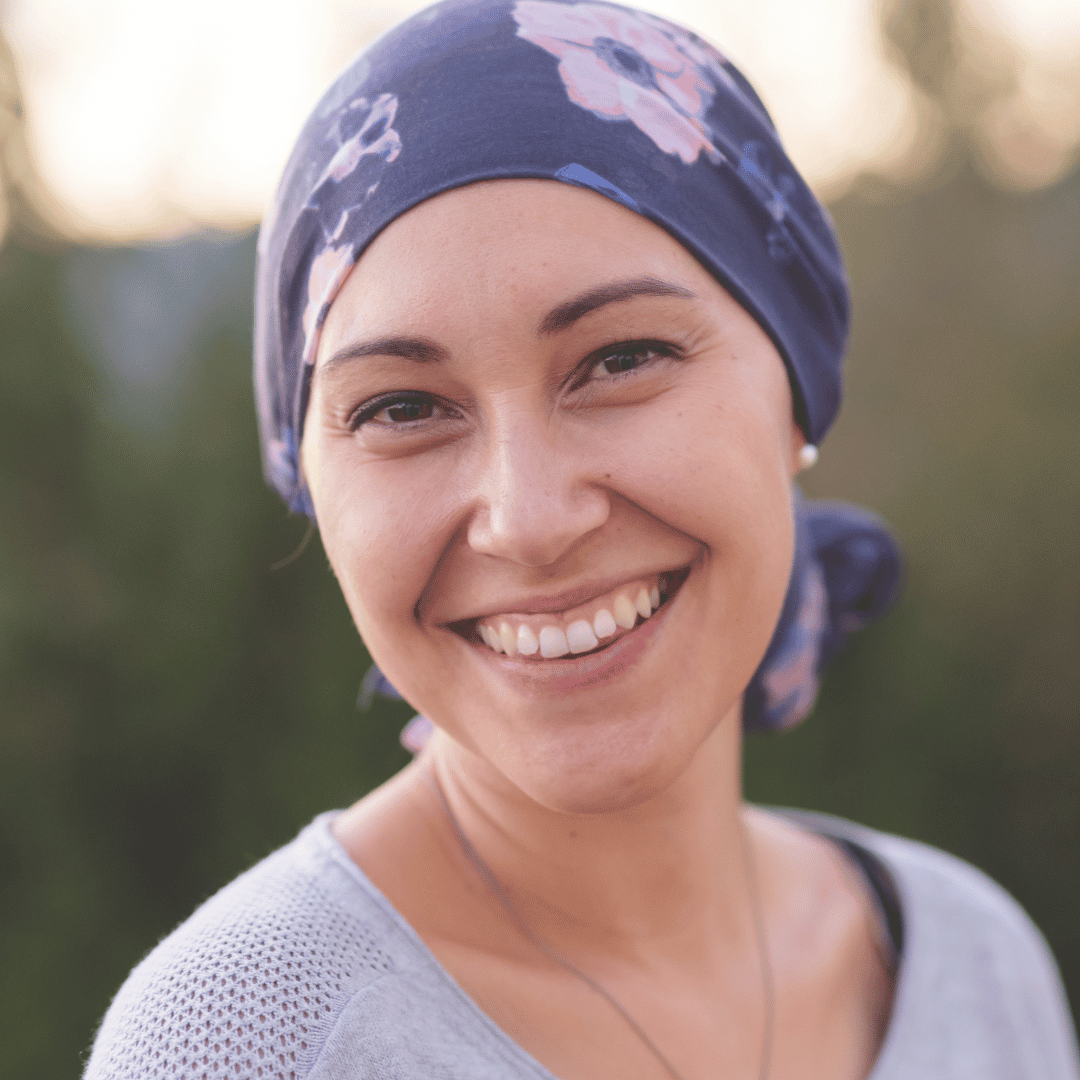
Rachel is 51 and lives in Arizona.
Her cancer has already changed the rhythm of her family.
There were months when every appointment seemed to bring a new vocabulary word.
ER. PR. HER2. Margins. Nodes. Chemotherapy. Radiation.
Then later: Metastatic.
Rachel learned to understand laboratory reports she never wanted to read.
Her husband learned which days after treatment she would probably feel worst.
Her daughter stopped asking whether she was worried because the answer was obvious.
Rachel isn’t someone who “rejected conventional medicine.”
She has lived through it. It helped her. Some treatments helped for longer than others.
But eventually, she hears something she was afraid she might hear:
“We still have options, but the choices are getting narrower.”
That evening Rachel doesn’t search alternative cancer clinics Mexico. She searches:
-
What else can be done when breast cancer treatment stops working?
-
Breast cancer second opinion after progression.
-
New immunotherapy breast cancer.
-
Cancer Treatment in Mexico.
Claire’s Story
Claire is 46 and lives outside Vancouver.
Her story is different. She is not at the same stage of disease. She has already received a treatment recommendation in Canada.
But she cannot shake the feeling that she wants somebody else to look at everything again. Not because she believes her oncologist is wrong, but because the decision feels too important to hear only once.
The Canadian Cancer Society explicitly notes that seeking a second opinion can help confirm that appropriate tests were performed and interpreted correctly, and another doctor may provide additional information or different treatment options.
So Claire begins gathering her records:
-
Pathology
-
Imaging
-
Biopsy reports
-
Treatment history
-
Medication list
She isn’t looking for somebody who will automatically disagree with her Canadian oncologist. She is looking for somebody willing to look again.
A Second Opinion Doesn’t Mean You’ve Lost Trust in Your Doctor
Cancer creates a strange pressure. Patients sometimes worry that asking another physician means they are being disloyal.
But breast cancer is complicated. Treatment can depend on stage, previous therapies, hormone-receptor status, HER2 status, genetic findings, biomarkers, general health and many other factors.
The National Cancer Institute specifically advises that people may seek a second opinion to confirm a breast cancer diagnosis or treatment plan. The second physician may agree completely, recommend another approach, or provide information that helps clarify the decision.
Rachel therefore stops thinking “I need someone to tell me my doctor is wrong” and starts thinking:
“I want to know whether another experienced oncologist sees anything we haven’t discussed.”
Then Rachel Finds the Word “Immunotherapy”
The word changes the mood immediately. Chemotherapy sounds destructive. Immunotherapy sounds intelligent.
Instead of attacking everything, the idea seems to be: teach or help my immune system fight the cancer.
That concept is real. Immunotherapy has become an established part of modern cancer treatment. But this is where breast cancer becomes more complicated.
Immunotherapy Is Not One Treatment—and It Is Not Appropriate for Every Breast Cancer
Evidence-based checkpoint immunotherapy currently has an established role particularly in certain triple-negative breast cancers.
For example, pembrolizumab is used with chemotherapy in high-risk early-stage triple-negative breast cancer and in selected recurrent or metastatic TNBC according to specific clinical circumstances and biomarkers.
The Canadian Cancer Society similarly notes that pembrolizumab may be used for high-risk TNBC around surgery and for some metastatic TNBC with sufficient PD-L1 expression.
The field also continues to change. In June 2026, the FDA approved sacituzumab govitecan in combination with pembrolizumab for first-line treatment of adults with unresectable locally advanced or metastatic TNBC whose tumors meet the required PD-L1 criteria.
That means Rachel’s question cannot simply be “Can I get immunotherapy?” It needs to become:
“Does my exact breast cancer have a reason to respond to this exact immunotherapy?”
The Biomarker Conversation Matters More Than the Country
Before Rachel begins comparing clinics in Mexico, she writes down four things:
-
ER status
-
PR status
-
HER2 status
-
PD-L1 status, if relevant
Then she adds other information her oncology team may need:
-
Previous chemotherapy
-
Targeted therapies
-
Hormonal treatments
-
Radiation
-
Surgeries
-
Genetic testing
-
Current sites of disease
-
Recent scans
-
Pathology
-
Treatment-related complications
NCI describes breast cancer treatment as involving different combinations of local therapies such as surgery and radiation and systemic therapies depending on the patient’s particular disease and situation. A destination should come after that conversation.
Then Mexico Appears—and Suddenly the Internet Becomes Confusing
Rachel finds legitimate information about checkpoint inhibitors. Then something else:
-
Dendritic cell vaccines
-
NK-cell therapy
-
Hyperthermia
-
High-dose vitamin C
-
Ozone therapy
-
Metabolic treatments
-
Immune-boosting protocols
-
Personalised cancer vaccines
-
Detoxification
-
Whole-body healing
Every clinic seems to use the word IMMUNOTHERAPY, but they may be describing completely different things. That becomes Rachel’s first major lesson:
Never Accept “Immunotherapy” as the Name of a Treatment. Always ask for the actual treatment type!
Ask for the actual treatment:
-
Is it pembrolizumab?
-
A dendritic-cell product?
-
Expanded NK cells?
-
A peptide vaccine?
-
Another cell therapy?
-
A supplement?
-
Hyperthermia?
-
A combination?
-
A clinical trial?
-
Something experimental?
“Alternative” and “Integrative” Are Not the Same Word
Claire notices something Rachel hadn’t. Some Mexican clinics say they practice alternative oncology. Others say integrative oncology. Medically, the distinction can be crucial.
Complementary or Integrative Care
Generally means therapies used alongside conventional cancer treatment—for example, approaches intended to help with symptoms, stress, pain, nutrition or quality of life.
Alternative Treatment
Means something is being used instead of established cancer treatment. That difference can have serious consequences.
The National Cancer Institute notes that complementary and alternative approaches are often used to help with treatment symptoms, stress or wellbeing, but many have not been proven safe or effective for treating cancer. Research shows worse survival among patients with nonmetastatic cancer who chose alternative medicine instead of conventional cancer treatment.
Rachel writes one sentence at the top of her notebook:
“I am searching for another opinion—not permission to abandon proven care without understanding the consequences.”
The Twelve Questions to Take to a Breast Cancer Clinic in Mexico
1. What is my exact breast cancer subtype and current stage?
2. What biomarkers are driving your treatment recommendation?
3. What exact immunotherapy drug or biological product are you proposing?
4. Is this standard treatment for my breast cancer situation, off-label treatment, a clinical trial or an experimental intervention?
5. Which components of the program have evidence of improving survival or disease control?
6. Which treatments are intended only for symptoms or quality of life?
7. Which treatments lack strong evidence for breast cancer?
8. What are the major risks and side effects of every treatment in the program?
9. Could any supplements, IV therapies or alternative treatments interfere with my current cancer drugs?
10. How will you determine whether the treatment is working?
11. What happens if my cancer progresses while I’m in Mexico?
12. What finding would make you recommend that I stay with my current oncology plan rather than receive treatment here?
Claire Asks for Something Even Simpler: “Can You Review Everything Without Treating Me?”
This question separates a second opinion from a treatment sale. Claire sends:
-
Pathology reports & slides
-
Imaging & bloodwork
-
Current medications & genetic testing
-
Her complete treatment history
Claire tells the Mexican physician:
“I am not promising to come for treatment. I want to understand whether you see my case differently.”
If the answer is:
“We agree with your Canadian oncologist,”
that is useful information.
If the answer is:
“We would suggest another approved therapy,”
that is useful information.
If the answer is:
“You may qualify for a clinical trial,”
that is useful information.
And if the answer is:
“We offer something experimental that you should understand carefully before deciding,”
at least the categories are clear.
What If Mexico Recommends the Same Thing as Your Doctor at Home?
Rachel hadn’t considered this outcome.
She imagined travelling because Mexico would offer a completely different answer.
But sometimes the most reassuring second opinion might be:
“Your oncology team is recommending the same thing we would.”
That doesn’t mean the search failed.
It means two independent teams reached similar conclusions.
That can give a frightened patient something she has been missing:
confidence in the next decision.
And What If the Mexican Clinic Recommends Something Completely Different?
Then slow down.
A dramatically different recommendation deserves more scrutiny, not automatic excitement.
Ask:
-
Why hasn’t this approach been recommended in the United States or Canada?
-
Is it because of cost?
-
Availability?
-
Regulatory differences?
-
Because it is experimental?
-
Because the evidence is still early?
-
Because it hasn’t demonstrated benefit?
-
Or because your particular case is genuinely unusual?
Those answers are very different.
The Plane Ticket Should Come After the Medical Records
Rachel originally imagined:
Phoenix → San Diego → Mexico → clinic.
But the responsible journey begins weeks earlier.
Before Travelling
She obtains:
-
Her complete pathology report
-
Recent imaging
-
Treatment summaries
-
Surgery reports
-
Radiation details
-
Chemotherapy doses and dates
-
Current medications
-
Allergies
-
Genetic testing
-
Biomarker results
-
Contact information for her home oncology team
She asks the Mexican clinic to review everything before she books.
She wants a written preliminary plan.
Not a promise.
A plan.
Then There Is the Practical Side of Tijuana
If Rachel chooses a clinic in Tijuana, the city is not simply a medical destination.
It is a real border city with real security considerations.
Current U.S. travel advice specifically warns that violent crime and gang activity occur in Baja California and notes high homicide levels in non-tourist areas of Tijuana; travelers are advised to remain on main highways and avoid remote locations.
Canada currently advises its citizens to exercise a high degree of caution in Mexico, with additional regional advisories applying to particular locations.
That doesn’t tell Rachel whether to travel.
It tells her not to let a clinic brochure substitute for current official travel advice.
She asks:
-
Who is meeting me?
-
What vehicle?
-
Where exactly am I staying?
-
Where exactly is treatment given?
-
Will I travel after dark?
-
How far is my accommodation from the clinic?
-
What hospital handles an emergency?
-
Who takes me there?
Again, this isn’t normal tourism.
It is cancer travel.
Her Husband Becomes Part of the Treatment Plan
Rachel originally thinks about travelling alone.
Her husband refuses.
At first she sees him as company.
Then she realises he is more than that.
-
He is the second pair of ears when the doctor explains something complicated.
-
He keeps copies of her medications.
-
He has her oncologist’s number.
-
He notices when she is unusually tired.
-
He knows what her normal temperature is.
-
He can tell when she is scared even when she tells the nurse she is fine.
Who Is Looking After the Person Who Is Looking After the Patient?
A three-week stay can mean:
-
Lost work
-
Hotel costs
-
Food
-
Transportation
-
Laundry
-
Phone calls home
-
Emotional strain
The caregiver is travelling too.
Immunotherapy Has Risks—even When It Sounds Gentler Than Chemotherapy
Rachel had imagined immunotherapy as treatment that simply “helps the immune system.”
Then she learns about immune-related adverse events.
Checkpoint inhibitors can cause the immune system to attack normal organs and tissues.
Depending on the drug, potentially serious reactions can involve the bowel, liver, lungs, endocrine glands, skin and other systems.
That doesn’t mean immunotherapy is a bad treatment.
It means it is real cancer medicine, with real potential benefits and real risks.
So Rachel asks one of her most important travel questions:
“If I develop an immune-related complication after returning to Arizona, what exactly should my emergency department know I received?”
Before leaving Mexico, she wants:
-
The exact drug
-
Dose
-
Dates
-
Treatment summary
-
Laboratory results
-
Adverse-event instructions
-
Contact information for the treating physician
What About Dendritic-Cell Vaccines, NK Cells and Other Immune Therapies?
This is where patients need especially careful language.
Cellular and vaccine approaches are being investigated across oncology.
But “being studied” does not mean every privately offered protocol has demonstrated that it improves survival in breast cancer.
The same is true for treatments frequently bundled into “integrative” cancer programs.
A clinic may offer:
-
Hyperthermia
-
IV nutrients
-
Special diets
-
Oxygen-related therapies
-
Supplements
-
Mind-body support
-
Other interventions
What Is This Treatment Supposed to Accomplish?
If the answer is:
Reduce nausea, improve nutrition, help stress, improve symptom management
then evaluate it as supportive care.
If the answer is:
Shrink the tumour, stop metastasis, extend survival or cure breast cancer
the evidence standard needs to be much higher.
NCI cautions that many complementary and alternative therapies lack strong evidence for cancer treatment and some can interfere with standard care.
Hope does not lower the evidence requirement.
It makes good evidence even more important.
One Word Rachel Becomes Suspicious Of: “Detox”
Cancer already makes patients feel as though their bodies have betrayed them.
That can make language about:
-
Toxins
-
Cleansing
-
Resetting
-
Boosting
-
Starving cancer
-
Alkalizing
-
“Fixing the terrain”
emotionally appealing.
Rachel now asks:
“What does that term mean medically, and what outcome has been demonstrated?”
If nobody can answer clearly, she doesn’t let the word carry the treatment.
What Rachel Wants Most Isn’t Another Therapy
One evening in the hotel, Rachel’s husband asks:
“What are you hoping they tell us tomorrow?”
She starts to say:
“That they have something that works.”
Then stops.
That’s not quite it.
She says:
“I want someone to tell me we’ve looked everywhere we’re supposed to look.”
That’s the real emotional centre of the trip.
She doesn’t want to spend the rest of her life wondering:
What if there was something else?
But she also doesn’t want fear to make her say yes to something simply because somebody called it hope.
She wants to be able to tell herself:
I asked.
I checked.
I understood.
Then I chose.
Maybe the Second Opinion Leads to Immunotherapy
For some patients with the right breast cancer subtype, stage, treatment history and biomarker profile, an evidence-based immunotherapy regimen may genuinely be part of appropriate breast cancer care.
The important point is that this isn’t “alternative medicine.”
It’s oncology.
The drug, dose, indication, combination, monitoring and adverse-event management matter.
Maybe It Leads to a Clinical Trial
Breast cancer research continues rapidly, with new systemic treatments and combinations being studied and approved. NCI notes that the field continues to investigate new therapies across multiple breast cancer subtypes.
A second opinion might therefore uncover a research pathway rather than a commercial treatment package.
Ask whether a proposed experimental intervention is available in a properly registered clinical trial.
And ask what participation actually means.
Maybe It Leads to Integrative Support
Claire may decide she wants conventional oncology plus additional help with:
-
Nutrition
-
Fatigue
-
Stress
-
Sleep
-
Pain
-
Treatment side effects
Some complementary approaches may be useful for supportive goals when coordinated safely with the oncology team. NCI notes that patients often use CAM for symptom management, comfort and coping.
That is very different from replacing effective anticancer treatment.
And Maybe Mexico Isn’t the Answer
This belongs in the article too.
Rachel may discover:
-
The proposed treatment doesn’t have enough evidence.
-
Her home oncologist may identify another option.
-
A U.S. academic cancer centre may offer an appropriate clinical trial.
-
The Mexican oncologist may agree completely with her current treatment.
-
Travel may be too physically demanding.
-
Her disease may require care close to an emergency oncology service.
-
The clinic may simply fail to answer her questions convincingly.
Choosing not to go can be the result of good medical-tourism research.
If You Are Considering Mexico Because You Feel You’ve Run Out of Options, Begin Here
Don’t begin with:
Which Mexican cancer clinic is best?
What Exactly Has My Oncology Team Told Me?
Is the issue:
-
There are truly no further established options?
-
The next option has a low expected benefit?
-
The recommended treatment has difficult side effects?
-
You don’t qualify for a particular therapy?
-
You want another interpretation of your pathology?
-
You’re seeking a clinical trial?
-
You’re seeking better symptom support?
-
You simply aren’t emotionally ready to accept one opinion as the final one?
Those situations require different solutions.
Build Your Breast Cancer Second-Opinion Folder
Before contacting any international centre, gather:
-
Pathology reports
-
Pathology slides or information on how they can be transferred
-
ER/PR/HER2 results
-
PD-L1 testing when relevant
-
Genetic testing
-
Recent CT, PET, MRI or other imaging
-
Prior treatment names and dates
-
Surgery reports
-
Radiation records
-
Current medications
-
Allergies
-
Major medical conditions
-
Recent laboratory results
-
A short written timeline of your cancer journey
What I Need Help Deciding
Not twenty questions copied from Google.
Your actual decision.
For Rachel:
“My cancer has progressed after previous treatments. I want to know whether another evidence-based systemic treatment, immunotherapy, clinical trial or investigational option is reasonable before I decide what to do next.”
That’s a second-opinion request.
The Question You Should Be Able to Ask Without Offending Anyone
At the end of every consultation, ask:
“If your mother, wife, sister or daughter had my exact diagnosis, what would you want her to understand before choosing this treatment?”
Listen to whether the answer contains:
-
Benefits
-
Limitations
-
Uncertainty
-
Alternatives
-
Risks
-
The possibility of saying no
Or only hope.
Hope Feels Different After You’ve Had Cancer for a While
At the beginning, Rachel thought hope meant hearing:
“We can cure this.”
Later, hope became:
“The scan is stable.”
Then:
“We have another treatment.”
Now hope looks different again.
Hope is:
-
Another oncologist willing to review her records.
-
A new question.
-
A biomarker she didn’t understand before.
-
A treatment she genuinely qualifies for.
-
A clinical trial.
-
A better way to manage symptoms.
-
An honest physician saying, “I don’t think this experimental treatment is right for you.”
-
Or even, “I agree with the doctor you already have.”
Because when you’re living with breast cancer, another way forward doesn’t always mean another drug.
Sometimes it means certainty that you asked the questions you needed to ask.
PlacidWay — Your Way to Hope
When someone hears:
“Our options are becoming limited,”
it is understandable that the next instinct is:
“Then show me where else I can look.”
Mexico may become part of that search for some Americans and Canadians because of its proximity, private oncology options, international-patient services and clinics offering a range of conventional, integrative and investigational approaches.
But travelling farther should never mean lowering the standard of evidence.
Ask more questions.
Not fewer.
Know the exact treatment.
Know whether it is established, investigational or supportive.
Understand your breast cancer biology.
Ask what evidence exists.
Understand what could go wrong.
Keep your oncology team at home informed whenever possible.
And never let the word alternative convince you that proven cancer treatment no longer matters.
The purpose of looking beyond your borders isn’t to find somebody who promises the answer you wanted.
It is to discover whether there is another informed path worth considering.
Sometimes that path leads to Mexico.
Sometimes it leads back home.
Sometimes it leads to a clinical trial.
Sometimes it leads to the same treatment plan—but with more confidence in why you’re choosing it.
All of those can be ways forward.
PlacidWay — Your Way to Hope.
Because hope in cancer care should never mean promising an outcome. It should mean helping people understand what possibilities remain—and what the evidence actually says about them.
Explore Cancer Treatment in Mexico With PlacidWay
If you or someone you love is exploring Immunotherapy in Mexico, PlacidWay can help you understand available medical options, compare qualified providers, and prepare for an informed consultation. Whether you are seeking a breast cancer second opinion, exploring immunotherapy, or looking into integrative cancer care, take the next step with information and professional guidance before making an international treatment decision.
Important Medical Disclaimer: This article is for educational and medical-travel planning purposes and does not recommend any particular breast cancer treatment, clinic or destination.
Breast cancer treatment must be individualized according to disease stage, pathology, receptor status, biomarkers, prior treatments, overall health and other clinical factors. Immunotherapy is an established treatment only in selected breast cancer situations and is not appropriate for every patient.
Experimental cellular therapies, cancer vaccines, alternative therapies and integrative treatments may have very different levels of clinical evidence. A therapy being available in Mexico does not establish that it is effective for breast cancer.
Patients should discuss proposed international treatment with qualified oncology professionals, understand the possible consequences of delaying or replacing established care, independently verify provider credentials and treatment claims, review current U.S. or Canadian government travel advice, and arrange a clear plan for medical follow-up after returning home.




.png)
.png)

.png)
















Share this listing