


A 6-Year-Old Boy With Severe Cerebral Palsy After Stem Cell Therapy: A Journey of Neurological Regeneration
When a child is diagnosed with a severe neurological disorder, parents are often thrust into a world of complex medical jargon and limited long-term treatment options. For decades, traditional medicine has primarily focused on managing the daily symptoms of brain injuries, leaving families searching for a deeper level of healing. However, groundbreaking advancements in regenerative medicine are rapidly changing the landscape of pediatric care.
In this profound video case study, we explore the inspiring journey of a 6-year-old boy with severe cerebral palsy after stem cell therapy. His remarkable progress challenges outdated prognoses and provides a beacon of hope for families worldwide. By utilizing advanced stem cell therapy for severe cerebral palsy, medical professionals are no longer just managing symptoms; they are actively working to repair damaged neurological pathways. Watch to witness how modern science is unlocking new possibilities for pediatric brain recovery.
Video Chapters & Quick Navigation
Navigating the complex realities of pediatric neurological disorders requires resilience, profound research, and access to the latest medical innovations. For many families, the standard protocol of muscle relaxants, orthopedic surgeries, and ongoing physical therapy is a baseline, but it is rarely enough to foster significant neurological improvement. This is where the landscape of global healthcare is shifting dramatically.
Understanding Severe Cerebral Palsy in Children
Cerebral palsy (CP) is not a single disease, but rather a group of disorders that drastically affect a person's ability to move, maintain balance, and sustain posture. It is the most common motor disability in childhood, typically caused by abnormal brain development or damage to the developing brain before, during, or shortly after birth. In cases of severe cerebral palsy, the damage is extensive, often leading to spastic quadriplegia, where all four limbs, the trunk, and the face are affected.
For a young child, living with severe CP means facing immense daily hurdles. Children in this category frequently struggle with an inability to support their own head, difficulty swallowing, severe muscle spasticity, and a lack of independent mobility. These physical limitations are often accompanied by cognitive delays, seizures, and communication barriers, making daily caregiving a monumental task for families.
Conventional pediatric cerebral palsy treatment options are predominantly palliative. Orthopedic surgeries aim to prevent joint dislocations, while medications like Baclofen or Botox injections are utilized to temporarily reduce agonizing muscle spasms. While these treatments are crucial for improving a child's quality of life and preventing skeletal deformities, they do not address the root cause of the condition: the damaged neurological tissue within the brain.
The Promise of Regenerative Medicine for Neurological Disorders
The frustration with the limitations of standard care has led leading medical researchers to explore the vast potential of regenerative medicine. Stem cell therapy for neurological disorders represents a paradigm shift from merely managing debilitating symptoms to actively promoting cellular repair. At the core of this medical revolution is the remarkable ability of stem cells to differentiate into various cell types and secrete powerful healing factors.
Stem cells act as the body's master repair system. When introduced into a patient with severe cerebral palsy, these cells are tasked with a highly complex mission. They do not simply replace dead brain cells; rather, they alter the toxic environment within the damaged brain. By releasing neurotrophic factors, stem cells encourage the brain's innate ability to heal itself, a concept known as neuroplasticity.
This biological mechanism is particularly impactful in pediatric patients. A child's brain is highly plastic, meaning it is exceptionally receptive to establishing new neural connections. When stem cell treatment for a 6-year-old boy is administered, it leverages this critical window of neurodevelopment, providing the biological building blocks necessary to bypass damaged tissue and forge new, functional pathways for motor control and cognition.
A 6-Year-Old Boy's Transformation: Pre and Post Stem Cell Treatment
The journey documented in this video provides a highly emotional and clinical look at what is possible when modern science is applied to devastating diagnoses. As seen at , the 6-year-old boy initially presented with severe spasticity, profound lack of trunk control, and an inability to track objects visually. His parents described a daily life filled with physical distress and a heartbreaking lack of interactive communication.
The decision to pursue stem cell therapy was not made lightly. After extensive consultations with global specialists, the family opted for a comprehensive regenerative protocol. The actual administration of the stem cells, highlighted at , was a minimally invasive procedure, carefully monitored by a multidisciplinary team of pediatric neurologists and regenerative medicine experts. The goal was to flood the boy's system with millions of viable, highly potent cells to target the neuroinflammation in his brain.
The post-treatment results, detailed starting at , are nothing short of remarkable. Within months of the therapy, his parents and therapists noted a drastic reduction in muscle hypertonia, allowing his limbs to relax for the first time in his life. More profoundly, at , the video showcases his newly acquired ability to hold his head upright independently and his initial attempts at vocalization, marking incredible milestones in his cognitive and motor development.
How Stem Cells Repair Brain Damage in CP Patients
Understanding the science behind these improvements in cerebral palsy after stem cells is crucial for parents evaluating this option. The healing process is not magic; it is rooted in advanced cellular biology. When stem cells are infused into the body, they utilize a homing mechanism to detect areas of inflammation and tissue damage, migrating directly to the compromised regions of the central nervous system.
Once they reach the damaged areas of the brain, stem cells perform three primary functions. First, they engage in immunomodulation. Severe cerebral palsy is often exacerbated by chronic neuroinflammation, which continuously damages healthy neurons. Stem cells release powerful anti-inflammatory cytokines that calm this hostile environment, halting further neurological degradation and protecting the remaining healthy cells.
Second, stem cells promote angiogenesis, the formation of new blood vessels. Damaged brain tissue often suffers from hypoxia, or a severe lack of oxygen. By stimulating the growth of new capillary networks, stem cells restore vital oxygen and nutrient blood flow to starving brain regions. Finally, they stimulate neurogenesis, secreting growth factors that awaken the brain's dormant neural stem cells, encouraging them to multiply and form new, healthy neural networks to replace the damaged ones.
Types of Stem Cells Used in Pediatric Treatments
Not all stem cells are created equal, and the success of a regenerative protocol heavily depends on the source and quality of the cells utilized. For treating pediatric cerebral palsy, clinics generally avoid controversial embryonic stem cells, focusing instead on safe, ethically sourced, and highly effective adult and perinatal stem cells.
Umbilical Cord-Derived Mesenchymal Stem Cells (UC-MSCs)
UC-MSCs are widely considered the gold standard for treating pediatric neurological disorders. These cells are harvested from the Wharton's Jelly of donated umbilical cords following healthy, full-term births. They are incredibly robust, possess massive proliferative potential, and are completely immunoprivileged. This means they do not trigger an immune response or rejection in the patient, making them exceptionally safe for young children without the need for matching blood types.
Bone Marrow and Adipose-Derived Stem Cells
In some protocols, a patient's own (autologous) stem cells are harvested from their bone marrow or fat tissue. While autologous cells eliminate any risk of rejection, they require an invasive harvesting procedure, which can be traumatic for a 6-year-old child with severe CP. Furthermore, autologous cells carry the same genetic age and potential systemic weaknesses as the patient, which is why robust, "day-zero" umbilical cord cells are often preferred for severe neurological regeneration.
Comparing Traditional Therapy vs. Regenerative Medicine
To fully grasp the impact of stem cell therapy success stories, it is essential to compare the goals and outcomes of traditional CP management with those of regenerative interventions. While both have their place in a comprehensive care plan, their fundamental approaches differ drastically.
| Treatment Feature | Traditional CP Treatments | Stem Cell Therapy |
|---|---|---|
| Primary Goal | Manage symptoms and prevent physical deformities. | Repair damaged neurological pathways and restore function. |
| Mechanism of Action | Chemical muscle relaxation (Botox) or mechanical realignment (Surgery). | Cellular regeneration, reduction of neuroinflammation, and angiogenesis. |
| Long-Term Efficacy | Often requires repeated interventions as the child grows. | Aims for permanent cellular repair and sustained developmental milestones. |
| Neurological Impact | None. Operates strictly on the muscular and skeletal systems. | High. Directly targets and stimulates brain neuroplasticity. |
The Synergy of Intensive Therapy and Regenerative Medicine
It is a common misconception that stem cell therapy is a magic cure that works entirely on its own. Leading neurologists emphasize that while stem cells provide the biological hardware for repair, intensive physical and occupational therapy provide the software programming. The two must work in absolute synergy for a child to achieve maximum improvements in motor function after stem cells.
Following a stem cell infusion, the child's brain enters a heightened state of neuroplasticity. The newly forming neural networks act like fresh clay, waiting to be molded. During this critical window—usually lasting three to six months post-treatment—aggressive, targeted physiotherapy is mandatory. Therapists guide the child through repetitive motions, forcing the new brain cells to learn and lock in functional motor commands.
Speech therapy and sensory integration treatments are also heavily amplified during this period. For a 6-year-old boy who previously could not vocalize, the combination of reduced brain inflammation from the stem cells and targeted speech therapy can suddenly bridge the gap between cognitive understanding and verbal expression, unlocking a world of communication that was previously trapped behind neurological barriers.
Cost and Accessibility: The Rise of Medical Tourism for CP
Despite the overwhelming clinical evidence and heartbreaking success stories, access to advanced stem cell therapy for severe cerebral palsy remains heavily restricted in countries like the United States and Canada. Strict FDA regulations often limit treatments to localized clinical trials, leaving parents waiting years for approvals that their rapidly growing children simply cannot afford.
This regulatory bottleneck has fueled a massive rise in medical tourism for pediatric regenerative medicine. Families are increasingly traveling to internationally accredited clinics in Mexico, Colombia, Panama, and Eastern Europe, where progressive medical frameworks allow for the legal, ethical, and safe administration of expanded umbilical cord stem cells.
The cost of stem cell therapy for cerebral palsy abroad is also a major factor. While domestic experimental treatments can easily exceed $50,000 to $100,000 out of pocket, comprehensive medical tourism packages often range from $15,000 to $25,000. These internationally structured packages frequently include the stem cell infusions, accompanying localized therapies, ground transportation, and dedicated medical concierges to assist families every step of the way.
Preparing Your Child for Stem Cell Therapy Abroad
Embarking on a journey for international regenerative treatment requires meticulous preparation. The first step involves a rigorous medical evaluation. Reputable international clinics will require detailed medical records, recent MRI scans, EEG reports, and comprehensive developmental histories to determine if the child is a viable candidate for cellular therapy.
Once accepted, parents must prepare for the logistics of traveling with a severely disabled child. This involves arranging medical clearances for flights, securing accessible accommodations near the treatment facility, and managing expectations. The medical team will establish a baseline of the child's current abilities to accurately measure post-treatment progress.
It is crucial for families to maintain realistic optimism. While the transformation of the 6-year-old boy in this video is profound, every child's brain injury is uniquely mapped. Healing occurs on a spectrum; for some, success is defined by independent walking, while for others, success is a cessation of painful daily seizures, improved digestion, or the ability to smile and make eye contact for the very first time. Every milestone achieved through stem cell intervention is a monumental victory in the fight against cerebral palsy.
Ready to Explore Stem Cell Therapy for Your Child?
Do not let geographic borders limit your child's potential for healing. PlacidWay Medical Tourism connects families with world-renowned, internationally accredited regenerative medicine clinics offering safe and effective stem cell treatments for cerebral palsy. Let our dedicated team help you navigate the journey toward a brighter neurological future.
GET A FREE MEDICAL CONSULTATION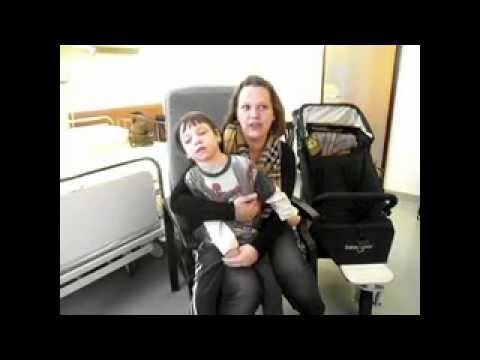



.png)














Share this listing