


The Complete Guide to Heart Valve Replacement Surgery in India: Costs, Hospitals, and Care
Facing a severe cardiac diagnosis is overwhelming, particularly when dealing with exorbitant medical costs and long waiting lists in western nations. However, Heart Valve Replacement Surgery in India presents a life-saving, highly affordable alternative for international patients. Every year, thousands of individuals travel to Indian medical hubs to receive state-of-the-art cardiovascular treatments from globally renowned specialists.
By choosing India for your critical cardiac care, you gain immediate access to JCI-accredited hospitals, cutting-edge minimally invasive technologies, and comprehensive medical tourism packages. Watch our video to discover how prioritizing your heart health overseas can save your life and your life savings without ever compromising on clinical excellence.
Video Chapters & Quick Navigation
Understanding the Burden of Valvular Heart Disease
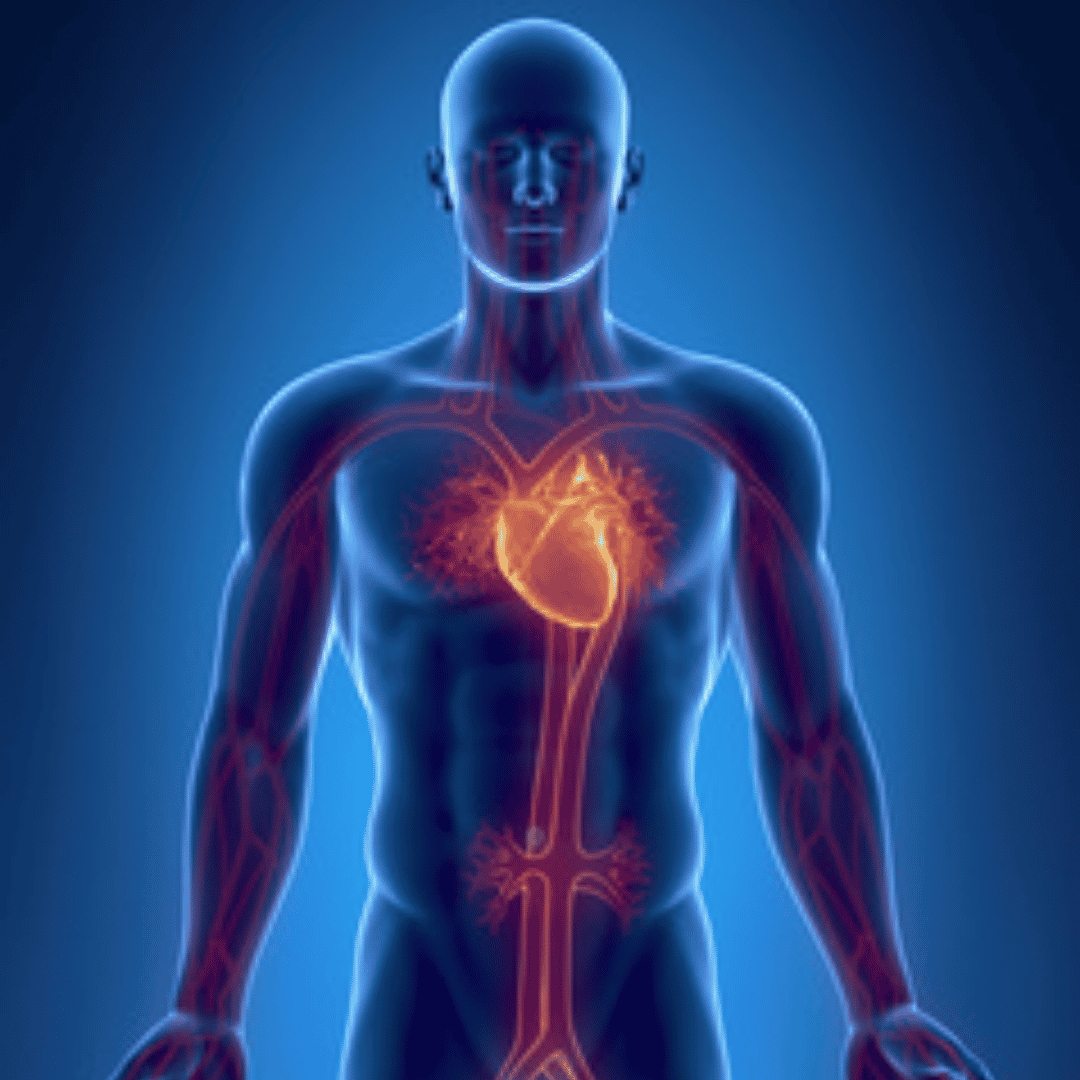
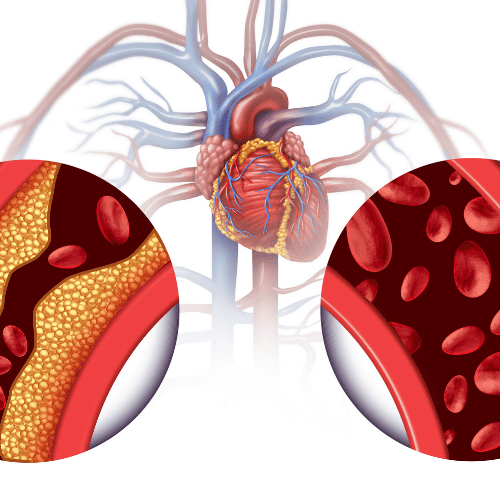
The human heart relies on four crucial valves—the aortic, mitral, tricuspid, and pulmonary—to ensure blood flows in the correct direction. When these valves become diseased or damaged, the entire cardiovascular system is thrown into jeopardy. Conditions like aortic stenosis (narrowing of the valve) or mitral regurgitation (leaking of the valve) force the heart muscle to work significantly harder.
Over time, this increased strain leads to debilitating symptoms that severely impact a patient's quality of life. As highlighted at in our video, individuals often experience chronic fatigue, severe shortness of breath, chest pain, and lightheadedness. If left untreated, severe valvular heart disease can inevitably lead to congestive heart failure or sudden cardiac arrest.
For many patients, medication can only manage the symptoms temporarily; it cannot fix the mechanical failure of a damaged valve. Surgical intervention becomes a critical, life-saving necessity. Unfortunately, the sheer cost of open-heart surgery in countries like the United States or Canada creates a massive barrier to timely, effective medical care.
The Hidden Dangers of Long Waiting Lists
In countries with universal healthcare systems, such as the United Kingdom or Canada, the financial burden might be lower, but the cost is paid in time. Patients are frequently placed on waiting lists that stretch for several months or even over a year for non-emergency cardiac procedures.
During this waiting period, a patient's heart condition can deteriorate rapidly. The heart muscle may become permanently enlarged or weakened, making future surgical interventions riskier and less effective. Seeking affordable heart valve replacement surgery in India eliminates these dangerous wait times entirely.
Why Choose India for Complex Cardiac Care?
India has rapidly cemented its reputation as the premier global destination for advanced cardiology and cardiothoracic surgery. This transformation is not merely about competitive pricing; it is driven by an unyielding commitment to clinical excellence and patient safety. Indian healthcare institutions have heavily invested in state-of-the-art medical infrastructure that mirrors the best hospitals in the West.
Furthermore, as discussed at , the country boasts a vast network of Joint Commission International (JCI) accredited hospitals. This prestigious accreditation guarantees that the facility adheres to the strictest global standards for surgical safety, sterilization protocols, and post-operative critical care monitoring.
Globally Trained Cardiothoracic Surgeons
The true backbone of India's medical tourism success is its highly skilled medical professionals. The top cardiothoracic surgeons in India routinely possess decades of surgical experience, often having performed thousands of successful open-heart and minimally invasive procedures throughout their careers.
It is incredibly common for these leading specialists to have completed extensive fellowships and advanced surgical training in the United States, the United Kingdom, or Germany. They bring international best practices back to India, ensuring international patients receive the highest tier of surgical precision and care.
Language and Cultural Comfort
A major concern for patients traveling abroad for medical treatment is the potential for language barriers. Fortunately, the medical sector in India is entirely English-speaking. From the chief cardiac surgeon to the intensive care nurses and administrative staff, communication is seamless and professional.
This fluency ensures that patients fully understand their diagnosis, the details of their surgical procedure, and their post-operative recovery protocols. International patient departments are specifically designed to make foreign visitors feel culturally comfortable, respected, and fully informed at all times.
Shattering the Price Tag: The Cost of Heart Valve Surgery in India
The most compelling reason patients look overseas for cardiac care is the astronomical cost of healthcare in their home countries. In the United States, an uninsured or underinsured patient can expect a bill exceeding $100,000 to $200,000 for a standard heart valve replacement procedure.
In stark contrast, the cost of heart valve surgery in India is incredibly affordable, typically ranging between $6,000 and $10,000. This represents a staggering savings of up to 70% to 80%. Even when factoring in round-trip international airfare, luxury hotel accommodations, and extended recovery time, the total financial outlay is a fraction of the cost in the West.
Global Cardiac Surgery Cost Comparison
To truly understand the financial advantages of medical tourism for cardiology, it is helpful to view a side-by-side comparison. The table below outlines the estimated costs for a single heart valve replacement across different global regions.
| Country | Estimated Cost (USD) | Average Wait Time |
|---|---|---|
| United States | $120,000 - $200,000 | Immediate (If Insured) |
| United Kingdom | $40,000 (Private) | 6 to 12 Months (NHS) |
| Singapore | $35,000 - $50,000 | Minimal |
| India | $6,000 - $10,000 | Zero Wait Time |
Transparent All-Inclusive Medical Packages
One of the major benefits of utilizing a medical tourism facilitator like PlacidWay is the availability of all-inclusive pricing. Patients are not hit with surprise hospital bills or hidden surgical fees. The quoted price typically encompasses the surgeon's fee, anesthesia, intensive care unit (ICU) charges, and the cost of the prosthetic valve itself.
These comprehensive packages also routinely cover vital pre-operative diagnostics. This includes advanced 2D Echocardiograms, Holter monitoring, and coronary angiography, ensuring the surgical team has a perfectly accurate map of the patient's cardiovascular health before making a single incision.
Advanced Surgical Options for Valve Replacement
Cardiac surgery is not a one-size-fits-all endeavor. The best cardiac hospitals in India offer a wide array of surgical approaches tailored to the specific anatomical needs and overall health profile of the international patient.
Traditional Open-Heart Valve Replacement
The traditional approach involves a sternotomy, where the surgeon opens the chest cavity to gain direct access to the heart. The patient is placed on a cardiopulmonary bypass machine, which temporarily takes over the function of the heart and lungs.
While this is the most invasive method, it remains the gold standard for complex cases, especially when multiple valves need to be repaired or replaced simultaneously. Indian cardiac surgeons execute this highly delicate procedure with exceptional success rates that rival the best surgical centers in the world.
Minimally Invasive Cardiac Surgery (MICS)
As mentioned at , many top-tier Indian hospitals now specialize in Minimally Invasive Cardiac Surgery. Instead of a large central incision, surgeons access the heart through small incisions between the ribs using specialized endoscopic instruments.
This advanced technique offers profound benefits for the patient. It significantly reduces post-operative pain, minimizes surgical scarring, lowers the risk of blood loss, and drastically accelerates the overall recovery timeline, allowing patients to return to their normal lives much faster.
Transcatheter Aortic Valve Replacement (TAVR / TAVI)
For elderly patients or those deemed too high-risk for traditional open-heart surgery, India offers cutting-edge Transcatheter Aortic Valve Replacement (TAVR). This is a revolutionary, minimally invasive procedure where a new valve is delivered to the heart via a catheter inserted through the femoral artery in the groin.
Because the chest is never opened, TAVR patients often experience phenomenally fast recovery times. The availability of affordable TAVR procedures in India has been a massive draw for international patients who would otherwise be denied life-saving treatment due to surgical risk profiles in their home countries.
Choosing the Right Implant: Mechanical vs. Biological Tissue Valves
A critical decision patients must make in consultation with their Indian cardiologist is the type of prosthetic valve to be implanted. Both mechanical and biological valves have distinct advantages, and the choice heavily depends on the patient's age, lifestyle, and medical history.
Mechanical Heart Valves
Mechanical valves are manufactured from highly durable synthetic materials like carbon and titanium. Their primary advantage is their incredible longevity. A high-quality mechanical valve is designed to last a lifetime, virtually eliminating the need for a secondary replacement surgery.
However, the trade-off is that patients with mechanical valves must commit to taking prescription blood-thinning medication (anticoagulants) for the rest of their lives to prevent blood clots. Regular blood tests are also required to monitor medication levels and ensure patient safety.
Biological (Tissue) Heart Valves
Biological valves are created from specially treated animal tissue, most commonly from porcine (pig) or bovine (cow) sources. These valves closely mimic the natural blood flow dynamics of a human heart. The massive benefit of biological valves is that patients generally do not require long-term blood-thinning medication.
The drawback is durability. Tissue valves tend to wear out over time, typically lasting between 10 to 15 years before a replacement may be necessary. For older patients, a biological valve is often the preferred choice to avoid the complications associated with lifelong anticoagulants.
Regardless of the choice, Indian hospitals utilize globally recognized, FDA-approved implant brands such as Edwards Lifesciences, Medtronic, and St. Jude Medical, ensuring the absolute highest quality of cardiovascular prosthetics.
Navigating the Top Cardiac Hospitals in India
India's major metropolitan hubs—such as New Delhi, Mumbai, Chennai, and Bangalore—are home to massive, multi-specialty healthcare campuses. These institutions are dedicated to providing world-class cardiothoracic care tailored specifically to the needs of the international traveler.
- Apollo Hospitals Group: Widely considered a pioneer in corporate healthcare in India, Apollo boasts dedicated Institutes of Orthopedics and Cardiology that have performed hundreds of thousands of successful heart surgeries.
- Fortis Healthcare: Known for their heavy investment in robotic and minimally invasive surgical technologies. Fortis Escorts Heart Institute in New Delhi is globally recognized for handling highly complex pediatric and adult cardiac cases.
- Max Super Speciality Hospitals: Recognized for their rigorous clinical protocols and exceptional international patient lounges that handle everything from medical visa extensions to personalized dietary requirements.
These top-tier facilities feature dedicated Cardiac Intensive Care Units (CICUs) staffed 24/7 by specialized intensivists. This ensures that the critical first 48 hours following a heart valve replacement are monitored with absolute precision.
The Medical Tourism Experience: Seamless Travel and Care
Traveling halfway across the world for major heart surgery can understandably cause anxiety. However, the medical tourism infrastructure in India is highly mature and explicitly designed to remove every ounce of logistical stress from the patient and their accompanying family members.
Dedicated International Patient Coordinators
From the moment you inquire about treatment, you are assigned a dedicated international patient coordinator. As detailed at , this professional acts as your personal liaison. They assist with procuring official medical invitation letters required for an Indian e-Medical Visa, streamlining the entire immigration process.
Upon arriving in India, patients are typically greeted directly at the airport terminal and transported to their hospital or luxury hotel via a private, medically equipped vehicle. You are never left to navigate a foreign city or public transportation system on your own.
Accommodations and Companion Care
Indian cardiac hospitals understand that family support is vital for surgical recovery. They offer specialized inpatient suites that include comfortable sleeping arrangements, meals, and Wi-Fi for the patient's companion.
Furthermore, local hotels and serviced apartments near major hospitals offer extended-stay discounts for medical tourists. This allows families to stay close to the medical facility during the crucial post-operative rehabilitation phase without incurring massive lodging expenses.
Post-Operative Recovery Protocols and Long-Term Success
The success of a heart valve replacement surgery in India does not end in the operating theater. Comprehensive post-operative care and cardiac rehabilitation are fundamental pillars of the medical tourism experience.
Immediate Post-Surgical Monitoring
Following the procedure, patients generally spend 2 to 3 days in the Cardiac ICU, where specialized nurses monitor hemodynamics, respiratory function, and pain management. Once stabilized, the patient is moved to a private ward for an additional 5 to 7 days of observation.
During this inpatient period, physiotherapists begin gentle mobilization exercises. Patients are taught specific breathing techniques to prevent pneumonia and are encouraged to take short walks to promote healthy blood circulation and accelerate the healing process.
Cardiac Rehabilitation and Returning Home
International patients are advised to remain in India for approximately 2 to 3 weeks after being discharged from the hospital. This buffer period allows the surgical team to conduct thorough follow-up evaluations, remove surgical sutures, and ensure the new valve is functioning flawlessly before the patient boards a long-haul flight home.
Before departure, patients receive an exhaustive medical dossier. This includes all surgical notes, diagnostic imaging on digital media, and a detailed long-term medication and dietary plan. This ensures a seamless transition of care to the patient's local cardiologist back home, securing a lifetime of renewed heart health.
Ready to Reclaim Your Heart Health in India?
Do not let exorbitant medical costs or long waiting lists compromise your cardiovascular health. PlacidWay connects you with globally accredited cardiac centers and elite surgeons in India for highly affordable, world-class heart valve replacement procedures. Let our dedicated team handle the logistics while you focus entirely on your healing.
GET A FREE MEDICAL QUOTE


-Package-in-Riyadh,-Saudi-Arabia-at-King-Faisal-Specialist-Hospital-Thumbnail.jpg)















Share this listing