
Alvaro de Ferranti at the European Ibogaine Foundation: Origins of the Tabula Rasa Retreat Project
About this presentation: Discover the groundbreaking origins of the Tabula Rasa Retreat project as Alvaro de Ferranti speaks at the European Ibogaine Foundation. For decades, individuals struggling with severe substance use disorders have faced revolving-door rehabilitation models with low long-term success rates. Traditional opiate withdrawal management often merely substitutes one dependency for another, leaving patients spiritually and physically depleted.
Today, holistic addiction treatment is experiencing a paradigm shift. Through alternative psychedelic plant medicine, individuals are finding profound healing. Explore how Alvaro de Ferranti established a premier ibogaine treatment center in Europe, offering a genuine "blank slate" for recovery.
Video Chapters & Quick Navigation
The Visionary Behind the Retreat: Alvaro de Ferranti's Journey
The global conversation surrounding alternative addiction recovery programs has been rapidly evolving over the past decade. At the forefront of this movement is Alvaro de Ferranti, a passionate advocate for psychedelic plant medicine and the founder of the Tabula Rasa Retreat. His journey into the world of alternative healing was not born out of a simple business venture, but rather a profound recognition of the failures inherent in modern psychiatric addiction models.
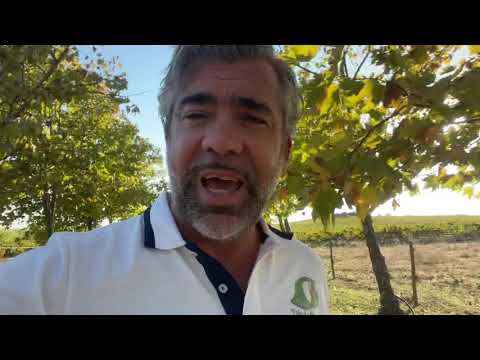
During his address to the European Ibogaine Foundation , Ferranti details how he witnessed countless individuals suffering from the grueling cycle of relapse. Traditional 12-step programs and extended inpatient rehabilitation centers were simply not equipped to handle the severe physiological demands of long-term opiate addiction. He recognized that a radical paradigm shift was necessary to truly heal the traumatized brain.
This realization planted the seeds for a comprehensive holistic addiction treatment center. Ferranti sought to create an environment where the highly stigmatized use of psychedelic substances could be brought into a clinical, safe, and deeply supportive setting. His vision was to bridge the gap between ancient indigenous wisdom and rigorous modern medical protocols, ensuring that individuals seeking help would not have to risk their lives in unregulated underground clinics.
Understanding Ibogaine: A Catalyst for Addiction Interruption
To fully grasp the magnitude of the Tabula Rasa Retreat project, one must understand the unique pharmacological properties of its primary therapeutic tool. Ibogaine is a naturally occurring psychoactive alkaloid extracted from the root bark of the Tabernanthe iboga plant, native to Central West Africa. For centuries, the Bwiti people have utilized this powerful plant medicine in traditional spiritual initiation ceremonies.
The Science of Psychedelic Plant Medicine
In a western clinical context, ibogaine has demonstrated an unprecedented ability to interrupt severe chemical dependencies. As Ferranti explains in his keynote presentation , the alkaloid interacts with multiple neurotransmitter systems simultaneously. It effectively resets the brain's dopamine and serotonin receptors to a pre-addicted state, a phenomenon often described by patients as having their neural pathways "rebooted."
Furthermore, clinical observations suggest that ibogaine promotes the release of Glial Cell Line-Derived Neurotrophic Factor (GDNF). This specific protein encourages the survival and growth of certain neurons, essentially helping the brain repair the structural damage caused by years of chronic substance abuse. This neuroplasticity is a critical component of long-term addiction recovery that traditional pharmaceuticals simply cannot replicate.
Overcoming Severe Opiate Withdrawal
Perhaps the most miraculous aspect of ibogaine treatment is its impact on acute withdrawal syndrome. For individuals dependent on heroin, fentanyl, or prescription painkillers, the fear of debilitating withdrawal symptoms is the primary barrier to sobriety. Traditional detox methods often involve weaning patients through methadone or Suboxone, which can result in prolonged, agonizing discomfort.
Ibogaine has the remarkable ability to drastically attenuate, and in many cases completely eliminate, physical opioid withdrawal symptoms within hours of administration. Patients who enter the clinic in active withdrawal can emerge from their psychedelic journey 24 to 36 hours later completely free of physical cravings. This physical reset is what makes ibogaine therapy for opiate addiction a revolutionary breakthrough in modern psychiatric medicine.
The Birth of the Tabula Rasa Retreat Project in Portugal
The Latin phrase "Tabula Rasa" translates to "blank slate," a concept that perfectly encapsulates the philosophy of Alvaro de Ferranti's project. When conceiving the retreat, Ferranti knew that location would be paramount to the program's success. He chose the serene, natural landscapes of the Alentejo region in Portugal, a country renowned for its progressive, health-first approach to drug policy and decriminalization.
Building a Safe Haven for Deep Healing
Portugal’s decriminalization framework provided the ideal socio-legal environment to establish a world-class alternative rehab center. Ferranti envisioned a sanctuary far removed from the sterile, hospital-like environments of standard detox facilities. As noted in the presentation , the physical space of the retreat was meticulously designed to foster a sense of psychological safety, tranquility, and introspection.
The environment plays a crucial role in psychedelic therapy. Patients undergoing ibogaine treatment enter a deeply vulnerable, dream-like state known as the oneirophrenic phase. During this time, they often confront suppressed traumas, unresolved emotional conflicts, and the psychological root causes of their addiction. Having a comfortable, nature-immersed environment ensures that this intense psychological unearthing happens without external stressors.
Establishing Medical Protocols and Safety Standards
Despite its profound benefits, ibogaine is not without medical risks. It can cause bradycardia (a slowed heart rate) and prolong the QT interval in the heart, which can lead to dangerous cardiac arrhythmias if not properly monitored. Ferranti's primary mission with the Tabula Rasa Retreat was to standardize safety protocols within the underground ibogaine community.
To ensure absolute patient safety, the retreat implements a rigorous, multi-tiered screening and monitoring process. This dedication to medical excellence has set a benchmark for psychedelic treatment centers worldwide. Key safety protocols include:
- Comprehensive Cardiac Screening: Every prospective patient must undergo detailed 12-lead Electrocardiograms (EKGs) and stress tests prior to admission to rule out pre-existing heart conditions.
- Extensive Blood Panels: Comprehensive metabolic panels, liver function tests, and electrolyte screenings are mandatory to ensure the body can metabolize the alkaloid safely.
- Continuous Vital Monitoring: During the active phase of the journey, patients are connected to hospital-grade telemetry monitors. Medical professionals continuously track heart rate, oxygen saturation, and blood pressure.
- On-Site Medical Personnel: The facility is staffed around the clock with Advanced Cardiac Life Support (ACLS) certified nurses and consulting emergency physicians.
Comprehensive Holistic Addiction Treatment Modalities
While the ibogaine flood dose is the cornerstone of the Tabula Rasa experience, Ferranti frequently emphasizes that the medicine is not a magic bullet. It is an addiction interrupter that provides a window of opportunity. To capitalize on this neuroplastic window, the retreat employs a wide array of holistic, complementary therapies.
At the European Ibogaine Foundation summit , Ferranti outlines how true healing requires addressing the mind, body, and spirit simultaneously. Once the acute withdrawal is halted, the physical body must be rejuvenated, and the nervous system must be re-regulated.
Patients at the retreat participate in daily mindfulness meditation, trauma-informed yoga, and intensive somatic breathwork sessions. Furthermore, nutritional rehabilitation is heavily prioritized. Years of substance abuse leave individuals severely depleted of essential vitamins and minerals. The culinary team at Tabula Rasa focuses on anti-inflammatory, nutrient-dense diets to accelerate cellular repair and stabilize mood fluctuations.
Comparing Traditional Rehab vs. Ibogaine Therapy
When analyzing the value of alternative addiction recovery programs, a direct comparison to standard rehabilitation models is illuminating. The traditional 30-day inpatient model has remained largely unchanged for decades, despite mounting evidence of its limitations in treating severe chemical dependencies.
| Treatment Metric | Traditional 30-Day Rehab | Ibogaine-Assisted Therapy |
|---|---|---|
| Withdrawal Management | Prolonged discomfort; reliance on tapering drugs like Methadone or Buprenorphine. | Rapid attenuation of acute physical withdrawal symptoms within 24-48 hours. |
| Psychological Breakthrough | Requires weeks or months of intensive cognitive behavioral therapy to uncover trauma. | Rapid, deep access to subconscious trauma during the oneirophrenic psychedelic phase. |
| Neurochemical Impact | Gradual receptor healing; post-acute withdrawal syndrome (PAWS) is highly common. | Resets dopamine/serotonin receptors to pre-addicted states; reduces PAWS severity. |
| Duration of Core Treatment | Typically 30 to 90 days of inpatient stabilization. | Intensive 7 to 10-day retreat model focusing on the flood dose and immediate integration. |
The Role of the European Ibogaine Foundation
Alvaro de Ferranti's involvement with the European Ibogaine Foundation highlights his commitment to the broader global movement of psychedelic medicine. The foundation serves as a critical nexus for medical professionals, researchers, policy advocates, and treatment providers. Their shared goal is to de-stigmatize ibogaine and push for legal frameworks that allow for rigorous clinical research.
During his talk , Ferranti stresses that unregulated underground treatment providers pose a significant threat to the future of this medicine. Without strict medical guidelines, preventable adverse events can occur, which ultimately fuels prohibitionist drug policies. The foundation works tirelessly to establish universal best practices, ethical guidelines, and comprehensive training modules for aspiring ibogaine facilitators.
By openly sharing the clinical data and operational blueprints from the Tabula Rasa Retreat, Ferranti is helping the foundation build a compelling case for the reclassification of ibogaine in Europe and beyond. This collaborative effort is essential for integrating traditional plant medicines into modern psychiatric care safely and effectively.
Patient Preparation and the Integration Process
One of the most profound insights shared by Ferranti is that the psychedelic experience itself is only 10% of the healing equation. The remaining 90% relies entirely on thorough patient preparation before the journey, and meticulous psycho-spiritual integration afterward. Failing to properly prepare a patient can lead to a terrifying psychedelic experience, while failing to integrate the insights can lead to rapid relapse.
Pre-treatment preparation at Tabula Rasa involves multiple therapeutic consultations. Counselors work with patients to set clear intentions, manage expectations, and teach grounding techniques to navigate the overwhelming visions that may arise during the flood dose. Patients are taught to surrender to the experience rather than resist it, a mindset that profoundly impacts the efficacy of the treatment.
The Post-Treatment Integration Window
Following the administration of ibogaine, patients enter a critical window of neuroplasticity that can last for several months. During this time, the brain is highly receptive to new habit formation and behavioral changes. Ferranti emphasizes that returning to a toxic home environment immediately after treatment is a recipe for disaster.
To combat this, comprehensive aftercare planning is a non-negotiable aspect of the Tabula Rasa program. This includes ongoing virtual integration therapy, connecting patients with local psychedelic integration circles, and coordinating with sober living environments when necessary. The ultimate goal is to help the individual translate the profound spiritual insights gained during their ibogaine journey into sustainable, daily life changes.
The Global Impact of Alternative Addiction Solutions
The origins of the Tabula Rasa Retreat project represent much more than the creation of a single rehabilitation center. It symbolizes a global awakening to the fact that addiction is not a moral failing, but a complex bio-psycho-spiritual disorder requiring multifaceted, innovative interventions. Alvaro de Ferranti's work continues to inspire a new generation of healers and medical professionals.
As the devastating impacts of the global opioid epidemic continue to ravage communities, the demand for effective, rapid-acting addiction interrupters has never been higher. The integration of psychedelic plant medicine into clinical environments is proving to be one of the most promising developments in modern psychiatric history.
Through stringent medical protocols, deeply compassionate care, and a profound respect for ancient indigenous knowledge, pioneers like Ferranti are rewriting the narrative of addiction recovery. They are providing a beacon of hope for those who have been left behind by conventional medicine, offering them a true blank slate to begin their lives anew.
Ready to Explore Alternative Addiction Treatment?
If you or a loved one is seeking a groundbreaking approach to addiction recovery, world-class holistic healing centers are accessible globally. Connect with top-tier, medically supervised facilities to begin your journey toward a true blank slate.
REQUEST INFO & GET A FREE QUOTE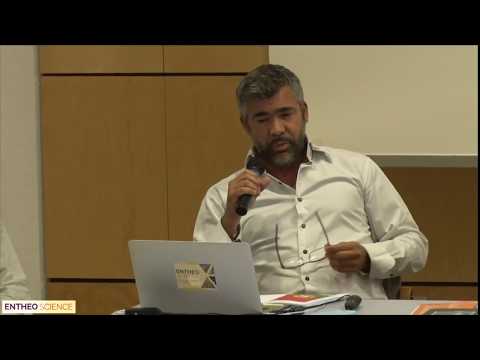







.png)
.png)
.png)
.jpg)
.jpg)

.jpg)









Share this listing