


The Complete Guide to Bariatric Surgical Procedures with Dr. Jorge Maytorena
Struggling with severe obesity is a complex medical challenge that diet alone often cannot resolve. In the informative video "Surgical Procedures part 1 | Dr. Jorge Maytorena, Bariatric Surgeon," patients discover life-changing insights into modern metabolic interventions. Dr. Jorge Maytorena, a globally recognized bariatric specialist, details foundational weight loss surgeries designed for long-term health. This comprehensive guide explores surgical mechanics, patient candidacy, and the incredible benefits of affordable weight loss surgery in Mexico.
Video Chapters & Quick Navigation
The Obesity Epidemic and the Need for Surgical Intervention
Obesity is no longer viewed by the medical community as a simple lack of willpower or poor dietary choices. It is a complex, chronic, and progressive metabolic disease that significantly impacts a patient's overall quality of life. For millions of individuals worldwide, traditional diet and exercise regimens yield only temporary results, leading to a frustrating cycle of weight loss and regain.
This biological resistance to sustained weight loss is exactly why surgical interventions for morbid obesity have become a medical necessity rather than an elective luxury. As discussed in the video at , bariatric surgery acts as a powerful metabolic reset. It alters the gastrointestinal anatomy to correct the hormonal imbalances that drive chronic hunger.
Understanding Metabolic Syndrome and Comorbidities
Severe obesity rarely exists in isolation; it brings a host of dangerous comorbidities known collectively as metabolic syndrome. Patients often suffer from type 2 diabetes, severe obstructive sleep apnea, clinical hypertension, and debilitating joint pain. These conditions exponentially increase the risk of cardiovascular disease and premature mortality.
By undergoing metabolic surgery, patients do more than just shed excess pounds. They actively reverse these life-threatening comorbidities. The surgical alteration of the digestive tract induces rapid improvements in insulin sensitivity, often resolving type 2 diabetes before significant weight loss even occurs.
Gastric Sleeve Surgery Mechanics: The Leading Procedure
The laparoscopic vertical sleeve gastrectomy, commonly known as the gastric sleeve, stands as the most frequently performed bariatric surgery globally. Its immense popularity stems from its high safety profile, relatively straightforward surgical technique, and outstanding clinical outcomes. During this procedure, the surgeon removes approximately eighty percent of the patient's stomach volume.
As highlighted by Dr. Jorge Maytorena at , the remaining stomach takes the shape of a narrow tube or "sleeve," roughly the size of a banana. This dramatic reduction creates a powerful restrictive mechanism. Patients physically cannot consume large portions of food, leading to a significant decrease in daily caloric intake.
The Hormonal Power of the Gastric Sleeve
While the physical restriction of the gastric sleeve is important, its true transformative power lies in its hormonal impact. The portion of the stomach that is surgically removed is called the gastric fundus. The fundus is the primary site for the production of ghrelin, the body's main hunger hormone.
By excising this specific tissue, the gastric sleeve procedure drastically lowers circulating ghrelin levels in the bloodstream. Patients routinely report a profound and immediate reduction in physical hunger and food cravings post-surgery. This hormonal suppression makes adhering to a reduced-calorie diet feel natural rather than like a constant psychological battle.
Understanding the Gastric Bypass: The Gold Standard
For decades, the Roux-en-Y gastric bypass has been heralded as the gold standard of bariatric surgery. It is a highly sophisticated procedure that combines both restrictive and malabsorptive mechanics to maximize weight loss. The surgeon begins by creating a small, egg-sized pouch at the top of the stomach, permanently separating it from the larger lower portion.
Next, the small intestine is divided and rerouted directly to the newly created stomach pouch. As explained at , this rerouting forces food to bypass the lower stomach, the duodenum, and the first section of the jejunum. Because the digestive tract is shortened, the body absorbs significantly fewer calories and nutrients from the food consumed.
Why Choose the Roux-en-Y Procedure?
The gastric bypass is particularly recommended for patients suffering from severe gastroesophageal reflux disease (GERD) or treatment-resistant type 2 diabetes. The rerouting of the intestines effectively eliminates acid reflux by diverting bile and stomach acids away from the esophagus. Furthermore, the rapid delivery of food to the lower intestine triggers immediate hormonal responses that stabilize blood sugar levels.
Another unique aspect of the bypass is a phenomenon known as dumping syndrome. If a patient consumes high-sugar or high-fat foods, the rapid emptying of food into the small intestine causes uncomfortable symptoms like nausea, sweating, and cramping. This acts as a powerful behavioral deterrent, conditioning patients to avoid unhealthy foods and adhere to proper bariatric dietary guidelines.
The Mini Gastric Bypass Alternative: Simplified Efficacy
The mini gastric bypass, also known as the single anastomosis gastric bypass, is an innovative evolution of the traditional Roux-en-Y. It was developed to provide the profound weight loss benefits of a bypass while reducing operating time and potential surgical complications. Dr. Maytorena details this modified approach at , noting its growing popularity among international patients.
Instead of creating two separate intestinal connections like the traditional bypass, the mini bypass involves only a single connection (anastomosis). The surgeon creates a long, narrow stomach pouch and loops a section of the small intestine up to attach to it. This "omega loop" design simplifies the surgical process while still delivering excellent malabsorptive weight loss results.
Balancing Risks and Rewards
The single anastomosis approach means patients spend less time under general anesthesia, which inherently reduces perioperative risks. The mini gastric bypass also typically boasts a slightly higher average percentage of excess weight loss compared to the gastric sleeve. It is an excellent middle-ground procedure for patients who need significant metabolic intervention but want a shorter surgical duration.
However, it is crucial to discuss the risk of bile reflux with your bariatric surgeon. Because the intestinal loop is not fully severed, there is a small chance that bile can wash back into the stomach pouch. Experienced surgeons like Dr. Maytorena utilize precise measurement techniques when creating the intestinal loop to mitigate this risk and ensure optimal patient comfort.
Comparing Bariatric Surgery Options: A Clinical Breakdown
Choosing the right bariatric procedure is a deeply personal medical decision that requires comprehensive evaluation. Factors such as initial body mass index (BMI), existing medical conditions, dietary habits, and surgical history must all be considered. The choice between a restrictive procedure and a malabsorptive procedure will dictate your long-term lifestyle requirements.
To help visualize the differences between these life-altering surgeries, refer to the comparative breakdown below. This data, echoed by Dr. Maytorena's presentation at , highlights the expected outcomes and primary mechanics of each major surgical intervention.
Why Choose Dr. Jorge Maytorena for Bariatric Surgery in Mexico?
When traveling abroad for major medical interventions, the skill and credentials of your chosen surgeon are paramount. Dr. Jorge Maytorena has established himself as a premier figure in the field of metabolic and bariatric surgery in Mexico. His extensive training, board certifications, and thousands of successful operative hours make him a highly sought-after specialist for international patients.
At , the emphasis on patient safety and advanced surgical technique becomes clear. Dr. Maytorena exclusively utilizes minimally invasive laparoscopic methods. This modern surgical approach relies on tiny incisions, high-definition surgical cameras, and specialized instruments to perform complex internal alterations with maximum precision.
The Benefits of Laparoscopic Excellence
The advantages of Dr. Maytorena's laparoscopic expertise cannot be overstated. By avoiding the massive abdominal incisions used in open surgery, patients experience drastically reduced post-operative pain and a significantly lowered risk of wound site infections. This technique also minimizes blood loss during the procedure, contributing to a much safer operating room environment.
Furthermore, the minimally invasive approach accelerates the overall recovery timeline. Most patients are up and walking the hospital hallways within mere hours of waking up from anesthesia. This early mobilization is critical for preventing deep vein thrombosis and ensuring a smooth transition back to normal daily activities within just a few weeks.
The Role of Medical Tourism in Affordable Weight Loss Surgery
The cost of healthcare in the United States and Canada has skyrocketed, placing life-saving metabolic surgeries completely out of reach for uninsured or underinsured patients. In North America, a standard gastric sleeve can easily exceed twenty thousand dollars out of pocket. This financial barrier forces countless individuals to continue suffering from the debilitating effects of morbid obesity.
Medical tourism for bariatric surgery in Mexico completely shatters this financial barrier. World-class facilities in cities like Tijuana offer premium surgical interventions for a fraction of the cost found in the United States. As highlighted at , patients can save up to seventy percent without compromising on the quality of care or the integrity of surgical materials used.
Comprehensive All-Inclusive Bariatric Packages
The affordability of bariatric surgery in Mexico is further enhanced by the structure of all-inclusive medical tourism packages. Clinics facilitated by platforms like PlacidWay understand the logistical stress of traveling abroad for surgery. Therefore, they curate seamless experiences that cover every aspect of the patient's medical journey from start to finish.
These comprehensive packages typically bundle the surgeon's fees, anesthesia costs, operating room time, and state-of-the-art hospital accommodations into one transparent price. Additionally, luxury hotel stays for the recovery period, private ground transportation from the airport, and comprehensive pre-operative medical evaluations are completely covered, ensuring peace of mind for international travelers.
Post-Operative Care and Lifelong Nutritional Guidelines
Bariatric surgery is a powerful tool, but it is not a magical cure for obesity. Achieving and maintaining massive weight loss requires a lifelong commitment to drastic dietary and lifestyle modifications. The moment a patient leaves the surgical center, their actual weight loss journey begins, starting with a strict phased dietary progression to allow the newly formed stomach to heal properly.
As discussed at , patients must adhere to specific nutritional phases. The recovery starts with a clear liquid diet, gradually advancing to full liquids, pureed foods, and eventually soft solid foods over the course of several weeks. Ignoring these phases can lead to severe complications such as staple line leaks, severe nausea, and dangerous dehydration.
Prioritizing Protein and Vitamin Supplementation
Because the anatomical alterations severely restrict food volume—and in the case of bypass procedures, induce malabsorption—macronutrient prioritization is critical. Protein becomes the absolute centerpiece of the bariatric diet. Patients must consume sixty to eighty grams of high-quality protein daily to prevent lean muscle mass depletion and combat hair loss during the rapid weight loss phase.
Equally important is the lifelong commitment to bariatric vitamin supplementation. The altered digestive tract struggles to naturally absorb essential micronutrients from food alone. Patients must take specialized chewable or liquid multivitamins, calcium citrate, iron, and sublingual B12 to prevent dangerous nutritional deficiencies, chronic fatigue, and long-term neurological complications.
The Psychological Transformation of Massive Weight Loss
Beyond the physical recovery, patients must navigate the profound emotional and psychological changes that accompany rapid weight loss. Food can no longer serve as an emotional coping mechanism due to the physical restrictions of the surgery. This abrupt shift often forces individuals to confront underlying psychological issues related to food addiction and binge eating disorders.
Integrating into post-operative support groups and seeking behavioral therapy is highly recommended for long-term success. Understanding body dysmorphia, learning new stress management techniques, and celebrating non-scale victories are essential components of a healthy bariatric lifestyle. With the surgical expertise of Dr. Jorge Maytorena and a dedicated mindset, lifelong metabolic health is entirely achievable.
Ready to Begin Your Weight Loss Journey in Mexico?
PlacidWay Medical Tourism connects you with elite bariatric specialists like Dr. Jorge Maytorena. Discover world-class surgical care, all-inclusive packages, and unparalleled savings in Mexico. Take the first step toward reclaiming your health and vitality today.
GET A FREE QUOTE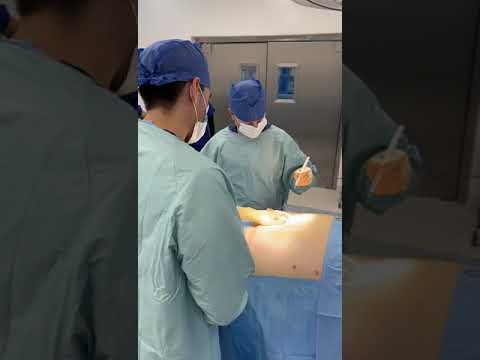




.jpg)










Share this listing