


Ultrasound Guided Injection for Rotator Cuff Injury: Advanced Non-Surgical Shoulder Pain Relief
Living with chronic shoulder pain can severely impact your quality of life and limit everyday activities. An ultrasound guided injection for rotator cuff injury represents a breakthrough in non-surgical orthopedic care. By utilizing real-time high-resolution imaging, medical professionals can accurately target inflamed tissue, delivering medication exactly where it is needed most.
This advanced diagnostic and therapeutic procedure maximizes pain relief while minimizing the risk of complications associated with traditional blind injections. If you are struggling with a torn rotator cuff, severe tendinopathy, or subacromial bursitis, understanding this minimally invasive treatment is your first step toward restoring mobility and reclaiming your active lifestyle.
Video Chapters & Quick Navigation
Understanding the Complexity of Rotator Cuff Injuries
The shoulder joint is one of the most complex and highly mobile joints in the human body. This incredible range of motion is primarily supported by the rotator cuff, a specialized group of four muscles and their corresponding tendons. These interconnected tissues work in unison to stabilize the upper arm bone within the shallow shoulder socket.
Because the shoulder is subjected to constant daily use and immense mechanical stress, these tendons are highly susceptible to wear, tear, and acute trauma. A rotator cuff injury can range from mild microscopic tendon fraying to severe, full-thickness tears that completely detach the muscle from the bone. As highlighted in the clinical demonstration at , recognizing the specific nature of the tissue damage is crucial for effective treatment.
When these tendons become damaged or inflamed, they often swell and rub against the overlying shoulder bone, creating a painful condition known as shoulder impingement. This continuous friction leads to chronic inflammation of the subacromial bursa, a fluid-filled sac designed to reduce joint friction. The resulting cascade of inflammation makes simple tasks, like reaching for a high shelf or sleeping on the affected side, excruciatingly painful.
The Vicious Cycle of Shoulder Pain
Chronic shoulder pain creates a detrimental physiological feedback loop. As the rotator cuff tendons become inflamed, the body naturally limits movement to protect the injured area. However, this prolonged lack of motion can cause the surrounding shoulder capsule to stiffen, potentially leading to adhesive capsulitis, commonly known as frozen shoulder.
Furthermore, persistent pain alters normal neuromuscular firing patterns. Patients subconsciously change their posture and shoulder mechanics to avoid discomfort, which places unnatural strain on secondary muscles in the neck and upper back. Breaking this cycle of pain and abnormal movement is the primary goal of targeted medical interventions like ultrasound guided orthopedic injections.
What is an Ultrasound Guided Injection for Rotator Cuff Injury?
An ultrasound guided injection for a rotator cuff injury is a highly specialized outpatient procedure that marries advanced imaging technology with therapeutic medicine. Instead of relying solely on physical landmarks and anatomical knowledge, the physician uses a high-frequency ultrasound machine to look directly inside the shoulder joint in real-time. This allows for unparalleled visibility of the soft tissues beneath the skin.
During the procedure, a linear array transducer is placed over the shoulder, emitting harmless sound waves that bounce back to create a detailed, live monitor display. The physician can clearly identify the specific tendon tear, the inflamed bursa sac, and any surrounding calcium deposits. As shown at , the needle is then introduced and tracked precisely on the screen as it navigates toward the target pathology.
This dynamic visualization ensures that the medication is deposited exactly into the microscopic space where the inflammation is occurring. Whether the goal is to bathe an inflamed subacromial bursa in corticosteroids or deliver regenerative platelets directly into a partial tendon tear, real-time ultrasound guidance guarantees that the therapeutic agents end up precisely where they belong.
The Physics of Musculoskeletal Ultrasound
Unlike X-rays or CT scans, which are excellent for viewing dense bone structures but poor at visualizing soft tissues, musculoskeletal ultrasound is the gold standard for examining tendons and ligaments. The high-frequency sound waves provide a distinct contrast between muscle fibers, fluid accumulations, and solid tendinous structures. This distinction is vital for accurate diagnostic assessments before an injection is even planned.
Additionally, ultrasound utilizes Doppler technology to assess blood flow within the shoulder joint. Chronic tendinopathy often presents with neovascularization, an abnormal growth of tiny blood vessels that are highly sensitive to pain. By identifying these hypervascular areas, physicians can target their injections to specifically address the most painful regions of the diseased tendon.
Why Blind Injections Are Falling Behind: The Accuracy Advantage
For decades, orthopedic surgeons and sports medicine physicians relied on landmark-guided, or "blind," injections to treat shoulder pain. This traditional method involves palpating the bony structures of the shoulder to estimate the location of the inflamed bursa or tendon. While many skilled practitioners have performed these successfully, medical research has revealed significant flaws in this outdated approach.
Clinical studies have consistently demonstrated that blind injections for shoulder pain can miss the targeted subacromial space up to 40% of the time. When the medication is inadvertently injected into the surrounding healthy muscle or fat tissue, the patient receives little to no pain relief. This lack of efficacy often leads to unnecessary suffering, repeated clinical visits, and a false assumption that non-surgical treatments have failed.
In stark contrast, an ultrasound guided corticosteroid injection for shoulder pain boasts an accuracy rate approaching 100%. By physically watching the needle enter the correct tissue plane on the monitor, the physician eliminates the guesswork. This heightened accuracy not only drastically improves patient outcomes but also prevents the accidental injection of potent steroids directly into a compromised tendon, which could potentially cause a complete tendon rupture.
| Feature | Traditional Blind Injection | Ultrasound Guided Injection |
|---|---|---|
| Target Accuracy | 60% - 70% average accuracy | 95% - 100% precision placement |
| Risk of Tendon Damage | Higher risk of accidental intratendinous injection | Minimal risk; needle is tracked on screen |
| Pain Relief Efficacy | Variable, highly dependent on anatomy estimation | Highly consistent and predictable relief |
| Diagnostic Capability | None during the procedure | Real-time assessment of tissue health |
Types of Injectable Medications for Shoulder Injuries
The success of an ultrasound guided injection for a rotator cuff injury depends not only on needle placement but also on the specific medication being delivered. Depending on the patient's unique diagnosis, age, and activity level, physicians may recommend different types of therapeutic agents. The most common and highly effective option is the corticosteroid injection.
Corticosteroids are powerful, localized anti-inflammatory medications that mimic the effects of cortisol produced naturally by the human body. When injected directly into an inflamed bursa or tendon sheath, they rapidly suppress the immune system's localized inflammatory response. This drastically reduces tissue swelling, alleviating the pressure that causes severe impingement pain when moving the arm overhead.
Local Anesthetics and Diagnostic Blocks
Alongside the corticosteroid, the injection mixture typically includes a rapid-acting local anesthetic, such as lidocaine or bupivacaine. This serves a dual purpose in musculoskeletal medicine. First, it immediately numbs the injection site and the surrounding internal structures, ensuring that the patient experiences minimal discomfort during and immediately after the procedure.
Second, the local anesthetic acts as a highly effective diagnostic tool. If the patient experiences immediate, significant pain relief within minutes of the injection, it confirms that the specific targeted area was indeed the primary source of their shoulder pain. This instantaneous feedback is invaluable for confirming complex shoulder diagnoses before proceeding with long-term rehabilitation plans.
Regenerative Options: Platelet-Rich Plasma (PRP)
For patients suffering from partial rotator cuff tears rather than just inflammation, physicians are increasingly turning to orthobiologics. Platelet-Rich Plasma (PRP) therapy involves drawing a small amount of the patient's own blood and spinning it in a centrifuge to isolate concentrated healing platelets. These growth factors are then injected directly into the torn tendon fibers using precise ultrasound guidance.
While corticosteroids are designed to mask pain and reduce swelling, PRP injections actively promote cellular regeneration and structural healing of the torn collagen fibers. This makes ultrasound guided PRP shoulder injections an excellent option for younger, active patients or those seeking to avoid invasive rotator cuff repair surgery altogether.
The Step-by-Step Clinical Procedure: What to Expect
Many patients experience anxiety leading up to an orthopedic joint injection. Understanding exactly what happens in the clinical setting can greatly alleviate these fears. The entire process for an ultrasound guided shoulder injection is remarkably efficient, typically completed within 15 to 20 minutes from start to finish in an outpatient clinic setting.
The appointment begins with a pre-injection sonographic assessment. The patient is comfortably seated while the physician applies a water-based transmission gel to the shoulder. Using the ultrasound probe, the doctor meticulously scans the rotator cuff anatomy to pinpoint the exact location of the tear, calcification, or bursitis. This preliminary scan, referenced at , maps out the safest and most direct trajectory for the needle.
The Sterile Preparation and Injection Process
Once the target is identified, the skin is thoroughly sterilized using an antiseptic solution like chlorhexidine or iodine to prevent any risk of joint infection. The physician may administer a small surface numbing injection to desensitize the skin layer. The ultrasound probe, now covered in a sterile sheath, is placed back onto the shoulder to regain the live image of the internal structures.
The physician then introduces a thin gauge needle into the skin. Utilizing an "in-plane" technique, the needle shaft and tip remain entirely visible as a bright white line on the ultrasound monitor as it advances through the tissue layers. Once the tip enters the precise target zone, such as the subacromial space, the medication is slowly administered. The doctor can actually watch the fluid distend the bursa sac in real-time, confirming flawless delivery.
Immediate Aftercare and Joint Monitoring
After the medication is fully injected, the needle is swiftly removed, and a standard sterile bandage is applied to the small puncture site. Due to the precision of the ultrasound guidance, there is rarely any significant bleeding or trauma to the surrounding muscles. The patient is usually asked to gently move their arm to distribute the medication throughout the joint capsule.
Before leaving the clinic, the physician will assess the immediate effects of the local anesthetic block. Patients are often amazed to find that movements which caused intense pain just twenty minutes prior are now completely painless. This immediate relief validates the success of the targeted procedure and provides a window of opportunity for effective physical therapy.
Identifying Ideal Candidates for Guided Shoulder Injections
While an ultrasound guided injection for a rotator cuff injury is a highly versatile and effective treatment, it is not a universal cure-all for every type of shoulder pathology. Determining patient candidacy relies on a thorough clinical examination, reviewing MRI or ultrasound imaging, and understanding the specific functional goals of the individual. Ideal candidates generally fall into several distinct categories of shoulder dysfunction.
Patients suffering from chronic subacromial bursitis or shoulder impingement syndrome are among the best candidates for this procedure. These individuals experience severe pain when lifting their arm above shoulder height due to inflamed tissues being pinched beneath the acromion bone. A targeted corticosteroid injection can rapidly deflate the swollen bursa, restoring normal, frictionless biomechanics to the shoulder joint.
Treating Partial Tendon Tears and Tendinosis
Individuals diagnosed with partial-thickness rotator cuff tears or degenerative tendinosis also benefit tremendously from ultrasound-guided interventions. Unlike massive, full-thickness tendon ruptures that often necessitate surgical anchoring, partial tears leave a portion of the tendon attached to the bone. As explained in the video at , precisely injecting anti-inflammatory or regenerative medicine near these micro-tears can manage pain and facilitate a natural healing environment.
Furthermore, patients with calcific tendinitis—a uniquely painful condition where solid calcium deposits form inside the rotator cuff tendons—are excellent candidates. Using ultrasound guidance, a physician can perform a procedure known as a "barbotage," where they use a needle to physically break up and aspirate the hardened calcium out of the tendon before injecting a soothing steroid to calm the irritated tissue.
Who Might Require Surgical Intervention?
It is important to acknowledge the limitations of injectable therapies. Patients who have sustained acute, traumatic full-thickness rotator cuff tears—where the tendon has entirely ripped away from the humerus bone—will typically not experience long-term healing from an injection alone. In these severe scenarios, the mechanical detachment of the muscle requires orthopedic surgery to manually suture the tissue back into place.
Even in surgical cases, however, an ultrasound guided diagnostic injection might still be utilized pre-operatively. By temporarily relieving the pain, the surgeon can more accurately assess the patient's underlying shoulder stiffness and joint mechanics, allowing for a better surgical plan and a more optimized postoperative rehabilitation strategy.
Post-Injection Recovery Timeline and Managing Expectations
Understanding the expected recovery timeline is crucial for patients undergoing an ultrasound guided injection for a rotator cuff injury. The healing process is not always perfectly linear, and knowing what sensations are normal can prevent unnecessary worry. Immediately following the procedure, the shoulder will feel numb and remarkably pain-free due to the local anesthetic mixed with the injection.
This "honeymoon phase" typically lasts for four to eight hours. Once the anesthetic inevitably wears off, it is entirely normal for patients to experience a temporary rebound in shoulder pain. This phenomenon, often referred to as a "steroid flare," occurs because the injected corticosteroid crystals temporarily irritate the delicate tissues before they begin to dissolve and exert their powerful anti-inflammatory effects.
Navigating the First 48 Hours
During the first 48 hours post-injection, conservative management is highly recommended. Patients should avoid heavy lifting, repetitive overhead reaching, and strenuous upper body workouts. Engaging in aggressive physical activity too soon can disperse the medication away from the target zone and exacerbate tissue irritation. Applying ice packs to the shoulder for 15 minutes at a time can effectively manage any localized soreness.
By day three or four, the powerful anti-inflammatory mechanisms of the corticosteroid begin to peak. Patients usually report a profound and sustained reduction in their baseline shoulder pain. Activities that were previously agonizing, such as brushing hair, reaching for a seatbelt, or finding a comfortable sleeping position, suddenly become easily manageable.
The Critical Role of Physical Therapy in Long-Term Success
One of the most common misconceptions in orthopedic medicine is that a successful injection is a standalone cure. In reality, an ultrasound guided corticosteroid injection for shoulder pain is primarily a powerful facilitator for structural rehabilitation. The injection effectively puts out the inflammatory "fire," providing the patient with a critical window of pain-free mobility.
To achieve lasting, long-term success, this pain-free window must be utilized to engage in targeted physical therapy. Without the hindrance of severe pain, a physical therapist can safely guide the patient through a comprehensive program designed to restore normal joint biomechanics. As highlighted at , strengthening the intricate muscles surrounding the rotator cuff is the ultimate key to preventing future injuries.
Restoring Scapular Stability and Joint Mechanics
A specialized physical therapy regimen will focus heavily on scapular dyskinesis, or the abnormal movement of the shoulder blade. Chronic rotator cuff pain often forces patients to shrug their shoulders unnaturally to lift their arms, weakening the essential stabilizing muscles of the middle and lower back. Therapists use specific exercises, such as prone rows and serratus punches, to retrain these dormant muscles to support the shoulder complex properly.
Additionally, therapy addresses the tightness of the posterior shoulder capsule, which often accompanies chronic impingement. Gentle cross-body stretching and internal rotation exercises restore the flexibility needed for optimal tendon gliding. When a precise ultrasound guided injection is perfectly paired with progressive physical therapy, patients experience dramatically higher long-term satisfaction rates and significantly reduce their likelihood of ever requiring invasive shoulder surgery.
Ready to Treat Your Rotator Cuff Pain with Precision?
Stop letting chronic shoulder pain limit your life. Connect with world-class orthopedic specialists who utilize state-of-the-art ultrasound guided injections to provide accurate, non-surgical relief. Take the first step toward a pain-free recovery today.
GET A FREE QUOTE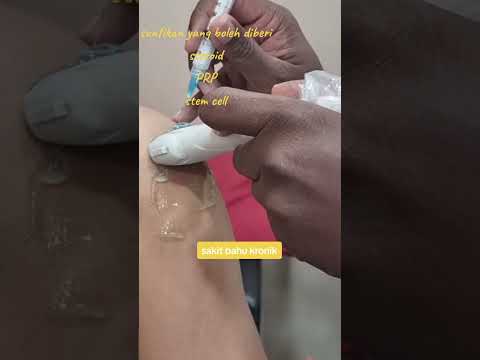



-Diagnosis-and-Integrated-Management-Package-in-Beijing,-China-by-AMCare.jpg)




.png)









Share this listing