
Arthur Rivas’ Journey With Lung Cancer Treatment in Tijuana, Mexico
Arthur Rivas’ journey with lung cancer treatment in Tijuana, Mexico shares the experience of a patient who explored additional treatment options while facing advanced lung cancer and significant changes in his quality of life.
His story focuses on integrative oncology in Tijuana and the personalized approach he experienced during treatment. Therapies discussed in connection with Arthur’s journey include hyperthermia, intravenous vitamin C, dendritic cell therapy, nutritional support and other integrative approaches.
The video also highlights Arthur’s experience with emotional support, individualized attention and traveling to Mexico for cancer care. His experience is personal, and treatment suitability and outcomes can differ from one patient to another.
Video Story & Treatment Guide
Arthur Rivas’ Experience With Advanced Lung Cancer
A diagnosis of advanced lung cancer can affect nearly every part of a patient's life. In Arthur Rivas’ case, his cancer journey included a difficult period in which his physical health, energy and overall quality of life declined.
Arthur describes experiencing significant challenges during his cancer-care journey, including weakness, nausea and concerns about how treatment was affecting his overall well-being.
These experiences encouraged him to investigate additional treatment options and a more personalized approach to care. His search eventually led him to Tijuana, Mexico.
Why Arthur Rivas Chose Lung Cancer Treatment in Tijuana, Mexico
Arthur's search for additional cancer-care options brought him to Tijuana, Mexico, where international patients can research integrative and alternative approaches to cancer care.
For Arthur, the decision was connected to the opportunity to explore a broader combination of therapies together with individualized medical attention, nutritional support and a treatment environment focused on the whole patient.
The medical center associated with Arthur's video is ITC Immunity Therapy Center in Tijuana, Mexico . His story emphasizes personalized treatment planning, supportive care and several integrative therapies used during his journey.
Arthur’s Personalized and Integrative Lung Cancer Treatment Approach
Personalized cancer care is an important theme in Arthur Rivas’ story. His experience involved a treatment program developed around his individual condition rather than a single identical approach applied to every patient.
Arthur valued receiving care that considered more than his diagnosis. His journey involved medical treatment together with nutrition, physical well-being and emotional support.
Cancer treatment plans can vary considerably. Cancer type and stage, previous treatment, medications, laboratory findings and overall health can all affect which therapies may be considered.
Integrative Therapies Discussed in Arthur Rivas’ Lung Cancer Story
Arthur's cancer-treatment journey included several integrative therapies. Treatments discussed in connection with his experience include hyperthermia, high-dose intravenous vitamin C, dendritic cell therapy, sonodynamic therapy, ozone therapy and nutritional support.
These therapies have different purposes, levels of medical evidence, possible benefits and potential risks. A therapy included in Arthur's treatment does not automatically mean that it is suitable for every patient with lung cancer.
Hyperthermia Therapy
Hyperthermia involves carefully controlled heat applied to the body or to a specific treatment area. Hyperthermia may be used in certain cancer-care settings alongside other forms of treatment.
Arthur's experience included repeated hyperthermia sessions as part of his broader treatment program in Tijuana.
High-Dose Intravenous Vitamin C
Arthur also received intravenous vitamin C as part of his integrative treatment program. IV vitamin C delivers vitamin C directly into the bloodstream and is used by some integrative cancer centers as a complementary therapy.
High-dose IV vitamin C may not be appropriate for every patient. Kidney function, certain enzyme deficiencies, medications and other medical factors may need to be evaluated before treatment.
Dendritic Cell Therapy
Dendritic cell therapy is an immune-based approach intended to help stimulate immune recognition of cancer-related targets. Arthur's treatment journey included dendritic cell therapy as part of his individualized program.
Availability and suitability can vary according to a patient's diagnosis and treatment protocol. Patients should ask their physician about the goals, evidence, limitations and potential risks of any proposed immune-based therapy.
Other Integrative and Supportive Therapies
- Sonodynamic therapy: an approach involving sound-based energy together with a sensitizing agent as part of some integrative protocols.
- Ozone therapy: a therapy used by some integrative medicine providers within broader supportive treatment programs.
- Metabolic and nutritional support: Arthur's program also emphasized dietary changes and individualized nutrition.
- Emotional support: Arthur's experience highlights the importance he placed on a supportive care environment and regular communication with his medical team.
Who May Be a Candidate for Lung Cancer Treatment in Tijuana?
Eligibility for an integrative lung cancer treatment program should be evaluated individually. Arthur Rivas’ experience represents his own treatment journey and does not determine whether the same therapies are suitable for another patient.
Before traveling, patients should provide the medical team with information needed to evaluate their diagnosis and overall health.
- Diagnosis and cancer stage: pathology reports and information about the type and stage of lung cancer can help guide evaluation.
- Previous cancer treatment: chemotherapy, radiation, surgery, immunotherapy, targeted therapy and other treatments should be disclosed.
- Current medications: prescription medications, supplements and allergies may be relevant to treatment planning.
- Overall health: existing medical conditions can influence whether particular therapies are appropriate.
- Recent medical records: imaging, laboratory results and pathology information may be required before a treatment recommendation is made.
- Treatment goals: patients should understand the purpose of recommended therapies and how treatment response will be evaluated.
Risks, Side Effects and Questions to Discuss Before Treatment
Patients researching lung cancer treatment in Tijuana should consider potential risks as well as possible benefits. Cancer therapies, including complementary and integrative treatments, can involve side effects, contraindications and interactions.
Before agreeing to a treatment program, patients should ask the medical team to explain the purpose, evidence and safety considerations of every proposed therapy.
- Ask about common and serious side effects.
- Ask whether treatments may interact with chemotherapy, radiation, immunotherapy, targeted therapy or medications.
- Discuss kidney, liver, cardiovascular and other medical conditions that could affect treatment safety.
- Ask about the clinical evidence supporting each proposed therapy.
- Ask how treatment response will be monitored.
- Discuss major treatment decisions with a qualified oncology professional familiar with the patient's medical history.
Cost of Lung Cancer Treatment in Tijuana, Mexico
Treatment cost is an important consideration for patients researching cancer care abroad. Arthur's story highlights Tijuana as a destination where integrative treatment programs can be structured differently from cancer care in the United States.
Pricing information associated with this treatment page presents estimated costs of approximately $4,000 to $7,000 per week for integrative care in Tijuana and approximately $10,000 to $30,000 or more per month for some forms of cancer care in the United States.
These figures are estimates rather than a guaranteed treatment quote. Actual costs can vary according to diagnosis, treatment plan, therapies, medical testing, duration of care, accommodation and other services.
| Treatment Consideration | United States | Integrative Care in Tijuana |
|---|---|---|
| Treatment Approach | May include chemotherapy, radiation therapy, surgery, immunotherapy, targeted therapy or other oncology treatments depending on the diagnosis. | May combine medical treatment with complementary, nutritional, immune-focused and supportive therapies depending on the patient and provider. |
| Estimated Cost Structure | Approximately $10,000–$30,000+ per month based on the estimates associated with this page; actual costs vary. | Approximately $4,000–$7,000 per week based on the estimates associated with this page; actual costs vary. |
| Program Inclusions | Vary according to provider, treatment, insurance coverage and individual circumstances. | Some programs may combine medical consultations, therapies, nutritional support and accommodation. Exact inclusions should be confirmed before booking. |
Personalized Cancer Care and Emotional Support
Another important part of Arthur Rivas’ experience was the attention he received during treatment. His story emphasizes personal communication, supportive care and being involved in decisions relating to his treatment.
Cancer can affect emotional health as well as physical health. A supportive care environment may help patients communicate concerns, understand their treatment program and cope with the stress associated with serious illness.
Patients considering cancer treatment abroad should ask how often they will meet their medical team, who will coordinate their care and what supportive services are available during treatment.
Traveling to Tijuana, Mexico for Lung Cancer Treatment
Tijuana's location near the United States makes it accessible to many international patients researching cancer treatment in Mexico. Patients traveling from the United States commonly use the San Diego area as a gateway before crossing the border into Tijuana.
Medical travel involves planning beyond treatment itself. Transportation, accommodation, medical documentation and treatment schedules should be confirmed before departure.
- Request instructions for sending medical records before arrival.
- Confirm airport and border transportation with the treatment provider.
- Confirm accommodation arrangements and whether they are included in the treatment program.
- Check current passport, visa and border-entry requirements.
- Confirm the recommended length of stay based on the individual treatment program.
- Carry relevant pathology reports, medical records, test results and medication information.
Aftercare and Follow-Up After Lung Cancer Treatment in Mexico
Follow-up planning is an important part of receiving cancer treatment abroad. Patients should understand how their care will continue after returning home and which medical information should be shared with their regular oncology team.
- Request a complete treatment summary before leaving Tijuana.
- Keep copies of therapies administered, medications, laboratory results and imaging reports.
- Confirm when follow-up consultations, laboratory tests or imaging may be needed.
- Ask whom to contact if treatment-related concerns develop after returning home.
- Share treatment records with the patient's local oncologist or medical team.
- Continue appropriate medical monitoring after treatment.
Arthur Rivas’ Experience After Lung Cancer Treatment in Tijuana
Arthur describes meaningful changes during his treatment journey. In his testimonial, he discusses improvements in his energy and overall quality of life together with medical findings that gave him renewed hope.
His story also highlights the emotional importance of receiving care in an environment where he felt supported, listened to and actively involved in his treatment.
Arthur's story should be understood as an individual patient testimonial rather than a guarantee of treatment effectiveness. Lung cancer outcomes can depend on cancer type, stage, biology, previous treatment, general health and individual response to care.
Explore Lung Cancer Treatment Options in Tijuana, Mexico
If you are researching lung cancer treatment in Tijuana, request information about ITC Immunity Therapy Center, available treatment options, medical-record requirements, estimated costs and medical travel planning.
Treatment recommendations should be based on an individual medical evaluation because suitability can vary according to diagnosis, previous treatment and medical history.
REQUEST FREE INFORMATION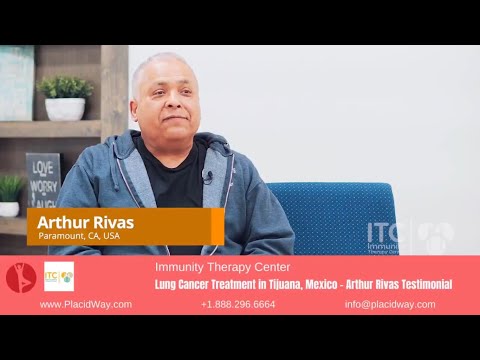























Share this listing