


Biological Therapies: A New Frontier for Osteoarthritis Treatment in Colombia
Living with chronic joint pain can feel like an uphill battle, especially when traditional treatments only seem to mask the symptoms rather than addressing the underlying cause of degeneration. In Colombia, the landscape of orthopedic care is shifting rapidly toward biological therapies—innovative treatments that harness the body's own healing potential to repair and regenerate damaged tissues. For the millions of people suffering from osteoarthritis, these advancements represent more than just medical progress; they offer a path back to a life of movement, comfort, and independence.
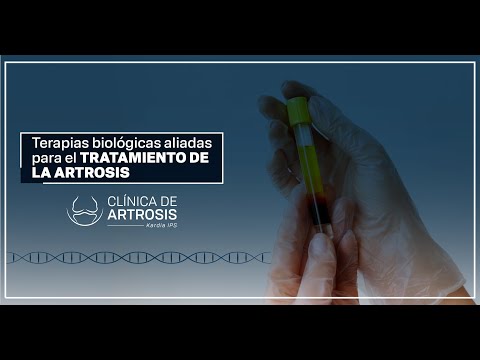
This comprehensive guide explores the rise of regenerative medicine and how biological interventions are changing the way we approach joint health. From the latest statistics on rheumatic diseases in Colombia to the intricate science of autologous substances, we delve into why "artrosis" no longer has to mean a permanent decline in quality of life. Watch the video to see how specialized clinics are integrating these breakthroughs into daily patient care.
Video Chapters & Quick Navigation
Understanding the Impact of Osteoarthritis in Colombia
Osteoarthritis, locally known as "artrosis," is more than just a common ailment of aging; it is the most prevalent rheumatic disease in Colombia. As noted at [00:05], approximately 10.81% of the population is affected by this condition. This translates to over 1.3 million individuals who face daily challenges ranging from mild discomfort to severe physical limitations.
The high prevalence of osteoarthritis in Colombia is driven by several factors, including an aging demographic, rising rates of obesity, and occupational stresses that impact joint longevity. Unlike inflammatory arthritis, osteoarthritis is characterized by the mechanical wear and tear of the protective cartilage that cushions the ends of bones. When this cartilage wears down, bones rub against each other, leading to pain, swelling, and reduced range of motion.
For many years, the primary medical response in Colombia focused on managing pain through NSAIDs (non-steroidal anti-inflammatory drugs) or, in advanced cases, joint replacement surgeries. However, the gap between simple medication and invasive surgery remained large—a gap that biological therapies are now successfully filling.
The Rise of Biological Therapies as a Successful Alternative
Biological therapies have emerged as a highly successful alternative for managing joint degeneration, as highlighted at [00:15]. These treatments represent a shift from "replacing" joints to "repairing" them. By focusing on biological processes, clinicians can intervene earlier in the disease cycle, potentially slowing the progression of cartilage loss.
In the context of modern orthopedics, "biological" refers to the use of cells, proteins, and growth factors to stimulate healing. This is part of the broader field of regenerative medicine, which seeks to restore the function of tissues or organs damaged by disease or trauma. In Colombia, specialized clinics like Kardia IPS are at the forefront of this movement, offering patients options that were previously unavailable outside of high-end research facilities.
Why Patients are Moving Away from Corticosteroids
For decades, corticosteroid injections were the gold standard for rapid joint pain relief. While effective at reducing inflammation, repeated use of steroids has been linked to the further breakdown of cartilage—the very tissue patients are trying to save. Biological therapies offer a contrast: they aim to provide anti-inflammatory effects while simultaneously providing the building blocks for tissue maintenance.
The Science of Autologous Substances and Minimal Manipulation
One of the most compelling aspects of these therapies is that they utilize substances derived from the patient's own body. At [00:23], the video explains that these treatments involve substances own to the body with minimal manipulation. This approach, often referred to as "autologous" therapy, significantly reduces the risk of allergic reactions or rejection because the material is genetically identical to the recipient.
Common Biological Agents in Joint Care
- Platelet-Rich Plasma (PRP): Blood is drawn from the patient and centrifuged to concentrate platelets, which are rich in growth factors that promote healing.
- Mesenchymal Stem Cells (MSCs): Often derived from bone marrow or adipose (fat) tissue, these cells have the potential to differentiate into various tissue types and reduce inflammation.
- Hyaluronic Acid: While sometimes synthetic, it mimics the natural lubricant found in healthy joint fluid (synovial fluid).
| Feature | Traditional NSAIDs | Biological Therapies |
|---|---|---|
| Mechanism | Systemic symptom suppression | Localized tissue regeneration & repair |
| Side Effects | Gastric issues, kidney stress | Minimal (local swelling/bruising) |
| Longevity | Short-term (hours/days) | Long-term (months/years) |
Alleviating Joint Stiffness and Chronic Pain
The primary goals of biological interventions are the reduction of pain and the elimination of joint stiffness. As described at [00:32], these therapies aim to improve the fluidity of the joint. When growth factors are injected into the intra-articular space, they work to "calm" the inflammatory environment that causes the sensation of stiffness.
Joint stiffness is often worst in the morning or after periods of inactivity. This "gelling" phenomenon occurs because the synovial fluid becomes more viscous and inflammatory markers accumulate. Biological therapies help by modulating the immune response within the joint, leading to a smoother "gliding" motion between the bone surfaces. Patients often report that the "grinding" sensation (crepitus) significantly diminishes following a series of biological treatments.
Enhancing Capacity for Daily Activities and Wellness
Medicine is ultimately about the patient's ability to live their life to the fullest. At [00:39], the focus shifts to the patient's capacity to perform daily activities with a sense of well-being. Osteoarthritis often leads to a sedentary lifestyle because movement is painful, but a sedentary lifestyle leads to further weight gain and joint stress, creating a vicious cycle.
By restoring mobility, biological therapies allow patients to engage in low-impact exercises, social activities, and professional duties without the constant distraction of pain. This psychological relief is just as important as the physical improvement. Wellness, in this context, is a holistic measure of how much a person can enjoy their environment and relationships without being tethered to their disability.
The Importance of Movement in Cartilage Health
Contrary to popular belief, cartilage actually needs movement to stay healthy. Cartilage is an "avascular" tissue, meaning it doesn't have its own blood supply. It receives nutrients through a process of diffusion as the joint moves. Biological therapies facilitate this movement, thereby creating a feedback loop where the therapy helps the movement, and the movement helps the joint maintain its health.
Clinical Excellence: Changing the Natural History of Disease
The Clínica de Artrosis (Kardia IPS) provides a wide range of innovative techniques and therapies designed to alter the "natural history" of osteoarthritis [00:48]. Typically, the "natural history" of the disease is a steady decline toward total joint failure. Innovation in the clinic aims to interrupt this timeline.
Whether through advanced imaging to pinpoint exact areas of degeneration or the use of specialized centrifuges to prepare the most potent biological samples, the technical aspect of the treatment is critical. The video highlights that these processes are carried out by experts who understand the nuances of orthopedic biology. This expertise ensures that the "minimal manipulation" mentioned earlier is performed with surgical precision, maximizing the efficacy of the autologous substances.
A Mission Rooted in Service
At the core of these advanced treatments is a simple philosophy: "Nuestra misión es el servicio" (Our mission is service), as stated at [00:54]. This patient-centric approach ensures that the technology is always a means to an end—the health and happiness of the person seeking care. In a medical landscape that can sometimes feel cold or overly commercial, the emphasis on service and personalized attention remains a hallmark of the best clinics in Colombia.
Advanced Regenerative Options for Joint Health
Beyond the standard injections, clinics are exploring the synergy between different biological agents. For example, combining PRP with hyaluronic acid can provide both the structural lubrication and the cellular growth factors necessary for a comprehensive healing environment. This "multi-modal" approach is quickly becoming the standard for patients who haven't found relief through single-intervention treatments.
Furthermore, the use of ultrasound guidance during these procedures has revolutionized accuracy. No longer are doctors "injecting into a space"; they are visualizing the joint architecture in real-time to ensure the biological substances are placed exactly where the damage is most severe. This level of precision is a major factor in the high success rates seen in Colombian biological therapy centers.
The Future of Osteoarthritis Management
As research continues to evolve, the definition of biological therapy expands. We are seeing more focus on personalized medicine, where a patient's own genetic profile might dictate which specific biological agent will work best for them. In Colombia, the integration of these high-tech solutions with compassionate, service-oriented care makes the country a premier destination for those seeking relief from osteoarthritis.
While biological therapies are not a "magic cure" that regrows a whole joint overnight, they are a powerful tool in the arsenal of modern medicine. They offer a biological "reset," reducing the chronic inflammation that drives pain and allowing the body's natural maintenance systems to function more effectively. For the 1.3 million Colombians living with osteoarthritis, and for thousands more worldwide, these therapies are the key to unlocking a future free from the constraints of joint pain.
Ready to Take Control of Your Joint Health?
Discover how regenerative therapies at Kardia IPS in Colombia can help you manage osteoarthritis and restore your mobility. Don’t wait for the pain to take over—experience the future of joint care today.
GET A FREE QUOTEView Video Transcript
00:00 Terapias biológicas aliadas para el tratamiento de la artrosis.
00:05 La enfermedad reumática más prevalente en Colombia es la artrosis, con una cifra de 10.81%.
00:12 Afectando a más de 1.3 millones de personas en el país.
00:15 Las terapias biológicas han demostrado ser una alternativa exitosa para el tratamiento de la artrosis.
00:23 Este avance de la medicina utiliza sustancias propias del cuerpo, y con una mínima manipulación, se aplican para el tratamiento de la enfermedad y sus síntomas.
00:32 Logrando disminuir el dolor y la rigidez de las articulaciones, mejorando el movimiento de estas.
00:39 Y aumentando la capacidad del paciente para que realice sus actividades cotidianas con bienestar.
00:44 En la Clínica de Artrosis ponemos a tu disposición una gran alternativa de técnicas, terapias novedosas.
00:50 Para que puedas tratar y cambiar la historia natural de la artrosis.
00:54 ¡Nuestra misión es el servicio!








.png)


.png)
.jpg)

-(4).png)








Share this listing