


Comprehensive Rehabilitation for Post-Surgical Ankle Fractures: A Success Story at Romatem
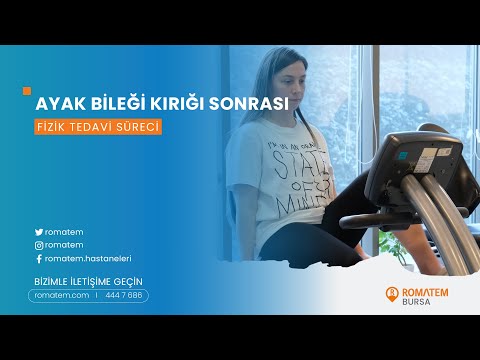
An ankle fracture is more than just a broken bone; it is a disruptive life event that halts mobility, independence, and daily rhythm. When Hare experienced a severe ankle break following a simple sprain in late 2023, her journey toward recovery seemed daunting. After undergoing complex surgery to install a platinum plate, she faced the difficult reality of being unable to bear weight for two months, leading to muscle atrophy and significant joint stiffness.
Recovery from such an orthopedic trauma requires more than just time; it requires a specialized, multidisciplinary approach to physical therapy. In this featured case study from Romatem Physical Medicine and Rehabilitation Hospital in Bursa, Turkey, we explore the clinical pathway from total immobility to independent walking. Watch how expert medical intervention combined with cutting-edge rehabilitation technology can restore quality of life after a traumatic injury.
Video Chapters & Quick Navigation
Recovering from a post-operative orthopedic injury requires a delicate balance of rest and aggressive mobilization. Hare's journey [00:05] began with a traumatic ankle fracture that necessitated the surgical placement of a platinum plate. This type of surgery, while essential for structural integrity, often leads to secondary issues like scar tissue formation and joint contractures if not managed correctly with professional physical therapy.
The Anatomy of a Severe Ankle Fracture and Surgical Fixation
Ankle fractures often involve the lateral malleolus, medial malleolus, or both (bimalleolar). In Hare’s case, the severity required internal fixation. The platinum plate acts as a scaffold, holding the bone fragments in the correct anatomical position so that osteoblasts can begin the slow process of bone regeneration.
However, the two-month period of non-weight bearing [00:12] is the most critical and difficult phase. During this time, the muscles of the calf (gastrocnemius and soleus) and the anterior tibialis begin to atrophy. When the doctor finally clears the patient for weight-bearing, the limb often feels alien, weak, and painful. This is where specialized orthopedic rehabilitation becomes the bridge to normalcy.
The Expert Consultation: Dr. Serap Latif Raif's Assessment
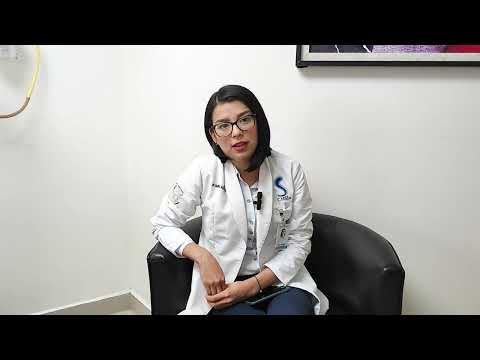
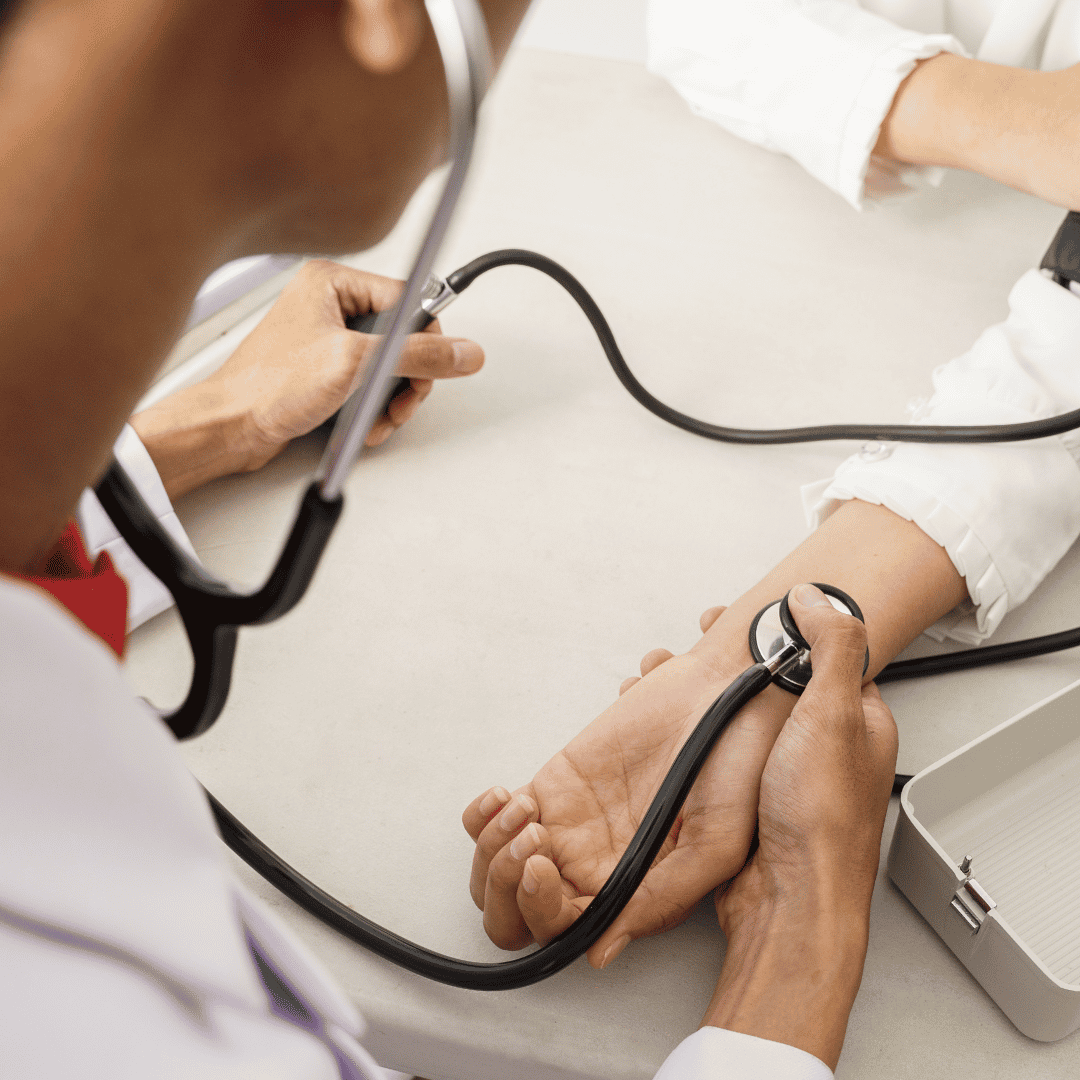
Dr. Serap Latif Raif, a specialist in Physical Medicine and Rehabilitation, emphasizes that every patient requires a customized protocol [00:24]. Upon Hare's arrival at Romatem, the primary concerns were high pain levels and severe restriction in the range of motion (ROM).
A detailed evaluation is the cornerstone of successful therapy. The clinical team must assess:
- Joint Integrity: Ensuring the surgical site is stable and healing without infection.
- Degree of Atrophy: Measuring muscle circumference to track regrowth.
- Pain Sensitivity: Identifying whether pain is neurological, musculoskeletal, or inflammatory.
- Gait Deviation: Analyzing how the patient compensates using their "good" leg and walker.
Integrated Rehabilitation Techniques for Bone and Soft Tissue
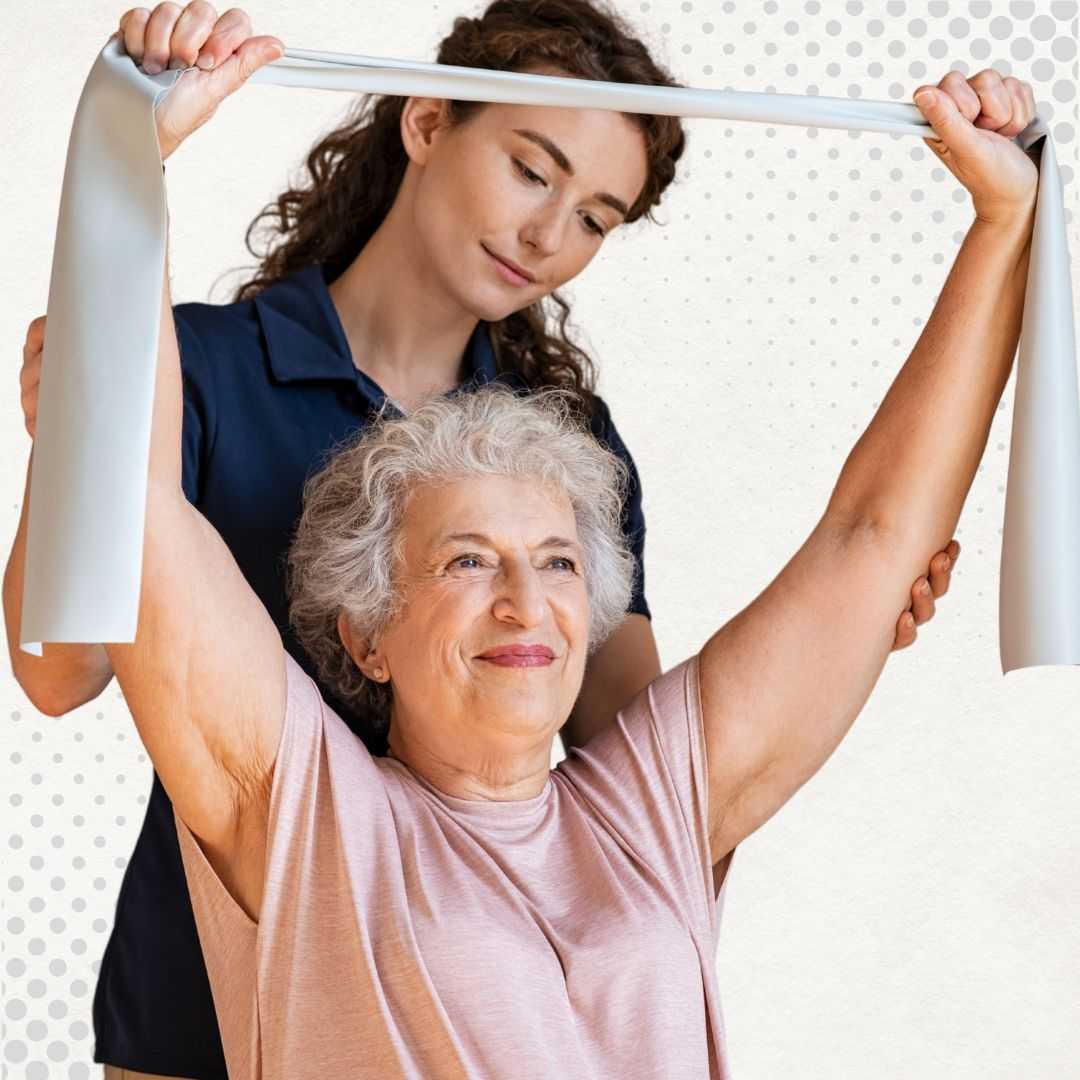
Physiotherapist Özge Gülbayrak outlines the multi-modal approach used for Hare [00:36]. A "one-size-fits-all" exercise sheet is never enough for a post-surgical patient. Instead, Romatem utilizes a sophisticated blend of manual therapy and technology.
1. Electrotherapy for Tissue Regeneration
Electrotherapy [00:41] is used to stimulate muscle fibers that the patient cannot yet activate voluntarily. By sending controlled electrical impulses to the muscles, the therapist can prevent further atrophy and improve local blood circulation. This increased blood flow brings oxygen and nutrients to the surgical site, accelerating the healing of the bone and surrounding ligaments.
2. Fascia Release and Manual Mobilization
After surgery, the body often creates dense layers of fascia and scar tissue around the incision. This can "glue" the skin to the underlying muscle, causing pain during movement. Fascia release techniques [00:45] are essential to break up these adhesions, allowing the joint to slide and glide as it was designed to do.
From Walker to Independence: The Importance of Gait and Balance
Learning to walk again is a neurological challenge as much as a physical one. After two months of non-weight bearing, the brain's "map" of the foot's position (proprioception) is often diminished. Romatem focuses heavily on gait training [00:51] and balance exercises.
Balance Training: Using specialized equipment, the patient practices shifting weight onto the injured leg. This recalibrates the vestibular system and strengthens the stabilizing muscles of the ankle, preventing future re-injury.
Gait Correction: Therapists ensure that the patient is not "limping" or leaning to one side, which could lead to hip or back pain later on. Every step is monitored to ensure a proper heel-to-toe strike pattern.
Measurable Results: Hare's Transformation After 15 Sessions
The success of physical therapy is measured by the patient's return to function. Hare arrived at the hospital using a walker, unable to put any pressure on her foot [01:09]. Within just 15 sessions—a relatively short period for such a major injury—the transformation was profound.
| Recovery Metric | Initial State (Day 1) | Post-Rehab (Session 15) |
|---|---|---|
| Mobility Aid | Walker / Non-weight bearing | Independent Walking |
| Pain Level | Severe (Difficulty with touch) | Controlled / Minimal |
| Range of Motion | Significantly Restricted | Full Functional Opening |
| Muscle Strength | Atrophy from Disuse | Ongoing Strengthening |
Why International Patients Choose Romatem Bursa
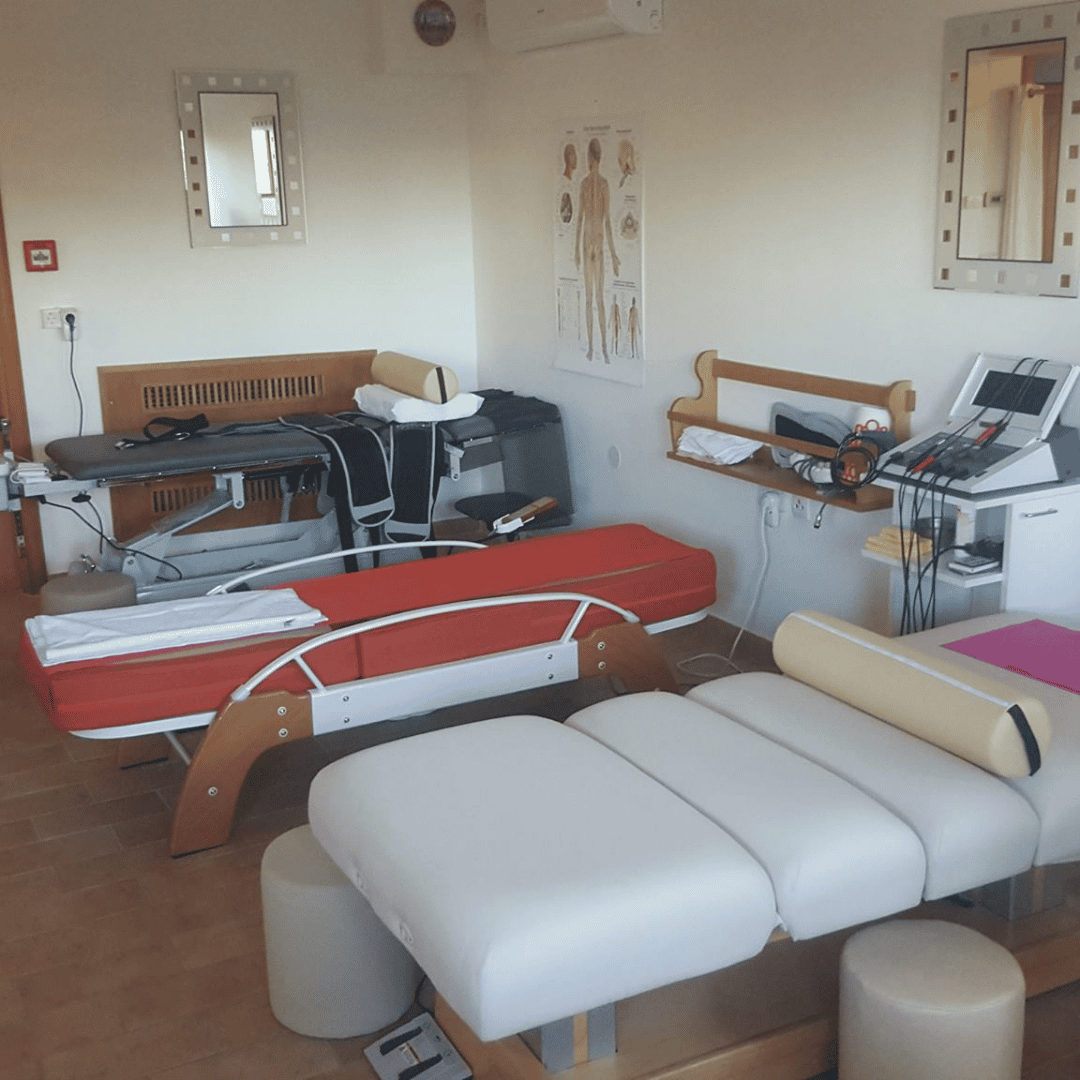
Turkey has become a global destination for orthopedic and neurological rehabilitation. Romatem, particularly the Bursa facility, stands out due to its integration of robotic rehabilitation and experienced clinical staff. Patients like Hare benefit from a level of personalized attention that is often difficult to find in larger, general hospitals.
Whether it is post-surgical recovery, spinal cord injury, or stroke rehabilitation, the goal remains the same: "Hayat Harekettir" (Life is Movement). Hare’s ability to take her first steps independently [01:18] serves as a testament to the power of a dedicated physical therapy team and the resilience of the human spirit.
The journey of healing is never just about the bone; it is about the person. By addressing the physical, emotional, and neurological aspects of an injury, Romatem ensures that patients don't just "recover"—they thrive. For anyone facing a similar orthopedic challenge, Hare's success story is a beacon of hope that movement and independence are just 15 sessions away.
Ready to Take the First Step Toward Full Recovery?
Discover how Romatem’s advanced rehabilitation techniques can help you regain mobility and independence after an ankle fracture or surgery. Whether you’re recovering from a similar injury or seeking specialized rehab care, our expert team is here to guide you.
GET A FREE QUOTEFull Video Transcript
00:00 Merhabalar, ismim Hare. 9 Kas?m 2023 tarihinde ayak burkulmas?na ba?l? bir ayak bile?i k?r??? ya?ad?m.
00:06 10 Kas?m 2023 tarihinde ameliyat oldum ve ayak bile?ime platin tak?ld?.
00:11 Yakla??k 2 ay kadar ayak bile?ime hiçbir ?ekilde kuvvet uygulayamad?m.
00:15 Fizik tedavi ve rehabilitasyon için Doktor Serap Han?m’a, Romatem Hastanesi’ne ba?vurdum.
00:19 Merhaba, bugün sizlere Hare Han?m’?n tedavi ba?ar?s?ndan bahsetmek istiyorum.
00:23 Kendisi 33 ya??nda. Yakla??k 2.5 ay önce ayak bile?inde ters bir hareket sonras?nda ciddi bir k?r?k geli?mi?.
00:30 Ameliyat sonras?nda k?r?k rehabilitasyonu program? için taraf?m?za yönlendirildi.
00:35 Detayl? bir de?erlendirme sonras?nda Doktor Serap hocam?z bir egzersiz program? olu?turdu.
00:41 Hastam?z?n dokular?n? iyile?tirmek için elektroterapi teknikleri,
00:44 fasyalar? gev?etmek için fasya gev?etme teknikleri, germe ve güçlendirme egzersizleri,
00:50 yürüme fonksiyonunun kalitesini artt?rmaya yönelik yürüme ve denge e?itimine devam etmekteyiz.
00:54 Bize geldi?inde a?r?s? çok ön plandayd?, hatta dokunam?yordum muayenesi esnas?nda.
00:59 Hareket k?s?tl?l??? çok belirgindi. ?u anda a?r?s? daha kontrol alt?nda.
01:04 Eklem hareket aç?kl???nda tam bir aç?kl?k sa?lad?k. Kas kuvvetlenmesi de devam ediyor.
01:09 Fizik tedaviye ilk ba?lad???m gün hastaneye walker’la geldim.
01:13 Aya??m?n üzerine hiçbir ?ekilde kuvvet uygulayam?yordum.
01:15 ?u anda yakla??k 15. fizik tedavimi ald?m. Kendi ba??ma ad?m atabiliyorum.
01:20 Bu yolda eme?i geçen fizik tedavi doktorum Serap Han?m’a, fizyoterapistlerime,
01:24 özellikle fizyoterapistim Özge Han?m’a ve yard?mc?s? ?evval Han?m’a çok te?ekkür ediyorum.











Share this listing