
The Ultimate Guide to Osteoporosis Prevention: Bone Density, Diet, and Fall Safety
Osteoporosis is often described as the "silent thief" because it steals bone density for years without a single warning sign until a fracture occurs. For many, the first realization of bone loss comes after a simple fall results in a life-altering hip or wrist fracture. However, bone health is not just a matter of luck; it is a complex biological balance that can be managed through proactive screening and lifestyle adjustments.
In this expert session, Prof. Dr. Nafiz Akman, a leading specialist in Physical Medicine and Rehabilitation, breaks down the science of bone resorption, the critical risk factors for postmenopausal women, and the lifestyle changes that can significantly lower your fracture risk. Watch this comprehensive breakdown to understand how to protect your skeletal integrity as you age.
Video Chapters & Quick Navigation
The global impact of osteoporosis cannot be overstated. As populations age, the incidence of bone-related disabilities is skyrocketing, placing an immense burden on both families and healthcare systems. Prof. Dr. Nafiz Akman emphasizes that osteoporosis is the most common bone disease worldwide, characterized by low bone mass and structural deterioration of bone tissue.
Understanding Bone Fragility and the Remodeling Process
To truly grasp osteoporosis [00:45], one must understand that bone is living tissue. It is constantly being broken down and replaced in a process called remodeling. In our youth, the body makes new bone faster than it breaks down old bone, increasing bone mass.
Most people reach their peak bone mass in their early 20s. As we age, bone remodeling continues, but we begin to lose slightly more bone mass than we gain. Osteoporosis occurs when the creation of new bone doesn't keep up with the removal of old bone. This leads to a porous, honeycomb-like structure that is significantly weaker than healthy bone.
The Biological Imbalance
The imbalance between bone-building cells (osteoblasts) and bone-resorbing cells (osteoclasts) is influenced by hormones, nutrition, and physical activity. When this balance shifts negatively, the internal architecture of the bone becomes thin and brittle. Prof. Dr. Akman notes that this fragility makes even minor stressors—like coughing or bending over—potential causes for a fracture.
Comprehensive Risk Assessment: Who is at High Risk?
While osteoporosis can affect anyone, certain demographics are at a significantly higher risk [01:32]. Understanding these risk factors is the first step toward early intervention.
| Risk Category | High-Risk Indicators |
|---|---|
| Gender & Age | Postmenopausal women; Men over the age of 70. |
| Hormonal Health | Low estrogen in women; Low testosterone in men. |
| Lifestyle Factors | Sedentary behavior, smoking, excessive alcohol, low Vitamin D. |
| Medical History | Long-term corticosteroid use, thyroid issues, malabsorption. |
Primary vs. Secondary Osteoporosis
Medical professionals categorize osteoporosis into two main types [02:03] to better tailor treatment plans:
- Primary Osteoporosis: This is the most common form, typically associated with the natural aging process and the decrease in sex hormones. It includes postmenopausal osteoporosis (Type I) and senile osteoporosis (Type II), which affects both men and women over age 70.
- Secondary Osteoporosis: This occurs when an underlying medical condition or medication interferes with bone remodeling. Prof. Dr. Akman highlights that identifying secondary causes is vital because treating the root disease can often stop bone loss [03:55].
Secondary Medical Triggers
Chronic conditions such as rheumatoid arthritis, kidney disease, liver failure, and hyperthyroidism are known to accelerate bone density loss. Furthermore, digestive disorders like Celiac disease can prevent the absorption of calcium, which is the primary building block of bone. If you have any of these conditions, regular bone density monitoring is not just recommended; it is mandatory.
The Silent Thief: Recognizing Hidden Symptoms
Because bone loss is painless, many people assume they are healthy until a crisis occurs [05:13]. However, there are subtle physical changes that might indicate advancing osteoporosis:
- Loss of Height: Measuring an inch or more shorter than you were in your youth is a major red flag for vertebral compression fractures.
- Posture Changes (Dowager's Hump): A stooped or hunched posture (kyphosis) suggests that the vertebrae in the spine have weakened and collapsed.
- Unexplained Back Pain: Often mistaken for muscle strain, persistent back pain can be caused by micro-fractures in the spine [05:30].
Modern Diagnosis: The Role of Bone Mineral Density (BMD) Testing
The gold standard for diagnosing osteoporosis is the Dual-Energy X-ray Absorptiometry (DEXA) scan [07:15]. This test is non-invasive, quick, and uses a very low dose of radiation (much less than a standard chest X-ray).
How it works: The scan measures how many grams of calcium and other bone minerals are packed into a segment of bone. The bones most commonly tested are in the hip and spine. The results are reported as a "T-score." A T-score of -1.0 or higher is normal, while -2.5 or lower indicates osteoporosis. Prof. Dr. Akman stresses that everyone in a high-risk category, particularly women over 65 and men over 70, should have a baseline scan.
Evidence-Based Nutrition and Exercise Protocols
Treatment and prevention revolve around three pillars: pharmacology, nutrition, and mechanical stress [08:25].
Nutritional Foundations
Calcium and Vitamin D are non-negotiable. Calcium provides the structural framework, while Vitamin D acts as the key that allows the body to absorb that calcium. Prof. Dr. Akman mentions that the "Sun City Advantage"—exposure to sunlight—is a natural way to boost Vitamin D levels, which is critical for bone mineralization.
The Power of Weight-Bearing Exercise
Bones respond to stress by becoming stronger. Sedentary lifestyles signal the body that bone density isn't "needed," leading to resorption. Effective exercise protocols include [09:00]:
- Brisk Walking: 20–40 minutes daily provides the necessary impact to stimulate bone growth.
- Resistance Training: Using light weights or resistance bands pulls on the bone, signaling osteoblasts to build density.
- Posture Exercises: Strengthening the muscles of the back helps maintain an upright position and reduces the strain on the spine.
Fall Prevention: Creating a Safe Living Environment
Since fractures are the most dangerous consequence of osteoporosis, preventing falls is as important as strengthening the bones themselves [09:43]. Most falls happen at home due to environmental hazards.
Home Modification Checklist
Bathroom Safety: Install grab bars in the shower and near the toilet. Use non-slip mats. Consider a walk-in shower to avoid the high step of a tub.
Lighting: Ensure all hallways and staircases are well-lit. Use sensor-activated nightlights in the bedroom and path to the bathroom to prevent stumbling in the dark.
Floor Maintenance: Remove throw rugs or use double-sided tape to secure them. Clear away clutter, electrical cords, and low furniture that could be a trip hazard.
Strategic Long-Term Management of Bone Health
Managing osteoporosis is a lifelong commitment. It requires periodic DEXA scans to monitor the effectiveness of medications and lifestyle changes. Prof. Dr. Nafiz Akman concludes that while we cannot stop time, we can certainly change how our bodies respond to it. By combining medical intervention with a dedicated exercise routine and a safe home environment, you can maintain your independence and mobility for decades to come.
Ready to Take Control of Your Bone Health?
Prevent fractures and enhance your bone density with the expert guidance of Prof. Dr. Nafiz Akman. Learn how nutrition, exercise, and proper screening can help you live a life free from the constraints of osteoporosis.
GET A FREE QUOTE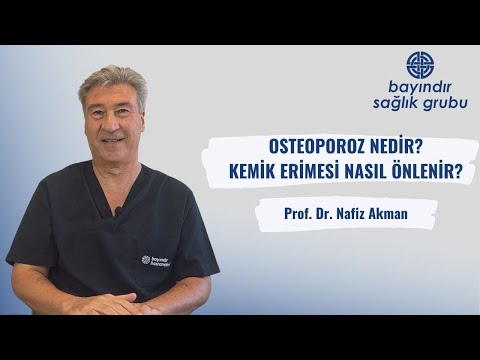













.png)








Share this listing