
Living with alcohol addiction, depression and anxiety can become overwhelming, particularly when previous treatment has not provided the progress a person hoped to achieve. For some patients, repeated attempts at conventional rehabilitation or mental health treatment lead them to explore other approaches that address addiction together with the emotional challenges surrounding it.
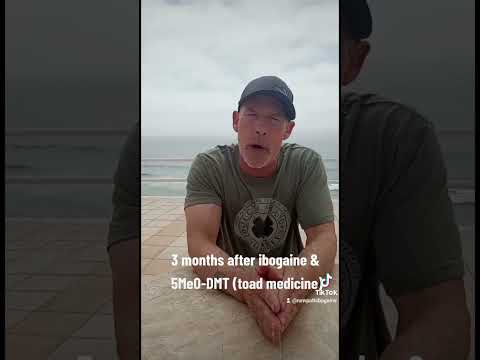
In this video, Nick shares his personal experience after struggling with depression, severe anxiety and alcohol addiction. After going through traditional treatment in the past, he decided to explore a different treatment path in Tijuana, Mexico. His story focuses on why he made that decision, what he experienced during the program, how he viewed the staff and clinical environment, and how he felt as he prepared to move forward.
For people researching ibogaine treatment for alcohol addiction in Tijuana, Nick's experience offers a patient perspective on the decision to seek alternative care after previous approaches. It also highlights several important considerations when comparing specialized treatment options, including medical screening, clinical supervision, psychological support, nutrition, recovery planning and longer-term integration.
Important medical note: Nick's story is an individual patient testimonial and does not predict how another person will respond to treatment. Alcohol addiction, depression and anxiety require individualized medical and mental health assessment. Patients should discuss potential benefits, risks, alternatives and treatment suitability with qualified healthcare professionals.
Video Chapters & Quick Navigation
Depression, Anxiety and Alcohol Addiction: Understanding the Cycle
Alcohol addiction does not always occur as an isolated problem. For some patients, problematic drinking develops alongside depression, anxiety, trauma or other forms of emotional distress. When these concerns overlap, treating alcohol use alone may not address everything contributing to the patient's difficulties.
Nick introduces this connection immediately in the video. At [00:00], he explains that he had struggled with a lot of depression, anxiety and major addiction issues specifically involving alcohol.
His experience reflects one of the central themes of the video: addiction may exist alongside significant mental health challenges. Patients experiencing both substance dependence and emotional symptoms may therefore benefit from a comprehensive assessment that considers their medical history, mental health, previous treatment, substance use and individual recovery needs.
The Cycle of Self-Medication, Alcohol Use and Tolerance
Some people turn to alcohol in an attempt to temporarily reduce stress, anxiety or difficult emotions. Alcohol can produce short-term changes in mood and nervous system activity, but repeated use may lead to tolerance, meaning progressively larger amounts may be needed to produce the same perceived effect.
Over time, this pattern can create a difficult cycle. Emotional distress may encourage drinking, while problematic alcohol use may contribute to additional physical, psychological and social difficulties. When alcohol consumption becomes dependent or compulsive, stopping can also involve withdrawal symptoms that require appropriate medical assessment and, in some cases, supervised care.
Breaking that cycle can require more than motivation alone. A comprehensive treatment plan may need to address substance use, physical health, psychological symptoms, coping strategies and the situations or experiences that contribute to continued alcohol use.
Why Some Patients Explore Alternative Addiction Treatment
Patients who continue to struggle after previous treatment may begin researching different approaches to recovery. These may include specialized programs that combine medical evaluation, psychological care, structured support and alternative therapeutic interventions.
Nick had already gone through traditional treatment before this experience. At [00:15], he explains that he had been through a lot of traditional treatment in the past and was looking for a new way to approach what he was facing.
That search for another perspective is one reason people may research alternative addiction treatment in Tijuana, Mexico. However, choosing a different approach should not mean ignoring appropriate medical or psychological care. Patients should carefully examine the treatment model, medical team, screening process, monitoring, emergency procedures, mental health support and aftercare before making a decision.
A Different Perspective on Addiction Recovery
Specialized treatment programs may focus not only on stopping substance use but also on understanding the emotional, behavioral and psychological factors that contribute to addiction. For some patients, this broader perspective is part of what makes an alternative program appealing after previous rehabilitation attempts.
The goal should not be to promise a permanent cure or suggest that one experience removes every future challenge. A more responsible approach is to view intensive treatment as one potential stage in a broader recovery process that may also include counseling, behavioral change, medical follow-up and long-term support.
Ibogaine Treatment for Alcohol Addiction in Tijuana: What Patients Should Understand
Nick's experience is presented in the context of ibogaine treatment for alcohol addiction in Tijuana, Mexico. Patients researching this type of care are often looking for options after struggling with alcohol dependence, depression, anxiety or previous treatment attempts.
Long-term substance use can affect brain reward systems, mood, motivation and learned behavior. The original discussion around this video refers to neuroplasticity and changes in neural pathways as part of the broader scientific interest in alternative therapies. However, these mechanisms should not be presented as proof that ibogaine permanently “resets” the brain or guarantees recovery.
Research into ibogaine and other psychedelic or psychoactive compounds has explored their effects on neurotransmitter systems, neural signaling and factors associated with neuroplasticity. Some scientific discussions also examine proteins such as brain-derived neurotrophic factor, or BDNF, because of their role in neural adaptation. The clinical significance of these mechanisms for an individual patient should be explained carefully by qualified medical professionals rather than treated as a guaranteed outcome.
Similarly, some patients seek ibogaine-related treatment because of its reported effects on withdrawal symptoms and cravings. These effects can vary substantially, and alcohol withdrawal itself can carry serious medical risks. Patients should not attempt to manage alcohol withdrawal or make treatment decisions without appropriate professional evaluation.
| Treatment Consideration | Traditional Addiction Treatment | Specialized Alternative Treatment |
|---|---|---|
| Primary Approach | May include medically managed detoxification, counseling, behavioral therapy, medication and recovery support. | May combine specialized interventions with medical monitoring, psychological support and integration. |
| Withdrawal Management | May involve medically supervised withdrawal management and medications when clinically appropriate. | Patients should ask how withdrawal is managed and whether stabilization is required before specialized treatment. |
| Treatment Duration | Program length may vary from outpatient care to several weeks or longer in residential treatment. | Some specialized programs use shorter intensive stays; the exact length should be confirmed with the provider. |
| Long-Term Recovery | Often includes counseling, relapse-prevention planning and continuing support. | Long-term outcomes still depend on integration, follow-up care, environment and ongoing recovery support. |
Addressing Severe Anxiety, Depression and Underlying Trauma
Nick's story is not limited to alcohol addiction. Depression and anxiety were also significant parts of what he was experiencing before treatment. This is important because addiction recovery can involve emotional and psychological challenges as well as changes in substance use.
Trauma can also play a role in some people's mental health and addiction histories. Adverse experiences, chronic stress or unresolved emotional pain may influence how a person responds to stress and how they cope with difficult emotions. However, not every person with addiction has the same trauma history, and treatment should always be individualized.
At [00:26], Nick describes taking this step as a good path for him and says it gave him a clearer way to move forward.
Some alternative and psychedelic-assisted approaches are being studied for their potential to influence emotional processing, psychological flexibility and the way people relate to difficult memories. Those effects should be discussed carefully and should not be described as automatically resolving trauma, depression or anxiety.
The Post-Treatment or “Afterglow” Period
Some patients describe a period after an intensive therapeutic experience in which they feel greater clarity, emotional openness or motivation to make changes. This is sometimes referred to as an “afterglow” period.
Rather than assuming that these feelings will continue automatically, this period may be an important time for patients to work on healthier routines, psychological support and practical recovery goals. Counseling, behavioral therapy, reflection and structured integration may help patients turn short-term insights into sustainable changes.
Individual experiences can differ substantially. A positive immediate response does not remove the need for continuing mental health care, addiction support or medical follow-up when those services are appropriate.
The Patient Experience at a Specialized Treatment Center in Tijuana
Traveling for addiction treatment can involve uncertainty, emotional vulnerability and important medical decisions. The environment, clinical team and level of support can therefore play a major role in how secure and comfortable a patient feels throughout the experience.
Nick speaks positively about his own experience. At [00:36], he says that he got a lot out of the program, describes the staff as incredibly great and explains that he had a good experience overall.
Patient testimonials can provide useful insight into the human side of treatment, but patients should also look beyond comfort and hospitality. Medical qualifications, safety procedures, emergency planning, individualized treatment protocols and post-treatment support are equally important when choosing a specialized center.
Core Components to Evaluate in a Specialized Recovery Program
- Comprehensive Medical Screening: Patients should ask what cardiovascular evaluation, blood testing, medical history review and psychological assessment are completed before treatment.
- Individualized Treatment Planning: The clinical approach should consider the patient's medical condition, substance-use history, mental health and other relevant factors rather than relying on a one-size-fits-all protocol.
- Medication and Substance Review: Current prescription medicines, supplements, alcohol use and other substances should be disclosed and reviewed before treatment.
- Clinical Monitoring: Patients should understand who monitors vital signs and overall medical status during treatment and what level of supervision is available.
- Emergency Preparedness: A reputable center should be able to explain what happens if a cardiovascular, psychiatric or other medical emergency occurs.
- Psychological Support: Mental health assessment and appropriate emotional support are especially relevant for patients experiencing depression, anxiety or trauma-related concerns.
- Post-Treatment Integration: Patients should ask what counseling, integration or recovery support is available once the intensive treatment phase is complete.
The Role of Nutrition and Physical Recovery During Addiction Treatment
Physical health is an important part of recovery from problematic alcohol use. Long-term or heavy alcohol consumption can affect nutrition and may be associated with deficiencies in nutrients such as B vitamins, magnesium and other substances involved in normal body and nervous system function.
For this reason, nutrition may be included as part of a broader treatment and recovery plan. Balanced meals containing appropriate protein, carbohydrates, healthy fats, vitamins and minerals can support general health while patients work through the physical and psychological demands of recovery.
Nick specifically mentions the food positively when describing his stay. Although this may appear to be a small detail, meals, hydration and general comfort can contribute to a patient's overall experience when receiving residential care away from home.
The original discussion also refers to supportive nutritional interventions such as nutrient-dense meals and intravenous vitamin therapies. These services should not be assumed to be necessary or beneficial for every patient. Any IV therapy, supplementation or specialized nutritional intervention should be based on the patient's clinical needs and supervised by appropriately qualified healthcare professionals.
Life After Treatment: Integration and Long-Term Addiction Recovery
Leaving a specialized treatment center does not mean the recovery process is finished. Returning home means returning to everyday responsibilities, relationships, stressors and environments, some of which may have been connected with previous alcohol use or emotional difficulties.
At [00:46], Nick explains that he felt great after leaving the clinic compared with how he felt when he first arrived.
His comments reflect his personal experience at that point in his recovery. They should not be interpreted as evidence that treatment permanently eliminates addiction, depression, anxiety or the possibility of relapse.
Integration can involve taking what a patient learned during treatment and applying it to everyday life. Depending on individual needs, this may include counseling, healthier routines, changes in social environments, stress-management strategies, behavioral therapy, exercise, meditation or other forms of appropriate ongoing support.
Building a Resilient Recovery Support Network
Recovery can be difficult to maintain in isolation. A reliable support system can help patients navigate stress, cravings, relationship difficulties and other challenges after leaving an intensive treatment environment.
Some specialized clinics may provide aftercare services such as scheduled check-ins, integration coaching, alumni communities or referrals to therapists and recovery professionals. Patients should confirm exactly which services are provided by the center they are considering rather than assuming that all programs offer the same type of aftercare.
- Continue appropriate medical and mental health follow-up after treatment.
- Work with qualified professionals on relapse-prevention planning when appropriate.
- Build a reliable network of supportive family members, friends or recovery peers.
- Develop healthier strategies for managing stress, anxiety and difficult emotions.
- Identify environments, relationships or situations that may increase the risk of returning to problematic alcohol use.
- Seek timely professional help if depression, anxiety, alcohol use or other concerning symptoms return.
Evaluating Ibogaine and Addiction Treatment Options in Tijuana, Mexico
Deciding to travel for specialized treatment is a significant medical and personal decision. People researching ibogaine treatment in Tijuana may be considering medical tourism because a particular therapy is unavailable, restricted or difficult to access in their home country.
Traveling for care makes careful evaluation especially important. Patients should know who will provide treatment, what qualifications the medical team holds, where care will take place, how emergencies are handled and what follow-up support is available after returning home.
Reputable treatment centers should be transparent about their clinical team, medical screening process and safety protocols. Patients should also review independent information where possible, read patient experiences critically and ask detailed questions before committing to care.
What to Check Before Choosing an Ibogaine Treatment Center
- Medical Credentials: Ask which physicians, nurses or other healthcare professionals will be responsible for your care and what qualifications they hold.
- Screening Requirements: Confirm what medical records, laboratory tests, cardiovascular evaluations and psychological assessments are required before arrival.
- Patient-to-Staff Support: Ask how many patients are cared for at one time and how clinical supervision is organized.
- Emergency Protocols: Understand what equipment, procedures and transfer arrangements are available if urgent medical care is required.
- Treatment Plan: Request a clear explanation of what the program includes and how the plan is adapted to individual needs.
- Length of Stay: Confirm how long the program lasts, when you should arrive and when the clinical team expects you to be fit to travel home.
- Accommodation and Meals: Ask whether lodging, meals and other day-to-day services are part of the treatment package.
- Transportation: Confirm whether airport, border or local transportation is included or must be arranged separately.
- Aftercare: Ask what integration, counseling, remote follow-up or referrals are available after treatment.
- Total Cost: Request a written quote explaining the treatment price, included services and any possible additional charges.
Understanding Treatment Cost and Value
Cost is an important consideration when traveling internationally for addiction treatment, but price should not be the only factor used to choose a provider. A lower-cost program may not necessarily provide the same screening, clinical supervision, accommodation, aftercare or emergency support as another center.
Patients should request a complete written explanation of what is included in the quoted price. This may include medical assessment, treatment services, accommodation, meals, local transportation, clinical monitoring and post-treatment support, depending on the program.
It can also be useful to compare the immediate treatment cost with the broader financial and personal impact of continuing addiction, repeated rehabilitation attempts or ongoing healthcare needs. However, no treatment should be presented as automatically more cost-effective unless the provider can support that claim with appropriate evidence.
Stepping Forward With a New Perspective
One of the strongest parts of Nick's story is its personal simplicity. He explains where he was before treatment, why he wanted to try another approach, how he experienced the program and how he felt as he prepared to return to everyday life.
At [01:14], Nick says that he feels he can finally go forward on the right foot for the first time in what seems like forever.
For people facing alcohol addiction, depression or anxiety, his experience may encourage further research and conversation about available treatment options. The next step should be an informed one: learn about the treatment, ask detailed questions, review medical safety, understand the risks and alternatives, and determine with qualified professionals whether a particular program is appropriate for your individual circumstances.
Considering Ibogaine Treatment for Alcohol Addiction in Tijuana?
If Nick's experience reflects some of the challenges you or someone you care about is facing, you can request more information about treatment options in Tijuana, Mexico. Ask about medical screening, eligibility, treatment procedures, clinical supervision, program length, costs and post-treatment support before making a decision.
REQUEST YOUR FREE CONSULTATIONRequesting information does not determine medical eligibility. Treatment suitability should be established through appropriate professional medical and mental health evaluation.








.png)
.png)
.png)
.png)



.jpg)
.jpg)
.jpg)
.jpg)








Share this listing