
Synovial Sarcoma Patient Story: Alternative Cancer Treatment in Tijuana, Mexico
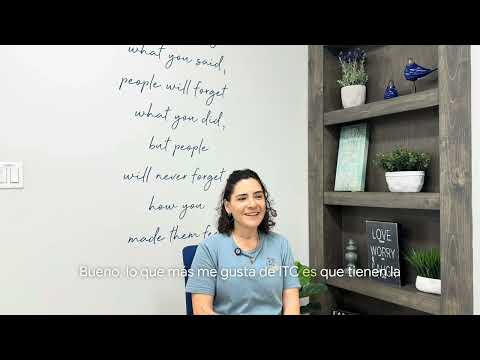
Patients diagnosed with a rare cancer such as synovial sarcoma may explore additional treatment options when the disease continues to progress or when they want to understand integrative approaches available outside their home country. This video follows Kellie’s experience with synovial sarcoma and her decision to seek alternative cancer treatment at Immunity Therapy Center (ITC) in Tijuana, Mexico.
Her story begins with severe chest pressure, numbness in her left arm, fluid around the heart, and emergency surgery that ultimately revealed a tumor behind her heart. She later underwent chemotherapy and radiation and describes repeated cancer recurrence before researching additional treatment options in Mexico.
Kellie discusses how she found Immunity Therapy Center, her experience with Dr. Carlos Bautista and the ITC medical team, the integrative therapies and nutritional support she received, her medical-travel experience, and the changes she says were seen on imaging after treatment.
This video reflects one patient’s personal experience. It should not be interpreted as evidence that alternative or integrative therapies can cure synovial sarcoma or produce the same results for other patients. Synovial sarcoma requires specialist oncology care, and patients should discuss any complementary or alternative treatment with their treating oncology team.
Video Chapters & Quick Navigation
Diagnosing a Rare Cancer Like Synovial Sarcoma
Synovial sarcoma is a rare type of soft-tissue cancer. Because symptoms can vary depending on where the tumor develops, diagnosis may sometimes be difficult and can require imaging, pathology, and specialist evaluation.
In Kellie’s experience, the first symptoms did not immediately suggest cancer. She describes severe pressure in her chest and difficulty sleeping [00:10]. At that point, her symptoms felt more like a cardiovascular problem than a tumor.
When her left arm became numb, she sought urgent medical attention [00:17]. She says doctors later discovered a significant buildup of fluid around her heart [00:24].
Emergency open-heart surgery was performed to address the situation [00:29]. During that procedure, surgeons discovered a tumor behind her heart. Her experience illustrates how an unusual tumor location can produce symptoms that initially resemble another medical condition.
Kellie’s Previous Chemotherapy and Radiation Treatment
After her cancer diagnosis, Kellie says she began treatment with chemotherapy and radiation [00:43]. These are established treatments used in oncology, although their role and effectiveness depend on the specific cancer type, stage, tumor location, and individual patient factors.
She describes experiencing repeated recurrence, with new disease appearing approximately every three months [00:50]. She also says later imaging showed additional tumors around the cardiac region [00:56].
According to Kellie, she was eventually told that the remaining conventional option being offered was long-term palliative chemotherapy medication [01:08]. That experience led her to research additional cancer treatment options outside her existing care pathway.
Patients with synovial sarcoma should not assume that standard treatment options are exhausted based on another patient’s experience. Specialist sarcoma centers may consider surgery, radiation, systemic therapies, clinical trials, or other approaches depending on the individual case.
How Kellie Found Alternative Cancer Treatment in Tijuana
Kellie explains that she began researching additional treatment approaches after her previous cancer treatments and recurrence history. She turned to patient communities and online support networks while looking for information about alternative cancer treatment centers in Mexico [01:14].
She says she learned about Immunity Therapy Center through a Facebook cancer-support group [01:24]. Patient communities can help people discover treatment centers, but testimonials and online recommendations should be reviewed alongside physician qualifications, treatment evidence, regulatory status, and independent medical advice.
After researching ITC, Kellie requested a consultation with Dr. Carlos Bautista [01:36].
She reports that the clinic arranged a phone consultation within one day [01:44], giving her an opportunity to discuss her medical history and treatment goals before traveling [01:53].
Kellie’s Experience at Immunity Therapy Center
Kellie describes her first impression of Immunity Therapy Center as very positive [02:01]. She says the facility felt warm, comfortable, and different from the hospital environments she had previously experienced [02:09].
She also speaks positively about the clinic staff, food, and overall support [02:16]. At [02:28], she emphasizes feeling treated personally rather than simply as a medical record.
A comfortable treatment environment can improve the patient experience and may help reduce anxiety, although comfort alone should not be interpreted as evidence that a cancer treatment is medically effective.
Integrative Cancer Care at ITC in Tijuana
Kellie describes having regular access to the medical team during her stay. She reports scheduled consultations with Dr. Bautista [02:35] and daily interaction with Dr. Alvarez [02:40].
She says physicians were accessible when questions arose [02:47], and she describes developing close relationships with the nursing team [02:54].
Understanding the Integrative Treatment Experience
Kellie characterizes the therapies she received at ITC as easier for her to tolerate than her previous chemotherapy and radiation experience. At [03:21], she says the treatment did not feel especially difficult or harsh.
Integrative or alternative cancer programs may include supportive, metabolic, nutritional, immune-focused, or other therapies. The evidence and regulatory status of these treatments can vary. Patients should ask the clinic exactly which therapies are being proposed, what evidence supports them, what side effects or interactions are possible, and how they fit alongside standard sarcoma care.
Important: Alternative or integrative therapies should not automatically replace established treatment for synovial sarcoma. Patients should review any proposed treatment plan with a sarcoma specialist or medical oncologist and ask whether treatments are standard, experimental, or complementary.
Patient-Reported Imaging Results After Treatment
At [03:30], Kellie describes undergoing medical imaging after approximately four weeks of treatment.
She reports being told that existing tumors had decreased in size and that no new tumors were seen on the follow-up imaging [03:36]. She contrasts this with her previous experience of repeated recurrence approximately every three months [03:43].
These findings are presented as part of Kellie’s testimonial. Without independent review of the imaging reports, pathology, complete treatment history, and other clinical data, the video alone cannot establish which treatment caused the reported changes or whether the response was durable.
Kellie also reports that the chest and side pain she had previously experienced resolved during her stay [03:50].
At [03:06], she also describes having more energy than she had experienced in several years. These quality-of-life improvements are meaningful to the patient but should not be assumed to predict outcomes for other people with synovial sarcoma.
Kellie’s Medical Travel Experience in Tijuana, Mexico
Kellie says she initially had concerns about traveling to Tijuana for cancer treatment [03:56]. Medical travel can involve unfamiliar healthcare systems, transportation, accommodation, and practical concerns that patients should evaluate before departure.
She ultimately traveled alone and describes her experience as well organized [04:04].
Kellie says the clinic helped coordinate private transportation after receiving her flight information [04:33], and provided instructions for pickup from San Diego [04:45].
Accommodation and Travel Coordination
Kellie reports that the clinic also assisted with hotel arrangements [04:54].
She describes the arrival and check-in process as straightforward [05:05] and says the logistical support reduced some of the stress associated with international travel [05:11].
Patients considering medical travel should independently verify transportation, accommodation, travel documents, clinic licensing, emergency arrangements, caregiver needs, and follow-up plans before traveling.
Nutrition Support During Cancer Treatment at ITC
Kellie discusses nutrition as an important part of her experience at Immunity Therapy Center. She describes enjoying the meals provided by the clinic and says she felt physically better while following the nutritional program [05:43] [05:49].
Adequate nutrition is important during cancer treatment because patients may experience changes in appetite, weight, digestion, energy, or nutritional requirements. However, no specific diet has been proven to make the body “inhospitable” to cancer or cure synovial sarcoma.
Kellie also describes wanting to continue some of the dietary practices after returning home [05:35]. She says she requested recipes from the nutrition team [05:26] so she could recreate meals at home.
Kellie’s Synovial Sarcoma Story and Message to Other Patients
At [06:36], Kellie reflects on how isolating it felt to have such a rare cancer diagnosis.
She describes reaching a point where she believed her conventional options had become very limited [06:42]. After her experience at ITC and the imaging changes she says were reported, she describes feeling renewed hope [06:47].
She also says she would recommend the clinic based on her personal experience [05:54].
At [06:25] and [06:28], her message to other patients is to research their options rather than allowing fear alone to determine their decisions.
Her story can help other patients understand one person’s experience with integrative cancer care in Mexico, but treatment decisions for synovial sarcoma should be made with qualified sarcoma specialists and based on the individual diagnosis, pathology, disease extent, previous treatments, overall health, and available evidence.
Explore Synovial Sarcoma and Alternative Cancer Treatment Options
If you or a loved one are researching treatment options for synovial sarcoma or another complex cancer diagnosis, PlacidWay can help you request information from medical providers such as Immunity Therapy Center in Mexico.
Ask about physician qualifications, proposed therapies, evidence, possible risks, treatment duration, pricing, medical-record requirements, accommodation, transportation, and how the program may coordinate with your current oncology care.
REQUEST FREE INFORMATION





















Share this listing