


Preparing a child for surgery is one of the most overwhelming experiences a parent can face, making effective pediatric postoperative breathing exercises a vital topic to understand. Beyond the surgical procedure itself, the recovery phase is a critical period that requires specialized care to protect your child's delicate respiratory health. For decades, hospitals have struggled to implement effective lung expansion therapies in young patients due to fear, pain, and the clinical nature of traditional medical devices.
Today, there is a massive paradigm shift in pediatric nursing and postoperative care that is changing lives. Leading medical institutions have discovered that the secret to rapid, complication-free recovery lies not in strict clinical demands, but in the universal language of children: play. Watch to see how world-class specialists at Liv Bona Dea Hospital seamlessly blend advanced medical protocols with engaging gamification to ensure your child heals safely and happily.
Video Chapters & Quick Navigation
The Hidden Challenges of Pediatric Surgery Recovery
When a young child is admitted to a hospital setting, they are immediately plunged into an unfamiliar world of bright lights, strange sounds, and unfamiliar faces. Add the physical discomfort of an operation, and the pediatric patient is often left feeling vulnerable and highly anxious. As seen in the video at [00:00], providing a warm, welcoming environment from the moment the family walks through the door is absolutely essential.
Unlike adults, who can rationalize the necessity of medical interventions and postoperative discomfort, children operate purely on immediate emotional and physical sensations. This fundamental cognitive difference makes pediatric surgery recovery uniquely challenging for both parents and medical professionals. Medical staff cannot simply explain the long-term benefits of a procedure to a toddler; they must physically create an environment where the child feels entirely safe and protected.
Pediatric postoperative care involves managing a delicate, complex balance between pain control, physical mobilization, and targeted respiratory therapy. When a child is experiencing pain from a surgical incision, their natural instinct is to guard the area by taking shallow, rapid breaths to minimize movement. This shallow breathing is a normal physiological response, but it presents a significant clinical danger that must be addressed proactively to prevent severe complications.
Overcoming this instinctual guarding requires immense skill, patience, and creativity from specialized pediatric nurses and doctors. It is not enough to have excellent surgical outcomes; the entire postoperative pathway must be meticulously designed to address the psychological barriers to physical recovery. Hospitals that truly excel in pediatric care recognize that treating the emotional state of the child is just as critical as treating their physical ailment.
Deep Dive into Postoperative Pulmonary Complications
To fully appreciate the necessity of postoperative respiratory therapy, one must understand the profound effects that general anesthesia and surgical trauma have on a developing body. During surgery, anesthesia essentially paralyzes the respiratory muscles, including the diaphragm, and depresses the central nervous system's natural drive to breathe deeply. This chemically induced state causes the lower portions of the lungs to dramatically under-inflate during the operation. As highlighted during the comprehensive medical evaluation at [00:49], physicians must carefully monitor lung sounds to detect any early signs of reduced airflow in these critical lower lobes.
Following the operation, the combination of residual anesthetic agents, post-surgical pain, and prolonged bed rest severely compromises the child's normal breathing patterns. The tiny air sacs in the lungs, known as alveoli, can stick together and collapse—a dangerous condition medically referred to as atelectasis. When alveoli collapse, they can no longer participate in the vital exchange of oxygen and carbon dioxide, leading to lower blood oxygen levels and extreme physical fatigue. This lack of oxygenation delays the healing process of surgical wounds and leaves the child feeling deeply lethargic.
Furthermore, shallow breathing prevents the normal clearance of mucus and pulmonary secretions from the respiratory tract. These trapped, stagnant secretions create an ideal, warm environment for opportunistic bacterial growth, rapidly escalating the risk of postoperative pneumonia. For pediatric patients, whose airways are naturally narrower and whose immune systems are still developing, learning how to prevent pneumonia after surgery in children is an absolute priority for any medical team.
Ignoring this pulmonary risk can lead to extended hospital stays, increased reliance on strong intravenous antibiotics, and significant emotional distress for the family. Because of these severe risks, aggressive yet gentle intervention is required to keep the lungs fully expanded and completely clear of dangerous secretions. Specialized pediatric respiratory therapy techniques are deployed to ensure the respiratory system rebounds quickly from the trauma of surgery.
The Science Behind Postoperative Breathing Exercises
The most effective, non-invasive defense against postoperative pulmonary complications is the immediate and consistent application of deep breathing exercises. The video perfectly captures this medical necessity at [00:34], where the onscreen text emphasizes that postoperative breathing exercises are of great importance in the recovery period. But what exactly do these simple exercises achieve on a microscopic physiological level?
When a child takes a slow, deep breath, it forces the diaphragm to contract fully, creating a vacuum that pulls air deep into the lowest lobes of the lungs. This massive influx of air creates internal positive pressure that literally pops open any collapsed alveoli, immediately reversing the dangerous effects of atelectasis. Furthermore, a sustained deep breath followed by a forceful exhalation mimics the natural mechanics of a cough. This forcefully mobilizes thick, sticky mucus from the deep lower airways up to the larger tracheal airways, where it can be safely and easily expelled from the body.
Additionally, deep, rhythmic breathing dramatically accelerates the elimination of residual anesthetic gases lingering in the child's bloodstream. Pushing these gases out helps the child wake up more fully, significantly reduces post-operative nausea, and quickly restores overall cognitive function. These exercises also stimulate the parasympathetic nervous system, which acts as the body's natural braking system.
Activating the parasympathetic nervous system naturally lowers the heart rate, reduces high blood pressure, and promotes a profound sense of physical relaxation. This natural relaxation response is a powerful, non-pharmacological tool for pain management, allowing pediatric patients to rest more comfortably without heavy doses of narcotics. Incorporating daily pediatric respiratory therapy techniques is entirely non-negotiable for ensuring a safe, rapid, and comfortable recovery process.
Pre-Operative Education: Setting the Stage for Healing
One of the most critical insights provided by modern pediatric nursing is the strategic timing of when respiratory training is introduced. As explicitly stated at [00:36], breathing exercises are demonstrated and taught to the patient and their relatives by the nurse before the operation takes place. This concept of pre-operative education for pediatric patients is a foundational pillar of advanced, patient-centric medical care.
Attempting to teach a new, potentially physically uncomfortable skill to a child who has just woken up from general anesthesia is nearly an impossible task. Postoperative pediatric patients are typically disoriented, groggy, in active pain, and highly reactive to environmental stress. If the very first time they see a respiratory device or are asked to perform a deep breathing exercise is in the stressful recovery room, they are highly likely to reject it outright out of fear and confusion.
By introducing these concepts in the calm, controlled, and friendly environment of the pre-operative room, the nursing staff effectively removes the crippling fear of the unknown. The child is awake, relatively comfortable, completely alert, and highly receptive to learning new things. This golden period allows the medical team to build essential rapport and deep trust with the young patient before any painful procedures occur. It successfully transforms a potentially terrifying medical intervention into a familiar, predictable, and heavily practiced routine.
When the child eventually wakes up after their surgery, the requested breathing exercises are no longer a terrifying new demand from a stranger. Instead, they are a comforting, known activity that they already practiced with their favorite nurse just a few hours prior. This incredibly proactive approach significantly increases patient compliance, dramatically lowers anxiety, and ultimately improves long-term clinical outcomes.
Gamification in Pediatrics: Why Play is the Best Medicine
Despite the clear medical necessity of lung expansion, gaining the willing cooperation of a young, recovering child remains a significant clinical hurdle. At [00:40], the video acknowledges a universal truth in pediatric medicine: training pediatric patients is not as easy as it is with fully grown adult patients. Adults can be handed a clinical incentive spirometer, given strict verbal instructions, and trusted to perform their therapy independently based on logic.
Children completely lack this intrinsic, health-driven motivation and cannot comprehend why they must do something that might cause them slight discomfort. The brilliant breakthrough solution to this problem lies in the deeply ingrained psychology of play. At [00:44], the fundamental philosophy of modern pediatric nursing is beautifully revealed: because children see these methods as games, the process becomes much more fun and engaging. Play is, quite literally, the natural language of childhood.
Play is precisely how children explore their environment, process complex information, and cope with high levels of stress. By integrating gamification into healthcare, medical professionals expertly bypass the child's psychological defenses and tap into their natural desire for fun and social interaction. When a medical exercise is presented as a playful game, the child is no longer a passive, fearful recipient of healthcare; they become an active, enthusiastic participant in their own healing.
Gamification heavily distracts the child from their localized pain and generalized anxiety, seamlessly shifting their focus to a specific, achievable, and highly enjoyable goal. The intimidating clinical environment instantly feels much less threatening and significantly more normal. This brilliant transformation from a sterile medical task to an interactive playtime activity is the absolute key to unlocking consistent, tear-free patient compliance.
Essential Fun Breathing Exercises for Kids After Surgery
Translating the abstract concept of gamification into practical, highly effective respiratory therapy requires immense creativity from medical staff. Pediatric nurses have expertly developed a myriad of fun breathing exercises for kids after surgery that achieve the exact same physiological results as clinical incentive spirometry. The primary difference is that these methods are accomplished entirely through the medium of play, utilizing everyday objects that children already love.
The Power of Balloon Inflation
A perfect clinical example is shown at [01:13], where the child is seen enthusiastically engaging in balloon inflation therapy. Blowing up a standard balloon requires an incredible amount of sustained positive expiratory pressure. The child must first take a massive, deep breath in, and then forcefully push that collected air out against the heavy resistance of the tight rubber balloon. This exact mechanical action perfectly expands the tiny alveoli, significantly strengthens the diaphragm muscle, and forces the lower airways entirely open.
Blowing Bubbles for Controlled Exhalation
Similarly, the simple act of blowing bubbles is an exceptional and highly effective method for encouraging pursed-lip breathing. To create a large, beautiful bubble without accidentally popping it, a child must exhale very slowly, incredibly steadily, and with massive physical control. This highly prolonged exhalation safely keeps the small airways in the lungs open much longer, facilitating excellent oxygen gas exchange and efficiently clearing out residual anesthesia from the bloodstream.
Creative Spirometry Alternatives
Other highly recommended incentive spirometry alternatives for children include blowing into colorful pinwheels, or using a simple plastic straw to blow a light cotton ball across a hospital tray table like a miniature soccer game. These visual, tactile activities provide the child with immediate, satisfying positive feedback. The child actually sees the delicate bubble float away or watches the bright pinwheel spin, which serves as an instant neurological reward for their physical effort, deeply encouraging them to repeat the deep breathing cycle multiple times.
| Clinical Feature | Traditional Adult Therapy | Pediatric Gamified Therapy |
|---|---|---|
| Primary Tool Used | Plastic Clinical Incentive Spirometer | Balloons, Soap Bubbles, Toy Pinwheels |
| Source of Motivation | Logical understanding of health benefits | Desire for play, fun, and social interaction |
| Communication Style | Strict medical terminology and charts | Age-appropriate storytelling and cheering |
| Patient Emotional State | Clinical compliance and duty | Joyful engagement and active distraction |
Empowering Parents in the Respiratory Recovery Process
The ultimate successful recovery of a pediatric patient is a highly collaborative effort that relies heavily on the active participation of the family unit. Medical professionals widely recognize that parents are the ultimate source of physical comfort and emotional security for a young child. This is exactly why the vital pre-operative training explicitly includes the patient's relatives alongside the child. Providing essential pediatric surgery recovery tips for parents is absolutely crucial for maintaining therapy consistency once the clinical staff steps out of the hospital room.
Parents are heavily encouraged to actively participate in the breathing games rather than just watching from the sidelines. When a parent joyfully blows bubbles alongside their child, it instantly normalizes the activity and completely removes any lingering clinical intimidation. Parents can creatively turn these medical exercises into friendly, low-stakes competitions, seeing who can blow the absolute biggest bubble or keep a cotton ball rolling across the table the longest.
- Practice Before the Hospital: Purchase cheap bubbles and balloons weeks before the surgery to familiarize the child with the physical mechanics of deep blowing without any medical pressure.
- Utilize Reward Charts: Create a highly colorful sticker chart where the child earns a bright sticker for every successful bubble-blowing session they complete post-surgery.
- Maintain Emotional Regulation: Children are highly intuitive; if you project intense fear or crippling anxiety, they will instantly mirror it. Stay outwardly calm, incredibly positive, and highly encouraging at all times.
Furthermore, parents play a massive, vital role in closely monitoring their child's fluctuating energy levels and silent pain cues. They know their child best and know exactly when to initiate a fun breathing session and when it is medically appropriate to let the child rest. By fully empowering parents with the deep knowledge and fun tools to guide their child's respiratory therapy, hospitals ensure that the critical healing process continues seamlessly around the clock.
Creating a Safe and Comforting Hospital Environment
Beyond the specific playful techniques and respiratory exercises, the overarching physical environment of the hospital plays a massive, often underestimated role in a child's recovery trajectory. As beautifully observed during the gentle, unhurried transition to the operating theater at [01:00], every single physical interaction must be specifically tailored to reduce sensory overload and emotional distress. A comforting, highly designed hospital environment involves essential physical elements—such as warm colorful walls, child-sized ergonomic furniture, soft natural lighting, and the comforting presence of familiar toys from home.
But more importantly, a true healing environment involves the deeply emotional atmosphere actively created by the nursing and surgical staff. Premier pediatric wards are specifically and intentionally designed to feel significantly less clinical and much more like a safe, highly engaging playroom. This intentional environmental design directly and measurably impacts physiological healing on a cellular level. When a child genuinely feels physically safe and emotionally protected, their cortisol levels—the body's primary stress hormones—dramatically decrease.
Consistently lower cortisol levels directly translate to a much stronger immune system response, vastly reduced systemic inflammation, and significantly faster tissue regeneration at the surgical site. Conversely, a high-stress, terrifying clinical environment can literally and demonstrably slow down the physical healing of surgical wounds by suppressing immune function. By highly prioritizing a comforting, non-threatening atmosphere, top-tier medical institutions are actively applying advanced evidence-based medicine to optimize their pediatric surgical outcomes.
Maximizing Clinical Outcomes Through Effective Communication
The absolute cornerstone of all successful pediatric medical interventions is highly effective, deeply compassionate verbal and non-verbal communication. At [01:17], this vital medical philosophy is perfectly crystallized: because we communicate more easily and comfortably with the pediatric patient through play, the medical treatment yields much more effective results. Communicating with a frightened child in a sterile medical setting requires a highly specialized, deeply empathetic skill set that goes far beyond standard medical training.
Healthcare providers must completely abandon complex, terrifying medical jargon and strictly adopt comforting, age-appropriate language. Instead of telling a toddler "we need to aggressively assess your vital signs," a highly trained pediatric nurse might softly say "let's see how strong and happy your heart is beating today," precisely as seen during the incredibly gentle initial intake at [00:10]. This slight shift in phrasing completely removes the clinical threat and frames the interaction as a fun, positive discovery.
Physical positioning during these conversations is equally, if not more, important than the words being spoken. Expert pediatric specialists will always physically lower themselves to the child's direct eye level rather than towering over them in a bed, which immediately reduces negative power dynamics and physical intimidation. Furthermore, constantly offering the child incredibly small, highly manageable choices—such as "Do you want to blow the blue balloon or the red balloon today?"—gives them a much-needed, empowering sense of control. In an environment where they otherwise feel entirely powerless, this respectful, tailored communication rapidly builds profound trust, ensuring the child is a highly willing partner in their own recovery journey.
World-Class Medical Tourism at Liv Bona Dea Hospital
Finding a dedicated medical institution that flawlessly and consistently executes these highly advanced pediatric protocols is a massive priority for anxious parents worldwide. Liv Bona Dea Hospital, prominently featured and beautifully concluding the recovery journey at [01:30], stands proudly as a premier global destination for families seeking the absolute best in comprehensive medical care. Recognizing that local neighborhood options may not always provide this incredibly high level of specialized, patient-centric pediatric therapy, an ever-increasing number of proactive families are confidently turning to the global network of medical tourism.
Liv Bona Dea Hospital represents the absolute gold standard in Liv Bona Dea Hospital medical tourism, seamlessly combining internationally accredited, cutting-edge medical expertise with unparalleled luxury, extreme comfort, and legendary hospitality. By intentionally choosing one of the absolute best pediatric hospitals for medical tourism, parents definitively ensure their child has immediate access to top-tier international surgeons and advanced, non-invasive monitoring technology. More importantly, they gain access to a dedicated nursing staff that is deeply, specifically trained in advanced pediatric psychology and gamified respiratory recovery.
This fully holistic, deeply empathetic approach to healthcare ensures that the entire medical journey is not characterized by fear, pain, or lasting trauma, but rather by compassionate healing, fun engagement, and highly positive family memories. For families desperately navigating the intense stress and high stakes of pediatric surgery, gaining affordable, streamlined access to this elite caliber of healthcare is truly a life-changing, health-saving opportunity.
Ready to Access World-Class Pediatric Care?
PlacidWay Medical Tourism connects you with top-rated medical centers like Liv Bona Dea Hospital, offering globally accredited pediatric care, advanced surgical options, and patient-centric gamified recovery programs. Let us handle the complex travel and medical coordination details so you can focus entirely on your child's health and happiness.
GET A FREE QUOTE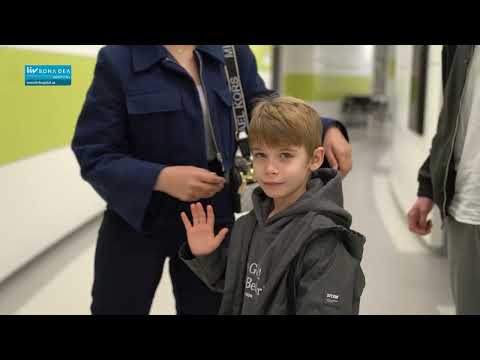





.png)










Share this listing