


Expectant mothers often face unexpected medical challenges, but navigating a safe water birth procedure in Turkey offers a reliable pathway to natural delivery. When prenatal diagnoses point to complications like intrauterine growth restriction or critically low amniotic fluid, immediate and professional medical intervention becomes absolutely crucial. Finding the right obstetrician and dedicated midwifery support can transform a highly stressful, high-risk scenario into a smooth and empowering natural birth experience.
This comprehensive guide explores how advanced maternity care facilities facilitate safe water deliveries for mothers overcoming early pregnancy hurdles. We examine the exact protocols used to manage pregnancy risks while ensuring both maternal and fetal health remain the top priority. From targeted hydration therapies to the physical benefits of hydrotherapy during labor, specialized maternal care systems provide the foundation for a successful delivery. By understanding these medical strategies, expectant parents can make highly informed decisions regarding their optimal birth plans.
Video Chapters
- Overcoming Intrauterine Growth Restriction
- Medical Strategies for Low Amniotic Fluid
- Benefits of Choosing a Water Birth Procedure
- The Vital Role of Midwifery Support
- Preparing the Birthing Pool and Monitoring
- Partner Support During Natural Delivery
- Choosing Turkey for Specialized Maternity Care
- Postpartum Recovery After Water Birth
Overcoming Intrauterine Growth Restriction for a Normal Delivery
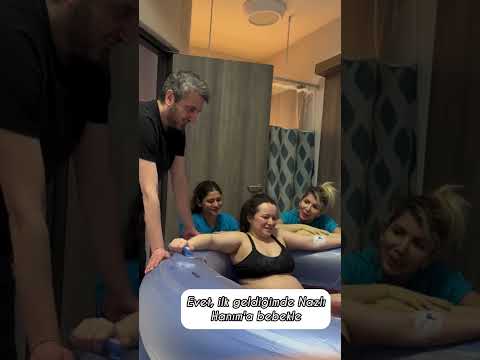
Receiving a diagnosis of intrauterine growth restriction can be incredibly distressing for expectant parents preparing for childbirth. As seen early in the patient's journey [00:00], hearing troubling news about a baby's developmental progress requires immediate psychological and medical resilience. Medical professionals must act swiftly to identify the underlying causes of the growth retardation to prevent long-term health complications for the newborn.
Growth restriction often occurs alongside oligohydramnios, a condition characterized by dangerously low levels of amniotic fluid inside the womb. At the critical moment of diagnosis [00:05], doctors may initially express doubt regarding the fetus's ability to develop normally. However, modern obstetric care provides multiple avenues to monitor placental function, improve blood flow, and stimulate healthy fetal weight gain during the third trimester.
Meticulous ultrasound tracking allows specialists to measure fetal abdominal circumference, head size, and femur length with remarkable precision. By addressing nutritional deficits and optimizing maternal blood pressure, doctors can often reverse alarming growth trends. This proactive approach ensures that even babies initially diagnosed with severe growth delays can eventually become strong candidates for a safe, natural delivery process.
How to Manage Low Amniotic Fluid During Pregnancy
Amniotic fluid is vital for protecting the fetus, facilitating lung development, and preventing umbilical cord compression during active labor. When fluid levels drop prematurely, the risk of requiring an emergency cesarean section increases dramatically. Medical teams must implement aggressive fluid management protocols to stabilize the intrauterine environment.
Specialized maternal hydration therapies, including both oral and intravenous fluid administration, have proven highly effective in boosting amniotic fluid volumes. Patients are often placed on modified bed rest to maximize placental perfusion and reduce unnecessary physical stress on the body. Consistent fetal heart rate monitoring ensures that the baby remains uncompromised while these conservative treatments take effect over several weeks.
Medical Strategies to Increase Amniotic Fluid and Fetal Weight
The transition from a high-risk diagnosis to a healthy pregnancy requires highly coordinated intervention from experienced obstetricians. A dedicated physician can implement dietary and medical adjustments designed specifically to increase amniotic fluid and fetal weight. As the patient noted [00:12], targeted medical care successfully enhanced the baby's fluid levels and overall physical mass.
Nutritional counseling plays a monumental role in correcting intrauterine growth restriction within a relatively short timeframe. Mothers are typically guided to consume high-protein diets, essential fatty acids, and complex carbohydrates to provide the maximum caloric transfer to the placenta. Supplements such as L-arginine are sometimes prescribed to dilate blood vessels and improve the continuous flow of nutrients to the growing fetus.
Simultaneously, increasing daily water intake to over three liters can directly influence amniotic fluid production within a matter of days. Doctors carefully track the amniotic fluid index during weekly sonograms to ensure the levels rise to a safe threshold. Once the baby reaches an appropriate weight and fluid levels stabilize, the mother is officially cleared to proceed with her desired birth plan.
Comparing Standard Hospital Births with Water Deliveries
Understanding the fundamental differences between traditional bed births and aquatic deliveries helps parents make empowered decisions. While both methods prioritize safety, they offer vastly different experiences regarding pain management and physical mobility. A clear understanding of these distinct approaches allows mothers to advocate for their specific delivery preferences.
| Feature | Standard Bed Delivery | Water Birth Procedure |
|---|---|---|
| Pain Management | Often relies on epidurals or IV medications | Natural pain relief through warm hydrotherapy |
| Maternal Mobility | Restricted movement, usually lying on the back | High buoyancy allows for easy position changes |
| Perineal Trauma | Higher risk of severe tearing or episiotomy | Warm water softens tissues, reducing tear risks |
| Fetal Transition | Immediate exposure to cold air and bright lights | Gentle transition from amniotic fluid to warm pool |
The Incredible Benefits of Choosing a Water Birth Procedure
Opting for a water birth procedure yields exceptional physiological and psychological advantages for both the mother and the newborn child. Achieving a successful water birth [00:19] represents the culmination of immense preparation, offering a deeply tranquil and empowering delivery experience. The therapeutic properties of warm water profoundly alter how the human body processes the intense sensations of active labor.
Buoyancy is one of the most significant physical benefits provided by a specialized birthing pool. When submerged in water, the mother experiences a dramatic reduction in gravitational pressure, allowing for effortless position changes. This unrestricted mobility encourages the pelvis to open more effectively, allowing the baby to descend rapidly through the birth canal.
Furthermore, the warm temperature of the water naturally lowers maternal blood pressure and reduces the production of stress-related hormones like cortisol. In response, the body secretes higher levels of endorphins, which serve as highly potent, natural pain inhibitors. This chemical shift minimizes the need for synthetic pharmacological pain relief, preserving the mother's mental clarity throughout the entire birthing process.
Key Advantages of Hydrotherapy for Mother and Baby
The advantages of hydrotherapy extend well beyond pain relief, fundamentally improving the structural mechanics of childbirth. Warm water promotes optimal blood circulation, ensuring that the uterine muscles receive highly oxygenated blood during intense contractions. This enhanced circulation directly prevents premature muscle fatigue, giving the mother greater endurance during the pushing phase.
- Enhanced Tissue Elasticity: Submersion in warm water significantly softens the perineal tissues, drastically lowering the statistical likelihood of severe vaginal tearing.
- Gentle Fetal Transition: The newborn transitions seamlessly from the warm amniotic sac into a pool of similar temperature, reducing immediate sensory shock.
- Lower Medical Interventions: Women utilizing birthing pools typically experience lower rates of artificial oxytocin induction and vacuum-assisted deliveries.
- Psychological Privacy: The pool creates an intimate physical boundary, fostering a deep sense of psychological safety and focus for the laboring mother.
The Vital Role of Midwifery Support for Natural Delivery
Achieving a completely natural childbirth requires extraordinary emotional stamina, making expert midwifery support an absolute necessity. A skilled midwife acts as the central pillar of strength in the delivery room, guiding the mother through the most physically demanding phases of labor. Acknowledging this profound impact [00:23] highlights how critical continuous emotional encouragement is to a successful delivery outcome.
The best midwifery support for water birth in Turkey encompasses far more than simple medical monitoring. Midwives provide hands-on comfort measures, including lower back counter-pressure, regulated breathing techniques, and highly specialized perineal massage. They possess the clinical expertise to continuously assess fetal heart tones underwater using waterproof Doppler ultrasound devices.
During the pivotal transition phase of labor, many mothers naturally experience moments of severe self-doubt and exhaustion. A dedicated midwife patiently endures these intense psychological waves, offering steady vocal reassurance to prevent the mother from giving up. This unwavering advocacy ensures that the mother remains mentally anchored and physically capable of pushing the baby to safety.
Preparing the Birthing Pool and Medical Monitoring Protocols
Executing a safe water birth requires meticulous environmental preparation and highly strict adherence to clinical safety protocols. Hospital staff must thoroughly sanitize the birthing pool before labor begins to eliminate any risk of maternal or neonatal infection. Specialized disposable pool liners are frequently utilized to maintain the highest possible standards of sterility in the delivery suite.
Water temperature regulation is arguably the most critical technical component of the entire water birth procedure. The water must be consistently maintained between 36.5°C and 37.5°C to perfectly mimic the mother's internal body temperature. If the water becomes too hot, it can rapidly elevate the maternal core temperature, subsequently causing fetal distress and dangerous spikes in the baby's heart rate.
Continuous clinical vigilance remains mandatory even in a relaxed hydrotherapy environment. Medical professionals conduct regular checks of the mother's vital signs, hydration status, and cervical dilation progress. Should any signs of complications arise, such as thick meconium in the water or a sudden drop in the fetal heart rate, protocols dictate an immediate transfer from the pool to a traditional delivery bed.
Criteria for a Safe Water Birth Candidacy
Not every pregnancy qualifies for a water birth, making strict medical screening an essential part of prenatal care. Physicians meticulously evaluate each patient's medical history to determine if aquatic delivery poses any hidden risks. Ensuring candidacy guarantees that emergency interventions are highly unlikely during the active stages of labor.
Ideal candidates must have reached full term, typically between 37 and 42 weeks of gestation, with a single baby positioned head-down. Expectant mothers with pre-existing conditions like severe preeclampsia, active genital herpes, or uncontrolled gestational diabetes are generally excluded from birthing pools. By strictly adhering to these medical guidelines, obstetricians maintain exceptional safety records for maternal and neonatal outcomes.
Importance of Partner and Family Support During Labor
The birthing environment is deeply influenced by the presence and active participation of supportive family members. Recognizing the father's contribution [00:37] emphasizes that successful natural childbirth is very often a highly collaborative team effort. A well-prepared partner provides an irreplaceable sense of security that medical professionals simply cannot replicate.
During a water birth procedure, partners frequently assist by helping the mother change positions safely within the slippery pool environment. They manage practical necessities, such as providing constant hydration, applying cold compresses to the mother's forehead, and offering continuous verbal affirmations. This active physical involvement drastically reduces maternal anxiety and promotes the steady release of labor-inducing hormones.
Furthermore, the partner serves as a crucial communications bridge between the laboring mother and the attending medical staff. By fully understanding the mother's birth plan and pain management preferences in advance, the partner can fiercely advocate for her wishes. This dynamic allows the mother to completely surrender to the intense physical process of childbirth without worrying about external logistical details.
Why International Patients Choose Turkey for Specialized Maternity Care
In recent years, medical tourism for high-quality maternity care has experienced a massive surge in global popularity. Expectant parents actively seek the most advanced obstetric services, driving them to research the highly acclaimed water birth procedure in Turkey. The country has successfully established itself as a premier destination for complex maternal healthcare and natural delivery options.
Turkish maternity hospitals boast state-of-the-art infrastructure, featuring luxurious, private hydrotherapy birthing suites designed specifically for maximum patient comfort. These modern facilities seamlessly integrate the calming ambiance of a home birth with the absolute safety of a fully equipped surgical center. Consequently, international patients enjoy peace of mind knowing neonatal intensive care units are immediately available if unforeseen complications arise.
Cost-effectiveness paired with elite medical expertise heavily influences the decision to travel for specialized maternity services. Top-tier obstetricians and highly certified midwives in Turkey offer deeply personalized, patient-centric care models at a fraction of the cost found in Western countries. This combination of affordability, elite medical training, and profound empathy makes the region an ideal choice for expectant mothers facing high-risk pregnancies.
Postpartum Recovery Expectations After a Natural Water Birth
The postpartum recovery phase following a water birth is universally reported to be significantly smoother than standard delivery methods. The warm water's ability to relax the pelvic floor muscles drastically minimizes microscopic tissue tearing and severe postpartum bruising. Consequently, mothers frequently experience a much faster return to comfortable, pain-free mobility within the first twenty-four hours.
Because the body does not have to metabolize heavy synthetic epidural medications, both the mother and baby remain highly alert immediately after birth. This heightened state of physical awareness beautifully facilitates uninterrupted skin-to-skin contact, which is vital for regulating the newborn's body temperature. Furthermore, this immediate physical bonding plays a highly critical role in establishing a successful and robust breastfeeding relationship early on.
Medical staff continue to monitor the mother closely during the golden hours succeeding the delivery process. They ensure the uterus is properly contracting to prevent postpartum hemorrhage while actively assessing the newborn's respiratory transition. By providing comprehensive aftercare, medical teams guarantee that the transition into early motherhood is as physically comfortable and emotionally joyful as possible.
Ready to Plan Your Safe Water Birth Journey?
Connect with top-rated medical professionals for personalized maternity care. Ensure a safe, highly supported, and empowering natural delivery experience tailored exactly to your unique health needs.
Get Free QuoteView Full Video Transcript
[00:00] Evet, ilk geldi?imde Nazl? Han?m'a bebekle ilgili s?k?nt?l? ?eyler söylediler.
[00:05] Geli?im gerili?i var dediler suyu az dediler.
[00:08] Geli?meyecek dediler ama Nazl? Han?m sa?olsun.
[00:12] Bebe?in suyunu artt?rd? kilo ald?rd?.
[00:15] Tam da istedi?im gibi normal do?um için elinden gelen her ?eyi yapt?.
[00:19] Suda do?um oldu gayet güzel oldu.
[00:22] En büyük destekçimiz Gözde Ebeydi unutmuyoruz tabi ki.
[00:26] Gözde Han?ma çok te?ekkür ediyorum.
[00:28] Sab?rla bana dayand? vazgeçmedi.
[00:33] Sen ba?ard?n. Nazl? Han?m da sa?olsun ikisi de çok sab?rl?.
[00:37] Ama sen de... Bir de babaya tebrikler.
[00:40] Babaya da te?ekkür ederim.





-Package-in-Kyrenia,-Cyprus-by-Kyrenia-IVF-Center.jpg)


.jpg)









Share this listing