


Navigating the journey of maternity requires access to highly specialized, holistic care models that prioritize maternal comfort and neonatal safety. The water birth procedure in Turkey represents a leading approach for expectant mothers seeking a deeply transformative, natural childbirth experience. Warm water immersion during labor significantly reduces physiological stress, facilitating an environment where maternal hemodynamics and hormonal cascades operate optimally.
By leveraging the therapeutic properties of hydrotherapy, obstetric professionals can minimize the necessity for pharmacological pain interventions. Expectant families exploring natural childbirth options for expectant mothers consistently find that aquatic labor environments offer unparalleled benefits. From continuous partner support during water birth labor to the meticulous safety protocols established by attending midwives, understanding these clinical and psychological advantages is crucial for making informed maternity care decisions.
Video Chapters
Understanding the Physiology of Aquatic Labor
Warm water immersion during the active phase of labor introduces a complex physiological shift that fundamentally alters the birthing experience. The hydrostatic pressure of the water acts dynamically on the maternal body, redistributing blood volume and reducing fluid retention in the lower extremities. This upward displacement of body fluids improves maternal circulation, which consequently enhances oxygen perfusion directly to the contracting uterine muscles.
Buoyancy plays an equally critical role in redefining maternal mobility during active labor. When submerged to chest level, a laboring mother experiences a drastic reduction in functional body weight, allowing for unrestricted positional changes that would otherwise be exhausting on land. This freedom of movement facilitates an optimal alignment of the fetal presenting part with the maternal pelvis, encouraging a smoother descent and potentially shortening the duration of the dilation phase.
Furthermore, the thermal regulation provided by the water influences the endocrine system's function. Warm hydrotherapy triggers a substantial decrease in maternal catecholamines, commonly known as stress hormones. The suppression of adrenaline and noradrenaline prevents the constriction of blood vessels, ensuring that the oxytocin flow—responsible for effective uterine contractions—remains uninterrupted and robust throughout the delivery process.
The Endocrine Cascade and Pain Receptor Modulation
At the biochemical level, a water birth acts as a powerful catalyst for the secretion of beta-endorphins, the body’s endogenous analgesics. The sensory stimulation provided by warm water activates cutaneous nerve fibers across the skin's surface. According to the gate control theory of pain, this dense barrage of pleasant sensory input effectively competes with pain signals originating from the contracting uterus, mitigating their transmission to the central nervous system.
This natural modulation of pain receptors directly correlates with lower intervention rates in aquatic birthing environments. Expectant mothers are less likely to require synthetic oxytocin augmentation or epidural analgesia. The preservation of this delicate hormonal balance prevents the cascade of medical interventions often seen in traditional hospital bed births, safeguarding the biological integrity of the physiological birth process.
The Crucial Role of Partner Support Mechanisms
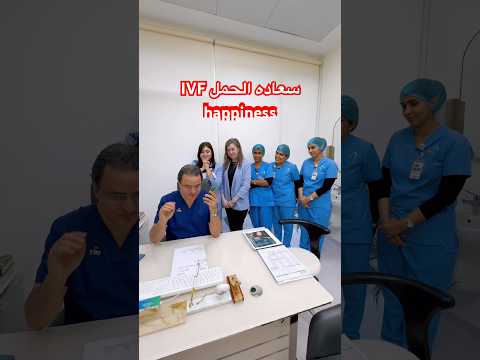
The psychological architecture of a successful natural delivery relies heavily on a secure emotional environment. As witnessed at [00:12], consistent partner support during water birth labor serves as a primary anchor for the laboring mother. The active presence of a spouse provides tangible grounding, allowing the mother to externalize her fears and maintain focus during intense transitional contractions.
Partners are frequently encouraged to enter the birthing pool or maintain close physical proximity from the outside edges. This proximity enables continuous physical touch, counter-pressure massage on the sacrum, and synchronized breathing techniques. Such tactile interactions stimulate maternal oxytocin release, which is highly responsive to feelings of love, safety, and physical intimacy within the birthing space.
The birthing environment demands a high degree of emotional regulation from the support person. Maintaining a calm demeanor—especially when the laboring mother expresses exhaustion or feelings of giving up, highlighted at [00:19]—is paramount. By offering verbal affirmations and projecting unwavering confidence in the birthing process, partners help down-regulate the mother's sympathetic nervous system response.
Collaborative Dynamics in the Birthing Suite
A synergistic relationship between the laboring mother and her partner forms a protective psychological barrier against external stressors. This collaborative dynamic transforms the birthing space into an intimate sanctuary rather than a clinical setting. By managing the immediate environment—such as dimming lights, controlling room temperature, and minimizing unnecessary interruptions—the partner acts as the guardian of the physiological birth space.
Integrating the partner directly into the physical act of birth empowers the entire family unit. Whether it involves catching the infant as they emerge into the water or simply providing the physical leverage needed for pushing, this shared experience deepens the immediate postnatal bond. It sets a foundational precedent for collaborative parenting right from the very first moments of the child's life.
- Sacral Counter-Pressure: Applying sustained, firm pressure to the lower back to alleviate the intensity of posterior labor pains.
- Hydration Management: Ensuring the laboring mother receives constant fluids and electrolytes to prevent maternal exhaustion in the warm pool.
- Sensory Grounding: Utilizing cold compresses on the neck and face to counterbalance the heat of the hydrotherapy tub.
- Verbal Pacing: Guiding the mother's respiratory rate through peak contractions to prevent hyperventilation and maintain fetal oxygenation.
Managing Labor Pain with Warm Water Immersion
One of the most profound benefits of a water birth experience is the comprehensive approach to non-pharmacological pain management. Unlike regional anesthesia, which numbs the lower body and restricts movement, hydrotherapy facilitates active participation in the labor process. The continuous immersion of the abdomen provides a soothing counter-stimulation that directly addresses the visceral pain of cervical dilation.
The biomechanics of the pelvis are significantly optimized when a mother labors in a deep birthing pool. The ability to effortlessly adopt upright, kneeling, or squatting positions expands the pelvic outlet by up to 28 percent. This mechanical advantage reduces the resistance against the descending fetal head, thereby minimizing the duration and intensity of the second stage of labor (the pushing phase).
Furthermore, the elasticity of the perineal tissues is greatly enhanced by prolonged exposure to warm water. This improved tissue compliance drastically lowers the incidence of severe perineal lacerations and reduces the need for routine episiotomies. Expectant mothers benefit from a more intact pelvic floor, leading to a faster, more comfortable postpartum recovery period.
Comparing Analgesic Methodologies
Understanding the physiological distinctions between aquatic labor and traditional epidural analgesia is vital for maternal preparation. While epidurals provide complete sensory blockage, they often necessitate continuous electronic fetal monitoring, intravenous fluid administration, and urinary catheterization. This cascade of interventions restricts maternal mobility to the hospital bed.
Conversely, managing labor pain with warm water immersion preserves the mother's neurological feedback loop. She remains acutely aware of the physiological signals dictating when and how to bear down. This somatic awareness prevents directed, forceful pushing, allowing the mother to follow her involuntary reflex to push (the Ferguson reflex), which is significantly gentler on both the maternal anatomy and the fetal cranium.
| Parameter | Warm Water Immersion | Epidural Analgesia |
|---|---|---|
| Maternal Mobility | Unrestricted, buoyant movement | Highly restricted to bed |
| Perineal Trauma Risk | Reduced due to tissue softening | Increased risk of instrumental delivery |
| Hormonal Interference | None; promotes endogenous oxytocin | May require synthetic oxytocin augmentation |
| Neonatal Transition | Gentle, immediate skin-to-skin | Standard hospital protocols apply |
The Neonatal Transition: Creating a Gentle Birth Environment
The journey from the intrauterine environment to the external world is the most extreme physiological transition a human will endure. A gentle birth environment for newborns, facilitated by an aquatic delivery, profoundly softens this shock. As the infant emerges into the warm water, they are entering an environment that closely mimics the temperature and buoyancy of the amniotic fluid they have inhabited for nine months.
A common clinical question regarding aquatic births involves the risk of neonatal aspiration. Physiologically, infants are protected by a robust mechanism known as the dive reflex. Upon submersion, water passing over the infant's facial receptors triggers an automatic closure of the glottis, completely preventing the inhalation of water into the pulmonary system. The infant continues to receive highly oxygenated blood through the intact umbilical cord during this brief submerged period.
Immediate retrieval of the infant from the water to the mother’s chest initiates the vital process of skin-to-skin contact. The first breath is stimulated by the sudden change in temperature and pressure as the facial receptors meet the air. This gradual sensory awakening, devoid of harsh lights and sudden handling, stabilizes the newborn's baseline heart rate and promotes optimal thermoregulation against the mother’s skin.
Delayed Cord Clamping and Placental Transfer
Within the holistic framework of a water birth, the immediate postpartum phase prioritizes the physiological transfer of placental blood. Delayed cord clamping is a standard protocol in aquatic deliveries. Leaving the umbilical cord intact until pulsations cease allows for the transfer of up to 30 percent more blood volume to the neonate, ensuring a rich supply of iron, stem cells, and essential red blood cells.
This practice is critical for the neurological and physical development of the infant in their first year of life. Maintaining the integrity of the cord also provides a secondary source of oxygenation while the infant's lungs expand and adapt to atmospheric breathing. This safety net reduces the urgency of the physiological transition, granting the infant the necessary time to adapt to extrauterine life at their own biological pace.
Selecting the Right Professional Maternity Care
The success and safety of a natural aquatic delivery hinge on the expertise of the attending clinical team. Holistic maternity care in Turkey integrates highly skilled midwives and obstetricians who specialize in physiological birth protocols. Acknowledging the profound impact of these professionals, as seen at [00:25], underscores the intense physical and emotional labor provided by the clinical staff.
Expert clinicians must possess advanced competencies in intermittent fetal auscultation using waterproof Doppler devices. Monitoring the fetal heart rate without removing the mother from the water requires patience and specialized training. These professionals are trained to identify subtle shifts in maternal physiology, intervening only when clinically indicated rather than strictly adhering to rigid timelines.
Furthermore, an experienced birth team seamlessly manages the logistical complexities of a water birth. They rigorously monitor the pool's temperature, ensuring it remains between 36.5°C and 37.5°C (97.7°F to 99.5°F). Preventing maternal hyperthermia is crucial, as elevated core temperatures can lead to fetal tachycardia and subsequent distress. Meticulous clinical oversight operates invisibly in the background, preserving the intimate atmosphere of the room.
Emergency Preparedness and Risk Stratification
While physiological birth is overwhelmingly safe for low-risk pregnancies, professional maternity care requires robust emergency preparedness. Accredited birthing centers and hospital-based water birth suites maintain stringent protocols for immediate extraction from the pool should maternal or fetal distress occur. The team must be capable of executing rapid transitions to standard obstetrical beds without inducing panic.
Thorough antenatal risk stratification is the foundation of this safety protocol. Not all pregnancies are candidates for aquatic delivery. Pathologies such as preeclampsia, active maternal infections, preterm labor, or non-reassuring fetal tracing necessitate continuous electronic monitoring and immediate access to advanced medical interventions. The clinical team’s primary duty is balancing the mother’s desire for a natural birth with uncompromising safety standards.
Preparation Strategies for an Aquatic Birthing Environment
Anticipating the physical demands of labor requires comprehensive antenatal preparation. Expectant mothers choosing hydrotherapy must actively condition their bodies and minds for the endurance required during an unmedicated delivery. Prenatal yoga, targeted pelvic floor exercises, and specific breathing methodologies build the stamina necessary to navigate the intense muscular exertion of childbirth.
Educating both the mother and her support team about the physiological stages of labor demystifies the process, significantly lowering anticipatory anxiety. Understanding the emotional signposts of labor—specifically the challenging transition phase where self-doubt peaks—prepares the family for the psychological hurdles. Recognizing these moments as normal milestones rather than signs of failure helps maintain maternal morale.
Logistical preparation regarding the birthing pool itself is equally crucial. Families must familiarize themselves with the infection control standards of their chosen facility. High-grade, single-use pool liners, meticulous sanitation of the drainage systems, and the utilization of sterile water hoses ensure that the aquatic environment remains free from opportunistic pathogens, safeguarding the vulnerable neonatal immune system.
Sensory Environment Optimization
The mammalian birth reflex is highly sensitive to environmental stimuli. Bright lights, loud noises, and the presence of unfamiliar personnel stimulate the neocortex, which can stall the progression of labor. Preparing the sensory environment is a fundamental component of holistic birth planning. Dimmed lighting encourages melatonin production, which works synergistically with oxytocin to facilitate uterine contractions.
Integrating auditory and olfactory elements can further deepen relaxation. Carefully curated acoustic playlists and the subtle use of safe essential oils (like lavender or clary sage) anchor the mother's senses. By consciously designing a tranquil, private, and secure space, the birthing team constructs a psychological fortress that allows the mother's primal physiological reflexes to safely take over.
- Antenatal Education: Completing specialized childbirth classes focused on unmedicated coping strategies and hydrotherapy biomechanics.
- Hydrotherapy Familiarization: Utilizing warm baths during early labor at home to gauge maternal response to thermal relaxation.
- Nutritional Priming: Consuming high-energy, easily digestible carbohydrates in the early stages of labor to stockpile glycogen reserves.
- Birth Plan Articulation: Clearly documenting maternal preferences regarding delayed cord clamping, physiological third-stage management, and immediate neonatal care.
Navigating the Postpartum Psychological Landscape
The immediate moments following delivery represent a profound psychological climax. The sudden cessation of physical pain, combined with the overwhelming reality of a new life, frequently triggers intense emotional responses. The disbelief expressed by a mother meeting her child for the first time, powerfully captured at [00:03], illustrates the surreal nature of traversing the threshold of childbirth.
This emotional flooding is driven by the highest surge of oxytocin a woman will ever experience in her lifetime. This hormonal peak is biologically engineered to permanently wire the maternal brain for infant attachment. However, the cognitive processing of the sheer physical effort required often leaves mothers in a state of positive shock, struggling to reconcile the intensity of labor with the tranquility of holding their newborn.
Validating the mother’s achievement is a crucial component of immediate postpartum care. Affirmations from the medical staff and the partner reinforce her psychological resilience. Acknowledging that she successfully navigated the physiological gauntlet—despite moments of intense doubt—helps integrate the childbirth experience as an empowering life event rather than a traumatic medical procedure.
The Importance of Identity Affirmation
The transition from a laboring woman to a mother is crystallized in the naming of the child. Pronouncing the newborn's name aloud, as demonstrated at [00:46], signals the psychological incorporation of the infant into the family structure. It is a deeply grounding action that helps center the mother’s consciousness back into the immediate present, anchoring her to the reality of the child resting on her chest.
This initial period of uninterrupted skin-to-skin contact, frequently termed the "golden hour," must be fiercely protected. It is not merely a bonding exercise; it is a critical clinical window. Maternal warmth regulates the infant's glucose levels and stabilizes their respiratory patterns. Interrupting this sacred biological sequence for routine, non-emergent newborn evaluations disrupts the foundational establishment of the maternal-infant dyad.
Holistic Clinical Integration for Expectant Mothers
Integrating aquatic delivery into modern obstetrical practice bridges the gap between historical physiological wisdom and contemporary medical safety. Establishing a water birth procedure in Turkey involves rigorous facility accreditation, ensuring that the necessary infrastructure—ranging from industrial-grade heating systems to specialized emergency extraction equipment—is flawlessly maintained. This logistical excellence provides the unseen scaffolding that allows physiological birth to unfold securely.
Expectant families must actively seek out care models that align with a philosophy of non-intervention. This requires interviewing prospective obstetricians and midwifery teams to gauge their genuine comfort levels with unmedicated labor and hydrotherapy protocols. A truly supportive clinical team views the maternal body as inherently capable, positioning themselves as watchful guardians rather than active directors of the birth process.
Ultimately, the objective of providing natural childbirth options for expectant mothers is to dismantle the pathology-focused narrative surrounding birth. By facilitating environments where women are empowered to utilize their biological coping mechanisms, the maternity care system can significantly reduce the prevalence of birth trauma. Empowered birthing experiences yield profound, multi-generational benefits, fostering healthier psychological beginnings for both the mother and the developing child.
Plan Your Holistic Maternity Journey
Discover exceptional holistic maternity care and natural childbirth options. Connect with leading obstetric professionals in Turkey to safely plan your supportive water birth experience.
Get Free QuoteView Full Video Transcript
[00:00] Aysun, what do you feel?
[00:03] Well, I am feeling very different emotions, Ms. Nazl?.
[00:06] Such a beautiful baby can't be mine.
[00:08] Yours of course.
[00:10] Well, this is very beautiful but...
[00:12] Your father was very supportive though.
[00:14] He was very supportive, you never lost your cool.
[00:17] I got support from my spouse.
[00:19] When you gave up.
[00:21] Yes, it was a beautiful collaboration.
[00:23] Mother...
[00:25] Ms. Nazl?, your effort is huge, Ms. Gözde's too, really.
[00:30] I can never repay you, you really endured a lot from me.
[00:34] But it was a very beautiful birth. Look, you did it, you succeeded.
[00:37] I swear, how did it happen, I'm still...
[00:40] I'm in shock.
[00:42] She has a habit of closing her face.
[00:44] Let's call her by her name.
[00:46] Lisa. Welcome Lisa.
[00:49] Welcome to our world.
[00:53] Yes, my mother.
[00:55] Yes, my only one.







.jpg)









Share this listing