


Testimonial for Fetal Stem Cell Treatment: A Journey to Cellular Regeneration
Watch this powerful testimonial for fetal stem cell treatment and discover how advanced regenerative medicine is changing lives globally. For patients struggling with chronic illness, severe autoimmune conditions, or debilitating physical decline, traditional medicine often falls short of providing a true cure.
Fetal stem cell therapy offers a groundbreaking, holistic approach by targeting cellular repair at the absolute root level. This comprehensive guide explores real patient success stories, the underlying biological science of pluripotency, and why thousands are choosing medical tourism to access these innovative, life-restoring healing protocols abroad.
Video Chapters & Quick Navigation
- Transformative Power of Therapy
- Decoding the Cellular Science
- Analyzing the Patient Testimonial
- Fetal vs. Adult Stem Cells
- Conditions Addressed by Medicine
- The Medical Tourism Advantage
- Step-by-Step Clinic Experience
- Long-Term Healing Protocols
- Navigating Safety and Ethics
- Financial Investment in Health
The Transformative Power of Fetal Stem Cell Therapy
Modern healthcare has made incredible strides in managing symptoms, but true regeneration has always been the ultimate goal of medical science. Fetal stem cell therapy represents a monumental leap forward in this pursuit, offering hope to individuals who have exhausted conventional treatment pathways. Unlike pharmaceutical interventions that mask pain or suppress symptoms, regenerative cellular therapy seeks to rebuild the body from the microscopic level upwards.
The concept of using biological building blocks to heal degenerative tissue is not entirely new, but the specific application of fetal stem cells has revolutionized the efficacy of these treatments. Because these cells are sourced from early-stage biological development, their potential for rapid multiplication and targeted differentiation is unmatched. This unique biological advantage allows them to migrate to areas of severe inflammation and tissue damage with astonishing precision.
For patients suffering from chronic autoimmune responses or severe neurological decline, this therapy is often viewed as a final beacon of hope. A single, powerful testimonial for fetal stem cell treatment can illuminate the profound, life-altering impact that regenerative medicine can have on a person's daily vitality. By understanding the core mechanics of this therapy, patients can make highly informed decisions regarding their long-term health investments.
Decoding the Science: How Fetal Stem Cells Work
To truly appreciate the value of a patient's recovery journey, one must delve deeply into the underlying biological mechanisms that make fetal stem cell therapy successful. At the heart of this medical marvel is the concept of pluripotency, which refers to a stem cell's inherent ability to transform into almost any specific cell type required by the human body.
When these potent cells are introduced into a patient's bloodstream or targeted tissue areas, they act as intelligent repair agents. They are naturally drawn to regions exhibiting high levels of inflammation or cellular distress, a phenomenon medically known as "homing." Once they arrive at the site of injury or disease, the real magic of cellular regeneration begins to unfold.
The Paracrine Effect and Cellular Communication
Fetal stem cells do not merely replace dead or dying cells; they act as powerful signaling centers within the body. Through a mechanism known as the paracrine effect, these introduced cells secrete a complex cocktail of growth factors, cytokines, and protective exosomes into the surrounding tissue environment.
These biochemical signals effectively "wake up" the patient's own dormant adult stem cells, prompting the body to initiate its native healing cascades. This dual-action approach—providing new healthy cells while simultaneously supercharging the body's existing repair mechanisms—is what makes fetal stem cell treatment exceptionally effective for chronic conditions.
Immunomodulation and Reducing Systemic Inflammation
One of the most critical aspects of advanced stem cell therapy is its profound immunomodulatory effect. In many chronic illnesses, particularly autoimmune diseases, the patient's immune system is hyperactive and continuously attacks healthy tissue. Traditional immunosuppressants shut down the entire immune response, leaving the patient vulnerable to dangerous infections.
Fetal stem cells, however, possess the unique ability to reset and regulate the immune system without completely suppressing it. They can calm the hyperactive immune response, significantly lowering systemic inflammation, and halting the progression of autoimmune tissue destruction. This sophisticated regulation is a cornerstone of long-term healing and vitality restoration.
Analyzing the Patient Testimonial for Fetal Stem Cell Treatment
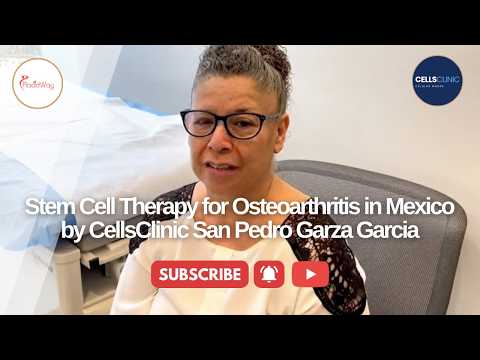
Real-world experiences provide the most compelling evidence of clinical efficacy. In the featured video, the patient details a harrowing journey through chronic illness before discovering the benefits of cellular therapy. As highlighted at , patients often arrive at these specialized clinics feeling entirely defeated by years of ineffective, conventional therapies.
The mental and physical toll of chronic illness cannot be overstated. Patients frequently experience severe brain fog, debilitating joint pain, and a complete loss of independent mobility. The testimonial underscores the importance of finding an alternative pathway when standard pharmacological interventions yield no meaningful improvements.
The Initial Struggle and Search for Answers
Prior to treatment, the patient describes a life restricted by severe energy depletion and constant discomfort. This is a common narrative among individuals seeking regenerative medicine for autoimmune disease or neurological decline. The decision to pursue treatment abroad is rarely taken lightly; it is usually the result of exhaustive research and a desperate need to reclaim one's quality of life.
At , the patient explains the thorough medical consultation process that preceded the actual therapy. Reputable international clinics place a heavy emphasis on customized treatment protocols, ensuring that the stem cell dosage and delivery method are perfectly aligned with the patient's specific diagnosis and physical condition.
The Turning Point of Cellular Healing
The most impactful moment of the narrative occurs during the post-treatment reflection. By , the patient vividly describes the immediate post-therapy phase, noting a remarkable and rapid reduction in systemic brain fog and chronic fatigue. This immediate surge in mental clarity is frequently reported and is attributed to the powerful anti-inflammatory cytokines released by the stem cells.
The breakthrough moment mentioned near the end of the video at emphasizes the complete restoration of joint mobility and overall vitality. Hearing a first-hand account of transitioning from a state of chronic suffering to a life of active independence provides invaluable reassurance to prospective patients exploring stem cell therapy success rates.
Fetal Stem Cells vs. Adult Stem Cells: A Comprehensive Comparison
When researching regenerative treatments, patients frequently encounter terms like autologous (adult) stem cells and allogeneic (donor/fetal) stem cells. Understanding the distinct differences between these cellular sources is crucial for managing expectations and choosing the right medical protocol. Adult stem cells are typically harvested from a patient's own bone marrow or adipose (fat) tissue.
While adult stem cells are highly beneficial for localized orthopedic injuries, they possess significant limitations when treating systemic, age-related, or autoimmune conditions. Adult cells have aged alongside the patient, meaning they have been exposed to the same environmental toxins, oxidative stress, and biological degradation over the years. Consequently, their proliferative capacity is notably diminished compared to younger cells.
Fetal stem cells, conversely, are essentially "day zero" biological entities. They possess incredibly long telomeres, meaning they can divide and multiply exponentially more times than older cells before reaching senescence. Furthermore, they are highly adaptable and do not typically trigger an immune rejection response, making them incredibly safe for systemic intravenous therapies.
| Feature | Fetal Stem Cells | Adult Stem Cells (Autologous) |
|---|---|---|
| Proliferation Capacity | Extremely High (Long telomeres) | Moderate to Low (Age-dependent) |
| Differentiation Potential | Pluripotent (Can become almost any cell type) | Multipotent (Limited to specific cell lineages) |
| Immune Rejection Risk | Virtually Zero (Immune privileged) | Zero (Sourced from the patient's own body) |
| Treatment Application | Systemic diseases, neurological, anti-aging | Localized orthopedic repairs, joint issues |
| Harvesting Procedure | No surgical extraction required for the patient | Requires invasive bone marrow or fat extraction |
High-Demand Conditions Addressed by Regenerative Medicine
The versatility of fetal stem cell treatment allows top-tier global clinics to address a remarkably wide spectrum of medical conditions. Because these cells inherently seek out damage and stimulate systemic repair, they are not limited to treating just one specific organ or biological system. Medical tourists travel globally to seek interventions for conditions that western medical systems deem "incurable."
The success rates for these therapies vary depending on the patient's age, disease progression, and overall metabolic health, but clinical outcomes continually demonstrate substantial quality-of-life improvements. The following are the most common categories of conditions successfully targeted by advanced stem cell therapy.
Neurological Disorders and Cognitive Decline
Conditions such as Multiple Sclerosis (MS), Parkinson's Disease, Alzheimer's, and severe neuropathy present massive challenges due to the slow regenerative nature of nerve tissue. Fetal stem cells have shown a remarkable ability to cross the blood-brain barrier when administered correctly.
Once in the central nervous system, they promote neurogenesis—the growth of new nerve cells—and protect existing neurons from further degenerative damage. Patients frequently report restored motor functions, decreased tremors, and a noticeable halting of cognitive decline following comprehensive treatment protocols.
Autoimmune Diseases and Immune System Reset
Rheumatoid arthritis, Lupus, Crohn's disease, and Hashimoto's thyroiditis involve a critically confused immune system that attacks healthy host tissue. The immunomodulatory prowess of fetal stem cells is highly effective in treating these systemic issues.
By fundamentally resetting the immune response and heavily suppressing widespread inflammation, cellular therapy allows the damaged organs and joints a critical window to heal. Many patients achieve long-term remission from autoimmune flare-ups, allowing them to safely taper off harsh, symptom-masking pharmaceutical drugs under medical supervision.
Anti-Aging and Systemic Vitality Restoration
Beyond treating specific diseases, healthy individuals increasingly utilize stem cell therapy as a supreme anti-aging intervention. Cellular senescence—the natural aging and dying of our body's cells—is the root cause of the physical deterioration associated with getting older.
Intravenous infusions of vibrant, youthful stem cells can dramatically boost energy levels, improve skin elasticity, enhance libido, and optimize organ function. This holistic healing with stem cells effectively turns back the biological clock, offering an unparalleled enhancement in daily vitality and prolonged healthspan.
The Medical Tourism Advantage for Stem Cell Therapy
A frequent question from prospective patients is why they must travel abroad for these life-changing treatments. The answer lies primarily in the complex regulatory frameworks governing medical practices in the United States, Canada, and parts of Western Europe. In these regions, stringent FDA and EMA regulations severely restrict the cultivation, expansion, and administration of fetal and allogeneic stem cells.
Consequently, domestic clinics in North America are generally limited to performing basic, same-day autologous treatments (using the patient's own fat or bone marrow). While helpful for a sore knee, these basic treatments are entirely insufficient for combating systemic autoimmune diseases, severe neurological conditions, or facilitating whole-body anti-aging protocols.
Accessing Unrestricted Advanced Therapies
Medical tourism for regenerative treatments bridges this gap by connecting patients with elite, internationally accredited facilities in progressive jurisdictions. Countries like Mexico, Colombia, Panama, and certain Eastern European nations have developed highly regulated, advanced bio-cellular sectors.
These international hubs permit the ethical harvesting, laboratory expansion, and intravenous application of highly potent fetal stem cells. By traveling to these specialized centers, patients gain access to cellular counts in the hundreds of millions—dosages that are clinically proven to induce profound systemic healing and tissue regeneration.
Ensuring Quality Control and Laboratory Standards
Choosing to undergo medical treatment abroad requires diligence, but the top-tier international stem cell clinics operate under standards that often exceed domestic regulations. The most reputable clinics utilize state-of-the-art Good Manufacturing Practice (GMP) certified laboratories.
These specialized labs ensure that every single vial of stem cells is meticulously screened for infectious diseases, genetically tested for viability, and cultured in a sterile, tightly controlled environment. Partnering with a recognized medical tourism facilitator ensures that patients are directed only to clinics that maintain flawless safety records and transparent laboratory practices.
The Step-by-Step Patient Experience at a Global Stem Cell Clinic
The journey to reclaim your health through fetal stem cell therapy is designed to be as seamless and stress-free as possible. International clinics understand that patients are often traveling with physical limitations, and they structure the entire experience to prioritize comfort, safety, and comprehensive care from the moment of arrival.
A typical itinerary involves luxury airport transfers, accommodations at premium partnered hotels or on-site recovery suites, and dedicated concierge medical staff. The actual medical process is highly structured and personalized to maximize the efficacy of the cellular infusion.
Pre-Treatment Screening and Customization
Before any treatment begins, patients undergo exhaustive medical evaluations. Even though pre-screening occurs remotely before the trip, the clinic's specialized doctors will perform localized blood work, metabolic testing, and detailed physical examinations upon arrival.
This critical data allows the medical team to fine-tune the stem cell dosage and determine the optimal delivery method. Depending on the condition being treated, cells may be administered via a simple intravenous (IV) drip, localized joint injections, or highly specialized intrathecal injections for severe neurological conditions.
The Administration Phase
The actual administration of fetal stem cells is remarkably straightforward and minimally invasive. For an IV infusion, the patient simply relaxes in a comfortable medical lounge while the microscopic cells are introduced into the bloodstream over the course of a few hours.
There is no general anesthesia required, no surgical incisions, and virtually no pain associated with the procedure. Patients can read, watch television, or sleep during the infusion, making it an incredibly gentle process even for those in frail physical condition.
Post-Treatment Care and Long-Term Healing Protocols
The biological integration of stem cells does not end when the patient leaves the clinic; in fact, the most crucial phases of cellular regeneration occur in the weeks and months following the procedure. Managing post-treatment expectations and adhering to strict lifestyle protocols is essential for maximizing the stem cell therapy success rate.
While some patients experience an immediate surge in energy and reduction in brain fog—often within 48 hours—the deep, structural healing of organs, nerves, and joint tissue is a gradual process. Patience is required as the newly introduced cells navigate the body, multiply, and begin replacing damaged tissue.
The Timeline for Cellular Regeneration
Typically, the initial anti-inflammatory effects peak within the first three to four weeks. During this time, patients notice a significant decrease in chronic pain and a stabilization of autoimmune symptoms. Between months three and six, the actual structural regeneration occurs, which is when neurological improvements and advanced joint mobility enhancements become clearly evident.
The regenerative momentum initiated by fetal stem cell treatment can continue to yield positive health compounding for up to a year post-infusion. Regular follow-up consultations with the clinic's medical staff ensure that the patient's recovery trajectory remains optimal.
Lifestyle Adjustments to Maximize Stem Cell Viability
To protect the significant investment made in one's health, patients must cultivate a biological environment that allows the new stem cells to thrive. This requires adopting a highly anti-inflammatory lifestyle immediately following the treatment.
Strict dietary changes—such as eliminating processed sugars, refined carbohydrates, and seed oils—are strongly recommended. Additionally, avoiding alcohol, abstaining from smoking, and managing psychological stress are critical components of the post-care protocol. A clean, nutrient-dense internal environment acts as premium fuel for the multiplying stem cells, ensuring they achieve maximum therapeutic potential.
Navigating Safety, Ethics, and Misconceptions
Despite the overwhelming clinical success, fetal stem cell therapy is often surrounded by misinformation and ethical inquiries. It is paramount for prospective patients to have a clear, fact-based understanding of how these advanced biological materials are sourced and processed in the modern medical era.
Reputable global clinics operate strictly within legally approved, ethically sound frameworks established by international health ministries. Transparency regarding the origin of the cellular materials is a hallmark of any trustworthy regenerative medicine facility.
Navigating the Ethical Landscape
Modern fetal stem cell extraction relies on heavily regulated, legal, and medically supervised donation programs. The cellular materials are ethically sourced from carefully screened donors who provide informed consent, strictly adhering to the bioethical guidelines of the host nation.
The materials utilized are tissues that would otherwise be biologically discarded. By repurposing these immensely powerful, life-giving cells for advanced therapeutic applications, medical science is able to offer profound healing to patients suffering from otherwise terminal or highly degenerative conditions.
Safety Profiles and Donor Screening Protocols
The safety profile of intravenous fetal stem cell therapy is exceptional. Because these early-stage cells lack mature antigens, they do not trigger the harsh graft-versus-host disease (GVHD) or immune rejection responses commonly associated with traditional organ or bone marrow transplants.
Furthermore, the donor screening process is rigorous. Tissues are exhaustively tested for a comprehensive panel of infectious diseases, genetic abnormalities, and viral pathogens using advanced PCR technology. Only cellular batches that pass a flawless, multi-tiered safety check are cleared for expansion in the GMP laboratory and subsequent patient administration.
Financial Considerations and Investment in Health
A comprehensive cost analysis of regenerative therapies abroad reveals why medical tourism is highly pragmatic. While fetal stem cell treatment represents a significant financial investment, it must be weighed against the lifelong, compounding costs of managing chronic illness through conventional means.
Years of prescription medications, frequent hospital visits, specialized in-home care, and lost wage potential due to disability create a massive financial burden. Advanced cellular therapy offers the potential to fundamentally halt disease progression, radically reducing long-term medical expenditures.
Depending on the clinic's location, the severity of the condition, and the required dosage of cellular material, comprehensive treatment packages typically range from $15,000 to $35,000. These all-inclusive packages generally cover the cost of the biologics, medical administration, local VIP transportation, pre-screening diagnostics, and luxury accommodations. Partnering with seasoned facilitators ensures you receive transparent pricing with no hidden fees, allowing you to focus entirely on your path to profound physical restoration.
Ready to Begin Your Healing Journey?
PlacidWay Medical Tourism connects you with the world's most advanced and ethically certified stem cell clinics. Don't let chronic illness define your future. Discover your personalized regenerative treatment options today.
REQUEST FREE CONSULTATION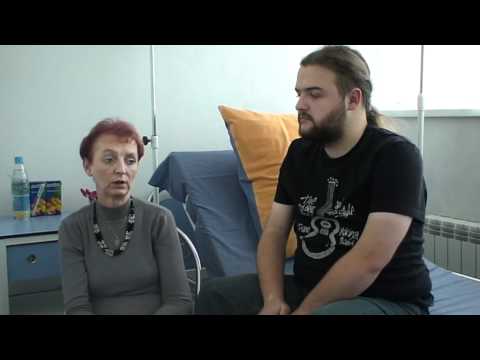
.png)



.png)










Share this listing