
Professional Dental Hygiene and Tartar Removal Procedures in Hungary
Securing a healthy, radiant smile requires far more than basic daily brushing. When seeking a professional dental hygiene and tartar removal procedure in Hungary, patients gain access to world-class preventative care that sets the foundation for long-term oral health. Advanced dental networks place a massive emphasis on comprehensive cleaning protocols before any major restorative work begins.
A pristine oral environment is the absolute prerequisite for successful cosmetic and surgical treatments. Without proper plaque and calculus management, even the most advanced dental restorations face significant risks of failure. Expert dental hygienists dedicate their practice to ensuring that every patient achieves the optimal bacterial balance within their mouth.
Through dedicated patient education and meticulous clinical treatments, individuals can protect their natural teeth and expensive dental work. Understanding the biological mechanisms behind tartar formation and gum disease empowers patients to take control of their dental destiny. High-quality preventative dentistry focuses on stopping minor issues long before they escalate into complex medical emergencies.
Video Chapters
- The Critical Role of a Dental Hygienist
- Why Professional Tartar Removal is Essential
- Boosting Dental Implant Success Rates
- Comprehensive Teeth Whitening Solutions
- Personalized Patient Instruction Techniques
- Establishing Effective At-Home Oral Care
- The Importance of Regular Clinic Visits
- Accessing Dental Network Services in Hungary
The Critical Role of a Dental Hygienist in Your Oral Care Journey
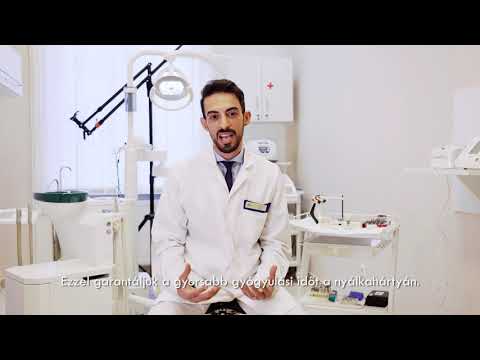
A dental hygienist serves as the frontline defender against progressive periodontal diseases and widespread tooth decay. As highlighted at [00:03], dedicated professionals like Erhard Rachel structure their entire practice around achieving the perfect smile for every patient. They act as a crucial bridge between daily home care and complex dental surgeries.
These specialists continuously assist dentists by ensuring the oral cavity is biologically prepared for interventions. Their rigorous work involves removing calcified deposits, offering personalized advice, and administering cosmetic treatments like teeth whitening [00:11]. Without their preparatory scaling, restorative dentists would face significant challenges when placing crowns or implants.
Furthermore, hygienists are heavily trained in identifying the early warning signs of gingivitis and soft tissue anomalies. Catching these microscopic changes early prevents irreversible bone loss and soft tissue degradation. Their comprehensive evaluations create a tailored roadmap for each individual's unique dental rehabilitation.
Specialized Diagnostic Assessments
During an initial consultation, the hygienist maps out the exact depth of periodontal pockets surrounding the teeth. This charting reveals hidden inflammation that standard visual inspections might easily miss. Identifying these deep pockets allows the clinical team to target specific areas with specialized ultrasonic scaling tools.
They also assess the structural integrity of existing restorations, such as older fillings and aging dental bridges. Over time, margins around these restorations can degrade, creating microscopic traps for harmful bacteria. The hygienist meticulously cleans these vulnerable margins to extend the lifespan of previous dental investments.
Why Professional Tartar Removal is Essential for Dental Health
Patients frequently question the necessity of routine scaling, often wondering why meticulous brushing isn't enough [00:15]. The reality is that dental plaque calcifies into a hardened substance known as tartar, or calculus, within a matter of hours. Once this mineralization occurs, standard toothbrush bristles are completely ineffective at removing the hardened bond.
Tartar features a highly porous surface that acts as an ideal breeding ground for pathogenic oral bacteria. These bacterial colonies release acidic byproducts that continuously attack the dental enamel and irritate the surrounding gingival tissue. Left undisturbed, this leads to chronic bleeding, severe bad breath, and eventual tooth mobility.
Professional tartar removal utilizes high-frequency ultrasonic instruments that gently shatter the calculus deposits without harming the underlying enamel. Water irrigation simultaneously flushes away the disrupted bacteria and cools the tooth surface. This sophisticated process is entirely necessary to halt the progression of periodontal disease in its tracks.
The Hidden Dangers of Subgingival Calculus
While visible tartar above the gum line is an aesthetic concern, subgingival calculus hidden below the gums poses a severe medical threat. This invisible buildup directly destroys the periodontal ligaments that hold the teeth firmly anchored within the jawbone. Removing this hidden threat requires immense clinical skill and specialized, fine-tipped instruments.
Failure to address subgingival calculus inevitably results in advanced periodontitis, characterized by massive bone recession. Systemic health is also impacted, as oral bacteria can enter the bloodstream through ulcerated gum tissue. Routine scaling therefore acts as a critical preventative measure for both dental and cardiovascular wellness.
Boosting Dental Implant Success Rates Through Optimal Oral Hygiene
The success rate of major dental interventions, particularly implantology, is dramatically increased by maintaining pristine oral hygiene [00:20]. Placing a titanium implant into an infected, bacteria-rich environment severely compromises the vital process of osseointegration. Bone cells cannot properly fuse with the implant surface if persistent inflammation is present in the surgical site.
Clinics enforce strict tartar removal protocols strictly to eliminate these dangerous bacterial loads before surgery [00:26]. Peri-implantitis, a destructive inflammatory condition affecting the tissues around implants, is primarily caused by poor hygiene. By scaling the entire mouth prior to implantation, the risk of postoperative infection drops exponentially.
Post-surgical maintenance is equally demanding; patients must return for specialized cleanings around their new prosthetics. Implants require distinct, non-metallic scaling instruments to avoid scratching the delicate titanium abutments. Scratching these surfaces would inadvertently create microscopic grooves where new plaque could rapidly accumulate and cause future complications.
Comprehensive Professional Teeth Whitening Solutions for a Flawless Smile
Aesthetics play a monumental role in patient confidence, making professional teeth whitening a highly sought-after secondary procedure. However, whitening gels cannot penetrate through layers of plaque, pellicle, or hardened calculus. Therefore, a comprehensive scaling session is mandatory before any bleaching agents are applied to the enamel.
Once the tooth surface is completely polished and free of debris, the whitening compounds can act uniformly across the dentition. This prevents patchy, uneven coloration and ensures the brightest possible aesthetic outcome. Professional dental clinics utilize carefully calibrated peroxide concentrations that maximize brightness while strictly minimizing dentinal hypersensitivity.
Patients are guided through shade selection using professional shade guides, ensuring realistic and harmonious expectations [00:36]. Protective barriers are carefully applied to the sensitive gum tissues to prevent chemical burns during the active whitening phase. This level of clinical safety and aesthetic precision simply cannot be replicated by over-the-counter whitening kits.
Personalized Patient Instruction and Clinical Motivation Techniques
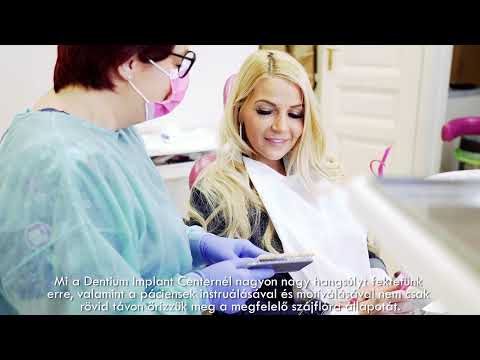
Modern dental centers place a massive emphasis on patient instruction and continuous behavioral motivation [00:30]. Telling a patient to brush twice a day is fundamentally insufficient for achieving lasting oral health improvements. Hygienists must demonstrate precise mechanical techniques tailored to the unique anatomical challenges of each individual's mouth.
For instance, patients with complex orthodontics, expansive dental bridges, or multiple implants require highly specific cleaning protocols. Motivation involves showing patients their progress through intraoral cameras and disclosing solutions that highlight invisible plaque. Visualizing the problem creates a psychological shift, turning a passive patient into an active participant in their healthcare.
This motivational approach ensures that the correct oral flora state is not just a short-term achievement but a long-term reality [00:37]. By breaking down complex medical jargon into actionable daily habits, hygienists empower individuals to protect their expensive dental investments. A well-motivated patient experiences significantly fewer dental emergencies and enjoys much lower lifetime restorative costs.
Overcoming Dental Anxiety Through Education
Many patients avoid preventative care due to deep-seated dental anxiety stemming from past traumatic experiences. Transparent communication regarding exactly what each instrument does helps demystify the scaling process. When patients understand the biological necessity of the treatment, their fear is heavily reduced.
Establishing a calm, educational environment allows the patient to ask questions without fear of judgment. Hygienists work at a pace comfortable for the individual, providing breaks and using advanced numbing gels when addressing sensitive areas. This compassionate approach fosters deep trust between the clinician and the patient.
Establishing Effective At-Home Oral Care Habits for Lifelong Health
Mastering proper at-home oral care habits is the ultimate key to sustaining the results of clinical scaling [00:41]. The foundation of this routine relies heavily on the modified Bass brushing technique, which angles the bristles towards the gum line. This specific angle successfully sweeps away bacterial colonies hiding inside the shallow gingival sulcus.
Standard flossing remains vital, but interdental brushes are heavily advocated for cleaning larger embrasure spaces between the teeth. These tiny brushes physically scrub the concave root surfaces that traditional string floss simply glides right past. Incorporating a high-quality water flosser further enhances plaque disruption in hard-to-reach posterior regions.
Selecting the correct chemical adjuncts, such as fluoride-rich toothpastes and non-alcoholic antimicrobial rinses, chemically suppresses bacterial regrowth overnight. Patients are strictly advised against aggressive scrubbing, which severely damages the enamel and causes permanent gum recession. Gentle, methodical, and consistent plaque removal is the gold standard for daily home maintenance.
The Absolute Importance of Regular Dental Clinic Visitations
Even with impeccable home care, microscopic tartar deposits will inevitably form in physically inaccessible areas of the mouth. This biological reality makes regular return visits to the dental clinic completely non-negotiable [00:45]. Standard protocols dictate a professional cleaning every six months, though high-risk patients require quarterly interventions.
These systematic check-ups allow the hygienist to monitor changes in pocket depths and evaluate the ongoing stability of implants. By catching a minor localized inflammation early, a simple irrigation procedure can resolve the issue instantly. Delaying these appointments allows the bacteria to penetrate deeper, eventually requiring invasive surgical flap procedures.
Consistent preventative visits ensure that patients can preserve their natural dentition and dental restorations for an entire lifetime [00:49]. The financial cost of routine scaling pales in comparison to the immense expenses associated with treating severe periodontitis or replacing failed implants. Preventative dentistry is the ultimate investment in overall systemic health and unshakeable personal confidence.
- Biannual Scaling: Essential for removing mineralized calculus that home care cannot eliminate.
- Digital X-Rays: Required periodically to monitor interproximal bone levels and hidden decay.
- Oral Cancer Screenings: Conducted during hygiene visits to detect abnormal mucosal changes instantly.
- Fluoride Varnishes: Applied to remineralize weakened enamel and drastically reduce thermal sensitivity.
Accessing World-Class Dental Network Services in Hungary
Hungary has firmly established itself as a premier global destination for high-tier dental treatments and advanced implantology. Clinics operating within prestigious dental networks, such as the Dentium Implant Center, utilize the most advanced diagnostic technologies available today. Patients traveling for complex restorative work benefit immensely from the rigorous hygiene standards enforced prior to surgery.
These modern facilities integrate cutting-edge 3D cone beam imaging, laser dentistry, and guided biofilm therapy into their standard hygiene protocols. The practitioners undergo continuous international training to master the latest techniques in soft tissue management and bone preservation. This commitment to clinical excellence guarantees a superior standard of care.
Choosing a highly accredited dental clinic in Hungary ensures that your smile is protected by dedicated specialists prioritizing preventative care. From the initial detailed consultation to the final aesthetic polishing, every step is carefully orchestrated to deliver phenomenal results. World-class dental care is accessible, reliable, and deeply transformative for those prioritizing their oral well-being.
Ready to Transform Your Smile in Hungary?
Take the first step towards flawless oral health and discover affordable, high-quality dental hygiene and implant procedures. Connect with top-tier specialists to receive a comprehensive treatment plan tailored to your specific needs.
Get Free QuoteView Full Video Transcript
[00:00] (Introductory logos and music)
[00:03] Erhard Rachel vagyok, dentálhigiénikus.
[00:06] A tökéletes mosoly elérése érdekében folyamatosan igyekszem segíteni fogorvos kollégáim munkáját fogk?leszedéssel, tanácsadással valamint fogfehérítéssel.
[00:15] Sokszor megkérdezik pácienseim miért van szükség a fogk?leszedésre.
[00:20] A fogászati beavatkozások sikerének arányát jelent?sen megnöveli a megfelel? szájhigiéné.
[00:26] Ezt csak és kizárólag fogk?leszedés útján érhetjük el.
[00:30] Mi a Dentium Implant Centernél nagyon nagy hangsúlyt fektetünk erre, valamint a páciensek instruálásával és motiválásával nem csak rövid távon ?rizzük meg a megfelel? szájflóra állapotát.
[00:41] Otthoni megfelel? szájápolási szokások elsajátításával, valamint rendel?nkbe való rendszeres visszatéréssel ezt az állapotot pácienseink meg?rizhetik akár egy életen át.
[00:52] (Contact information displayed on screen)
.png)


.png)
.png)





.jpg)
.png)









Share this listing