


Transform Your Smile with Guided Dental Implants in Hungary
Patients seeking reliable, highly accurate restorative dentistry are increasingly turning to guided dental implants in Hungary. This advanced oral surgery technique utilizes sophisticated 3D imaging and computer-aided design to place titanium posts with pinpoint accuracy. Traditional methods often rely on the surgeon's visual estimation, which can introduce microscopic margins of error. By utilizing a custom-milled or 3D-printed surgical guide, dental professionals can entirely eliminate the guesswork associated with conventional tooth replacement strategies.
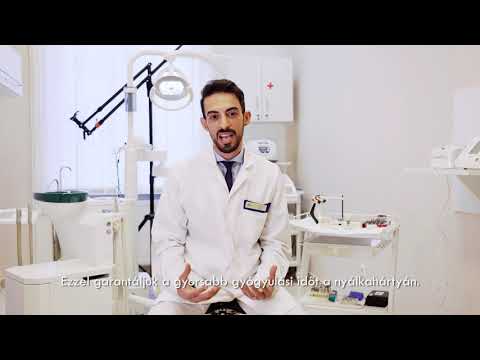
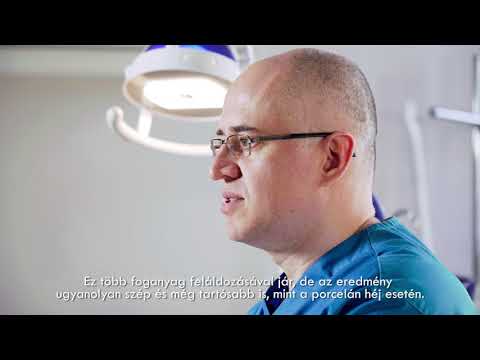
Choosing to undergo template-based tooth implantation in a specialized clinic ensures a dramatically improved patient experience. As highlighted by dental specialists [00:03], the integration of cutting-edge implantology drastically reduces surgery time and accelerates the recovery phase. Patients traveling for this procedure benefit from world-class surgical protocols, combining elite medical expertise with highly competitive pricing structures.
Modern dental implant centers invest heavily in continuous education and technological upgrades to refine their implantology practices [00:12]. The shift toward digital dentistry means that every aspect of the treatment, from the initial digital impression to the final crown placement, is meticulously mapped out before the patient even sits in the surgical chair. This level of preparation provides unparalleled predictability and aesthetic success for complex full-mouth restorations and single-tooth replacements alike.
Video Chapters
- Understanding Template-Based Tooth Implantation
- The Evolution of Oral Surgery and Implantology
- Step-by-Step Condition Assessment Process
- Eliminating Freehand Implantation Inaccuracies
- Advanced 3D Printing in Dental Implants
- Benefits of Flapless Dental Surgery
- Why Choose Hungary for Dental Care
- Cost and Quality Comparison for Implantology
Understanding Template-Based Tooth Implantation Technology
Guided implantation, frequently referred to as template-based tooth implantation [00:18], represents the pinnacle of modern restorative dentistry. The procedure relies on a customized physical guide that fits over the patient's existing teeth or gums. This guide features precisely angled metal cylinders that dictate the exact trajectory, depth, and positioning of the implant drill.
By using this rigid framework, the dental surgeon cannot deviate from the digitally pre-planned position. The template ensures that the titanium fixture is embedded optimally within the thickest part of the jawbone. This meticulous approach prevents damage to vital anatomical structures, such as the mandibular nerve or the maxillary sinus cavity.
Patients with complex anatomical challenges or severe bone loss benefit immensely from this technological leap. It maximizes the use of available bone, often negating the need for invasive bone grafting procedures prior to the implant placement. The customized guide acts as an uncompromising roadmap, transforming a highly sensitive surgical procedure into a streamlined, predictable process.
The Evolution of Oral Surgery and Implantology
Historically, oral surgery required extensive incisions to expose the jawbone, allowing the surgeon to visually assess the surgical site. While effective, this traditional approach caused significant tissue trauma, leading to prolonged swelling and post-operative discomfort. The field of oral surgery and implantology has aggressively moved away from these invasive methods toward minimally invasive protocols.
The integration of computer-guided systems has fundamentally shifted the paradigm of patient care. Surgeons now rely on comprehensive digital workflows rather than intraoperative physical exploration. This evolution means that the actual surgical intervention is merely the final, execution phase of a highly detailed digital master plan.
Dedicated dental professionals constantly seek out these innovative methodologies to refine their craft and improve patient outcomes. Engaging with continuous learning and adopting new techniques [00:12] ensures that clinics remain at the forefront of global dental standards. Patients directly reap the rewards of this evolution through safer surgeries and highly aesthetic, functional restorations.
Step-by-Step Condition Assessment Process
A successful guided dental implant procedure begins long before the actual surgery date. Every intervention is preceded by a rigorous planning process and condition assessment [00:33]. This diagnostic phase evaluates the patient's overall oral health, bone density, gum tissue volume, and occlusal alignment.
To achieve a comprehensive view of the oral cavity, specialists utilize a combination of study models, panoramic X-rays, and advanced Cone Beam Computed Tomography (CBCT) scans [00:40]. The CBCT scan generates a three-dimensional replica of the patient’s skull. This allows the surgeon to measure bone width and height with sub-millimeter accuracy, determining the exact location and dimension of the required implants.
Key Elements of the Assessment Phase
- Digital Intraoral Scanning: Captures high-resolution 3D images of the existing teeth and gingival architecture without messy impression materials.
- Radiographic Analysis: Utilizing CBCT scans to map out nerves, sinus cavities, and precise bone density metrics.
- Prosthetically Driven Planning: Designing the final crown or bridge first, then planning the implant position to support that specific aesthetic and functional outcome.
- Virtual Surgery Simulation: Performing the entire implantation digitally before the patient arrives for the physical procedure.
Eliminating Inaccuracies of Freehand Medical Tooth Implantation
Freehand dental implant placement relies heavily on the surgeon's spatial awareness, experience, and visual judgment. While skilled periodontists achieve high success rates with freehand techniques, the method is inherently susceptible to slight deviations in angle or depth. Guided surgery completely excludes these potential inaccuracies arising from freehand medical tooth implantation [00:25].
Even a fraction of a millimeter of deviation can impact the final prosthetic result. If an implant is placed at a suboptimal angle, the custom abutment and final crown must compensate for that error. This can lead to aesthetic compromises, difficult oral hygiene maintenance, or unfavorable distribution of biting forces that may threaten the long-term survival of the implant.
By relying on a rigidly fixed surgical guide, the drill is locked into the pre-planned trajectory. The physical stops on the guided surgery drills prevent the surgeon from drilling too deeply. This engineered precision provides profound peace of mind for both the clinician and the patient, guaranteeing that the virtual plan is executed flawlessly in reality.
Advanced 3D Printing in Dental Implants
The bridge between the virtual software plan and the physical surgical environment is the surgical guide itself. Modern dental clinics utilize high-resolution 3D printers to fabricate these drilling templates specifically for the planned location [00:49]. The transition from digital file to tangible medical device happens rapidly within the clinic's own digital laboratory.
Biocompatible dental resins are used to construct the surgical guide. These materials are heavily tested for safety and can be sterilized prior to use in the surgical suite. Once the 3D printer cures the resin layer by layer, specialized metal sleeves are inserted into the guide to accommodate the surgical drills.
Having 3D printing technology on-site drastically reduces turnaround times for international patients. Instead of waiting weeks for a third-party laboratory to manufacture and ship the guide, specialized dental centers in Hungary can design and print the necessary components within hours. This efficiency is a cornerstone of modern dental tourism, allowing for expedited, high-quality care.
Benefits of Flapless Dental Surgery
One of the most celebrated advantages of utilizing a 3D-printed surgical guide is the ability to perform flapless surgery. Traditional implantology requires the surgeon to cut the gums and peel back a "flap" of tissue to expose the underlying bone. With guided techniques, the intervention can be executed entirely without cutting and flap formation [00:55].
Instead of large incisions, the surgeon uses a specialized tissue punch that removes a tiny, precise circle of gingival tissue directly over the implant site. The drill and implant are then passed directly through this micro-opening. Because the blood supply to the surrounding gum tissue remains completely uninterrupted, the body does not have to expend extensive energy repairing massive surgical wounds.
This minimally invasive protocol guarantees a significantly faster healing time for the mucous membrane [01:03]. Patients routinely report virtually zero post-operative pain, minimal swelling, and rarely require anything stronger than over-the-counter pain medication. Furthermore, the absence of sutures makes post-operative oral hygiene much easier and drastically reduces the risk of secondary site infections.
Why Choose Hungary for Advanced Dental Procedures
Hungary has established itself as the premier destination for dental tourism in Europe. The country boasts a dense concentration of highly educated, internationally certified oral surgeons and prosthodontists. Clinics specializing in guided dental implants in Hungary operate at standards that frequently exceed those found in Western Europe or North America, utilizing the exact same premium implant brands and digital imaging hardware.
The regulatory environment for medical professionals in Hungary is incredibly stringent. Specialists undergo rigorous training, and clinics must adhere to strict European Union healthcare directives regarding sterilization, patient safety, and material sourcing. This ensures that international patients receive uncompromising quality of care in state-of-the-art facilities equipped with the latest digital dentistry tools.
Beyond the clinical excellence, the logistical infrastructure supports seamless medical travel. Clinics often provide comprehensive concierge services, managing airport transfers, accommodation, and translation services. This holistic approach removes the stress of navigating a foreign healthcare system, allowing the patient to focus entirely on their oral health recovery and enjoying their newly restored smile.
Cost and Quality Comparison for Implantology
The financial advantage of seeking template-based tooth implantation abroad is substantial. Due to lower operational overhead, lower malpractice insurance costs, and favorable currency exchange rates, top-tier Hungarian clinics can offer sophisticated procedures at a fraction of the cost found in the US, UK, or Canada. These savings apply not only to the surgical phase but also to the subsequent custom prosthetics.
Importantly, this price difference does not reflect a compromise in quality. Clinics utilize industry-leading titanium implants from global manufacturers, ensuring lifetime warranties and international traceability. The implementation of guided surgery technology actually enhances the overall value proposition, delivering premium, error-free results at highly accessible price points.
Comparison of Dental Implant Approaches
| Feature | Freehand Implantation | Guided Dental Implants |
|---|---|---|
| Surgical Precision | Relies on visual estimation | Digital sub-millimeter accuracy |
| Incision Requirement | Extensive flap required | Flapless (tissue punch only) |
| Healing Time | Moderate to lengthy recovery | Accelerated mucous membrane healing |
| Sutures | Mandatory | Rarely required |
By leveraging the power of 3D technology and comprehensive digital planning, patients are guaranteed a superior clinical outcome. The investment in advanced diagnostic tools transforms complex oral rehabilitations into safe, predictable, and highly comfortable experiences. Selecting a specialized center that mandates these protocols ensures that your restorative journey rests on the solid foundation of modern medical science.
Ready to Restore Your Smile with Precision?
Discover the affordability and unparalleled accuracy of guided dental implants in Hungary. Connect with top-tier specialists to receive a personalized, digitally planned treatment strategy designed for your unique oral anatomy.
Get Free QuoteView Full Video Transcript
[00:00] Fogorvosi rendel?nk a Dental Network hálózat tagja.
[00:03] Dr. Nouri Amir Pasha vagyok, a Dentium Implant Centerben már 2,5 éve dolgozok szájsebészeti és implantológiai területen.
[00:12] Munkám során szeretek mindig új technikákkal megismerkedni és fejleszteni a tudásomat.
[00:18] Amir?l ma szeretnék beszélni az az irányított implantáció vagyis a sablonos fogbeültetések,
[00:25] ami kizárja az orvosi szabadkézzel végzett fogbeültetés során felmerül? pontatlanságokat.
[00:33] Minden esetben egy tervezési folyamat el?zi meg ami során állapotfelmérést készítek.
[00:40] Tanulmányiminta mellett röntgen és ct felvétel segítségével határozzuk meg az implantátumok helyét és méretét.
[00:49] A megtervezett helyre fúró sablont készítünk egy 3D nyomtató segítségével.
[00:55] Ezzel a technikával lehet vágás és lebenyképzés nélküli beavatkozásokat végezni.
[01:03] Ezzel garantáljuk a gyorsabb gyógyulási id?t a nyálkahártyán.
[01:08] www.dentiumimplantcenter.hu, info@dentium.hu, +36 70 666 7073

.png)
.png)
.png)


.png)

.png)


.png)










Share this listing