Contents
Missing teeth can make eating, speaking and smiling feel more complicated than they should. Add the price of implant treatment at home, and it becomes easy to understand why patients from the UK and other parts of Europe compare dental implants in Hungary alongside their local options. Hungary has a long history of cross-border dental travel, particularly from Austria and Western Europe.
Price needs some unpacking. Current Budapest offers advertise a dental implant starting from $375, while a more realistic comparison range is about $750–$1,200 per implant. All-on-4 treatment is advertised from $6,200 per arch, while broader estimates run around $8,500–$10,500 per arch. What is included can make a major difference.
Before comparing prices, verify the treating dentist in Hungary's official Basic and Operational Register and ask the clinic to show its current local operating authorization. Hungarian Medical Chamber membership is optional for dentists, so chamber membership alone should not be treated as proof of authorization to practise.
Two implant packages with similar headlines can leave you with very different final bills. Check whether the quote covers only the titanium implant fixture or also includes the abutment, final crown, scans, anesthesia, medications and follow-up care. Bone grafting, sinus lifting, extractions and the permanent restoration may be charged separately.
For full-arch treatment, also confirm whether the quoted amount covers one arch or both and whether the temporary and final bridges are included. Compare the packages below line by line rather than choosing on the headline price alone.
`Single implant: advertised from $375; broader Budapest estimate $750–$1,200 per implant.
All-on-4: advertised from $6,200 per arch; broader estimate $8,500–$10,500 per arch.
The lower figure should be treated as a starting price, not automatically as the completed-tooth cost. Your total depends on the implant system, crown or bridge material, number of implants, scans, extractions and whether additional bone or sinus surgery is needed.
Use the cost options below to compare like with like and request an itemized treatment plan before booking travel.
Dental Implants Cost Comparison in Hungary
| Country | Procedure | Price |
|---|---|---|
| Germany | Dental Implants, Dentistry | $2750 |
| Switzerland | Dental Implants, Dentistry | $4625 |
| Turkey | Dental Implants, Dentistry | $722 |
| United States | Dental Implants, Dentistry | $3500 |
| United Kingdom | Dental Implants, Dentistry | $2500 |
A polished website is useful for orientation, but it does not tell you whether a clinic is the right place for implant surgery. Ask for the clinic's Hungarian operating authorization and confirm that the dentist who will actually perform your treatment has valid operational registration. Hungary provides a public register showing a healthcare professional's registration status and qualifications.
Then compare diagnostic planning, sterilization procedures, implant brands, access to CBCT imaging, emergency arrangements and what happens if treatment needs adjustment after you return home. Use the clinics below as comparison options, not simply a ranking.
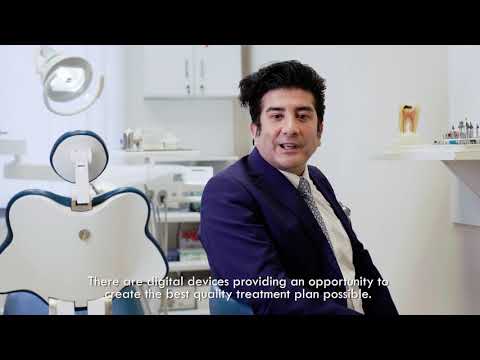
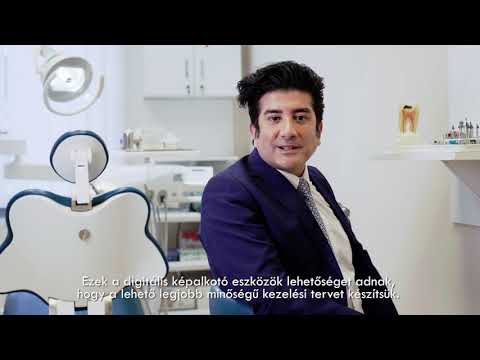
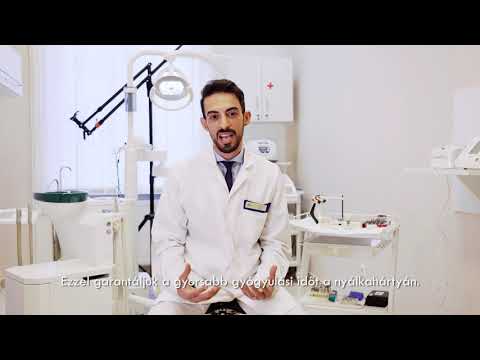
A useful implant video should answer questions, not just show a dramatic final smile. Pay attention to how the dentist evaluates bone volume, explains the scan, places the implant, manages temporary teeth and discusses the healing stage before the permanent crown or bridge.
Most conventional implants need time to integrate with the jawbone. Clinical patient guidance indicates that bone integration commonly takes around two to six months, although individual treatment plans differ.
Compare the videos below for differences in planning, procedure approach and aftercare rather than judging treatment quality from cosmetic results alone.
A review written two days after surgery tells you something about service; a review discussing healing, the final crown and follow-up tells you much more about implant care. Look for patients who describe the same treatment you are considering, especially single implants, multiple implants or full-arch restorations.
Give extra weight to comments about communication after returning home, unexpected charges, temporary teeth and how complications or adjustments were handled. Long-term cleaning also matters because inflammation around an implant can threaten its stability.
Compare the reviews below alongside clinical credentials and treatment plans rather than using star ratings as your only filter.
How much does one dental implant cost in Hungary?
A Budapest implant offer currently starts from about $375, while broader current estimates are approximately $750–$1,200 per implant. The final amount may be higher when the abutment, crown, scans, extractions or bone procedures are added. Ask for an itemized quote showing the completed-tooth cost.
How much does All-on-4 cost in Hungary?
Current package information shows All-on-4 starting around $6,200 per arch, while broader Budapest estimates are approximately $8,500–$10,500 per arch. Confirm whether the quote includes extractions, four implants, a temporary bridge and the final prosthesis.
Is it safe to get dental implants in Hungary?
Safety depends more on your health, treatment plan, dentist and clinic than on the country name alone. In Hungary, patients can verify whether the treating dentist has valid registration through the official Basic and Operational Register. You should also confirm the clinic's operating authorization and infection-control procedures before treatment.
How can I verify a dentist in Hungary before travelling?
Search the dentist in Hungary's official healthcare professional register. Public information can include the professional's name, registration number, qualifications and registration validity. Do not rely only on clinic badges or association logos.
Do Hungarian dentists have to belong to the Hungarian Medical Chamber?
No. Since March 2, 2023, Hungarian Medical Chamber membership has been optional for doctors and dentists. A dentist can obtain operational registration without being a chamber member, so patients should verify operational registration directly.
Can dental implants in Hungary be completed in one trip?
Sometimes, but not always. Conventional implants usually require time for the implant to integrate with the jawbone before the permanent restoration is fitted. Clinical guidance indicates that this integration commonly takes about two to six months, which can make a second visit necessary.
What if I need a bone graft before my implant?
A bone graft may be recommended when there is not enough suitable jawbone to support the planned implant. In many cases, the graft is allowed to heal for roughly three to six months before implant placement, although your dentist may recommend a different sequence based on your scan and clinical findings.
How long should I stay in Hungary after dental implant surgery?
There is no single correct stay for every patient. Your dentist should decide based on the number of implants, whether you need extractions or grafting, and when the postoperative check is planned. Swelling, bruising, soreness and mild bleeding can occur after implant placement, with postoperative discomfort commonly settling within about a week.
What should be included in a Hungary dental implant quote?
Ask whether the price includes the consultation, imaging, implant fixture, abutment, temporary tooth, permanent crown or bridge, anesthesia, medications and follow-up visits. Also request separate prices for likely extras such as extraction, bone grafting and sinus lifting. Current Budapest packages do not always include every stage in the initial headline price.
Can smoking affect dental implant healing?
Yes. Smoking is a recognized risk factor for implant failure and can interfere with healing. If you smoke, discuss this openly with your implant dentist before treatment rather than assuming the risk is the same for everyone.
What happens if I have an implant problem after returning home?
Ask this before you travel. Get the clinic's aftercare and warranty terms in writing and clarify whether a problem can be managed by your local dentist or requires a return to Hungary. Also ask who pays for replacement components, corrective treatment and additional travel if a return visit is needed.
Do dental implants need special care after treatment?
Yes. Implants still require careful brushing, cleaning around the restoration and regular professional reviews. Poor plaque control can cause inflammation and infection around an implant and may eventually contribute to implant loss.
Do I need a visa to travel to Hungary for dental implants?
Hungary is part of the Schengen area. EU citizens can generally travel with a valid passport or national identity card. Requirements for non-EU travelers depend on nationality and current Schengen entry rules, so check official requirements before paying for flights or treatment.
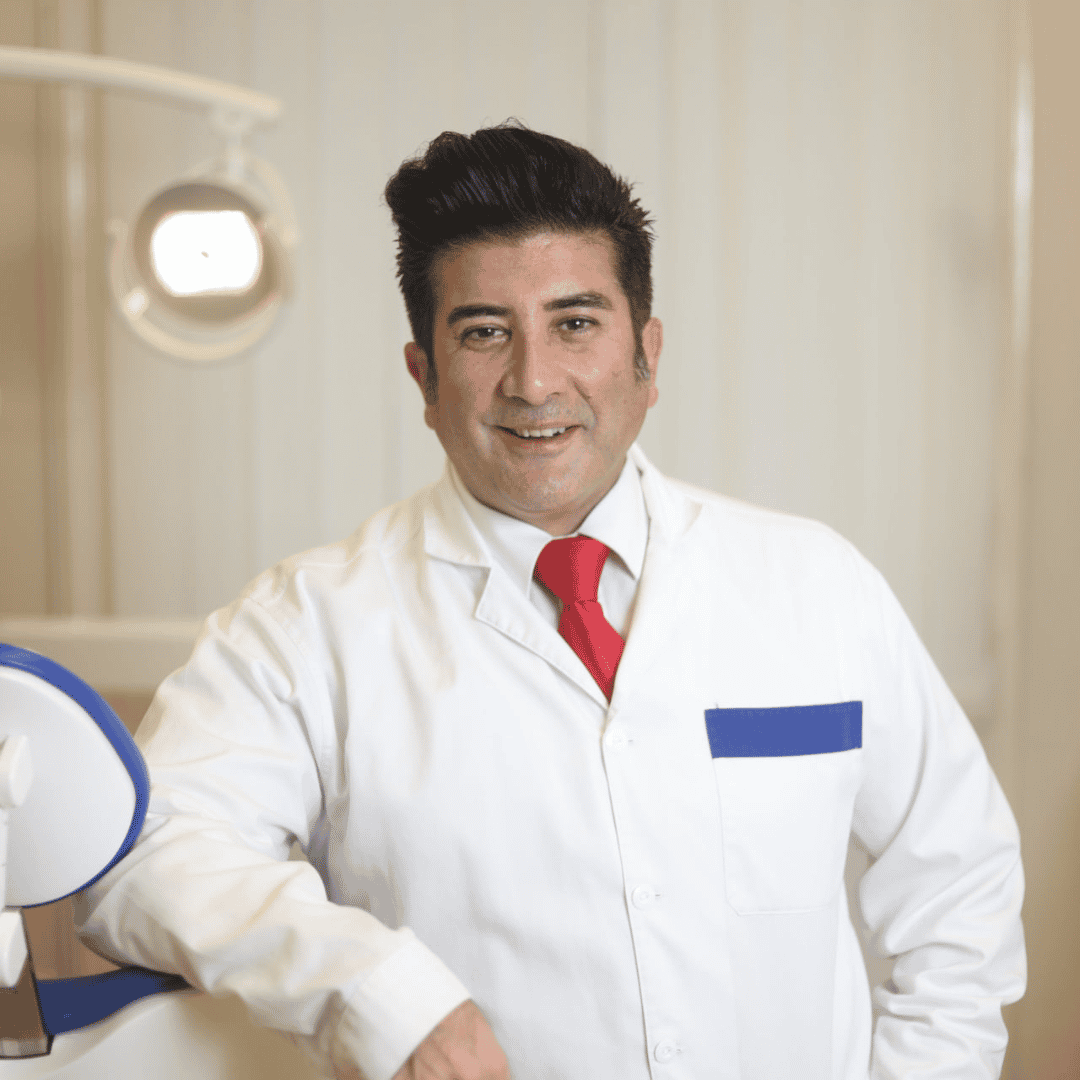
The person placing the implant matters as much as the implant brand. Ask who will perform the surgical placement, who will design and fit the crown or bridge, and whether the same clinicians will be available during follow-up.
Before committing, search the dentist's name in Hungary's Basic and Operational Register and confirm that the registration is current. The official register provides publicly accessible information about qualifications, registration numbers and registration validity.
Compare the surgeons below by relevant implant experience, treatment approach, registration and responsibility for aftercare—not simply by biography length or marketing claims.
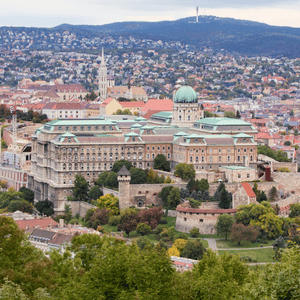
Hungary's dental tourism market did not appear overnight. Cross-border dental care has a long history here, particularly among patients from Austria and other nearby European countries, while Budapest has also attracted patients travelling from farther away, including the UK.
Budapest is the main destination for patients flying in for implant treatment. Budapest Ferenc Liszt International Airport serves international destinations including routes connecting Hungary with Great Britain and other European markets.
| Travel Issue | What Dental Patients Should Consider |
|---|---|
| Main arrival point | Budapest Ferenc Liszt International Airport is the practical gateway for most patients receiving treatment in Budapest. |
| Entry rules | Hungary is part of the Schengen area. EU nationals generally travel with a valid passport or national ID card; non-EU travelers should check the current visa and entry rules for their nationality before booking. |
| Treatment timing | A simple implant may require surgery followed by several months of bone integration before the final restoration. More complex cases can require additional visits. |
| Bone grafting | If a graft is needed first, healing commonly takes about three to six months before implant treatment proceeds, depending on the clinical situation. |
| Return travel | Do not book the earliest possible flight home without discussing timing with your dentist. Your treatment plan should leave enough time for the planned postoperative review. |
Who Commonly Considers Dental Treatment in Hungary?
Hungary is especially practical for patients travelling within Europe because its central location makes repeat visits more manageable. Research on Hungarian dental tourism has documented substantial cross-border travel from Austria and a more internationally mixed patient base in Budapest, including British patients.
Plan for Two Trips When Necessary
Do not assume every dental implant can be completed during one holiday. Conventional implant treatment often involves surgical placement, a healing period while the implant bonds with the bone, and a later restorative stage. NHS hospital guidance places typical integration at roughly two to six months.
Before buying flights, ask the clinic for a written visit schedule showing surgery dates, postoperative checks, temporary restoration plans and the expected timing of the permanent crown or bridge. That makes it easier to compare Hungary with another destination based on the whole treatment journey rather than airfare alone.
A lower price can make Hungary worth comparing, but your decision should still begin with a clear diagnosis and a complete treatment plan. Compare the implant system, final restoration, dentist's registration, clinic authorization, number of required visits, aftercare and total cost—including travel and possible additional procedures. If you already have dental X-rays, scans or a treatment recommendation from your dentist, you can use them to request more specific quotes and compare your options before arranging your trip. A remote estimate is useful for planning, but your final treatment must still be confirmed by the treating dentist after an appropriate clinical assessment. https://enk.okfo.gov.hu/en/activities/operational-register/membership-of-the-chamber https://www.leedsth.nhs.uk/patients/resources/dental-implants/ https://www.guysandstthomas.nhs.uk/health-information/dental-implants/having-dental-implant https://home-affairs.ec.europa.eu/policies/schengen/visa-policy_en https://europa.eu/youreurope/citizens/travel/entry-exit/non-eu-nationals/index_en.htm https://www.bud.hu/en/flight-and-travel-information/flights/destinations Compare Your Dental Implant Options in Hungary Before You Decide
References
Share this listing