


Transform Your Smile with an Advanced Dental Implant Procedure in Hungary
Restoring your smile and oral functionality requires precision, expertise, and access to top-tier medical technology. Patients worldwide are increasingly seeking a reliable and affordable full mouth dental implant procedure in Hungary due to the country's exceptional medical standards. With highly trained specialists like Dr. Dehghani Ali, a dedicated Dentoalveolar surgeon at the Dentium Implant Center, patients receive world-class care that rivals or exceeds treatments found in Western Europe or North America. Choosing this destination means accessing elite dental care without the exorbitant price tag.
The integration of digital dentistry has fundamentally changed how tooth replacement is planned and executed. From the initial consultation to the final prosthetic placement, every step is optimized for patient comfort and clinical success. By utilizing advanced imaging and prioritizing accurate planning, clinics ensure that every titanium post is placed with microscopic precision. This comprehensive guide explores the technology, methodology, and distinct advantages of traveling abroad for permanent tooth replacement.
Video Chapters
- Why Choose a Dental Implant Procedure in Hungary?
- The Role of Digital Dentistry in Modern Treatments
- Advanced Diagnostic Tools: Panoramic X-Rays and CT Scans
- How Accurate Planning Ensures Successful Placement
- The Step-by-Step Dental Implant Surgery Process
- Cost Benefits of Dental Tourism for Implants
- Modern Devices and Exceptional Patient Comfort
- What to Expect During Your Treatment Consultation
Why Choose a Dental Implant Procedure in Hungary?
The decision to undergo a dental implant procedure in Hungary is driven by a combination of exceptional clinical expertise and stringent European Union healthcare standards. Hungarian dental universities are recognized globally for their rigorous surgical training programs. Specialists, such as Dentoalveolar surgeons, spend years mastering complex bone grafting, sinus lifts, and precise implant positioning. This extensive education translates directly into higher success rates and fewer complications for international patients.
Furthermore, clinics in Budapest and surrounding areas are uniquely structured to cater to medical tourists. They offer streamlined services, multilingual staff, and comprehensive care packages. Patients do not have to compromise on quality to achieve affordability. The lower cost of living and operational expenses in the region allow these elite centers to utilize the exact same premium titanium materials and equipment found in more expensive countries.
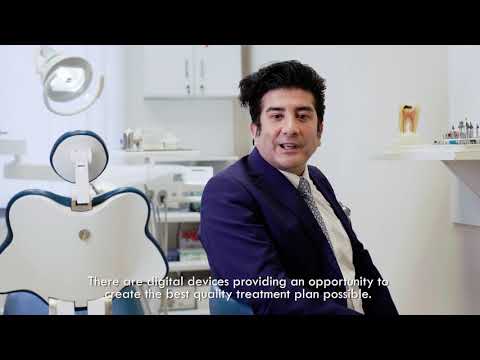
Tooth loss leads to rapid jawbone deterioration, which alters facial structure and creates functional chewing issues. Addressing this promptly with a highly qualified specialist [00:03] prevents further oral health decline. By choosing a reputable overseas clinic, individuals can secure a permanent, structural solution that restores both their bite force and aesthetic confidence.
The Role of Digital Dentistry in Modern Treatments
Digital dentistry has revolutionized the way oral surgeons approach complex restorative cases. As highlighted in clinical practice [00:17], these technological advancements have become an integral part of everyday operations. Traditional methods relied heavily on physical impressions and manual measurements, which left room for human error. Today, digital workflows eliminate these variables, providing a seamless and highly accurate approach to tooth replacement.
Intraoral scanners have completely replaced messy, uncomfortable alginate impression materials. These small, wand-like devices capture thousands of images per second to create a flawless 3D model of the patient's mouth. This digital impression is instantly transferred to computer-aided design (CAD) software. The surgical team uses this precise replica to design custom surgical guides, ensuring the titanium fixture is inserted at the perfect angle and depth.
This digital transition significantly reduces time spent in the dental chair and accelerates the overall manufacturing process of the final crowns. Dental laboratories can mill customized zirconia or porcelain prosthetics with micron-level accuracy. The result is a replacement tooth that looks completely natural and aligns perfectly with the patient's unique bite pattern.
Benefits of a Fully Digital Workflow
- Enhanced Accuracy: Computer-guided placement minimizes the risk of nerve damage and ensures optimal bone integration.
- Faster Turnaround Times: Digital files are sent to in-house milling machines instantly, reducing waiting periods for permanent crowns.
- Improved Patient Comfort: Eliminating gooey impression materials prevents gag reflexes and anxiety during the preparatory phase.
- Predictable Outcomes: Surgeons can visually demonstrate the final expected result on a monitor before any physical surgery begins.
Advanced Diagnostic Tools: Panoramic X-Rays and CT Scans
Successful oral surgery is entirely dependent on clear, comprehensive visualization of the underlying anatomical structures. Panoramic x-rays and Cone Beam Computed Tomography (CBCT) scans are absolutely essential for safe implantation [00:37]. A standard 2D dental x-ray only provides a flat image, which is insufficient for evaluating bone density and three-dimensional spatial relationships.
A CBCT scan rotates around the patient's head, capturing hundreds of high-resolution images from different angles. These images are reconstructed into a highly detailed 3D model of the maxillofacial region. Surgeons can meticulously examine bone volume, locate the exact path of the alveolar nerve, and identify sinus cavities. This level of detail is critical for determining if a patient requires preliminary bone grafting before receiving the artificial root.
One of the greatest advantages of modern imaging technology is its speed and efficiency. These critical scans only take a few minutes to complete [00:44]. The imaging software processes the data instantly, allowing the patient and surgeon to review the recordings immediately in the consultation room. This rapid diagnostic capability is particularly beneficial for international patients who operate on tight travel schedules.
How Accurate Planning Ensures Successful Placement
The physical insertion of the titanium screw is merely the execution of a meticulously designed blueprint. In high-quality dental work, a massive emphasis is placed on accurate planning [00:09]. Surgeons spend substantial time analyzing the digital data to simulate the surgery virtually. This proactive approach allows them to anticipate potential anatomical challenges before the patient is even in the surgical chair.
Virtual surgical planning software enables the doctor to select the exact size, width, and brand of the implant best suited for the patient's specific bone density. They can manipulate the virtual implant within the 3D model of the jaw to ensure it supports the final crown perfectly. This biomechanical planning guarantees that the bite force is distributed evenly, preventing future mechanical failures of the prosthetic.
Once the virtual plan is perfected, a custom surgical stent or guide is 3D printed. During the actual operation, this guide fits securely over the patient's gums or remaining teeth. It features a small metal cylinder that physically directs the surgical drill at the exact predetermined angle and depth. Guided surgery significantly reduces trauma to the surrounding tissues, leading to reduced swelling and an accelerated healing period.
The Step-by-Step Dental Implant Surgery Process
Understanding the clinical timeline helps alleviate patient anxiety and sets realistic expectations for the restorative journey. The process generally begins with a thorough extraction of any failing teeth and treatment of active periodontal disease. If the CBCT scan reveals inadequate bone density, a bone grafting procedure or sinus lift is performed. This grafted material must heal and integrate with the natural bone over several months to create a solid foundation.
During the primary surgical phase, the Dentoalveolar surgeon makes a precise incision in the gum tissue to expose the bone. Utilizing the 3D-printed surgical guide, a specialized drill prepares the osteotomy site. The biocompatible titanium post is then carefully threaded into the jawbone. The gum tissue is sutured closed, and the critical osseointegration phase begins. Over the next three to six months, the living bone cells grow and lock around the micro-threads of the implant.
Once osseointegration is confirmed via a follow-up x-ray, the minor second-stage surgery takes place. The surgeon exposes the top of the implant and attaches an abutment, which serves as the connector piece. Finally, after the soft tissue has healed around the abutment, digital impressions are taken to craft the permanent crown. The final ceramic or zirconia restoration is cemented or screwed into place, fully restoring the patient's chewing capacity and aesthetic appearance.
Cost Benefits of Dental Tourism for Implants
The primary catalyst for the surge in dental tourism is the massive disparity in healthcare costs across borders. Patients seeking full mouth rehabilitations, such as All-on-4 or All-on-6 treatments, often face prohibitive expenses in the US, UK, or Canada. By choosing to undergo a dental implant procedure in Hungary, patients can routinely save between 50% to 70% on their total treatment plan, even when factoring in flights and accommodation.
It is a common misconception that lower prices equate to inferior quality. The cost reduction is strictly driven by macroeconomic factors, including lower clinic rental costs, reduced malpractice insurance premiums, and localized laboratory fees. Hungarian clinics utilize the exact same globally recognized implant brands—such as Nobel Biocare, Straumann, and Dentium—that high-end Western clinics use.
Furthermore, many specialized clinics offer transparent, all-inclusive packages. These packages frequently include complimentary airport transfers, hotel accommodations, and dedicated patient coordinators. This level of logistical support removes the stress of navigating a foreign healthcare system, allowing the individual to focus entirely on their treatment and recovery.
| Treatment Aspect | Traditional Western Clinics | Top Clinics in Hungary |
|---|---|---|
| Diagnostic Fees (CBCT) | Often billed as a separate, high-cost item. | Frequently included in initial consultation packages. |
| Implant Material Quality | Premium global brands used. | Exact same premium global brands used. |
| Overall Financial Investment | Extremely high; often requires long-term financing. | Highly affordable; typically 50-70% less. |
| Patient Support Logistics | Patient manages own travel and local transport. | VIP concierge services, hotel, and transfers provided. |
Modern Devices and Exceptional Patient Comfort
Leading international clinics constantly reinvest in their infrastructure to maintain a competitive edge. Acquiring the most modern devices is a priority, as it directly assists the doctor's workflow and improves clinical outcomes [00:21]. Beyond surgical tools, this modernization extends to the sterilization protocols, patient monitoring systems, and the ergonomic design of the treatment chairs.
Patient comfort is paramount, especially for those suffering from dental phobia. Advanced clinics utilize computerized anesthesia delivery systems. These devices administer the numbing agent at a slow, controlled rate, virtually eliminating the pain associated with traditional syringe injections. Additionally, conscious sedation options are readily available for patients undergoing lengthy, complex reconstructive surgeries.
The integration of these modern devices ensures that the opportunity to create the best quality treatment plan is fully realized [00:28]. The clinical environment is designed to be sterile yet welcoming, reducing anxiety and promoting a positive physiological response to the surgery. High-quality air filtration and ambient lighting further contribute to a stress-free medical experience.
What to Expect During Your Treatment Consultation
The initial consultation is the most critical phase of the entire restorative journey. It is during this appointment that the foundation for clinical success is established. After the rapid digital imaging is completed, the specialist reviews the 3D anatomical data with the patient. Taking all aspects into consideration, the doctor will openly discuss the specific surgical interventions required [00:51].
This discussion covers the exact methodology of the procedure, the expected timeline, and the duration of the healing periods. Transparency is a hallmark of top-tier international clinics. Patients receive a detailed, itemized breakdown of costs, ensuring there are no hidden fees later in the process. Alternative treatment options, such as implant-supported bridges versus single units, are also evaluated based on the patient's budget and clinical needs.
By the end of the consultation, the patient possesses a comprehensive understanding of their customized treatment blueprint. They know exactly how many visits will be required, the type of prosthetics they will receive, and the long-term maintenance protocols required to protect their investment. This thorough, patient-centric communication ensures complete confidence before any clinical work commences.
Ready to Restore Your Smile with Precision?
Connect with top-rated specialists for your comprehensive dental implant procedure in Hungary. Access world-class digital dentistry and affordable care today.
Get Free QuoteView Full Video Transcript
[00:00] (Visual: Dental network logo)
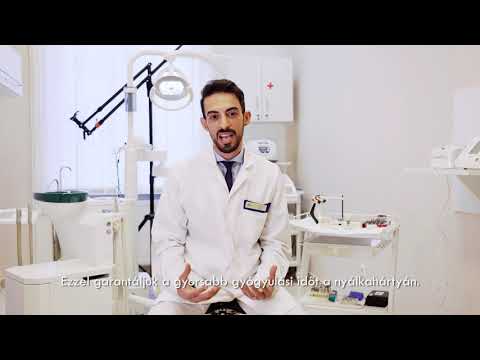
[00:03] I am Dr. Dehghani Ali. Dentoalveolar surgeon at Dentium Implant Center.
[00:09] In my work I focus on accurate planning, quality work and great patient service.
[00:17] Digital Dentistry has become an integral part of today.
[00:21] We try to buy the most modern devices thus helping the doctor's work.
[00:28] There are digital devices providing an opportunity to create the best quality treatment plan possible.
[00:36] Panoramic x-ray and CT scan are essential for implantation.
[00:44] These only take a few minutes. Our patients receive the recordings after the examination immediately.
[00:51] Taking all aspects we discuss together the whole procedure and duration of the treatment.
.png)
.png)
.png)


.png)
.png)

.png)




.png)








Share this listing